

Affordable and Compliant Group Health Insurance for 50–500 Employees
This guide was developed with insights from CFH Insurance Consultants, a Michigan-licensed independent employee benefits broker with nearly 20 years of experience serving small to mid-sized employers across Michigan. As a carrier-neutral broker, CFHIC recommendationsare always in the employer’s best interest — not tied to any single insurer.
Navigating the landscape of group health insurance can be a daunting task for mid-sized companies, especially those with 50 to 500 employees. This comprehensive guide aims to demystify group health insurance plans, highlighting their importance, benefits, and the various options available. Readers will learn how to strategically select the best health insurance plans for their workforce while ensuring compliance with current regulations. As businesses strive to attract and retain top talent, understanding the nuances of employee benefits becomes crucial. This article will cover essential topics, including the types of group health insurance plans, how to compare providers, compliance requirements for 2024, and effective cost management strategies. It also addresses Michigan employers specifically, providing state-specific insights for companies seeking group health insurance solutions. Additionally, alternatives such as ICHRA and QSEHRA, IRS-defined reimbursement arrangements, are discussed as flexible options available alongside traditional group plans.
What Are Group Health Insurance Plans for Mid-Sized Companies?
Group health insurance plans are policies that provide health coverage to a group of individuals, typically employees of a company. These plans are designed to offer comprehensive health benefits at a lower cost than individual insurance policies, making them an attractive option for mid-sized companies. By pooling risk among a larger group, insurers can offer lower premiums and better coverage options. This approach not only helps businesses manage costs but also enhances employee satisfaction and retention.
How Do Group Health Insurance Plans Benefit Employers and Employees?
Group health insurance plans offer significant advantages for both employers and employees. For employers, these plans can lead to reduced overall healthcare costs due to bulk purchasing power and lower premiums. Additionally, offering health insurance can enhance a company’s reputation, making it easier to attract and retain skilled employees. Employees benefit from lower out-of-pocket costs, access to a wider range of healthcare services, and the peace of mind that comes with having health coverage. This dual benefit structure fosters a healthier workforce and contributes to overall job satisfaction.
Which Types of Group Health Insurance Plans Are Available?
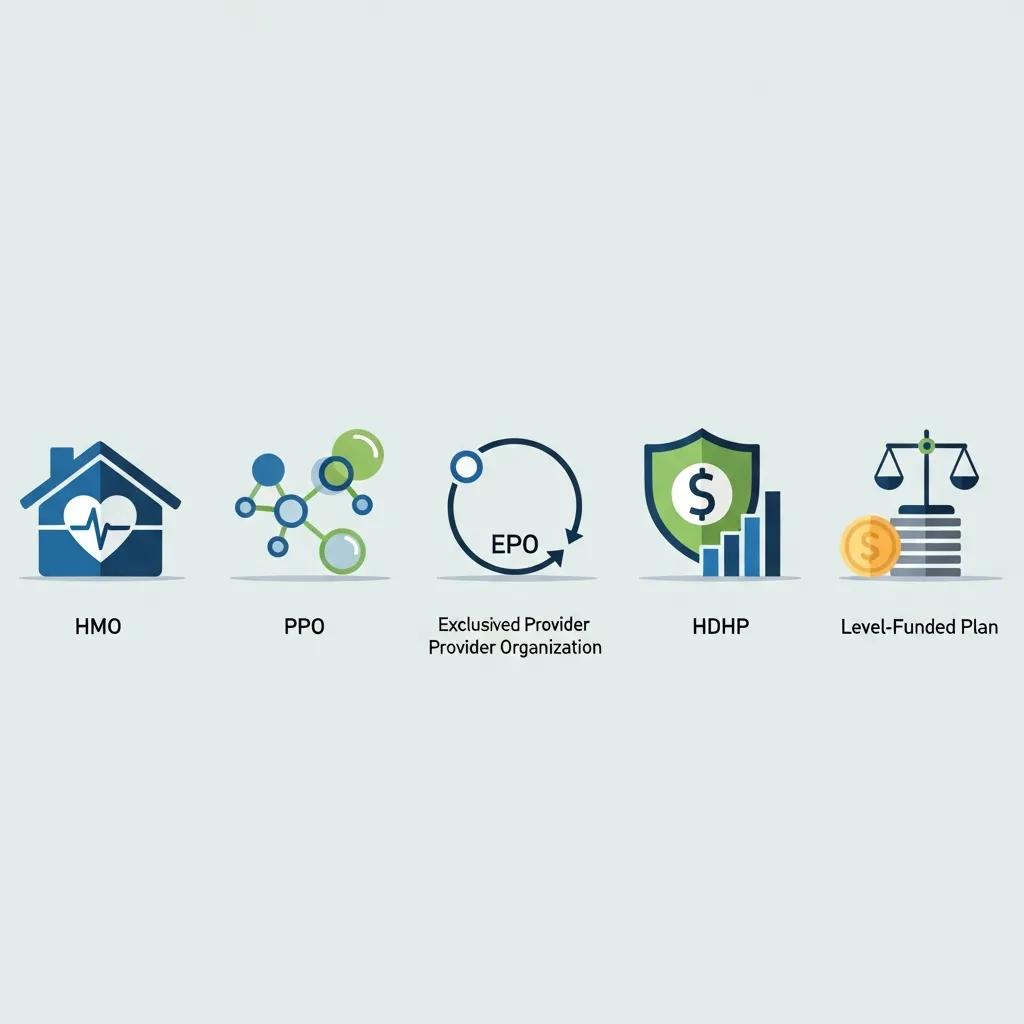
Mid-sized companies can choose from several types of group health insurance plans, each with its unique features and benefits. Common options include: level funded health plans
- Health Maintenance Organizations (HMOs): These plans require members to choose a primary care physician and get referrals for specialist services. They often have lower premiums but less flexibility in choosing healthcare providers.
- Preferred Provider Organizations (PPOs): PPOs offer more flexibility in selecting healthcare providers and do not require referrals for specialists. However, they typically come with higher premiums.
- Exclusive Provider Organizations (EPOs): EPOs combine features of HMOs and PPOs, offering a network of providers without requiring referrals, but coverage is limited to in-network services.
- High Deductible Health Plans (HDHPs): These plans have lower premiums but higher deductibles, making them suitable for healthier employees who do not anticipate frequent medical visits.
- Level-Funded Health Plans: These plans allow companies to pay a fixed monthly amount while covering their employees’ healthcare costs, providing predictability in budgeting.
Understanding these options is crucial for employers to select the best plan that meets their employees’ needs while managing costs effectively.
However, the precise impact of managed care models on overall healthcare costs compared to traditional insurance has historically been a complex area of study.
Managed Care vs. Traditional Insurance Cost Impact
We do not even know what impact [managed care] has had on health care cost and use compared with [traditional] insurance” (Miller
The effectiveness of health care cost management strategies: A review of the evidence, 1994
How to Compare Group Health Insurance Providers for Mid-Sized Businesses?
When comparing group health insurance providers, employers should consider several key factors to ensure they select the best option for their company. Important criteria include: fiduciary responsibilities.
- Coverage Options: Evaluate the range of services covered, including preventive care, specialist visits, and emergency services.
- Cost Structure: Analyze premiums, deductibles, co-pays, and out-of-pocket maximums to understand the total cost of the plan.
- Provider Network: Ensure that the plan includes a robust network of healthcare providers that employees prefer and trust.
Employers can utilize comparison tools and decision flowcharts to facilitate this process, ensuring they make informed choices that align with their budget and employee needs.
What Factors Should Employers Consider When Choosing Providers?
Selecting the right health insurance provider involves careful consideration of various factors. Employers should assess the following: what is a level funded health plan a guide for mid-size employers
- Provider Reputation: Research the insurer’s track record for customer service, claims processing, and overall satisfaction.
- Financial Stability: Review the provider’s financial ratings to ensure they can meet their obligations to policyholders.
- Customization Options: Look for plans that allow for customization to better fit the specific needs of the workforce.
By focusing on these factors, employers can make more informed decisions that benefit both their organization and their employees.
How Do Cost and Coverage Options Vary Among Providers?
Cost and coverage options can vary significantly among different health insurance providers. Employers should be aware of the following: open enrollment planning.
- Plan Types and Their Costs: Different plan types come with varying premium structures and coverage levels. For instance, PPOs generally have higher premiums than HMOs but offer greater flexibility.
- Factors Affecting Premiums: Age, location, and the overall health of the employee population can influence premium rates. Employers should consider these factors when negotiating with providers.
- Customization Options: Some providers offer customizable plans that allow employers to tailor coverage to meet the specific needs of their employees, potentially leading to cost savings.
Understanding these variations can help employers choose a plan that balances cost with comprehensive coverage.
What Are the Health Insurance Compliance Requirements for Employers in 2024?
As of 2024, employers must adhere to several compliance requirements regarding health insurance. Key obligations include:
- Affordable Care Act (ACA) Compliance: Employers must ensure that their health plans meet ACA standards, including providing minimum essential coverage and adhering to affordability guidelines.
- State-Specific Regulations: Different states may have additional requirements that employers must follow, such as mandated benefits or reporting obligations.
- Reporting Obligations: Employers are required to report health coverage information to the IRS and provide employees with necessary documentation regarding their health insurance.
Staying informed about these requirements is essential for avoiding penalties and ensuring compliance.
How Can Employers Stay Compliant with New Health Insurance Laws?
To maintain compliance with evolving health insurance laws, employers should implement several strategies:
- Regular Audits: Conduct periodic audits of health insurance plans to ensure they meet current legal standards and employee needs.
- Employee Training: Provide training for HR personnel and employees to understand their rights and responsibilities under health insurance laws.
- Consulting with Experts: Engage with legal and insurance experts to stay updated on changes in regulations and best practices for compliance.
By proactively managing compliance, employers can mitigate risks and enhance their overall benefits strategy.
What Are the Key Compliance Deadlines and Penalties?
Employers must be aware of key compliance deadlines and potential penalties associated with health insurance regulations. Important deadlines include:
- Annual Reporting Deadlines: Employers must submit health coverage information to the IRS by specific dates each year.
- Open Enrollment Periods: Employers must adhere to designated open enrollment periods for employees to enroll in or change their health plans.
- Penalties for Non-Compliance: Failing to meet compliance requirements can result in significant penalties, including fines and increased scrutiny from regulatory agencies.
Understanding these deadlines and penalties is crucial for maintaining compliance and avoiding costly repercussions.
How to Strategically Plan Employee Benefits Packages for Mid-Sized Companies?
Strategic planning of employee benefits packages involves a comprehensive approach to meet the diverse needs of the workforce. Employers should consider:
- Customization of Benefits: Tailor benefits packages to reflect the unique demographics and preferences of employees, ensuring relevance and satisfaction.
- Types of Coverage: Include a mix of health, dental, vision, and other supplemental benefits to provide comprehensive coverage.
- Cost Management Strategies: Implement strategies to manage costs effectively, such as wellness programs and preventive care initiatives.
By strategically planning benefits packages, employers can enhance employee satisfaction and retention while managing costs.
Which Supplemental Benefits Should Be Included: Dental, Vision, Disability, Life?
Supplemental benefits play a vital role in enhancing the overall employee benefits package. Employers should consider including:
- Dental Insurance: Provides coverage for routine dental care, which is essential for maintaining overall health.
- Vision Insurance: Offers coverage for eye exams and corrective lenses, promoting employee well-being.
- Disability Insurance: Protects employees’ income in the event of a long-term illness or injury, providing financial security.
- Life Insurance: Offers peace of mind for employees and their families, ensuring financial support in the event of an untimely death.
Incorporating these supplemental benefits can significantly enhance the attractiveness of the overall benefits package.
How Do Wellness Programs Integrate with Group Health Insurance?
Wellness programs are increasingly being integrated with group health insurance plans to promote healthier lifestyles among employees. These programs can include:
- Preventive Health Screenings: Regular health assessments to identify potential health issues early.
- Fitness Incentives: Programs that encourage physical activity through rewards or discounts on premiums.
- Mental Health Support: Resources and programs aimed at improving mental well-being, which can reduce overall healthcare costs.
Integrating wellness programs with health insurance not only improves employee health but can also lead to lower insurance premiums over time.
What Are Alternative Reimbursement Arrangements: QSEHRA and ICHRA Explained?
Qualified Small Employer Health Reimbursement Arrangements (QSEHRA) and Individual Coverage Health Reimbursement Arrangements (ICHRA) are innovative approaches to employee health benefits. QSEHRA vs ICHRA
- QSEHRA: Allows small employers to reimburse employees for individual health insurance premiums and qualified medical expenses, providing flexibility and cost control.
- ICHRA: Enables employers of any size to reimburse employees for individual health insurance premiums, offering a customizable approach to health benefits.
These arrangements provide employers with the ability to offer health benefits that align with their budget while giving employees more choice in their healthcare options.
How Do QSEHRA and ICHRA Support Flexible Benefits Planning?
Both QSEHRA and ICHRA support flexible benefits planning by allowing employers to tailor health benefits to meet the specific needs of their workforce. Key advantages include:
- Employee Choice: Employees can select the health insurance plans that best fit their individual needs, enhancing satisfaction.
- Cost Control: Employers can set fixed reimbursement amounts, allowing for predictable budgeting while still providing valuable benefits.
- Compliance Flexibility: These arrangements can help employers navigate complex compliance requirements while offering competitive benefits.
By leveraging QSEHRA and ICHRA, employers can create a more adaptable and responsive benefits strategy.
What Are the Eligibility and Compliance Considerations?
When implementing QSEHRA and ICHRA, employers must consider several eligibility and compliance factors:
- Eligibility Requirements: Employers must ensure that employees meet specific criteria to participate in these arrangements, such as full-time status or length of service.
- Compliance with Regulations: Employers must adhere to IRS guidelines and reporting requirements to maintain compliance and avoid penalties.
- Documentation Needs: Proper documentation is essential for reimbursement claims and compliance verification.
Understanding these considerations is crucial for successfully implementing these flexible benefits arrangements.
How Can Employers Manage Costs Effectively While Offering Comprehensive Benefits?
Managing costs while providing comprehensive benefits requires a strategic approach. Employers can consider the following strategies:
- Negotiating Insurance Rates: Work with insurance brokers to negotiate better rates and terms with providers.
- Utilizing Technology: Implement technology solutions to streamline benefits administration and reduce administrative costs.
- Regular Plan Reviews: Conduct annual reviews of benefits plans to identify areas for improvement and cost savings.
By adopting these strategies, employers can effectively manage costs while still offering valuable health benefits to self-funded employers.
What Cost Management Strategies Are Most Effective for Mid-Sized Companies?

Mid-sized companies can implement several effective cost management strategies for their health insurance plans:
- Wellness Programs: Encourage healthy behaviors among employees to reduce overall healthcare costs.
- High Deductible Health Plans (HDHPs): Offer HDHPs to lower premiums while providing employees with health savings accounts (HSAs) for tax-advantaged savings.
- Regular Plan Audits: Conduct audits to assess the effectiveness of current plans and identify potential cost-saving opportunities.
These strategies can help mid-sized companies balance the need for comprehensive coverage with budgetary constraints.
How to Use Comparison Tools and Decision Flowcharts for Cost-Benefit Analysis?
Employers can leverage comparison tools and decision flowcharts to conduct a thorough cost-benefit analysis of health insurance options. These tools can help:
- Visualize Options: Provide a clear overview of different plans, costs, and coverage options, making it easier to compare.
- Identify Key Factors: Highlight critical factors such as premiums, deductibles, and provider networks to facilitate informed decision-making.
- Streamline Decision-Making: Simplify the decision-making process by guiding employers through the evaluation criteria systematically.
Utilizing these tools can enhance the effectiveness of the selection process and lead to better outcomes for both employers and employees.
What Are Best Practices for Enrollment and Administration of Group Health Insurance?
Effective enrollment and administration of group health insurance require adherence to best practices, including:
- Streamlining Enrollment Processes: Utilize online platforms to simplify the enrollment process for employees, making it more efficient and user-friendly.
- Compliance and Documentation: Ensure that all necessary documentation is completed accurately and submitted on time to meet regulatory requirements.
- Ongoing Support: Provide continuous support to employees regarding their health insurance options and any changes to their plans.
By following these best practices, employers can enhance the enrollment experience and ensure smooth administration of their health insurance plans.
How to Streamline Enrollment Processes for Employees?
Streamlining enrollment processes can significantly improve employee satisfaction and engagement. Employers can implement the following strategies:
- Utilizing a Knowledgeable Broker: Work with an experienced insurance broker who can guide employees through the enrollment process and answer questions.
- Clear Communication: Provide clear and concise information about available plans, benefits, and enrollment deadlines to avoid confusion.
- Structured Enrollment Periods: Establish specific enrollment periods to encourage timely participation and reduce administrative burdens.
These strategies can help create a more efficient enrollment process, leading to higher employee engagement and satisfaction.
What Compliance and Documentation Are Required During Administration?
During the administration of group health insurance, employers must adhere to specific compliance and documentation requirements, including:
- Adhering to Enrollment Periods: Ensure that employees are aware of and adhere to designated enrollment periods to avoid penalties.
- Documentation Requirements: Maintain accurate records of employee enrollments, changes, and communications to demonstrate compliance with regulations.
- Compliance with Regulations: Stay updated on changes in health insurance laws and regulations to ensure ongoing compliance.
By focusing on these requirements, employers can mitigate risks and maintain compliance throughout the administration process.
How to Monitor and Update Group Health Insurance Plans Amid Changing Regulations?
Monitoring and updating group health insurance plans is essential for compliance and effectiveness. Employers should consider:
- Regular Compliance Audits: Conduct audits to assess compliance with current regulations and identify areas for improvement.
- Plan Comparison: Regularly compare existing plans with market offerings to ensure competitiveness and adequacy of coverage.
- Engaging Consulting Services: Work with benefits consultants to stay informed about regulatory changes and best practices in health insurance.
By proactively managing their health insurance plans, employers can ensure they remain compliant and provide valuable benefits to their employees.
What Tools and Resources Help Track Compliance and Market Trends?
Employers can utilize various tools and resources to track compliance and market trends effectively. Key resources include:
- Consultation with Brokers: Regularly consult with insurance brokers to stay informed about changes in the market and compliance requirements.
- Ongoing Support: Engage with benefits administration platforms that offer ongoing support and resources for compliance tracking.
- Documentation Maintenance: Implement systems for maintaining accurate documentation related to health insurance plans and employee enrollments.
These tools can enhance employers’ ability to navigate the complexities of health insurance compliance and market dynamics.
How Often Should Employers Audit and Refresh Their Benefits Packages?
Employers should conduct regular audits and refresh their benefits packages to ensure they meet the evolving needs of their workforce. Recommended practices include:
- Annual Reviews: Conduct annual reviews of benefits packages to assess their effectiveness and relevance to employees.
- Engaging Consulting Services: Work with benefits consultants to gain insights into market trends and best practices for benefits offerings.
- Employee Feedback: Solicit feedback from employees regarding their satisfaction with current benefits and any desired changes.
By implementing these practices, employers can ensure their benefits packages remain competitive and aligned with employee needs.
Group Health Insurance in Michigan: State-Specific Considerations for Mid-Sized Employers
For mid-sized companies operating in Michigan, understanding state-specific group health insurance requirements and market dynamics is essential. Michigan mandates certain health insurance benefits that insurers must cover, ensuring comprehensive protection for employees. The Michigan Department of Insurance and Financial Services (DIFS) oversees compliance with state insurance regulations, providing guidance and enforcement to protect both employers and employees.
Michigan utilizes the federal Healthcare.gov exchange for its ACA marketplace, which influences the availability and pricing of individual health plans that can be reimbursed through arrangements like ICHRA and QSEHRA. Blue Cross Blue Shield of Michigan stands as the dominant carrier in the state, boasting the largest provider network and extensive coverage options. Other major regional carriers include Priority Health and McLaren Health Plan, offering competitive alternatives tailored to Michigan employers.
Michigan follows community rating rules and guaranteed issue protections, which prevent insurers from varying premiums based on health status or denying coverage to eligible individuals. Employers with 50 or more full-time employees in Michigan are subject to the ACA Employer Mandate (Section 4980H), requiring them to offer affordable, minimum essential coverage or face penalties.
Given the complexity of navigating both federal and Michigan-specific regulations, many employers turn to independent employee benefits brokers Michigan-based, such as CFH Insurance Consultants in Bloomfield Hills, MI. These brokers provide expert guidance to ensure compliance, optimize benefits, and manage costs effectively within the Michigan market context.
Additional Data and Insights for Mid-Market Employers
According to the Kaiser Family Foundation 2024 Employer Health Benefits Survey, the average annual premium for employer-sponsored family coverage reached $25,572, with employers contributing an average of $18,516. This highlights the significant investment mid-market companies make in employee benefits for mid-market companies.
Mid-market companies, defined as those with 50-500 employees, often face a “benefits gap” — they are too large to rely solely on QSEHRA (which is capped at $6,350 per individual in 2026) but may lack the budget scale of large enterprises to match their benefits offerings. This gap makes strategic partnerships with an independent employee benefits broker Michigan employers trust especially valuable.
Moreover, a carrier-neutral broker can typically identify 10-20% cost savings compared to renewing with an incumbent carrier without a competitive bid process. This underscores the importance of leveraging expert broker services to optimize group insurance for growing businesses.
Before finalizing your plan selection, make sure you understand the structural differences between plan types. Our guide on HMO vs. PPO vs. EPO for Michigan businesses explains how network design affects cost and employee choice. Employers exploring alternatives to traditional fully insured plans should read Self-Funded vs. Fully-Insured Health Plans for Michigan Employers and our overview of level-funded health plans for michigan employers. To understand how benefits costs are structured at the member level, see How Do Deductibles Work? A Michigan-based group health insurance broker can help you evaluate all of these options in the context of your specific workforce.
Ready to Upgrade Your Employee Benefits?
CFH Insurance Consultants works with Michigan businesses like yours — companies with 50 to 500 employees — to design smarter, more cost-effective benefits packages. Whether you’re exploring level-funded plans, HRAs, or group health alternatives, we’ll build a strategy around your team’s needs and your budget.
Schedule Your Free Benefits Consultation →
Conclusion
For Michigan employers with 50-500 employees, securing the right group health insurance Michigan options and employee benefits for mid-market companies is critical to attracting and retaining talent while managing costs and compliance. Leveraging the expertise of an independent employee benefits broker Michigan-based, such as CFH Insurance Consultants, can provide tailored guidance and cost-saving strategies that align with both federal and state-specific requirements.
Michigan employers looking for a carrier-neutral, experienced benefits partner can contact CFH Insurance Consultants at cfhic.com or call (248) 370-8853 to schedule a no-obligation benefits consultation.
For more information or assistance, contact us today.
Mid-sized companies often seek affordable group health insurance to attract and retain employees.
A well-rounded employee benefits package is essential for a competitive workforce.
Consider QSEHRA and ICHRA options for flexible benefits planning.
Don’t forget the importance of dental and vision coverage in your benefits package.
Protect your employees with disability and life insurance options.
Ready to Build a Smarter Benefits Package for Your Company?
CFH Insurance Consultants specializes in serving Michigan employers with 50–500 employees — the mid-market sweet spot where benefits strategy really matters.
We’ll help you evaluate your options, compare carriers, and build a plan that works for your company and your people.