


Employee Benefits Broker in Michigan — CFH Insurance Consultants
Employee benefits play a crucial role in attracting and retaining top talent in today’s competitive job market. As businesses in Michigan navigate the complexities of employee benefits, understanding the various options available is essential. This article will explore the role of an employee benefits broker, the types of employee benefits, compliance requirements, and best practices for benefits administration. By the end, you will have a comprehensive understanding of how to effectively manage employee benefits and the value of consulting with a specialized broker like CFH Insurance Consultants.
Research highlights the specific challenges Michigan businesses face in attracting and retaining skilled employees, underscoring the importance of strategic benefits.
Attracting & Retaining Talent in Michigan
The study reported in this chapter was designed to investigate how managers representing public relations (PR), human resources (HR), and corporate social responsibility (CSR) departments use their organizations’ CSR initiatives to attract, engage, and retain job-seeking Millennials. To direct attention to a region that has been plagued with employee attraction and retention issues, this study focused this phenomenon as experienced by organizations located in the state of Michigan.
Overcoming regional retention issues: How some Michigan organizations use CSR to attract and engage top talent, 2017
Employee Benefits Overview
Employee benefits encompass a range of non-wage compensations provided to employees in addition to their normal salaries. These benefits are designed to enhance the overall compensation package and can significantly impact employee satisfaction and retention. In Michigan, businesses are increasingly recognizing the importance of offering competitive benefits to attract skilled workers. Common types of employee benefits include health insurance, retirement plans, and various wellness programs. Understanding these benefits is vital for employers looking to create a supportive work environment that fosters employee loyalty and productivity.
Types of Employee Benefits

When it comes to employee benefits, there are several key categories that businesses should consider. These include:
- Group Health Insurance: This is one of the most sought-after benefits, providing employees with access to medical care and financial protection against high healthcare costs. Group health insurance plans can vary widely in terms of coverage and cost, making it essential for businesses to choose plans that align with their workforce’s needs.
- QSEHRA and ICHRA Plans: Qualified Small Employer Health Reimbursement Arrangements (QSEHRA) and Individual Coverage Health Reimbursement Arrangements (ICHRA) are innovative solutions that allow employers to reimburse employees for individual health insurance premiums and out-of-pocket medical expenses. These plans offer flexibility and can be tailored to meet the unique needs of employees.
- Dental and Vision Insurance: These benefits are increasingly important to employees, as they cover essential health services that contribute to overall well-being. Offering dental and vision insurance can enhance an employer’s benefits package and improve employee satisfaction.
- Disability and Life Insurance: Providing disability and life insurance helps protect employees and their families in the event of unforeseen circumstances. These benefits can provide peace of mind and financial security, making them valuable additions to any benefits package.
- Retirement Plans: Offering retirement savings plans, such as 401(k) plans, is crucial for helping employees prepare for their future. Employers can enhance these plans by providing matching contributions, which can further incentivize employees to save for retirement.
By understanding the various types of employee benefits, businesses can create a comprehensive benefits package that meets the needs of their workforce.
Compliance and Regulatory Updates
Navigating the compliance landscape for employee benefits in Michigan can be challenging. Employers must stay informed about relevant laws and regulations that govern employee benefits. Key compliance considerations include:
- Affordable Care Act (ACA): The ACA mandates that applicable large employers provide affordable health insurance to their full-time employees. Understanding the requirements of the ACA is essential for compliance and avoiding penalties.
- Employee Retirement Income Security Act (ERISA): ERISA sets standards for retirement and health benefit plans, ensuring that employees receive the benefits promised by their employers. Employers must adhere to ERISA regulations to protect their employees’ rights.
- State-Specific Regulations: Michigan has its own set of regulations that impact employee benefits, including laws related to health insurance and retirement plans. Staying updated on these regulations is crucial for compliance.
Employers can benefit from consulting with an employee benefits broker to navigate these complex compliance requirements effectively.
Benefits Administration Best Practices
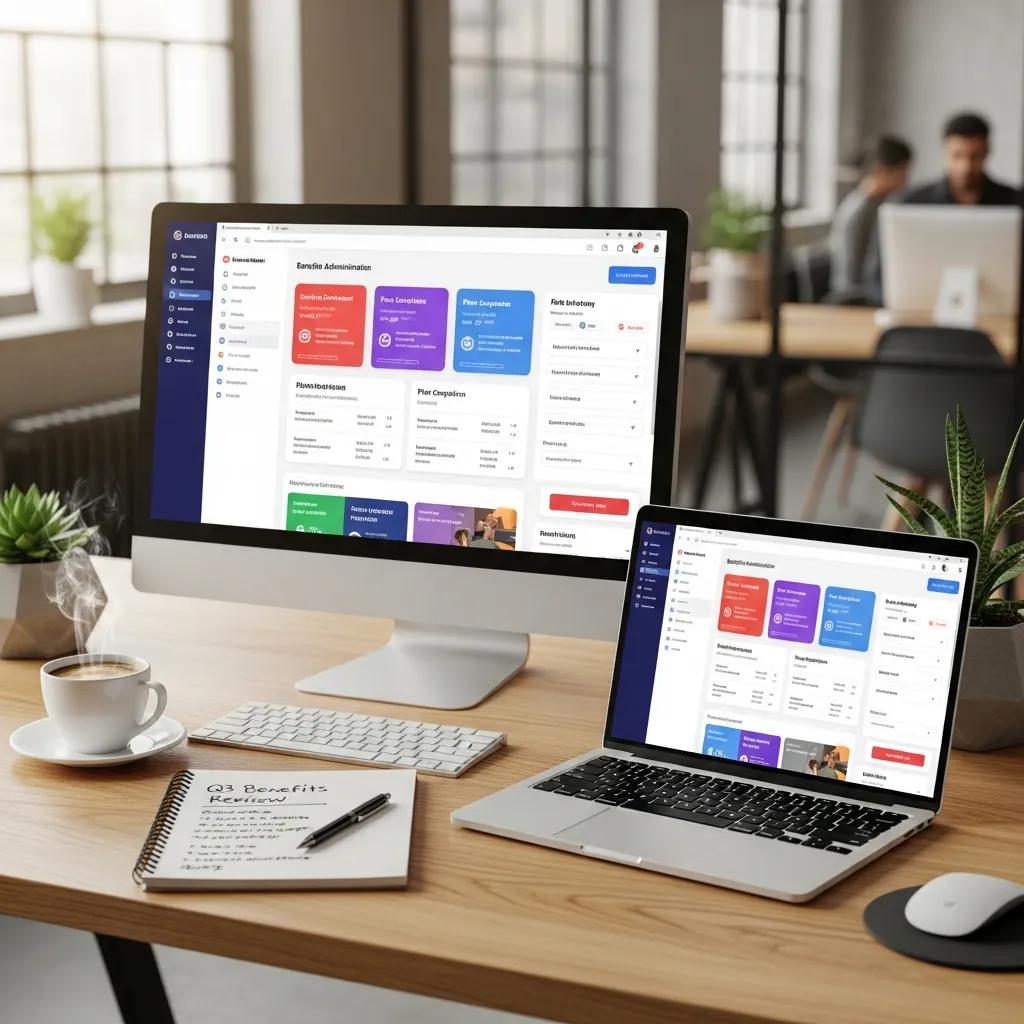
Effective benefits administration is essential for maximizing the value of employee benefits. Here are some best practices to consider:
- Streamlining Benefits Enrollment: Simplifying the enrollment process can enhance employee experience and ensure that employees understand their options. Utilizing technology to facilitate online enrollment can make the process more efficient.
- Communicating Benefits to Employees: Clear communication about available benefits is vital for employee engagement. Regularly updating employees on their benefits and any changes can help them make informed decisions.
- Utilizing Technology for Administration: Implementing benefits administration software can streamline processes, reduce errors, and improve overall efficiency. Technology can also provide valuable data insights to help employers make informed decisions about their benefits offerings.
- Regularly Reviewing Benefits Packages: Periodically assessing the effectiveness of benefits packages ensures that they remain competitive and aligned with employee needs. Gathering employee feedback can provide insights into which benefits are most valued.
By following these best practices, employers can enhance their benefits administration and create a more supportive work environment.
Benefits of Employee Benefits Consulting
Engaging with an employee benefits broker like CFH Insurance Consultants can provide significant advantages for Michigan businesses. These brokers specialize in navigating the complexities of employee benefits and can offer tailored solutions that meet the unique needs of each organization. Some key benefits of working with a broker include:
- Expert Guidance: Brokers have in-depth knowledge of the insurance market and can help businesses identify the best plans for their employees.
- Cost Management: A broker can assist in managing benefits costs by negotiating with insurance providers and finding cost-effective solutions.
- Compliance Support: Brokers stay updated on regulatory changes and can help businesses remain compliant with state and federal laws.
- Customized Solutions: Brokers can design benefits packages that align with the specific needs of a business and its workforce, ensuring that employees receive the support they need.
To learn more or get started, contact us today. We are here to help you navigate the complexities of employee benefits and find the best solutions for your business.
Final Insights on Employee Benefits Optimization in Michigan
In conclusion, understanding employee benefits is essential for businesses in Michigan looking to attract and retain top talent. By offering a comprehensive benefits package that includes group health insurance, QSEHRA and ICHRA plans, dental and vision insurance, and more, employers can create a supportive work environment. Additionally, staying compliant with regulations and implementing best practices in benefits administration can further enhance the effectiveness of these offerings. Partnering with a specialized employee benefits broker like CFH Insurance Consultants can provide valuable guidance and support in navigating this complex landscape.
Send us your renewal.
We’ll tell you whether it looks competitive, where we see opportunity, and the five questions we’d put to your carrier. No cost, and no obligation to move anything.
The renewal letter
Your current plan summary
Contribution split by tier
Enrolled counts by tier
Four documents — two more if your group is 50 or more. Nothing else; every extra one is a reason to postpone.

An independent employee benefits consulting firm. We look at the entire benefits program — cost, plan performance, risk and administration.
Bloomfield Hills, MI 48304
248.370.8853
Colorado Springs, CO 80921
719.425.2649
Houston, TX 77084
281.404.5670
Cookies on this site
We use cookies to keep the site working properly and to understand how it is used. You can decline anything that is not essential. See our Privacy Policy for the detail.
- Essential — needed for the site to load and for you to move around it. These cannot be switched off.
- Analytics — tell us which pages get read, so we know what is worth writing more of.
- Advertising — set by third parties such as ad and social platforms to measure and target campaigns.