


By CFH Insurance Consultants, CFH Insurance Consultants
In today’s dynamic business landscape, effectively managing healthcare expenditures while fostering a culture of health and wellness among employees remains a primary focus for organizations. Preventive Care and Wellness Incentives Health Plans have emerged as essential components in this strategy, encouraging proactive health management and facilitating early detection and intervention. According to CFH Insurance Consultants, Principal at CFH Insurance Consultants, “Preventive care is the single most effective tool small businesses have to combat rising healthcare costs. By incentivizing employees to get their annual physicals and screenings, employers can catch chronic conditions early, before they turn into expensive medical claims.” This comprehensive article examines how these targeted wellness programs not only reduce healthcare costs but also enhance overall employee productivity, job satisfaction, and organizational resilience. Professionals and decision-makers will gain insights into diverse types of employee wellness incentives, understand their broad financial and operational impacts, and explore practical implementation steps for designing effective, sustainable wellness initiatives aligned with ACA preventive care mandates. Through detailed exploration, the article highlights how strategic wellness programs improve preventive care engagement, support chronic disease management, and integrate seamlessly with group health insurance costs solutions to optimize value. For more detailed strategies on wellness initiatives, readers can also refer to our comprehensive wellness programs guide.
Understanding ACA Preventive Care Mandates in Employee Wellness Health Plans
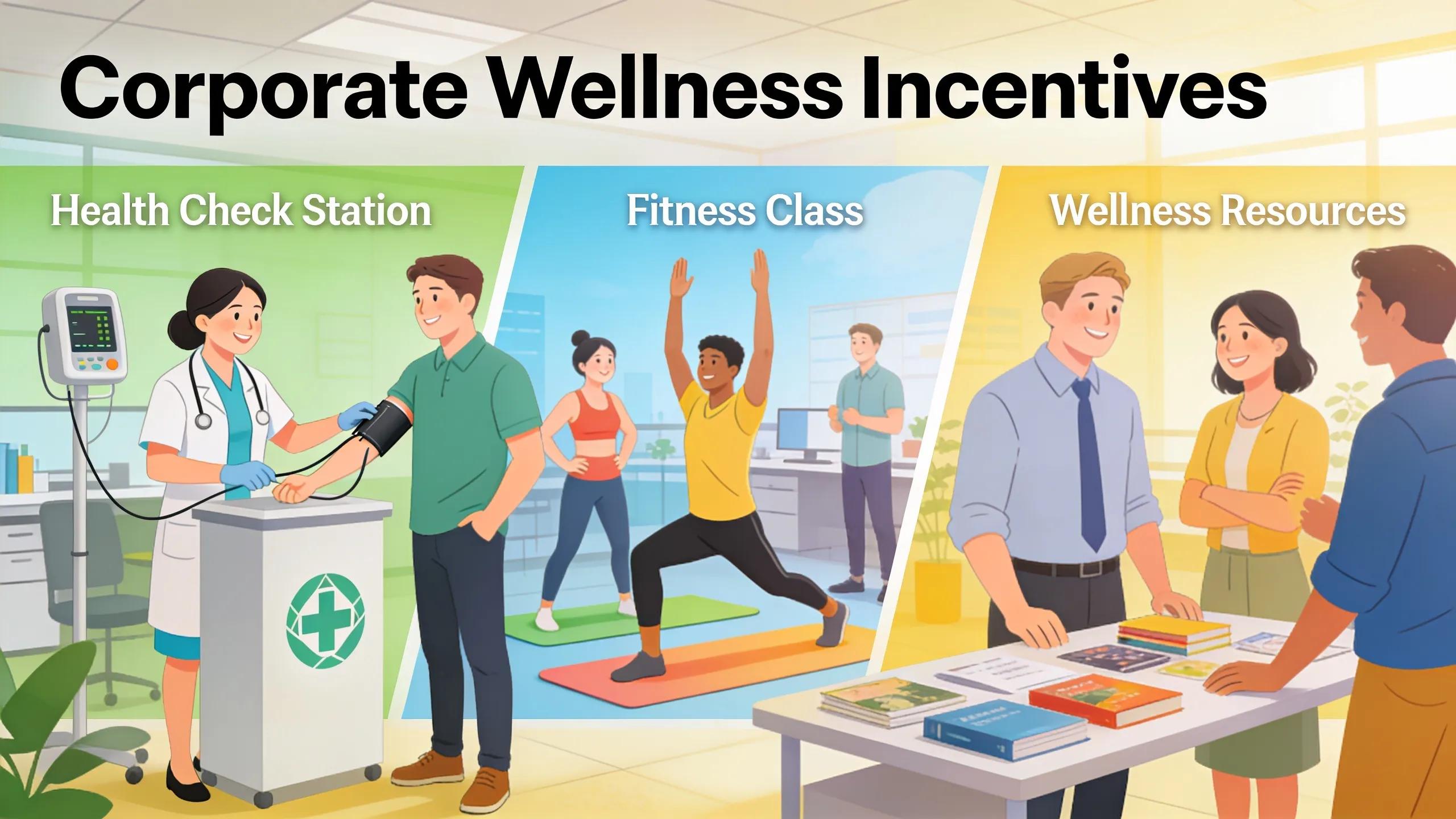
Preventive Care and Wellness Incentives Health Plans leverage the Affordable Care Act (ACA) preventive care mandates to encourage utilization of essential health screenings and services without cost-sharing. Employee wellness incentives serve as powerful motivators that drive increased participation in preventive care services, ultimately reducing the risk of chronic conditions and costly medical interventions. These incentives can encompass a spectrum, including monetary rewards, health insurance premium discounts, paid time off for health activities, and meaningful recognition programs. By aligning wellness benefits with employees’ intrinsic and extrinsic motivations, organizations foster higher engagement rates, which directly contribute to enhanced health outcomes and long-term cost containment. Moreover, these incentives complement the features and benefits found within group health insurance costs plans, creating a cohesive approach to employee health management.
Which preventive health screenings and services are most incentivized under ACA guidelines?
Leading organizations prioritize a variety of clinically proven preventive health screenings and services within their wellness programs that align with ACA mandates, including: employer healthcare compliance services.
- Annual Comprehensive Health Assessments: Detailed evaluations facilitating early identification of potential health risks.
- Vaccination Initiatives: Programs offering influenza, pneumonia, HPV, and other immunizations to prevent infectious diseases.
- Chronic Disease Risk Screenings: Assessments for diabetes, hypertension, cholesterol, and metabolic syndrome indicators.
Empirical evidence demonstrates that incentivizing these preventive services can boost participation rates significantly, sometimes by over 50%, reflecting a substantial reduction in subsequent acute healthcare episodes and associated costs.
How do QSEHRA and ICHRA health reimbursement arrangements support preventive care in wellness health plans?
Qualified Small Employer Health Reimbursement Arrangements (QSEHRA) and Individual Coverage Health Reimbursement Arrangements (ICHRA) provide flexible, tax-advantaged employer-funded accounts that employees can use to cover eligible medical expenses, including preventive care services. By leveraging these arrangements, employers empower employees to access individual health insurance plans or pay for wellness-related expenditures without increasing direct employer medical claims liabilities.
For example, employers can reimburse costs related to health screenings, wellness coaching, preventive treatment, or wellness program fees. This financial facilitation incentivizes employees to engage in regular preventive care, cultivating a healthier workforce and contributing to reduced absenteeism and healthcare spend over time.
How Preventive Care Incentives Reduce Employer Healthcare Costs

Comprehensive workplace wellness programs supported by Preventive Care and Wellness Incentives Health Plans deliver measurable return on investment (ROI) by reducing healthcare premiums and other associated costs. By incorporating multi-faceted resources and targeted incentives, these programs can significantly offset medical claims and improve overall workforce health.
How much ROI can employers expect from preventive care and wellness programs?
Research consistently shows that employers may realize savings ranging from $3 to $6 for every dollar invested in well-designed preventive care and wellness programs. These savings arise through reductions in emergency care utilization, hospital admissions, chronic disease complications, disability claims, and improved workforce productivity and morale. For example, a $100,000 investment in employee wellness could translate into $300,000 to $600,000 in aggregate healthcare cost savings within a few years.
What cost-saving strategies contribute to healthcare premium reductions?
To optimize cost savings, organizations implement strategies such as: cost management
- Focused Health Promotion Campaigns: Tailoring messaging to prevalent health concerns within the employee base.
- Strategic Negotiations with Insurers: Collaborating with health insurance providers to secure premium discounts and incentives tied to wellness program participation.
- Encouraging Routine Preventive Screenings: Facilitating employee access to screenings that identify health issues early, minimizing costly interventions.
These strategies not only reduce healthcare premiums but also enhance employee health engagement and satisfaction.
Michigan Employer Guidelines for Implementing Preventive Care and Wellness Incentives Health Plans
Michigan employers implementing Preventive Care and Wellness Incentives Health Plans must align programs with local regulations and best practices to ensure compliance and maximize impact. Adhering to these guidelines protects employee rights and fosters sustainable wellness cultures.
What are the key compliance rules and best practices for Michigan employers?
- Ensure alignment with the Americans with Disabilities Act (ADA), Genetic Information Nondiscrimination Act (GINA), and Health Insurance Portability and Accountability Act (HIPAA).
- Maintain voluntary participation policies with clear, transparent communication about program objectives and privacy safeguards.
- Stay within IRS limits on wellness incentive values, especially for health-contingent programs, avoiding exceeding 30% of employee-only health coverage costs.
- Collaborate with licensed Michigan benefits consultants, such as CFH Insurance Consultants, to accurately navigate IRS and Employee Retirement Income Security Act (ERISA) regulations.
- Conduct regular program evaluations and incorporate employee feedback for continuous improvement.
How can Michigan small businesses benefit from preventive care and wellness health plans?
Small businesses in Michigan that adopt comprehensive preventive care and wellness incentives aligned with ACA mandates and local guidelines often experience significant cost savings, reduced absenteeism, enhanced employee morale, and a competitive advantage in attracting top talent. Local expertise ensures that programs are tailored effectively to meet workforce needs and regulatory requirements.
Comparing Types of Wellness Incentives in Preventive Care and Wellness Health Plans
Best Practices for Implementing Preventive Care and Wellness Incentives Health Plans
Successful implementation of Preventive Care and Wellness Incentives Health Plans requires deliberate planning, ongoing evaluation, and collaborative engagement with employees and stakeholders.
How to establish measurable wellness program goals and key performance indicators (KPIs)?
Effective goal-setting strategies include:
- Defining Specific, Measurable Objectives: Setting targets like improved biometric readings, increased preventive screening rates, and healthcare cost reductions.
- Incorporating Employee Feedback: Using surveys and focus groups to gather insights and identify participation barriers.
- Implementing Robust Data Tracking: Utilizing digital platforms to monitor wellness activity, health outcomes, and financial metrics.
These measures enable continuous program refinement and demonstrate value to organizational leadership.
What resources support program adoption and sustained employee engagement?
Essential assets include:
- Dedicated Digital Wellness Portals: Centralized resources for education, tracking, and program access.
- Mobile Applications: Tools for goal setting, health activity logging, and personalized insights.
- Professional Wellness Coaching: Access to certified experts providing personalized health and behavior support.
Providing these helps maintain participant motivation and supports long-term healthy behaviors.
Case Study: How a Lansing Manufacturer Reduced Absenteeism by 25% with Preventive Care and Wellness Incentives Health Plans
A manufacturing company based in Lansing, Michigan, with 30 employees faced significant challenges with high absenteeism and escalating health insurance premiums, which were costing thousands of dollars in lost productivity annually. Seeking a solution, the company partnered with CFH Insurance Consultants to develop a targeted wellness incentive program aligned with ACA preventive care mandates and Michigan employer compliance guidelines.
The Solution: CFH Insurance Consultants designed a voluntary wellness incentive program offering employees a $50 monthly premium discount for completing an annual preventive physical and a biometric screening. This program leveraged preventive care mandates under the ACA and incorporated strict confidentiality protocols complying with HIPAA.
The Results: Within 12 months, participation reached 85%, reflecting strong engagement fostered by the program’s voluntary nature and alignment with employees’ health goals. Absenteeism dropped by 25%, and the company’s health insurance premium renewal rates stabilized, generating estimated savings of $15,000 in combined healthcare and productivity costs. CFH Insurance Consultants reflects, “The key to a successful wellness program is keeping it simple and voluntary. Employees need to feel supported, not pressured. When you design a program that aligns with their personal health goals, participation—and savings—follow naturally.”
Avoiding Common Wellness Program Implementation Mistakes for Michigan Employers
Michigan businesses should be mindful of common pitfalls when implementing preventive care and wellness incentives to avoid legal and operational risks.
- Mandating program participation: Violates ADA and GINA voluntary participation requirements, risking penalties.
- Neglecting privacy protections: Breaches HIPAA confidentiality standards, potentially damaging trust and compliance.
- Exceeding incentive limits: Offering incentives beyond federal thresholds for health-contingent programs can trigger IRS sanctions.
- Poor program promotion: Lack of effective communication can result in low employee engagement and reduced ROI.
Consulting with experts like CFH Insurance Consultants helps ensure compliant and impactful wellness program design.
Frequently Asked Questions About Preventive Care and Wellness Incentives Health Plans in Michigan
Are wellness incentives taxable to employees under Michigan law?
Wellness incentives generally are not taxable if they qualify as de minimis fringe benefits or reduce health insurance premiums; however, tax implications vary. Employers should consult tax advisors to ensure adherence to IRS guidelines.
Can wellness incentives be offered to employees enrolled in the Healthy Michigan Plan?
Yes, with compliance to federal and state regulations, including voluntary participation and HIPAA protections, wellness incentives may be offered to employees on the Healthy Michigan Plan. Coordination with plan administrators is recommended.
What qualifies as “preventive care” under the ACA for wellness programs?
The ACA defines preventive care broadly, encompassing screenings, immunizations, counseling, and regular exams without cost-sharing. Aligning wellness program incentives with these services ensures compliance and maximizes employee benefits.
How is the ROI of a preventive care and wellness program measured?
ROI measurement includes analysis of direct savings from reduced medical claims and premiums as well as indirect benefits like improved productivity and lowered absenteeism. Robust data collection and analytics tools support accurate monitoring and program adjustments.
Send us your renewal.
We’ll tell you whether it looks competitive, where we see opportunity, and the five questions we’d put to your carrier. No cost, and no obligation to move anything.
The renewal letter
Your current plan summary
Contribution split by tier
Enrolled counts by tier
Four documents — two more if your group is 50 or more. Nothing else; every extra one is a reason to postpone.

An independent employee benefits consulting firm. We look at the entire benefits program — cost, plan performance, risk and administration.
Bloomfield Hills, MI 48304
248.370.8853
Colorado Springs, CO 80921
719.425.2649
Houston, TX 77084
281.404.5670
Cookies on this site
We use cookies to keep the site working properly and to understand how it is used. You can decline anything that is not essential. See our Privacy Policy for the detail.
- Essential — needed for the site to load and for you to move around it. These cannot be switched off.
- Analytics — tell us which pages get read, so we know what is worth writing more of.
- Advertising — set by third parties such as ad and social platforms to measure and target campaigns.