


Employee Wellness Programs: Maximizing Health Benefits and Engagement
Employee wellness programs are structured initiatives designed to improve the health and well-being of employees while fostering a positive workplace culture. These programs encompass a variety of activities and resources aimed at promoting physical, mental, and emotional health. As employers increasingly recognize the importance of employee engagement and productivity, wellness programs have become essential components of comprehensive employee benefits packages. This guide will explore the significance of employee wellness programs, best practices for implementation, effective initiatives, and measurable outcomes that demonstrate their value to organizations.
In this article, we will delve into the best practices for employee wellness programs, strategies for effective implementation, and the types of initiatives that yield the best results. Additionally, we will discuss how to measure the success of these programs and the role of health insurance benefits in enhancing employee wellness.
Comprehensive Guide for Employers on Employee Wellness Programs
Employee wellness programs are vital for fostering a healthy work environment and enhancing employee satisfaction. These programs typically include health screenings, fitness challenges, mental health support, and wellness resources that cater to the diverse needs of employees. By investing in wellness initiatives, employers can reduce healthcare costs, improve employee morale, and increase productivity.
The importance of employee wellness programs cannot be overstated, as they contribute to a culture of health and well-being within the organization. Employers who prioritize wellness initiatives often see a significant return on investment through reduced absenteeism, lower healthcare costs, and improved employee retention rates.
Research consistently highlights the widespread adoption and effectiveness of workplace wellness programs, particularly among larger organizations.
Workplace Wellness Programs: Offerings, Incentives & Participation
This article leverages existing data on wellness programs to explore patterns of wellness program availability, employers’ use of incentives, and program participation and utilization among employees. Researchers used two sets of data for this project: The first included data from the 2012 RAND Employer Survey, which used a nationally representative sample of U.S. employers that had detailed information on wellness program offerings, program uptake, incentive use, and employer characteristics. These data were used to answer questions on program availability, configuration, uptake, and incentive use. The second dataset included health care claims and wellness program information for a large employer. These data were analyzed to predict program participation and changes in utilization and health. The findings underscore the increasing prevalence of worksite wellness programs. About four-fifths of all U.S. employers with more than 1,000 employees are estimated to offer such
Workplace wellness programs: services offered, participation, and incentives, S Mattke, 2015
1. Introduction
The modern workplace is evolving, and with it, the expectations of employees regarding their health and well-being. Employee wellness programs are designed to address these expectations by providing resources and support that promote a healthier lifestyle. These programs not only benefit employees but also enhance organizational performance by fostering a more engaged and productive workforce.
As employers seek to create a supportive work environment, understanding the components and benefits of wellness programs becomes crucial. This article will outline the best practices for implementing effective wellness initiatives, explore various strategies for success, and highlight measurable outcomes that demonstrate the impact of these programs on employee health and productivity.
2. Best Practices for Employee Wellness Programs

Implementing a successful employee wellness program requires careful planning and consideration of best practices. Here are some key strategies to ensure the effectiveness of wellness initiatives:
- Conduct Comprehensive Health Assessments: Understanding the specific health needs of employees is essential for tailoring wellness programs. Regular health assessments can help identify areas of concern and inform the development of targeted initiatives.
- Promote Participation Through Incentives: Encouraging employee participation is critical for the success of wellness programs. Offering incentives, such as discounts on health insurance premiums or wellness-related rewards, can motivate employees to engage in healthy behaviors.
- Foster a Supportive Culture: Creating a workplace culture that prioritizes health and wellness is vital. Employers should promote open communication about wellness initiatives and encourage employees to support one another in their health journeys.
- Utilize Technology for Engagement: Leveraging technology, such as wellness apps and online platforms, can enhance employee engagement and provide easy access to wellness resources. These tools can facilitate tracking progress and connecting employees with health professionals.
- Evaluate and Adapt Programs Regularly: Continuous evaluation of wellness programs is essential for ensuring their effectiveness. Employers should gather feedback from employees and analyze participation rates to make necessary adjustments and improvements.
Following these best practices can help employers create a robust wellness program that meets the needs of their workforce while maximizing engagement and participation.
3. Implementation Strategies
Implementing an employee wellness program involves several strategic steps to ensure its success. Here are some effective strategies for employers:
- Set Clear Goals and Objectives: Establishing specific, measurable goals for the wellness program is crucial. These goals should align with the overall objectives of the organization and address the health needs of employees.
- Involve Employees in the Planning Process: Engaging employees in the development of wellness initiatives can lead to higher participation rates. Employers should seek input from employees to understand their preferences and interests regarding wellness activities.
- Leverage Existing Resources: Many organizations already have resources that can be utilized for wellness programs, such as health insurance providers and local fitness centers. Collaborating with these resources can enhance the program’s offerings without incurring significant costs.
- Communicate Effectively: Clear and consistent communication is essential for promoting wellness programs. Employers should use various channels, such as newsletters, emails, and meetings, to inform employees about available resources and initiatives.
- Monitor Progress and Adjust as Needed: Regularly tracking the progress of wellness initiatives allows employers to identify areas for improvement. Adjusting programs based on employee feedback and participation rates can enhance their effectiveness.
By following these implementation strategies, employers can create a successful wellness program that meets the needs of their workforce and contributes to a healthier workplace.
4. Effective Wellness Initiatives
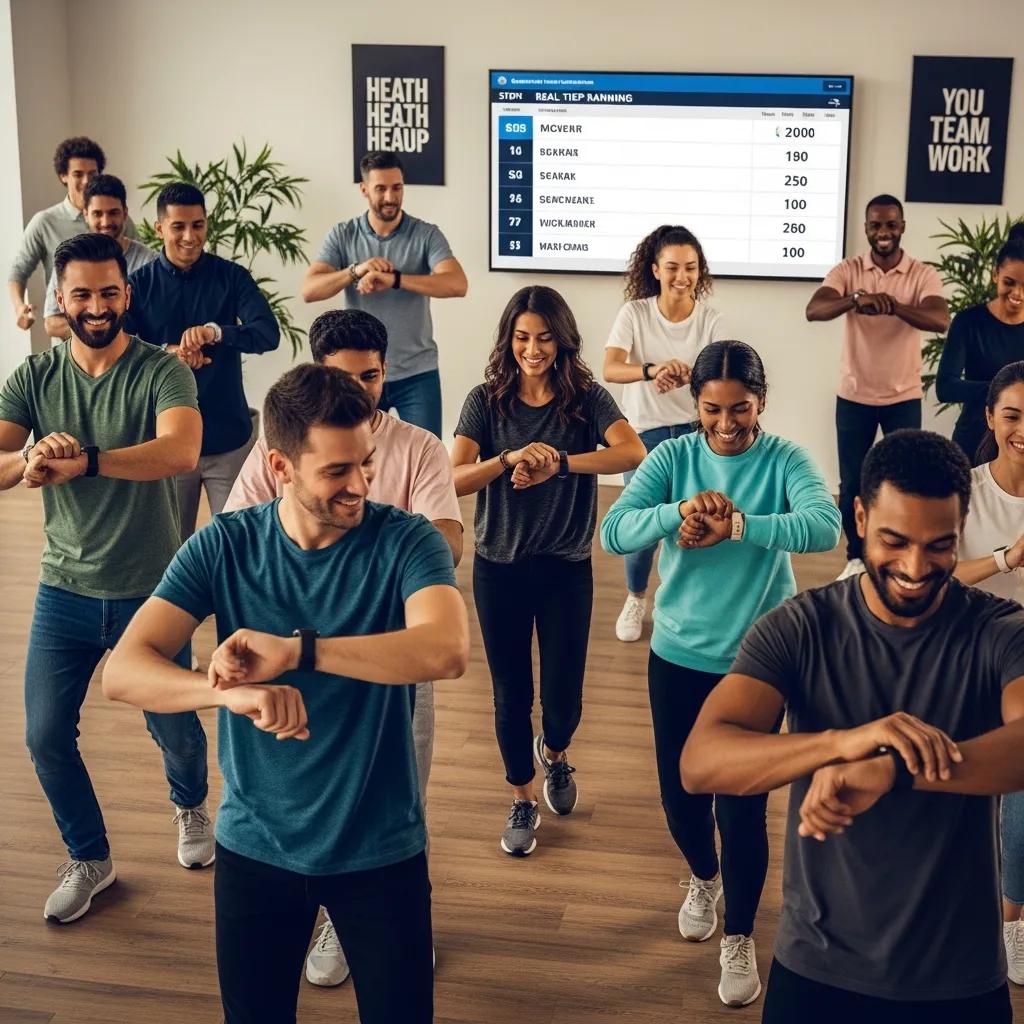
There are numerous wellness initiatives that employers can implement to promote employee health and well-being. Here are some effective examples:
- Fitness Challenges: Organizing fitness challenges, such as step competitions or group workouts, can encourage employees to engage in physical activity and foster camaraderie among colleagues.
- Mental Health Support Programs: Providing access to mental health resources, such as counseling services or stress management workshops, can help employees cope with stress and improve their overall well-being.
- Health Screenings and Assessments: Offering regular health screenings, such as blood pressure checks and cholesterol screenings, can help employees identify potential health issues early and take proactive steps to address them.
- Nutritional Guidance: Providing resources and workshops on healthy eating can empower employees to make better dietary choices, leading to improved health outcomes.
- Work-Life Balance Initiatives: Encouraging flexible work arrangements and promoting work-life balance can help reduce stress and improve employee satisfaction.
These initiatives can significantly enhance employee engagement and contribute to a healthier workplace culture.
5. Measurable Outcomes
Measuring the success of employee wellness programs is essential for demonstrating their value to the organization. Here are some key outcomes to consider:
When evaluating the impact of these initiatives, it’s crucial to consider various metrics beyond just financial return, including employee engagement and behavioral changes.
Evaluating Employee Wellness Programs: ROI & Engagement Metrics
What criteria should be used to evaluate the impact of a new employee wellness program when the initial vendor contract expires? Published academic literature focuses on return-on-investment as the gold standard for wellness program evaluation, and a recent meta-analysis concludes that wellness programs can generate net savings after one or two years. In contrast, surveys indicate that fewer than half of these programs report net savings, and actuarial analysts argue that return-on-investment is an unrealistic metric for evaluatingnewprograms. These analysts argue that evaluation of new programs should focus on contract management issues, such as the vendor’s ability to: (i) recruit employees to participate and (ii) induce behavior change.
Evaluating an employee wellness program, S Mukhopadhyay, 2013
- Improved Employee Health: Tracking changes in employee health metrics, such as weight loss, reduced blood pressure, and improved mental health, can provide valuable insights into the effectiveness of wellness initiatives.
- Cost Reduction: Analyzing healthcare costs before and after implementing wellness programs can help employers determine the financial impact of their initiatives. Reduced healthcare expenses can lead to significant savings for the organization.
- Increased Productivity: Monitoring employee productivity levels can help assess the impact of wellness programs on overall performance. Healthier employees are often more productive and engaged in their work.
- Higher Employee Retention Rates: Evaluating turnover rates can provide insights into the effectiveness of wellness programs in retaining talent. A positive workplace culture that prioritizes health and well-being can lead to higher employee satisfaction and loyalty.
- Enhanced Employee Engagement: Measuring participation rates in wellness initiatives can help employers gauge employee interest and engagement. Higher participation rates often correlate with improved morale and job satisfaction.
By focusing on these measurable outcomes, employers can demonstrate the effectiveness of their wellness programs and make informed decisions about future initiatives.
This table illustrates the various outcomes that can be measured to assess the effectiveness of employee wellness programs, highlighting the importance of tracking these metrics for continuous improvement.
To further support your employee wellness programs, consider exploring options like dental and vision insurance to provide comprehensive care.
ROI vs. VOI: Understanding the Full Value of Wellness Programs
When evaluating employee wellness programs, it is essential to distinguish between Return on Investment (ROI) and Value on Investment (VOI) to capture the full spectrum of benefits these programs offer.
Return on Investment (ROI) focuses on tangible, financial outcomes such as reduced healthcare claims, lower absenteeism costs, and decreased turnover expenses. ROI is typically expressed as a ratio comparing the financial savings generated by the program to the amount invested. For example, a 2:1 ROI means that for every dollar spent on the wellness program, the company saves two dollars in costs.
Value on Investment (VOI), on the other hand, captures intangible benefits that are harder to quantify but equally important. These include improved employee morale, enhanced company culture, better employee engagement, increased productivity, and a stronger employer brand. VOI reflects the broader impact of wellness programs on organizational health and employee satisfaction.
To effectively measure both ROI and VOI, employers can use a balanced framework incorporating specific metrics and key performance indicators (KPIs):
- ROI Metrics: Healthcare cost savings, absenteeism reduction, turnover cost savings, reduced workers’ compensation claims.
- VOI Metrics: Employee satisfaction and engagement survey scores, productivity measures, employer brand perception, employee retention rates, participation rates in wellness activities.
Industry benchmarks for wellness program ROI in 2026 typically range from 1.5:1 to 3:1, depending on program scope and employee demographics. For example, a mid-market manufacturing company with 200 employees invested $50,000 in a comprehensive wellness program and saw $125,000 in reduced healthcare costs, achieving a 2.5:1 ROI. Additionally, the company reported measurable improvements in employee satisfaction scores, reflecting significant VOI.
Presenting VOI to C-suite executives who may be skeptical of “soft” metrics requires a strategic approach. Using a balanced scorecard that combines financial and non-financial outcomes can demonstrate how wellness programs contribute to both the bottom line and organizational culture. Visual dashboards, case studies, and employee testimonials can further illustrate the program’s comprehensive value.
By integrating ROI and VOI into wellness program evaluation, employers can make a compelling case for continued investment and program enhancement.
Legal Compliance Requirements for Employee Wellness Programs
HIPAA Privacy and Wellness Programs
The Health Insurance Portability and Accountability Act (HIPAA) applies to wellness programs that collect, store, or transmit employee health information. Employers must understand how HIPAA regulations impact their wellness initiatives to ensure compliance and protect employee privacy.
Wellness programs are generally categorized as either participatory or health-contingent. Participatory programs do not require employees to provide health data and typically involve activities like attending health education sessions. Health-contingent programs require health screenings or biometric data collection, such as blood pressure or cholesterol levels.
For health-contingent programs, employers must obtain proper authorization before collecting Protected Health Information (PHI). This includes providing clear notices about the purpose of data collection, how the data will be used, and employees’ rights regarding their information.
Employers must adhere to the “minimum necessary” standard, collecting only the health data essential for the wellness program’s operation. Additionally, secure storage and transmission protocols must be in place to protect employee health data from unauthorized access or breaches.
Violations of HIPAA can result in significant penalties, with fines up to $50,000 per violation depending on the severity and willfulness of the breach. Employers should conduct regular audits and training to maintain compliance.
ADA Compliance in Wellness Program Design
The Americans with Disabilities Act (ADA) influences how wellness programs are designed, particularly regarding incentives and participation requirements. The Equal Employment Opportunity Commission (EEOC) provides guidance that wellness program incentives must be voluntary and generally should not exceed 30% of the cost of health coverage.
Employers must provide reasonable accommodations for employees with disabilities who cannot participate in certain wellness activities. For example, an employee with mobility limitations may be offered alternative ways to meet program goals.
The ADA prohibits disability-related inquiries unless they are job-related and consistent with business necessity. Wellness programs must avoid questions or requirements that could be construed as discriminatory.
Employers should also establish alternative standards for employees who cannot meet health-based goals due to medical conditions, ensuring equitable access to incentives and program benefits.
GINA and Genetic Information Protection
The Genetic Information Nondiscrimination Act (GINA) strictly prohibits the collection of genetic information, including family medical history, as part of wellness programs. This means that health risk assessments or screenings must be carefully designed to avoid requesting or requiring genetic data.
Employers should include safe harbor language and proper disclaimers in wellness program materials to clarify that genetic information is not being collected or used. For example, family medical history questions should be optional and clearly separated from other health questions.
Violations of GINA can result in enforcement actions and penalties. Recent cases have underscored the importance of compliance, with fines and corrective measures imposed on employers who inadvertently collected prohibited information.
ACA Wellness Program Rules
The Affordable Care Act (ACA) establishes specific regulations for health-contingent wellness programs. To comply, programs must meet five key requirements:
- Reasonable Chance of Success: The program must have a reasonable likelihood that employees can meet the health standard.
- Frequency: Employees must be given the opportunity to qualify for the reward at least once per year.
- Uniform Availability: The program must be available to all similarly situated individuals.
- Reasonable Alternative Standards: Employees who cannot meet the health standard due to medical conditions must be offered a reasonable alternative.
- Disclosure Requirements: Employers must provide clear, written disclosures about the program’s terms, conditions, and incentives.
The ACA limits incentives for wellness programs to 30% of the cost of health coverage, with a higher limit of 50% for tobacco cessation programs. Employers should use sample disclosure language in communications to ensure transparency and compliance.
Step-by-Step Implementation Roadmap for Mid-Market Employers
Phase 1: Assessment and Planning (Months 1-2)
- Conduct employee needs assessment through surveys, focus groups, and health risk assessments to identify priorities.
- Analyze current healthcare utilization data and identify key cost drivers to target.
- Benchmark wellness program offerings and outcomes against industry standards for similar-sized companies.
- Secure executive sponsorship and budget approval to ensure organizational support.
- Form a wellness committee with representatives from HR, benefits, management, and employees to guide program development.
- Define clear, measurable goals aligned with business objectives, such as reducing absenteeism or improving mental health.
Phase 2: Program Design (Months 2-3)
- Select wellness program components based on employee needs and budget, including biometric screenings, health coaching, fitness challenges, mental health resources, nutrition education, and smoking cessation.
- Design an incentive structure that complies with ADA, HIPAA, and GINA requirements to encourage participation while maintaining legal compliance.
- Develop a comprehensive communication and marketing strategy to promote the program effectively.
- Select technology platforms or vendor partners to facilitate program delivery and data management.
- Create program policies and procedures to ensure consistency and clarity.
- Establish data privacy and security protocols to protect employee information.
Phase 3: Pilot and Launch (Months 4-6)
- Conduct a pilot program with a volunteer group of 50-100 employees to test program elements and gather feedback.
- Refine program components based on pilot results to enhance effectiveness and engagement.
- Develop a comprehensive communication campaign using emails, posters, intranet, manager toolkits, and benefits fair materials.
- Train managers and wellness champions to support and encourage employee participation.
- Launch the program company-wide with a kickoff event to generate excitement and awareness.
- Ensure an easy enrollment process and provide clear participation instructions to maximize engagement.
Phase 4: Ongoing Management and Optimization (Months 7-12 and beyond)
- Monitor participation rates weekly or monthly to track engagement trends.
- Track engagement metrics and health outcomes to assess program impact.
- Provide regular communications and reminders to sustain interest and participation.
- Recognize and reward participants to reinforce positive behaviors.
- Conduct quarterly program reviews with the wellness committee to evaluate progress and identify improvements.
- Adjust program elements based on data and employee feedback to maintain relevance and effectiveness.
- Measure ROI and VOI annually to demonstrate value and inform decision-making.
- Plan for program renewal and enhancements to ensure continuous improvement.
Industry-Specific Wellness Program Case Studies
Manufacturing: Reducing Workplace Injuries and Healthcare Costs
Case Study: A 250-employee manufacturing company in Michigan faced high rates of musculoskeletal injuries and rising workers’ compensation costs. To address these challenges, the company implemented ergonomic assessments, on-site physical therapy, stretch-and-flex programs, and injury prevention training.
Results: Over 18 months, the company achieved a 35% reduction in workplace injuries, $180,000 savings in workers’ compensation costs, and a 28% decrease in lost-time incidents.
Key Success Factors: Management commitment, employee involvement in program design, and integration with existing safety programs were critical to success.
Professional Services: Addressing Burnout and Mental Health
Case Study: An accounting firm with 180 employees experienced high stress during tax season, increasing mental health claims, and challenges with work-life balance. The firm introduced flexible work arrangements, mental health days, an Employee Assistance Program (EAP) with expanded counseling sessions, mindfulness training, and manager mental health awareness training.
Results: The firm saw a 42% reduction in mental health-related absences, a 15% improvement in employee engagement scores, and a 25% decrease in turnover during peak season.
Key Success Factors: Leadership modeling healthy behaviors, reducing stigma around mental health, and providing year-round support were essential.
Healthcare: Supporting the Supporters
Case Study: A regional hospital system with 300 employees faced nurse burnout, compassion fatigue, and high turnover in clinical roles. The hospital implemented peer support groups, resilience training, an on-site fitness center with subsidized memberships, healthy cafeteria options, and shift-based wellness activities.
Results: The hospital achieved an 18% reduction in nurse turnover, a 31% improvement in job satisfaction scores, and $420,000 savings in recruitment and training costs.
Key Success Factors: Tailoring programs to shift workers, addressing unique stressors of healthcare work, and creating a culture of self-care contributed to success.
These case studies demonstrate how tailored wellness programs can address industry-specific challenges while delivering measurable benefits. Employers can leverage these insights to design effective initiatives that resonate with their workforce.
For additional resources on enhancing employee wellness, consider exploring topics such as Group Health Insurance, QSEHRA, ICHRA, Mental Health Benefits, Preventive Care, and Compliance to build a comprehensive employee benefits strategy.
Send us your renewal.
We’ll tell you whether it looks competitive, where we see opportunity, and the five questions we’d put to your carrier. No cost, and no obligation to move anything.
The renewal letter
Your current plan summary
Contribution split by tier
Enrolled counts by tier
Four documents — two more if your group is 50 or more. Nothing else; every extra one is a reason to postpone.

An independent employee benefits consulting firm. We look at the entire benefits program — cost, plan performance, risk and administration.
Bloomfield Hills, MI 48304
248.370.8853
Colorado Springs, CO 80921
719.425.2649
Houston, TX 77084
281.404.5670
Cookies on this site
We use cookies to keep the site working properly and to understand how it is used. You can decline anything that is not essential. See our Privacy Policy for the detail.
- Essential — needed for the site to load and for you to move around it. These cannot be switched off.
- Analytics — tell us which pages get read, so we know what is worth writing more of.
- Advertising — set by third parties such as ad and social platforms to measure and target campaigns.