

Commercial Property & Casualty Insurance in Michigan: Essential Coverage and Broker Services for Businesses
By CFH Insurance Consultants, CFH Insurance Consultants
Commercial property and casualty insurance is a cornerstone of risk management for businesses operating in Michigan. Given the state’s unique economic landscape, regulatory environment, and exposure to specific risks such as severe weather, Michigan businesses require tailored insurance solutions that provide comprehensive protection. This article delves deeply into the essential coverage types, regulatory requirements, and the critical role of insurance brokers, with actionable advice for employers seeking to optimize their insurance portfolios and employee benefits integration.
Essential Coverage Options for Michigan Businesses
Michigan businesses face a variety of risks that necessitate a robust insurance strategy. Below, we explore the key commercial property and casualty insurance coverages, enriched with Michigan-specific examples and practical insights.
General Liability Insurance
General liability insurance is fundamental for Michigan businesses, protecting against third-party claims of bodily injury, property damage, and personal injury. For example, a retail store in Detroit might face a slip-and-fall lawsuit if a customer is injured on icy sidewalks during winter. General liability insurance covers legal defense costs, settlements, and judgments, helping businesses avoid crippling financial losses. Michigan’s premises liability laws emphasize the importance of maintaining safe business environments, making this coverage indispensable.
Commercial Property Insurance
This coverage protects physical assets such as buildings, equipment, and inventory from risks including fire, theft, vandalism, and weather-related damage. Michigan’s climate, with its heavy snowfall and occasional flooding, increases the likelihood of property damage. For instance, a manufacturing plant in Grand Rapids may suffer roof damage from ice dams or flooding from spring thaw. Commercial property insurance ensures that repair or replacement costs are covered, minimizing operational downtime.
Business Interruption Insurance

Business interruption insurance is critical for Michigan businesses vulnerable to natural disasters or other covered events that temporarily halt operations. For example, a restaurant in Flint forced to close due to flooding can use this coverage to offset lost income and ongoing expenses such as rent and payroll. This insurance helps maintain cash flow and supports recovery efforts, which is especially important in Michigan’s flood-prone areas.
Workers’ Compensation Insurance
Michigan mandates workers’ compensation insurance for all employers with one or more employees, including part-time workers. This coverage provides wage replacement and medical benefits to employees injured on the job, while also protecting employers from lawsuits related to workplace injuries. For example, a construction company in Troy must comply with Michigan’s Workers’ Disability Compensation Act, which outlines specific benefit levels and reporting requirements. Employers should regularly review their policies to ensure compliance with evolving state regulations and to integrate safety programs that reduce workplace injuries.
Professional Liability Insurance (Errors & Omissions)
Service-based businesses such as consultants, architects, and legal firms in Michigan benefit from professional liability insurance, which covers claims arising from negligence, errors, or omissions in professional services. For instance, a Detroit-based engineering firm may face claims if a design flaw leads to project delays or cost overruns. This insurance covers defense costs and settlements, safeguarding the firm’s financial health and reputation.
Cyber Liability Insurance
With Michigan businesses increasingly reliant on digital infrastructure, cyber liability insurance has become essential. This coverage addresses risks from data breaches, ransomware attacks, and other cyber threats. For example, a healthcare provider in Ann Arbor handling sensitive patient data must comply with HIPAA regulations and state privacy laws. Cyber liability insurance not only covers financial losses but also assists with regulatory compliance, breach notification, and crisis management.
Beyond financial protection, cyber insurance providers often act as compliance partners, helping Michigan businesses navigate complex privacy laws and data security requirements.
Cyber Insurance: Insurers as Compliance Managers for Businesses
While data theft and cyber risk are major threats facing organizations, existing research suggests that most organizations do not have sufficient protection to prevent data breaches, deal with notification responsibilities, and comply with privacy laws. This article explores how insurance companies play a critical, yet unrecognized, role in assisting organizations in complying with privacy laws and dealing with cyber theft.
Data breach, privacy, and cyber insurance: How insurance companies act as “compliance managers” for businesses, SA Talesh, 2018
Key Broker Services for Michigan Businesses
Insurance brokers in Michigan provide indispensable expertise that helps businesses navigate the complex insurance landscape. Their services extend beyond policy placement to include risk assessment, regulatory compliance guidance, and claims advocacy.
Brokers conduct thorough risk analyses tailored to Michigan’s business environment, identifying coverage gaps and recommending appropriate policies. They leverage relationships with multiple insurers to secure competitive rates and customized coverage options. During claims, brokers act as advocates, facilitating communication with insurers and expediting settlements.
Moreover, brokers assist businesses in integrating employee benefits with commercial insurance, creating cohesive risk management and benefits strategies that enhance employee retention and satisfaction.
Michigan Regulatory Context and Compliance
Understanding Michigan’s regulatory framework is essential for businesses to maintain compliance and optimize insurance coverage.
Workers’ Compensation Requirements
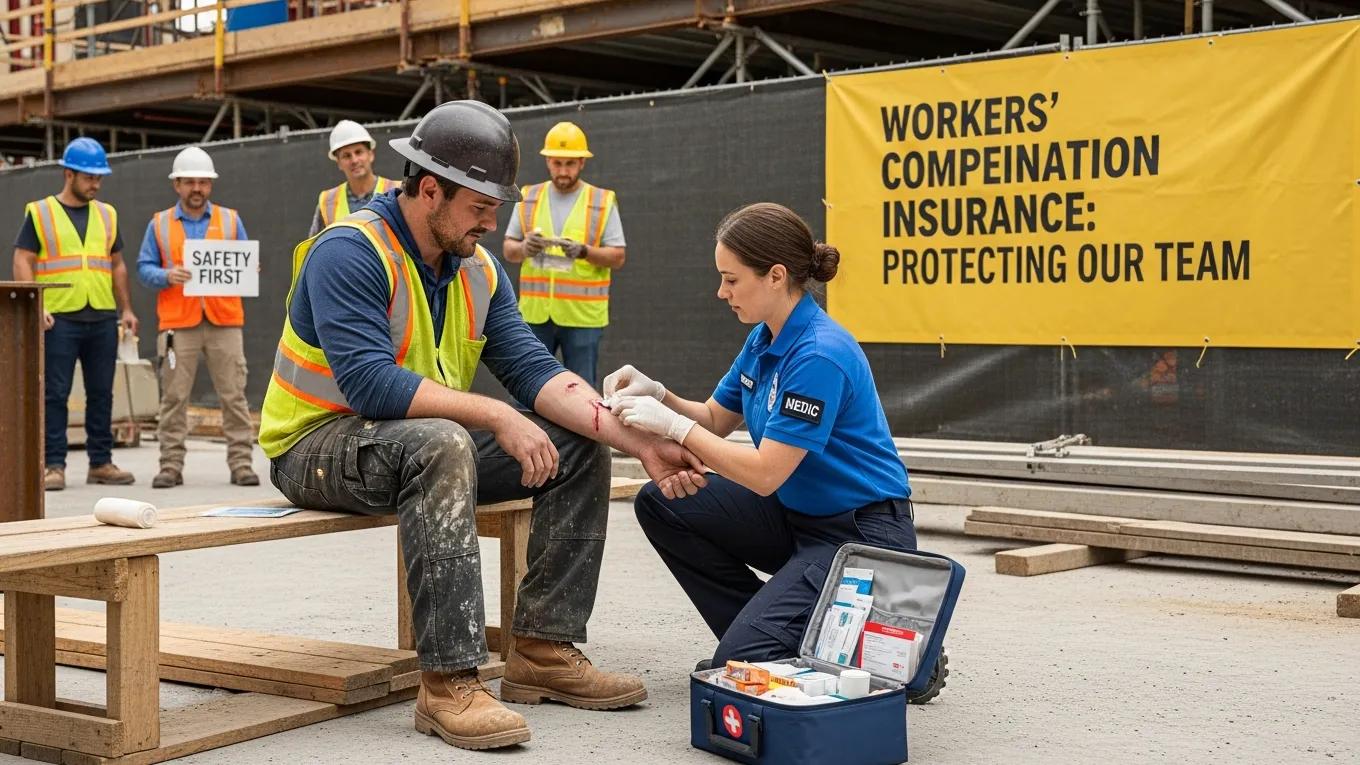
Michigan law requires all employers with one or more employees to carry workers’ compensation insurance or qualify as self-insured. This coverage must comply with the Michigan Workers’ Disability Compensation Act, which specifies benefit levels, reporting procedures, and penalties for non-compliance. Employers should maintain accurate injury records and promptly report claims to avoid fines and legal exposure.
Employers can also implement workplace safety programs to reduce injury rates, which can positively impact their workers’ compensation premiums.
Michigan Workers’ Compensation: Employer Requirements
Public and private Michigan employers are required to have WC insurance. Workers who are not covered by the Workers’ Disability Compensation Act of Michigan.
Use of Michigan Workers’ Compensation Data for Surveillance of Work-Related Injuries and Illnesses, 2020
Impact of State Laws on Commercial Insurance Policies
Michigan’s insurance regulations influence policy terms, coverage mandates, and claims handling. For example, the state’s no-fault auto insurance laws affect commercial auto policies, while building codes and fire safety regulations impact property insurance underwriting. Businesses must stay informed about legislative changes and regulatory updates to ensure their insurance programs remain compliant and effective.
Actionable Advice for Michigan Employers
Employers seeking to optimize their commercial property and casualty insurance should consider the following steps:
- Conduct a comprehensive risk assessment: Evaluate physical assets, operational risks, and employee exposures specific to your Michigan location and industry.
- Engage a knowledgeable local broker: Work with brokers familiar with Michigan’s regulatory environment and market nuances to tailor coverage effectively.
- Integrate workers’ compensation with safety programs: Implement workplace safety training and injury prevention initiatives to reduce claims and premiums.
- Review and update policies annually: Ensure coverage limits and endorsements reflect current business operations and emerging risks such as cyber threats.
- Develop a business continuity plan: Coordinate insurance coverage with operational strategies to minimize downtime during disruptions.
Why Choose Commercial Insurance Brokers in Troy and Oakland County?
Local brokers in Troy and Oakland County bring invaluable regional expertise, understanding the specific insurance challenges faced by Michigan businesses. Their proximity allows for personalized service, on-site consultations, and rapid response to claims or regulatory inquiries. They also maintain strong relationships with regional insurers, often securing better terms and faster underwriting decisions.
Integrating Employee Benefits with Commercial Insurance
Michigan businesses benefit from brokers who can seamlessly integrate employee benefits with commercial insurance programs. This holistic approach ensures that employee health, disability, and workers’ compensation coverages complement each other, reducing administrative complexity and enhancing employee satisfaction. For example, brokers can design benefits packages that include occupational health services, wellness programs, and disability insurance aligned with workers’ compensation policies, promoting workforce well-being and reducing absenteeism.
Common Risk Factors and Claims Considerations for Michigan Businesses
Michigan businesses must proactively manage several risk factors to minimize insurance claims and operational disruptions.
Weather-Related Property Claims
Severe winter storms, flooding, and tornadoes are common in Michigan and can cause significant property damage. Businesses should ensure their property insurance includes coverage for these perils and understand the claims process. For example, after a heavy snowstorm damages a roof, prompt documentation and communication with insurers can expedite repairs and reduce business interruption.
Liability Risks for Small Businesses
Small businesses in Michigan face liability risks such as slip-and-fall accidents, product liability, and professional errors. Implementing safety protocols, maintaining proper signage, and securing adequate liability insurance are critical. For instance, a small retail shop should regularly inspect premises for hazards and train staff on customer safety to reduce liability exposure.
Claims Management Best Practices
Effective claims management involves timely reporting, thorough documentation, and working closely with brokers and insurers. Michigan businesses should establish internal protocols for incident reporting and maintain open communication with insurance representatives to facilitate smooth claims resolution.