

By CFH Insurance Consultants
In Michigan, small businesses face unique challenges when it comes to providing employee benefits. Understanding the landscape of employee health and insurance solutions is crucial for attracting and retaining talent. This article delves into the essential benefits available to small businesses in Michigan, focusing on group health insurance options, local support from Flint and Genesee County, and innovative reimbursement plans like QSEHRA and ICHRA. Many small business owners struggle with the complexities of health insurance, but with the right knowledge, they can make informed decisions that enhance employee satisfaction and business sustainability. We will explore the various types of employee benefits, eligibility requirements, and the impact of these solutions on business growth.
Small Business Benefits in Michigan
Employee benefits play a vital role in the success of small businesses in Michigan. They not only enhance employee satisfaction but also improve retention rates, which is crucial in a competitive job market. Offering a comprehensive benefits package can significantly impact a business’s ability to attract top talent. In Michigan, small businesses can access various benefits, including health insurance, retirement plans, and wellness programs. Understanding the types of benefits available and their importance can help business owners create a more appealing workplace.
Essential Employee Health Solutions
Health insurance is a critical component of employee benefits for small businesses. In Michigan, small businesses can choose from several group health insurance options that cater to their specific needs. These options include traditional plans, high-deductible health plans (HDHPs), and health savings accounts (HSAs). The Affordable Care Act (ACA) has also influenced the landscape of health insurance, making it essential for small businesses to stay informed about compliance and coverage requirements. By offering health insurance, businesses can not only comply with regulations but also demonstrate their commitment to employee well-being.
Available Group Health Insurance Options
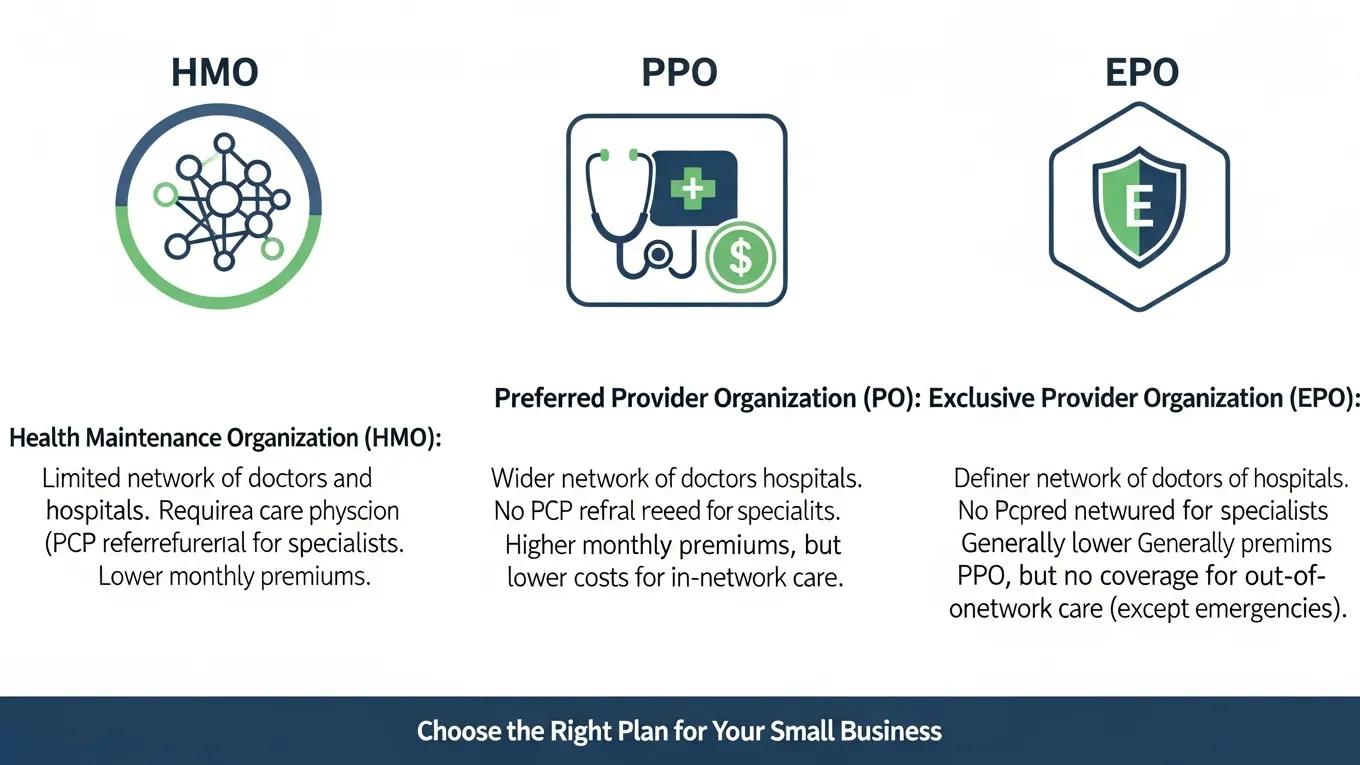
Small businesses in Michigan have access to various group health insurance plans, including:
- Health Maintenance Organizations (HMOs): These plans require members to choose a primary care physician and get referrals for specialist care, often resulting in lower premiums.
- Preferred Provider Organizations (PPOs): PPOs offer more flexibility in choosing healthcare providers and do not require referrals, making them a popular choice among employees.
- Exclusive Provider Organizations (EPOs): EPOs combine features of HMOs and PPOs, providing a network of providers while allowing some flexibility without referrals.
Understanding these options helps small business owners select the best plan for their employees’ needs.
Support from Flint and Genesee County Group Benefits
Flint and Genesee County offer local support for small businesses regarding employee benefits. Various resources are available to assist business owners in navigating the complexities of health insurance and employee benefits. Local chambers of commerce and business associations often provide workshops and seminars to educate business owners about available options. Additionally, partnerships with local insurance brokers can help small businesses find tailored solutions that meet their specific needs.
Eligibility Requirements for Michigan Small Business Health Plans
To qualify for small business health plans in Michigan, certain eligibility requirements must be met. Typically, businesses must have a minimum number of employees, often ranging from 1 to 50, depending on the plan. Compliance with the ACA is also essential, as it mandates specific coverage levels and benefits. Documentation, such as employee count and tax identification numbers, may be required during the application process. Understanding these requirements ensures that small businesses can access the health plans that best suit their workforce.
Advantages of QSEHRA and ICHRA Plans
Qualified Small Employer Health Reimbursement Arrangements (QSEHRA) and Individual Coverage Health Reimbursement Arrangements (ICHRA) offer innovative solutions for small businesses in Michigan. These plans allow employers to reimburse employees for individual health insurance premiums and out-of-pocket medical expenses. The advantages of these plans include:
Specifically for Michigan, ICHRA is emerging as a significant option for small businesses, especially those not currently providing health insurance.
- Cost Control for Employers: Employers can set a fixed budget for reimbursements, making it easier to manage healthcare costs.
- Flexibility for Employees: Employees can choose their health insurance plans, ensuring they select coverage that meets their individual needs.
- Tax Advantages: Both QSEHRA and ICHRA contributions are tax-deductible for employers, providing financial benefits.
These reimbursement arrangements empower small businesses to offer competitive benefits while maintaining budgetary control.
Indeed, a recent survey highlights the widespread adoption and positive reception of ICHRA and QSEHRA among small businesses.
Impact on Business Sustainability and Growth
Providing employee benefits significantly impacts business sustainability and growth. Companies that invest in their employees’ well-being often see higher levels of job satisfaction and productivity. Additionally, offering comprehensive benefits can reduce turnover rates, saving businesses the costs associated with hiring and training new employees. By prioritizing employee health and satisfaction, small businesses in Michigan can create a positive work environment that fosters growth and success.
What Group Health Insurance Options Are Available for Small Businesses in Michigan?
Small businesses in Michigan can choose from a variety of group health insurance options tailored to their needs. These options include traditional plans, high-deductible health plans, and health savings accounts. Each plan type offers different benefits and cost structures, allowing business owners to select the best fit for their employees. Understanding the nuances of these plans is essential for making informed decisions that align with both employee needs and business goals.
How Do Flint and Genesee County Group Benefits Support Local Businesses?
Flint and Genesee County provide valuable support for local businesses in navigating employee benefits. Resources such as local chambers of commerce and business associations offer educational workshops and networking opportunities. These organizations help small business owners understand their options and connect with insurance brokers who can provide tailored solutions. By leveraging local support, businesses can enhance their employee benefits offerings and improve overall workplace satisfaction.
What Are the Eligibility Requirements for Michigan Small Business Health Plans?
Eligibility requirements for small business health plans in Michigan typically include having a minimum number of employees and compliance with ACA regulations. Businesses must provide documentation, such as employee counts and tax identification numbers, to qualify for coverage. Understanding these requirements is crucial for small business owners to access the health plans that best suit their workforce.
How Do QSEHRA and ICHRA Plans Benefit Michigan Small Businesses?
QSEHRA and ICHRA plans offer unique benefits for small businesses in Michigan. These reimbursement arrangements allow employers to reimburse employees for individual health insurance premiums and out-of-pocket medical expenses. The benefits of these plans include cost control, flexibility for employees, and tax advantages. By implementing QSEHRA and small businesses can provide competitive benefits while managing their budgets effectively.
What Are the Key Features of QSEHRA for Small Business Owners?
QSEHRA plans offer several key features that make them attractive to small business owners. These features include:
- Fixed Budgeting: Employers can set a specific reimbursement amount, allowing for better financial planning.
- Employee Choice: Employees can select their health insurance plans, ensuring they have coverage that meets their individual needs.
- Tax Benefits: Contributions made by employers are tax-deductible, providing financial advantages.
These features make QSEHRA an appealing option for small businesses looking to enhance their employee benefits offerings.
How Does ICHRA Provide Flexible Benefits to Employees in Michigan?
ICHRA plans offer flexibility for employees by allowing them to choose their health insurance coverage. Employers can set a fixed reimbursement amount, enabling employees to select plans that best fit their needs. This flexibility empowers employees to make informed decisions about their healthcare, leading to higher satisfaction and engagement. Additionally, ICHRA contributions are tax-deductible for employers, making it a financially viable option for small businesses.
Which Dental and Vision Insurance Plans Are Best for Small Business Employees in Flint?
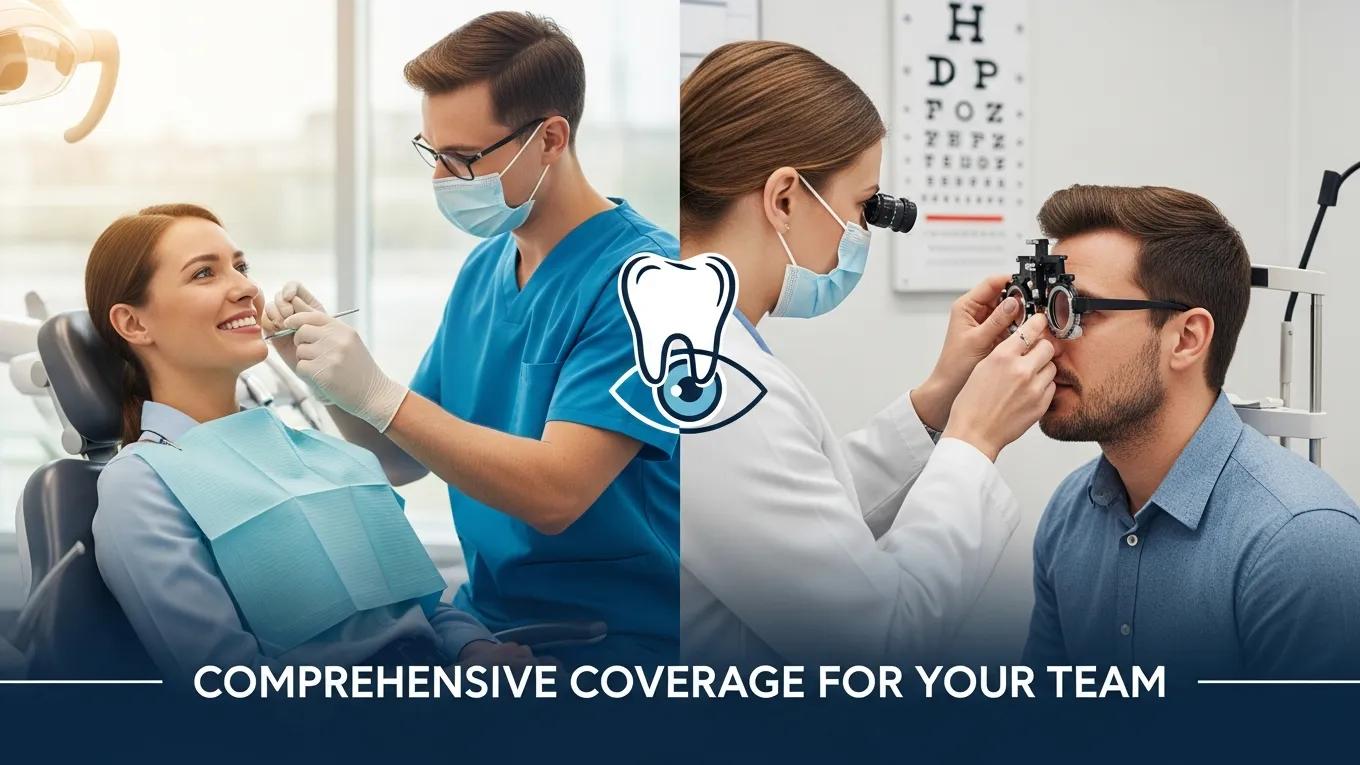
When selecting dental and vision insurance plans for small business employees in Flint, several options are available. Popular plans include:
- PPO Dental Plans: These plans offer flexibility in choosing dental providers and typically cover a range of services, including preventive care.
- HMO Dental Plans: HMO plans often have lower premiums but require members to choose a primary dentist and obtain referrals for specialist care.
- Vision Insurance Plans: Many plans cover routine eye exams, glasses, and contact lenses, providing essential eye care for employees.
Choosing the right dental and vision coverage is crucial for enhancing employee satisfaction and overall well-being.
How to Choose Dental and Vision Coverage That Fits Your Small Business Needs?
Selecting the right dental and vision coverage for small businesses involves assessing employee needs and budget constraints. Business owners should consider the following factors:
- Employee Demographics: Understanding the age and health needs of employees can help tailor coverage options.
- Budget: Setting a budget for dental and vision benefits ensures that the chosen plans are financially sustainable.
- Plan Features: Comparing the features of different plans, such as coverage limits and provider networks, can help identify the best fit.
By carefully evaluating these factors, small businesses can choose dental and vision coverage that meets their employees’ needs.
What Are the Cost-Saving Strategies for Dental and Vision Benefits in Michigan?
Implementing cost-saving strategies for dental and vision benefits can help small businesses manage expenses while providing essential coverage. Some effective strategies include:
- Evaluating Carrier Networks: Choosing plans with extensive provider networks can reduce out-of-pocket costs for employees.
- Reviewing Additional Benefits: Offering wellness programs or preventive care incentives can lead to healthier employees and lower claims.
- Consulting with Brokers: Working with insurance brokers can help identify cost-effective plans that meet business needs.
These strategies can enhance the value of dental and vision benefits while keeping costs manageable for small businesses.
What Additional Employee Benefits and Compliance Considerations Should Michigan Small Businesses Know?
In addition to health insurance, small businesses in Michigan should consider offering additional employee benefits to enhance their overall compensation packages. These benefits may include disability and life insurance, which provide financial security for employees and their families. Understanding compliance updates and tax credits available for small businesses is also essential for maximizing benefits offerings.
How Do Disability and Life Insurance Enhance Employee Benefits Packages?
Disability and life insurance are critical components of comprehensive employee benefits packages. These insurance options provide financial protection for employees in the event of unforeseen circumstances. Disability insurance offers income replacement for employees unable to work due to illness or injury, while life insurance provides financial support to beneficiaries in the event of an employee’s death. By including these options, small businesses can demonstrate their commitment to employee well-being and security.
What Tax Credits and Compliance Updates Affect Small Business Benefits in Michigan?
Small businesses in Michigan should stay informed about tax credits and compliance updates that impact employee benefits. The Small Business Health Care Tax Credit, for example, provides financial assistance to eligible small businesses offering health insurance to their employees. Additionally, staying updated on ACA compliance requirements is crucial for avoiding penalties and ensuring that benefits packages meet legal standards. By understanding these factors, small businesses can optimize their benefits offerings and maintain compliance.
Further emphasizing the financial advantages, significant credits are being allocated to encourage the adoption of ICHRA and QSEHRA for small businesses.
Questions We Get
The questions employers ask us most are answered in full on our resources page.
Related Reading
Unhappy with your current broker? Switch to CFH. Your employees won’t notice. You will.
Related reading: Small Business Employee Benefits: The Essential Coverages Every Michigan Employer Needs
