

Affordable Employee Health Insurance Options for Mid-Market Michigan Businesses: Comprehensive Guide to Group Health Plans and Benefits
Navigating the landscape of affordable employee health insurance can be particularly challenging for mid-market businesses in Michigan, which typically employ between 50 to 500 individuals. These businesses often face unique hurdles in providing low cost health insurance Michigan options that are both comprehensive and budget-friendly. This guide aims to illuminate the various employee health insurance options available, focusing on group health plans and their associated benefits. Readers will learn about the types of plans, cost considerations, regulatory requirements, and strategies for optimizing employee benefits. By understanding these elements, mid-market employers can make informed decisions that enhance employee satisfaction while managing costs effectively. For a more detailed exploration, see our complete guide to Michigan employer health insurance.
The article will cover essential topics, including an overview of group health plans, cost considerations, regulatory requirements, and strategies for optimizing employee benefits. Additionally, we will explore specific health reimbursement arrangements like QSEHRA and ICHRA, and discuss supplemental benefits that can further enhance employee satisfaction.
Most Affordable Employee Health Insurance Options for Michigan Employers
Mid-market businesses in Michigan often grapple with the complexities of providing health insurance. These companies, defined by their employee count, face distinct challenges in balancing cost and coverage. The importance of affordable employee health insurance cannot be overstated, as it directly impacts employee retention, satisfaction, and overall productivity. Understanding the available options is crucial for employers aiming to attract and retain top talent while managing their financial resources effectively.
Group Health Plans Available
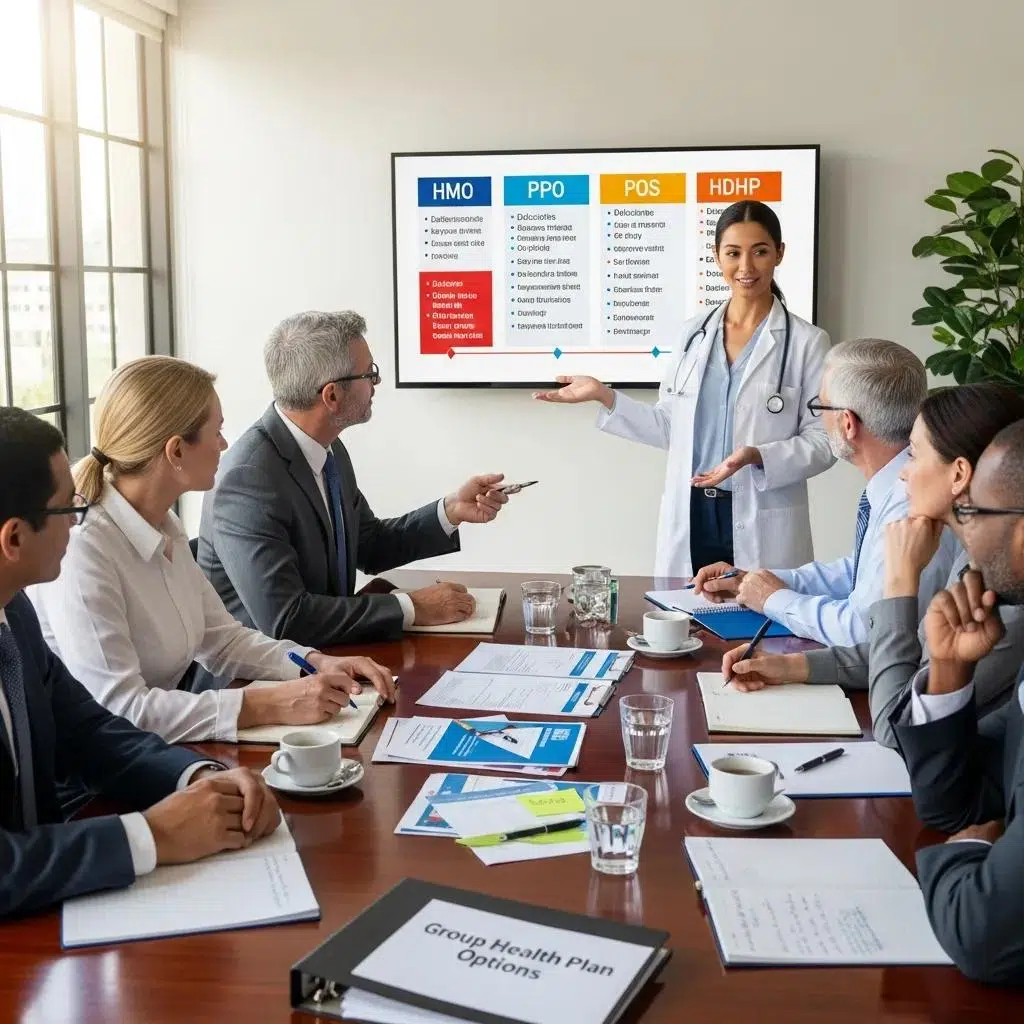
Group health plans are essential for mid-market businesses looking to provide comprehensive health coverage to their employees. These plans come in various forms, each with unique features and benefits that cater to different organizational needs. When selecting a carrier, employers should research the best group health insurance providers in Michigan to ensure quality and reliability.
Health Maintenance Organizations (HMOs)
Health Maintenance Organizations (HMOs) are a type of managed care plan that requires members to choose a primary care physician (PCP) and obtain referrals to see specialists. This structure often leads to lower premiums and out-of-pocket costs for employees. However, the trade-off is a more limited network of providers, which can restrict access to care. Employers may find HMOs appealing due to their cost-effectiveness and emphasis on preventive care.
Preferred Provider Organizations (PPOs)
Preferred Provider Organizations (PPOs) offer greater flexibility in choosing healthcare providers compared to HMOs. Employees can see any doctor or specialist without a referral, although staying within the network results in lower costs. This flexibility can be a significant advantage for employees who value choice in their healthcare decisions. However, PPOs typically come with higher premiums and deductibles, which employers must consider when budgeting for employee benefits.
Exclusive Provider Organizations (EPOs)
Exclusive Provider Organizations (EPOs) combine elements of HMOs and PPOs. They require members to use a network of providers but do not require referrals to see specialists. This model can provide a balance between cost and flexibility, making EPOs an attractive option for mid-market employers. However, employees must be aware that out-of-network care is not covered, except in emergencies.
High Deductible Health Plans (HDHPs)
High Deductible Health Plans (HDHPs) are designed to lower premiums while increasing deductibles. These plans are often paired with Health Savings Accounts (HSAs), allowing employees to save for medical expenses tax-free. While HDHPs can be a cost-effective option for employers, they may lead to higher out-of-pocket costs for employees, which can be a barrier to care. Employers should weigh the potential savings against the impact on employee health and satisfaction.
Level-Funded Plans
Level-funded plans are a hybrid between fully insured and self-insured plans. Employers pay a fixed monthly fee that covers expected claims, and any surplus can be refunded at the end of the year. This model allows for predictable budgeting while potentially lowering overall costs. Mid-market businesses may find level-funded plans appealing as they offer a degree of flexibility and financial predictability.
Self-Insured Plans
Self-insured plans allow employers to take on the financial risk of providing health benefits. Instead of paying premiums to an insurance company, employers pay for employee health claims directly. This approach can lead to significant cost savings, especially for larger mid-market businesses with healthy employee populations. However, self-insurance requires careful management and a thorough understanding of healthcare costs and risks.
Low-Cost Health Insurance Strategies for Mid-Size Companies
When evaluating health insurance options, mid-market employers must consider several cost factors. Premiums, deductibles, and out-of-pocket expenses all play a crucial role in determining the overall affordability of a health plan. Additionally, employers should explore available tax credits and incentives that can help offset costs. Understanding how pricing varies based on employee count is essential for accurate budgeting and plan selection.
Indeed, despite the perceived importance of health insurance, many individuals still encounter significant challenges related to understanding benefits, eligibility, and the overall cost, particularly in the context of the ACA.
ACA Health Plan Benefits, Eligibility & Cost Challenges in Michigan
Findings from six themes demonstrated that although health insurance is perceived as important, confusion and frustration persist around health plan benefits and coverage, eligibility requirements and key provisions of the ACA, and enrollment. Individuals face difficulties justifying the cost of health insurance.
Health insurance challenges in the post-affordable care act (ACA) era: a qualitative study of the perspective of low-income people of color in metropolitan
Detroit, MR Patel, 2018
Detailed Cost Breakdown by Funding Model
Understanding the cost structure of different funding models is essential for selecting cost-effective coverage. Below is a detailed breakdown of the primary funding models with Michigan-specific pricing examples for mid-market employers.
These costs vary based on employee demographics, claims history, and plan design. For example, a Michigan manufacturing company with 120 employees reported a reduction in monthly per-employee costs from $800 fully insured to $620 with a level-funded plan, saving approximately 22.5% annually.
Hidden Cost Analysis
Beyond premiums, employers should be aware of hidden costs that impact total expenses:
- Administrative Fees: Third-party administrators (TPAs) charge per employee per month (PEPM) fees, typically ranging from $15 to $30.
- Stop-Loss Premiums: Protects employers from catastrophic claims; costs vary but average $50-$100 PEPM in Michigan.
- PEPM Costs: Additional fees for services like wellness programs, compliance, and reporting.
These hidden costs can add 10-20% to the total cost of coverage if not carefully managed.
ROI Calculator Framework for Health Insurance Savings
Employers can estimate potential savings using a simple ROI calculator framework considering company size, funding model, and plan design:
- Input Variables: Number of employees, average premium cost, expected claims, administrative fees, stop-loss premiums.
- Calculate Total Annual Cost: Sum of premiums/claims + admin fees + stop-loss.
- Compare Models: Evaluate fully insured vs. self-funded vs. level-funded total costs.
- Estimate Savings: Difference between current and alternative model costs.
For example, a 200-employee company switching from fully insured ($750 PEPM) to level-funded ($600 PEPM) could save approximately $360,000 annually.
Cost Reduction Strategies with Quantified Savings
Implementing targeted strategies can significantly reduce health insurance costs:
- Wellness Programs: Can reduce claims costs by 15-20% through improved employee health.
- Employee Education: Promotes cost-conscious healthcare decisions, reducing unnecessary claims by up to 10%.
- Plan Design Optimization: Adjusting deductibles and copays to balance cost and coverage can save 5-15%.
- Negotiating with Carriers: Leveraging group size and claims data can reduce premiums by 5-10%.
CFH Insurance Consultants have helped Michigan employers achieve average cost savings of 18% annually through these combined strategies.
Alternative Funding Arrangements: HRAs, QSEHRAs, and ICHRAs
Health Reimbursement Arrangements (HRAs) offer flexible, tax-advantaged ways to provide budget-friendly plans:
- QSEHRA: For employers with fewer than 50 full-time employees; allows reimbursement of individual health insurance premiums up to IRS limits; average employer contribution ranges from $4,000 to $5,300 annually per employee.
- ICHRA: Available to employers of any size; allows tailored contributions by employee class; offers greater flexibility but requires employees to purchase individual plans.
- Traditional HRAs: Often paired with group plans to cover deductibles and out-of-pocket costs.
Employers can compare costs and eligibility to select the best arrangement. For example, a 75-employee Michigan tech firm saved 12% on total health benefits costs by implementing an ICHRA combined with individual plans.
Cost Considerations
When evaluating health insurance options, mid-market employers must consider several cost factors. Premiums, deductibles, and out-of-pocket expenses all play a crucial role in determining the overall affordability of a health plan. Additionally, employers should explore available tax credits and incentives that can help offset costs. Understanding how pricing varies based on employee count is essential for accurate budgeting and plan selection.
Indeed, despite the perceived importance of health insurance, many individuals still encounter significant challenges related to understanding benefits, eligibility, and the overall cost, particularly in the context of the ACA.
ACA Health Plan Benefits, Eligibility & Cost Challenges in Michigan
Findings from six themes demonstrated that although health insurance is perceived as important, confusion and frustration persist around health plan benefits and coverage, eligibility requirements and key provisions of the ACA, and enrollment. Individuals face difficulties justifying the cost of health insurance.
Health insurance challenges in the post-affordable care act (ACA) era: a qualitative study of the perspective of low-income people of color in metropolitan
Detroit, MR Patel, 2018
- Premiums and Employer Contributions: Employers typically cover a portion of employee premiums, which can vary significantly based on the plan type and coverage level. Understanding the balance between employer contributions and employee costs is essential for maintaining a competitive benefits package.
- Tax Credits for Small Businesses: Small businesses may qualify for tax credits under the Affordable Care Act (ACA), which can significantly reduce the cost of providing health insurance. Employers should consult with tax professionals to understand eligibility and maximize available benefits.
- Budgeting for Healthcare Costs: Effective budgeting for healthcare costs involves analyzing historical claims data and projecting future expenses. Employers should consider the impact of rising healthcare costs on their overall budget and explore strategies to mitigate these increases.
Regulatory Requirements
Mid-market employers must navigate a complex landscape of regulatory requirements when providing health insurance. Compliance with the Affordable Care Act (ACA) and other federal and state regulations is essential to avoid penalties and ensure that employees receive the benefits they are entitled to. For detailed information, review the Michigan health insurance compliance requirements.
- ACA Compliance for Employers: The ACA mandates that employers with 50 or more full-time equivalent employees provide affordable health insurance that meets minimum essential coverage standards. Understanding these requirements is crucial for compliance and avoiding penalties.
- Essential Health Benefits: The ACA outlines ten essential health benefits that must be covered by all health plans, including emergency services, hospitalization, and preventive care. Employers should ensure that their chosen plans meet these standards to provide comprehensive coverage.
- State and Federal Regulations: In addition to federal requirements, employers must also comply with state-specific regulations that may impact health insurance offerings. Staying informed about these regulations is essential for maintaining compliance and providing quality benefits.
Strategies for Optimizing Employee Benefits

To maximize the value of employee benefits, mid-market employers should adopt strategies that align with workforce needs and preferences. Regular assessments and adjustments to benefits offerings can enhance employee satisfaction and retention. Consider exploring customization options for your budget to tailor solutions effectively.
- Assessing Workforce Needs: Conducting surveys and gathering feedback from employees can help employers understand their workforce’s specific health needs and preferences. This information can guide decisions about which benefits to offer.
- Regular Plan Reviews: Periodically reviewing health plans and benefits offerings ensures that they remain competitive and meet the evolving needs of employees. Employers should analyze claims data and employee feedback to identify areas for improvement.
- Implementing Wellness Programs: Integrating wellness programs into health benefits can promote healthier lifestyles and reduce healthcare costs. Programs that focus on preventive care, fitness, and mental health can enhance employee well-being and satisfaction.
How to Find Budget-Friendly Employee Health Insurance in Michigan
Choosing the best group health insurance plan involves evaluating various options based on coverage, cost, and employee needs. Mid-market employers should consider the following key features when selecting a plan.
Key Features and Coverage Options of Group Health Insurance Plans
- Comprehensive Coverage: Look for plans that offer a wide range of services, including preventive care, hospitalization, and specialty care. Comprehensive coverage ensures that employees have access to necessary medical services.
- Cost-Effective Solutions: Evaluate the overall cost of premiums, deductibles, and out-of-pocket expenses. Employers should seek plans that provide value without compromising coverage quality.
- Employer Contributions: Consider the level of employer contributions to premiums. A higher employer contribution can enhance the attractiveness of the benefits package and improve employee satisfaction.
How to Choose Affordable Group Medical Insurance in Michigan
Selecting affordable group medical insurance requires careful consideration of various factors. Employers should follow these guidelines to make informed decisions.
- Assessing Workforce Demographics: Understanding the demographics of the workforce can help employers choose plans that meet the specific needs of their employees. Factors such as age, health status, and family size can influence plan selection.
- Setting a Budget: Establishing a clear budget for employee benefits is essential for maintaining financial stability. Employers should consider both short-term and long-term costs when selecting a plan.
- Comparing Plan Types: Employers should compare different types of plans, including HMOs, PPOs, and HDHPs, to determine which best aligns with their budget and employee needs. Each plan type offers distinct advantages and disadvantages.
How Do QSEHRA and ICHRA Health Reimbursement Arrangements Benefit Mid-Size Michigan Businesses?
Qualified Small Employer Health Reimbursement Arrangements (QSEHRA) and Individual Coverage Health Reimbursement Arrangements (ICHRA) provide innovative solutions for mid-size businesses looking to offer flexible health benefits.
Differences Between QSEHRA and ICHRA Explained
- Eligibility Criteria: QSEHRA is designed for small employers with fewer than 50 full-time employees, while ICHRA can be offered by employers of any size. This distinction allows larger employers to provide tailored benefits through ICHRA.
- Contribution Limits: QSEHRA has specific contribution limits set by the IRS, while ICHRA allows employers to set their contribution amounts. This flexibility can help employers manage costs effectively.
- Flexibility in Coverage: ICHRA offers greater flexibility in terms of employee coverage options, allowing employees to choose individual health plans that best meet their needs. This can enhance employee satisfaction and engagement.
Tax Advantages and Eligibility Criteria for Health Reimbursement Arrangements
Health reimbursement arrangements (HRAs) provide tax advantages for both employers and employees. Understanding these benefits is crucial for mid-market businesses.
- Tax-Deductible Contributions: Contributions made by employers to HRAs are tax-deductible, reducing the overall tax burden for the business. This can lead to significant savings over time.
- Exemption from Payroll Taxes: Employers are not required to pay payroll taxes on HRA contributions, further enhancing the financial benefits of offering these arrangements.
- Eligibility Criteria for QSEHRA and ICHRA: Employers must meet specific eligibility criteria to offer QSEHRA and ICHRA. Understanding these requirements is essential for compliance and maximizing benefits.
What Supplemental Employee Benefits Should Mid-Market Employers Consider?
In addition to health insurance, mid-market employers should consider offering supplemental employee benefits to enhance their overall benefits package.
Dental and Vision Insurance Options for Michigan Businesses
- Types of Coverage: Dental and vision insurance can provide essential coverage for employees, addressing common health needs. Employers should consider offering comprehensive plans that cover preventive care and major services.
- Cost Implications: Offering supplemental benefits can increase overall costs, but they can also enhance employee satisfaction and retention. Employers should weigh the benefits against the financial impact.
- Employer Contributions: Providing employer contributions toward supplemental benefits can make these options more attractive to employees, improving the overall benefits package.
Disability and Life Insurance: Enhancing Employee Benefits Packages
Disability and life insurance are critical components of a comprehensive employee benefits package. These benefits provide financial protection for employees and their families in times of need.
- Financial Protection for Employees: Disability insurance offers income replacement for employees unable to work due to illness or injury, while life insurance provides financial support to beneficiaries in the event of an employee’s death.
- Cost-Effectiveness of Group Plans: Group disability and life insurance plans are often more affordable than individual policies, making them an attractive option for mid-market employers.
- Attracting and Retaining Talent: Offering robust disability and life insurance benefits can enhance an employer’s ability to attract and retain top talent, contributing to a more stable workforce.
How Can Mid-Size Employers Manage Costs While Offering Competitive Benefits?
Managing costs while providing competitive employee benefits is a common challenge for mid-size employers. Implementing effective strategies can help achieve this balance.
Cost Management Strategies for Affordable Employee Health Insurance
- Level-Funded and Self-Funded Plans: Exploring level-funded and self-funded plans can provide cost savings while maintaining quality coverage. These options allow employers to take on more financial responsibility while potentially lowering overall costs.
- Negotiating Insurance Rates: Employers should actively negotiate with insurance providers to secure the best rates and terms. Building strong relationships with brokers can facilitate better outcomes.
- Implementing Wellness Programs: Investing in wellness programs can lead to healthier employees and reduced healthcare costs over time. Programs that promote preventive care and healthy lifestyles can yield significant long-term savings.
Customizing Employee Benefits to Balance Coverage and Budget
- Tailored Benefits Packages: Customizing benefits packages to meet the specific needs of employees can enhance satisfaction while managing costs. Employers should consider offering a range of options to cater to diverse employee preferences. Learn more about customization options for your budget.
- Negotiating Insurance Rates: Employers should leverage their bargaining power to negotiate favorable terms with insurance providers. This can lead to cost savings and improved coverage options.
- Incorporating Voluntary Benefits: Offering voluntary benefits allows employees to choose additional coverage options that meet their individual needs without significantly increasing employer costs.
Cost Optimization Tips
To effectively manage expenses while maintaining quality benefits, employers should be aware of common pitfalls. Understanding common cost-related mistakes to avoid can help mid-market businesses optimize their health insurance strategies.
What Are the Latest Regulatory Updates Affecting Employee Health Insurance in Michigan?
Staying informed about regulatory updates is essential for mid-market employers to ensure compliance and adapt to changing requirements.
2024-2026 Compliance Requirements for Mid-Market Employers
- Penalties for Non-Compliance: Employers must be aware of the penalties associated with non-compliance with ACA regulations. Understanding these consequences is crucial for maintaining compliance.
- Key Deadlines: Employers should keep track of key deadlines related to reporting and compliance to avoid potential penalties. Staying organized and informed is essential for successful compliance.
- Ongoing Compliance Strategies: Implementing ongoing compliance strategies, such as regular training and updates for HR personnel, can help ensure that employers remain compliant with evolving regulations.
Impact of Michigan State Regulations on Group Health Insurance Plans
Michigan offers a variety of group health insurance plans, each with its own set of regulations. Employers should familiarize themselves with these regulations to ensure compliance.
- State Mandates: Michigan has specific mandates that impact group health insurance plans, including coverage requirements and consumer protections. Employers should familiarize themselves with these regulations to ensure compliance.
- Insurance Coverage Standards: Understanding state-specific insurance coverage standards is essential for employers to provide compliant and comprehensive benefits.
- Compliance Challenges: Navigating the complexities of state regulations can pose challenges for mid-market employers. Seeking guidance from experienced insurance brokers can help mitigate these challenges.
How Can Employee Wellness and Engagement Programs Improve Benefits Value?
Integrating wellness and engagement programs into employee benefits can enhance the overall value of the benefits package.
Integrating Wellness Benefits into Health Insurance Packages
To further enhance your employee benefits package, consider exploring employee benefits that promote wellness and engagement.
- Assessing Employee Needs: Employers should assess the specific wellness needs of their workforce to design effective programs. Tailoring initiatives to employee preferences can lead to higher participation rates.
- Implementing Wellness Initiatives: Offering wellness initiatives, such as fitness challenges and mental health resources, can promote healthier lifestyles and improve employee well-being.
- Measuring Effectiveness: Regularly measuring the effectiveness of wellness programs can help employers identify areas for improvement and ensure that initiatives are delivering value.
Boosting Employee Satisfaction Through Engagement Initiatives
One way to boost employee satisfaction is by offering dental and vision insurance options.
- Examples of Wellness Programs: Successful wellness programs can include fitness classes, health screenings, and mental health support. These initiatives can foster a culture of health and well-being within the organization.
- Impact on Employee Morale: Engaging employees in wellness initiatives can boost morale and create a positive workplace culture. Employees who feel supported in their health are more likely to be satisfied and productive.
- Retention Rates: Investing in employee wellness can lead to higher retention rates, as employees are more likely to stay with organizations that prioritize their health and well-being.
Where Can Mid-Market Employers Find Trusted Health Insurance Brokers in Michigan?
Finding reliable health insurance brokers is essential for mid-market employers seeking to navigate the complexities of employee benefits.
Choosing the Right Insurance Brokerage for Mid-Size Companies
When selecting an insurance brokerage, it’s important to consider their disability and life insurance offerings.
- Experience in the Michigan Market: Employers should seek brokers with experience in the Michigan market, as they will have a better understanding of local regulations and available options.
- Fee Structure and Transparency: Understanding the fee structure of potential brokers is crucial for ensuring that employers receive value for their investment. Transparency in pricing can build trust and facilitate better partnerships.
- Range of Services Offered: Employers should consider brokers that offer a comprehensive range of services, including plan design, compliance support, and employee education.
Benefits of Working with Local Michigan Employee Benefits Experts
For personalized assistance and expert guidance, contact us today to explore your options and find the best solutions for your business.
- Expertise in Local Regulations: Local brokers possess valuable knowledge of state-specific regulations and can help employers navigate compliance challenges effectively.
- Cost Management Strategies: Local brokers can provide insights into cost management strategies that are tailored to the Michigan market, helping employers optimize their benefits offerings.
- Customized Benefits Packages: Working with local experts allows employers to develop customized benefits packages that meet the unique needs of their workforce.
What Tools and Resources Help Mid-Market Employers Compare and Select Insurance Plans?
Employers can leverage various tools and resources to compare and select the best insurance plans for their employees.
Using Cost Calculators and Plan Comparison Tables Effectively
- Identifying Needs and Budget: Cost calculators can help employers assess their specific needs and budget constraints when selecting health insurance plans.
- Gathering Tools: Employers should gather relevant tools and resources to facilitate informed decision-making. This may include online comparison tools and industry reports.
- Analyzing Results: Analyzing the results of cost calculators and comparison tables can provide valuable insights into the most suitable insurance options for the organization.
Accessing Case Studies and Testimonials for Informed Decisions
- Learning from Peers: Case studies and testimonials from other mid-market employers can provide valuable insights into the effectiveness of different insurance plans and strategies.
- Identifying Effective Practices: Employers can identify effective practices and strategies by reviewing real-world examples of successful benefits implementations.
- Validating Plan Choices: Accessing testimonials can help validate plan choices and provide reassurance that selected options will meet employee needs.
Frequently Asked Questions About Affordable Health Insurance in Michigan
- What is the cheapest health insurance option for Michigan employers?Generally, Health Maintenance Organizations (HMOs) and High Deductible Health Plans (HDHPs) tend to offer the most affordable premiums for Michigan employers, especially when paired with Health Savings Accounts (HSAs) or Health Reimbursement Arrangements (HRAs).
- How much does employee health insurance cost for a 50-person company in Michigan?On average, a 50-person company in Michigan can expect to pay between $550 and $750 per employee per month for fully insured group health plans, depending on plan design and employee demographics.
- Can I offer health insurance to employees without breaking the bank?Yes, by exploring level-funded plans, self-funded options, and alternative funding arrangements like QSEHRA or ICHRA, employers can provide budget-friendly plans that balance cost and coverage.
- What is a level-funded health insurance plan and is it affordable?Level-funded plans combine features of fully insured and self-funded plans, offering predictable monthly costs with potential refunds for lower claims. They are often more affordable for mid-market employers seeking cost control.
- How do I reduce health insurance costs without cutting benefits?Implementing wellness programs, negotiating with carriers, optimizing plan design, and educating employees on cost-conscious healthcare use can reduce costs by 10-20% without reducing benefits.
- Are there tax credits available for Michigan small businesses offering health insurance?Yes, small businesses with fewer than 25 full-time equivalent employees may qualify for the Small Business Health Care Tax Credit under the ACA, which can cover up to 50% of premium costs.
- What is the difference between a high-deductible plan and a traditional plan?High-deductible plans have lower premiums but higher out-of-pocket costs, often paired with HSAs, while traditional plans have higher premiums with lower deductibles and copays.
- How does employee cost-sharing work in affordable health plans?Cost-sharing involves employees paying a portion of premiums, deductibles, copays, and coinsurance. Balancing employer contributions and employee cost-sharing is key to affordability.
- Can I offer different health insurance tiers to save money?Yes, offering multiple plan tiers (e.g., bronze, silver, gold) allows employees to choose coverage that fits their needs and budget, helping employers manage overall costs.
- What are the most affordable health insurance carriers in Michigan?Carriers like Blue Cross Blue Shield of Michigan, Priority Health, and Health Alliance Plan often provide competitive pricing and comprehensive networks for mid-market employers.
About the Author
Sunny Connolly, Licensed Employee Benefits Consultant at CFH Insurance Consultants. With over 30 years of experience serving Michigan’s mid-market employers, he specializes in strategic cost optimization and innovative plan design. He is NAHU certified and has helped hundreds of Michigan businesses achieve sustainable benefits growth.