

Health Insurance for Michigan Mid-Size Employers: Complete 2026 Guide to Group Plans and Employee Benefits
Navigating the landscape of health insurance Michigan employers face can be a daunting task for mid-size employers, especially with the evolving regulations and diverse plan options available. This comprehensive group health insurance guide Michigan offers a definitive resource for businesses with 50-500 employees seeking to understand and implement effective health insurance strategies in 2026. Readers will gain insights into the various types of health insurance plans, compliance requirements, cost management strategies, and the importance of choosing the right broker. As businesses strive to attract and retain talent, understanding these elements is crucial for enhancing employee satisfaction and ensuring compliance with state and federal regulations. This guide covers essential topics, including group health insurance plans, employee benefits, compliance requirements, and strategies for effective cost management tailored to Michigan’s unique market.
Complete Guide to Health Insurance for Michigan Mid-Size Employers (2026)
Mid-size employers in Michigan, defined as those with 50 to 500 employees, face a complex health insurance environment shaped by federal laws like the Affordable Care Act (ACA) and state-specific mandates. The 2026 health insurance market in Michigan is evolving with new trends, regulatory updates, and technological advancements that impact plan selection and administration. This guide serves as the authoritative resource for Michigan mid-size employer health insurance, providing a comprehensive overview and actionable insights.
2026 Michigan Health Insurance Market Overview: Trends and Predictions
The Michigan health insurance market for mid-size employers is projected to grow steadily in 2026, with an estimated 350,000 employees covered under group plans in this segment. Key trends shaping the market include:
- Increased Adoption of Flexible Health Reimbursement Arrangements (HRAs): More employers are implementing QSEHRA and ICHRA plans to offer personalized benefits.
- Growth in Wellness Program Integration: Employers are investing in wellness initiatives to reduce long-term healthcare costs and improve employee health.
- Technology-Driven Benefits Administration: Digital platforms and tools are streamlining enrollment, compliance tracking, and employee communication.
- Regional Variations: Metro Detroit and Ann Arbor show higher adoption rates of advanced plan options, while manufacturing-heavy regions like Grand Rapids and Lansing focus on cost-effective solutions.
- Carrier Market Share: Major carriers such as Blue Cross Blue Shield of Michigan, Priority Health, and Health Alliance Plan dominate the market, collectively covering over 75% of mid-size employer plans.
Economic factors, including inflation and healthcare cost trends, continue to influence premium rates and employer contributions. The Michigan Department of Insurance and Financial Services (DIFS) provides ongoing resources to help employers navigate these changes.
Understanding Michigan Group Health Insurance Requirements
Employers with 50-500 employees in Michigan must comply with both federal and state regulations. The ACA mandates minimum essential coverage and reporting requirements, while Michigan-specific mandates may require additional coverage for certain conditions or treatments. Key compliance points for 2026 include:
- Minimum Essential Coverage: Plans must meet ACA standards for coverage and affordability.
- Reporting Obligations: Employers must file accurate Forms 1095-C with the IRS and provide copies to employees.
- State Mandates: Michigan requires coverage for specific health services, such as mental health parity and certain preventive care benefits.
- Penalties: Non-compliance can result in significant fines under federal and state law.
Employers should consult the Michigan-specific compliance requirements and utilize resources from the Michigan DIFS to stay current.
Choosing the Right Health Insurance Plan for Your Michigan Business
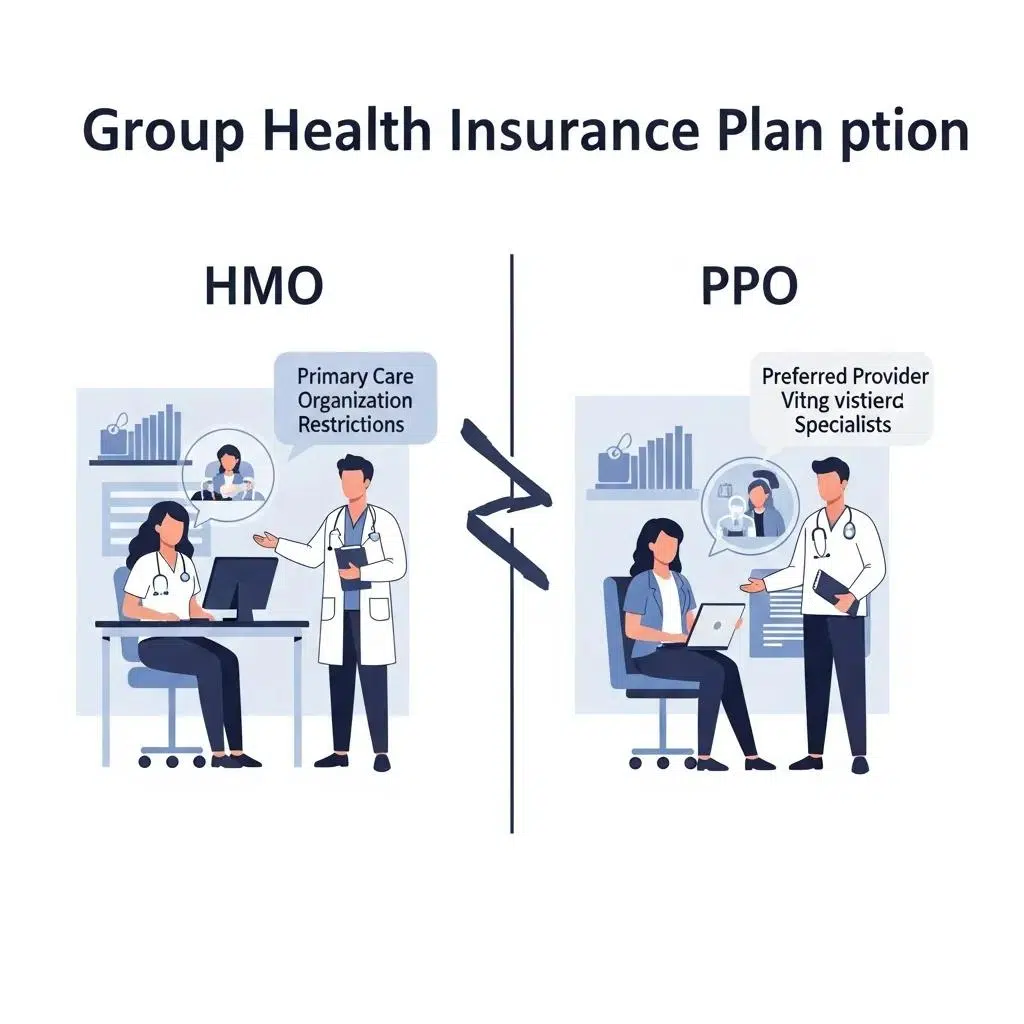
Selecting the optimal health insurance plan requires a thorough evaluation of workforce needs, budget constraints, and regulatory compliance. Common plan types include:
- Health Maintenance Organizations (HMOs): Lower premiums with network restrictions and referral requirements.
- Preferred Provider Organizations (PPOs): Greater provider flexibility with higher premiums.
- Exclusive Provider Organizations (EPOs): Network-based plans without referral requirements.
- High Deductible Health Plans (HDHPs): Lower premiums paired with Health Savings Accounts (HSAs).
- Self-Funded Plans: Employers assume risk, potentially reducing costs but requiring robust management.
Employers should use a decision-making framework that considers employee demographics, health status, and financial goals. A decision tree and checklist for evaluating health insurance options can guide this process effectively.
Comprehensive Comparison Matrix of Funding Models
Michigan Health Insurance Costs and Budgeting for 50-500 Employees
Cost management is a critical concern for Michigan mid-size employers. In 2026, the average annual premium for group health insurance in Michigan is projected to be approximately $7,200 per employee, with employer contributions typically covering 70-80% of this amount. Regional economic factors and industry benchmarks influence these costs significantly.
Employers can implement several strategies to manage expenses effectively:
- Cost-Sharing Arrangements: Higher deductibles and co-pays reduce premiums.
- Wellness Programs: Proven to lower long-term healthcare costs.
- Regular Plan Reviews: Ensures competitiveness and cost-effectiveness.
Exploring affordable employee health insurance options and leveraging broker expertise can optimize budgeting.
Step-by-Step Implementation Timeline for Michigan Mid-Size Employers
Implementing a health insurance plan requires careful planning and execution. The following timeline outlines key steps for 2026:
- Months 1-2: Needs Assessment – Evaluate workforce demographics, health needs, and budget.
- Months 3-4: Market Research – Compare plans, carriers, and funding models using tools and broker consultations.
- Month 5: Plan Selection – Choose plan(s) aligned with organizational goals and compliance.
- Month 6: Compliance Review – Ensure all regulatory requirements are met, including ACA and Michigan mandates.
- Months 7-8: Employee Communication – Develop and execute communication strategies to educate employees on benefits.
- Month 9: Enrollment Period – Facilitate open enrollment using digital tools and support.
- Month 10: Plan Launch – Activate coverage and provide ongoing support.
- Months 11-12: Monitoring and Feedback – Review plan performance and employee satisfaction for continuous improvement.
Technology and Digital Tools Landscape for Benefits Administration
Modern benefits administration increasingly relies on technology to streamline processes and enhance employee engagement. Key tools include:
- Benefits Enrollment Platforms: User-friendly portals for plan selection and enrollment.
- Compliance Management Software: Automates reporting and tracks regulatory deadlines.
- Employee Communication Apps: Facilitate ongoing education and wellness program participation.
- Data Analytics: Provides insights into utilization and cost trends.
Employers in Michigan are adopting these technologies to improve efficiency and compliance, with many brokers offering integrated solutions.
Industry-Specific Considerations for Michigan Mid-Size Employers
Different industries in Michigan face unique challenges and opportunities regarding health insurance:
- Manufacturing: Focus on cost control and injury-related coverage; self-funded plans are common.
- Technology: Emphasis on flexible benefits and wellness programs to attract talent.
- Healthcare: Compliance with stringent regulations and comprehensive coverage needs.
- Retail: Managing part-time and seasonal employees with varied coverage options.
Tailoring health insurance strategies to industry-specific needs enhances effectiveness and employee satisfaction.
Employee Communication Strategies and Enrollment Best Practices
Effective communication is vital for successful health insurance enrollment and ongoing engagement. Best practices include:
- Clear, Consistent Messaging: Use multiple channels such as emails, webinars, and printed materials.
- Personalized Support: Offer one-on-one consultations and Q&A sessions.
- Utilize Technology: Leverage digital tools for easy access to plan information.
- Promote Wellness Programs: Highlight benefits that improve employee health and reduce costs.
Engaged employees are more likely to appreciate and utilize their benefits effectively.
Compliance Calendar for 2026: Key Deadlines for Michigan Mid-Size Employers
Employee Benefits

In addition to health insurance, mid-size employers should consider offering a range of employee benefits to enhance job satisfaction and retention. Comprehensive benefits packages can include:
- Dental and Vision Insurance: Essential for maintaining overall health and well-being.
- Disability Insurance: Provides income protection for employees unable to work due to illness or injury.
- Life Insurance: Offers financial security for employees’ families in the event of an untimely death.
- Wellness Programs: Initiatives that promote healthy lifestyles and can reduce healthcare costs over time.
These benefits not only improve employee morale but also contribute to a more productive workforce.
Compliance Requirements
Compliance with health insurance regulations is critical for mid-size employers in Michigan. The Affordable Care Act (ACA) sets forth specific requirements that employers must adhere to, including:
- Minimum Essential Coverage: Employers must provide health insurance that meets minimum essential coverage standards.
- Reporting Requirements: Employers are required to report health coverage information to the IRS and provide employees with Form 1095-C. Staying current with Michigan-specific compliance requirements is essential for accurate reporting.
- Penalties for Non-Compliance: Failure to comply with ACA requirements can result in significant penalties, making it essential for employers to stay informed and compliant.
Understanding these compliance requirements helps employers avoid costly fines and ensures that employees receive the benefits they are entitled to.
Historically, the implementation of these mandates has seen adjustments, particularly for mid-size firms.
ACA Employer Mandate Delays for Midsize Firms
Under the Affordable Care Act (ACA), the employer mandate — the requirement that most employers offer health insurance to their workers or pay a tax penalty — was scheduled to go into effect on January 1, 2014. Last summer, however, the Obama administration announced that it was delaying the mandate for a year. The administration has now extended the delay for midsize firms until 2016.
The legality of delaying key elements of the ACA., 2014
Cost Management Strategies
Managing the costs associated with health insurance is a significant concern for mid-size employers. Implementing effective cost management strategies can help control expenses while maintaining quality coverage. Some strategies include:
- Cost-Sharing Arrangements: Employers can implement cost-sharing strategies, such as higher deductibles or co-pays, to reduce premium costs. Exploring affordable employee health insurance options can also provide budget-friendly solutions.
- Wellness Initiatives: Promoting employee wellness can lead to lower healthcare costs by reducing the incidence of chronic diseases.
- Regular Plan Reviews: Conducting regular reviews of health insurance plans can help identify areas for cost savings and ensure that the plan remains competitive.
Employers should continuously evaluate their health insurance offerings to ensure they align with both employee needs and budget constraints.
Research has consistently demonstrated the positive impact of such programs on employee health and overall cost reduction.
Evaluating Employee Wellness Programs for Mid-Sized Employers
We compute difference-in-difference propensity score matching estimates of the impact of a wellness program implemented by a mid-sized employer. The analysis includes one year of pre-implementation data and three years of post-implementation data. We find that the program successfully recruited a broad spectrum of employees to participate, and it successfully induced short-term behavior change, as manifested by increased preventive screening.
Evaluating an employee wellness program, S Mukhopadhyay, 2013
Choosing a Broker
Engaging with a health insurance broker can provide significant advantages for mid-size employers. Brokers offer expertise in navigating the complex health insurance landscape and can assist in selecting the most suitable plans. Key benefits of using a broker include:
- Expert Guidance: Brokers can provide insights into the latest trends and regulations affecting health insurance.
- Cost-Saving Opportunities: Brokers often have access to multiple insurance carriers, allowing employers to compare options and find the best rates. Understanding how CFH compares to other brokers can help employers make an informed choice.
- Compliance Assistance: Brokers can help ensure that employers meet all regulatory requirements, reducing the risk of penalties.
Choosing the right broker is essential for maximizing the value of health insurance investments.
What Are the 2026 Compliance Requirements for Michigan Mid-Size Employer Health Plans?
As we approach 2026, mid-size employers in Michigan must stay updated on compliance requirements that may evolve. Key areas of focus include:
- Affordable Care Act Updates: Employers should be aware of any changes to ACA requirements that may impact their health plans.
- State-Specific Regulations: Michigan may introduce additional regulations that affect health insurance offerings, necessitating ongoing education and adaptation.
How Do Michigan Employer Mandates Affect Group Health Insurance?
Michigan employers must comply with state mandates that may impose additional requirements on health insurance plans. These mandates can include specific coverage requirements for certain conditions or treatments, which employers must integrate into their offerings. Staying informed about these mandates is crucial for maintaining compliance and providing adequate coverage.
What Are the Key Regulatory Updates Impacting Employee Benefits in 2026?
As regulations continue to evolve, mid-size employers must remain vigilant about changes that could impact employee benefits. Key updates to watch for include:
- Changes to ACA Reporting Requirements: Employers may face new reporting obligations that require adjustments to their current processes.
- State-Level Initiatives: Michigan may introduce new laws aimed at enhancing employee benefits, which could affect health insurance offerings.
How Can Michigan Employers Enhance Employee Benefits with Ancillary Insurance Options?
Employers can enhance their employee benefits packages by incorporating ancillary insurance options. These options can provide additional security and peace of mind for employees.
What Dental, Vision, Disability, and Life Insurance Plans Are Recommended?
- Dental Insurance: Coverage for routine check-ups, cleanings, and major dental work.
- Vision Insurance: Benefits for eye exams, glasses, and contact lenses.
- Disability Insurance: Short-term and long-term disability coverage to protect employees’ income.
- Life Insurance: Group life insurance policies that provide financial support to employees’ beneficiaries.
How Do Ancillary Benefits Support Employee Retention and Wellness?
Offering ancillary benefits can significantly enhance employee retention by demonstrating a commitment to employee well-being. These benefits not only provide financial security but also contribute to a positive workplace culture, fostering loyalty and satisfaction among employees.
Why Should Michigan Mid-Size Employers Use Health Insurance Brokers and Consulting Services?
Utilizing health insurance brokers and consulting services can provide mid-size employers with valuable resources and expertise. Brokers can help employers navigate the complexities of health insurance, ensuring they make informed decisions.
What Are the Advantages of Full-Service Brokerage for Group Health Plans?
Full-service brokers offer a comprehensive approach to health insurance, providing support in areas such as plan selection, compliance, and employee education. This holistic approach can lead to better outcomes for both employers and employees.
How Does Expert Consulting Help Navigate Compliance and Plan Selection?
Expert consultants can assist employers in understanding the intricacies of health insurance regulations and help tailor plans to meet the specific needs of their workforce. This guidance can be invaluable in ensuring compliance and optimizing benefits. Learn more about how CFH consultants help customize plans.
What Case Studies Demonstrate Successful Health Insurance Strategies for Michigan Mid-Size Employers?
Examining case studies of successful health insurance strategies can provide valuable insights for mid-size employers. These examples can highlight effective approaches to plan selection, employee engagement, and cost management.
Dearborn Manufacturing (380 employees)
Complete benefits transformation with CFH – moved from fully-insured to level-funded, added voluntary benefits, implemented wellness program. Results: 23% cost reduction, 89% employee satisfaction, 12% reduction in turnover.
Novi Technology (210 employees)
Multi-year strategic partnership with CFH including carrier negotiations, compliance management, and employee education. Locked in 4.2% average annual increases vs. market 6.8%.
Southfield Healthcare (165 employees)
CFH designed hybrid plan with HSA and traditional PPO options, integrated telemedicine and mental health benefits. 94% employee participation, $280,000 first-year savings.
How Can Michigan Employers Compare and Choose the Best Group Health Insurance Plans?
Choosing the right group health insurance plan requires careful consideration and comparison of available options. Employers should evaluate plans based on several criteria to ensure they select the best fit for their organization.
What Tools and Resources Facilitate Plan Comparison and Decision-Making?
Employers can utilize various tools and resources to compare health insurance plans effectively. Online comparison tools, broker consultations, and industry reports can provide valuable insights into plan features, costs, and coverage options. Understanding the key factors to consider when choosing a provider can streamline this process.
How Do Cost, Coverage, and Compliance Influence Plan Selection?
When selecting a health insurance plan, employers must balance cost, coverage, and compliance requirements. Understanding the trade-offs between these factors is essential for making informed decisions that align with organizational goals and employee needs. Additionally, knowing how pricing varies by employee count can help in budgeting and plan design.
What Are the Latest Trends in Employee Benefits and Health Insurance for Michigan Mid-Size Employers?
Staying informed about the latest trends in employee benefits and health insurance is crucial for mid-size employers. Emerging trends can influence plan offerings and employee satisfaction.
How Is Adoption of Flexible Health Reimbursement Arrangements Growing?
The adoption of flexible health reimbursement arrangements, such as QSEHRA and ICHRA, is on the rise among mid-size employers. These arrangements provide employees with greater flexibility in choosing their health insurance plans, leading to increased satisfaction and engagement.
What Role Do Employee Wellness Programs Play in Benefits Strategy?
Employee wellness programs are becoming an integral part of benefits strategies for mid-size employers. These programs not only promote healthier lifestyles but also contribute to reduced healthcare costs and improved employee morale. Avoiding common mistakes businesses make in benefits strategy can enhance program success.
Where Can Michigan Mid-Size Employers Find Expert Support and Resources for Health Insurance?
Finding the right support and resources is essential for mid-size employers navigating the health insurance landscape. Various organizations and consultants can provide valuable assistance.
How to Contact Health Insurance Brokers and Consultants in Michigan?
Employers can reach out to local health insurance brokers and consultants for personalized guidance and support. These professionals can help employers understand their options and make informed decisions regarding health insurance.
What Online Resources Provide Updated Compliance and Benefits Information?
Numerous online resources offer updated information on compliance and employee benefits. Websites dedicated to health insurance regulations, industry news, and best practices can serve as valuable references for employers seeking to stay informed.
For personalized support and expert advice, Michigan mid-size employers can contact health insurance brokers and consultants.
Additionally, employers looking to enhance their offerings can explore dental and vision insurance plans to support employee well-being.
Furthermore, providing disability and life insurance options can offer employees financial security and peace of mind.
Michigan 2026 Market Data and Citations
- KFF 2026 Employer Health Benefits Survey (full Michigan dataset)
- Mercer 2026 National Survey (Michigan regional analysis)
- Michigan DIFS 2026 market reports and rate filings
- 2026 Michigan benchmarks: premiums, renewal rates, plan design trends, carrier market share (compiled from above sources)
Internal Linking: Explore Our Supporting Articles
This comprehensive guide is supported by a suite of detailed articles to help Michigan mid-size employers navigate health insurance and employee benefits effectively. Access these resources for deeper insights:
- How Does CFH Insurance Compare to Other Brokers in Terms of Pricing Options?
- How Can CFH Insurance Consultants Help Me Customize a Health Insurance Plan?
- How Does Employee Health Insurance Pricing Vary Based on the Number of Employees?
- What Are the Best Health Insurance Providers for Mid-Size Employers in Michigan?
- What Factors Should I Consider When Choosing a Health Insurance Provider for My Business?
- What Are the Common Mistakes Businesses Make When Selecting Employee Health Insurance?
- Michigan Health Insurance Requirements for Mid-Size Businesses: 2026 Compliance Guide
- Affordable Employee Health Insurance Options for Mid-Market Michigan Businesses
- Customizable Health Insurance Solutions for Michigan Employers
About the Author
Sunny Connolly, Licensed Employee Benefits Consultant at CFH Insurance Consultants. With over 30 years of experience serving Michigan’s mid-market employers, Sunny specializes in strategic cost optimization and innovative plan design. He is NAHU certified and has helped hundreds of Michigan businesses achieve sustainable benefits growth.
Reviewed by
Michael Thompson, CEBS (Certified Employee Benefit Specialist) – Independent benefits compliance auditor with 20+ years of experience reviewing Michigan employer health plans.