

In the competitive landscape of employee benefits, Michigan companies with 50 to 500 employees face unique challenges and opportunities. Understanding the current trends in HR benefits benchmarking is crucial for these mid-sized organizations to attract and retain talent while managing costs effectively. This article delves into the latest developments in employee benefits, focusing on group health insurance, alternative health reimbursement arrangements, and best practices for developing effective benefits strategies. By exploring these areas, companies can gain insights into how to optimize their benefits offerings and ensure compliance with state regulations.
The landscape of employee benefits is constantly evolving, influenced by changing employee preferences and market dynamics. This article will cover key topics, including the current trends in Michigan employee benefits, the evolution of group health insurance costs, and the adoption rates of alternative health reimbursement arrangements like QSEHRA and ICHRA. Additionally, we will discuss how to benchmark group health insurance and related benefits effectively, the metrics that define successful benchmarking, and best practices for developing benefits strategies tailored to mid-sized companies in Michigan.
HR Benefits Benchmarking Strategies for Michigan Mid-Sized Companies
Current trends in employee benefits for mid-sized companies in Michigan reflect a shift towards more personalized and flexible offerings. Employers are increasingly recognizing the importance of catering to diverse employee needs, which has led to the introduction of various benefits packages that go beyond traditional health insurance. Popular benefits now include wellness programs, mental health support, and flexible work arrangements, which are becoming essential for attracting and retaining talent.
Moreover, changes in employee preferences are driving companies to adopt more innovative benefits solutions. For instance, many employees now prioritize mental health resources and work-life balance over traditional benefits. Competitive benchmarks indicate that companies offering comprehensive wellness programs and flexible benefits are more likely to see higher employee satisfaction and retention rates. This trend underscores the need for mid-sized companies to stay informed about evolving employee expectations and adjust their benefits strategies accordingly. Employers competing for talent often send total compensation statements so pay and benefits are seen together.
How Are Group Health Insurance Costs Evolving in Michigan’s Middle Market Companies?
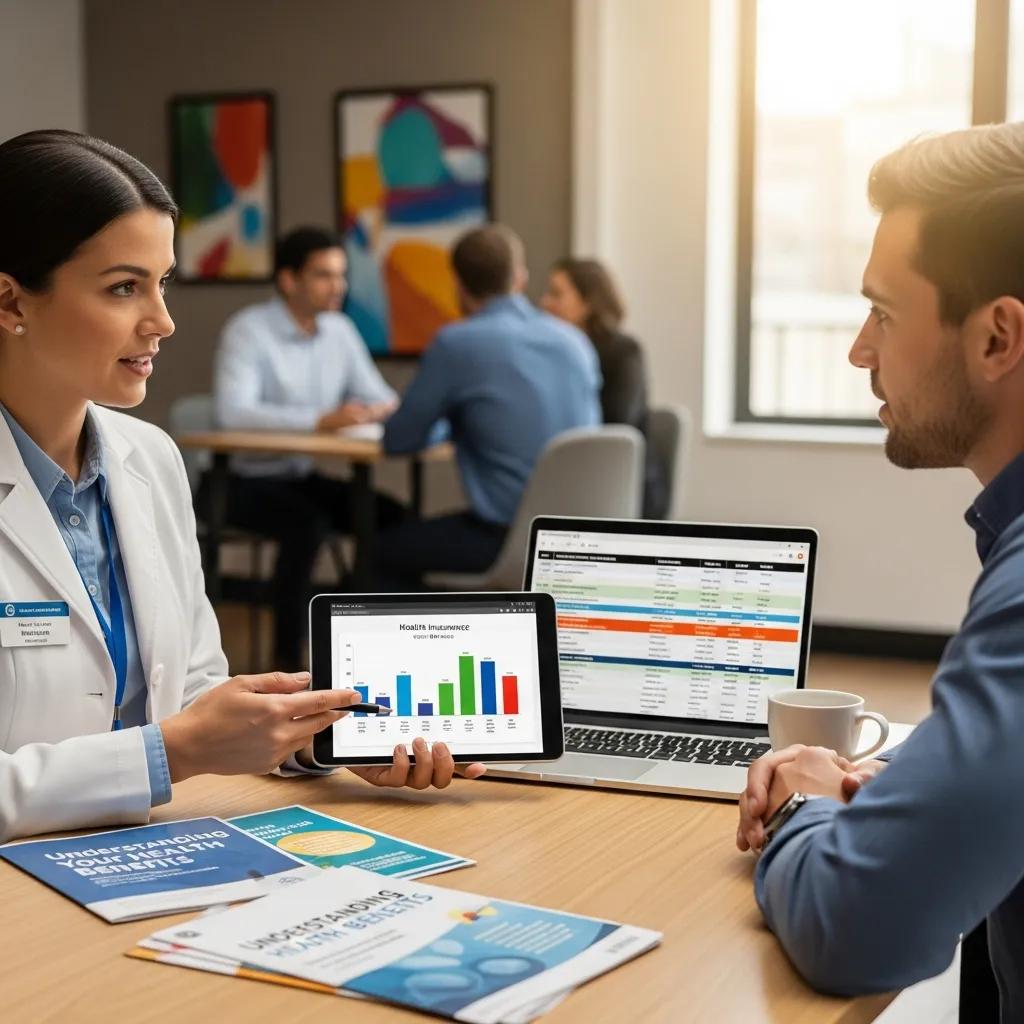
Group health insurance costs in Michigan’s middle market are experiencing significant changes, primarily driven by rising premiums and the increasing complexity of healthcare options. As healthcare costs continue to escalate, companies are seeking effective cost management strategies to mitigate the financial burden on both employers and employees. This includes exploring alternative insurance models and negotiating with brokers to secure more favorable terms.
Additionally, the utilization of health savings accounts (HSAs) and flexible spending accounts (FSAs) is becoming more prevalent as companies look for ways to empower employees to manage their healthcare expenses. By providing employees with tools to make informed decisions about their healthcare, companies can foster a culture of health and wellness while controlling costs. Understanding these evolving dynamics is essential for mid-sized companies to navigate the complexities of group health insurance effectively.
What Is the Adoption Rate of Alternative Health Reimbursement Arrangements like QSEHRA and ICHRA?
The adoption rate of alternative health reimbursement arrangements (HRAs) such as Qualified Small Employer Health Reimbursement Arrangement (QSEHRA) and Individual Coverage Health Reimbursement Arrangement (ICHRA) is on the rise among mid-sized companies in Michigan. These arrangements offer employers a flexible way to provide health benefits while allowing employees to choose their coverage based on individual needs.
This trend is further supported by research highlighting the increasing popularity of these flexible health insurance options.
Current trends indicate that many companies are increasingly adopting QSEHRA and ICHRA due to their potential for cost savings and enhanced employee satisfaction. By offering these alternatives, employers can provide a more personalized benefits experience, which is particularly appealing to younger employees who value choice and flexibility in their healthcare options. As the adoption of these arrangements continues to grow, it is crucial for companies to understand the regulatory requirements and best practices for implementation.
Indeed, the versatility of ICHRA and QSEHRA is underscored by their suitability for businesses of any size, offering broad applicability.
How to Benchmark Group Health Insurance and Related Benefits for Michigan Companies?
Benchmarking group health insurance and related benefits is a critical process for Michigan companies aiming to remain competitive in the labor market. To effectively benchmark, companies should follow a structured approach that includes defining objectives, collecting internal data, and identifying peer groups for comparison.
Research further emphasizes the importance of robust data sources for accurate health insurance benchmarking.
- Define Objectives: Establish clear goals for what the benchmarking process aims to achieve, such as improving employee satisfaction or reducing costs.
- Collect Internal Data: Gather data on current benefits offerings, employee demographics, and utilization rates to create a comprehensive picture of existing benefits.
- Identify Peer Groups: Select comparable organizations within the same industry or region to benchmark against, ensuring that the data collected is relevant and actionable.
By following these steps, companies can gain valuable insights into their benefits offerings and identify areas for improvement.
What Metrics Define Effective Group Health Insurance Benchmarking?
Effective group health insurance benchmarking relies on several key metrics that provide insights into the performance and effectiveness of benefits offerings. These metrics include participation rates, cost per employee, and employee satisfaction levels.
- Participation Rates: This metric measures the percentage of employees enrolled in the offered health insurance plans, indicating the attractiveness of the benefits package.
- Cost per Employee: Understanding the total cost of health insurance per employee helps companies assess the financial impact of their benefits offerings and identify potential areas for cost savings.
- Employee Satisfaction: Regular surveys and feedback mechanisms can gauge employee satisfaction with the benefits provided, allowing companies to make data-driven adjustments to their offerings.
By focusing on these metrics, companies can ensure that their benefits strategies align with employee needs and organizational goals.
How Do Dental, Vision, Disability, and Life Insurance Fit into Benefits Benchmarking?
Dental, vision, disability, and life insurance are essential components of a comprehensive benefits package that should be included in benefits benchmarking efforts. These ancillary benefits not only enhance the overall attractiveness of the benefits offering but also play a crucial role in employee well-being.
- Participation Rates: Tracking participation rates in dental and vision plans can provide insights into employee preferences and the perceived value of these benefits.
- Cost per Employee: Analyzing the costs associated with providing these benefits helps companies understand their financial commitments and identify opportunities for cost management.
- Impact on Employee Satisfaction: Research shows that offering a robust suite of ancillary benefits can significantly enhance employee satisfaction and retention, making it a vital consideration in benefits benchmarking.
Incorporating these factors into benchmarking efforts allows companies to create a more holistic view of their benefits offerings and their impact on employee engagement.
What Are Best Practices for Developing Benefits Strategies for Mid-Sized Companies in Michigan?

Developing effective benefits strategies for mid-sized companies in Michigan requires a thoughtful approach that considers the unique needs of the workforce. Best practices include:
- Comprehensive Benefits Packages: Offering a diverse range of benefits that cater to various employee needs, including health, wellness, and financial security.
- Benchmarking: Regularly comparing benefits offerings against industry standards to ensure competitiveness and relevance.
- Utilizing Cost-Control Tools: Implementing tools and strategies to manage benefits costs effectively, such as wellness programs and preventive care initiatives.
By adopting these best practices, mid-sized companies can create benefits strategies that not only attract talent but also foster a positive workplace culture.
How Can Companies Integrate Voluntary and Alternative Benefits to Improve Employee Retention?
Integrating voluntary and alternative benefits into the overall benefits strategy can significantly enhance employee retention. Companies can achieve this by understanding employee needs and preferences, offering comprehensive benefits packages, and leveraging voluntary benefits to provide additional support.
- Understanding Employee Needs: Conducting regular surveys and feedback sessions can help companies identify the benefits that matter most to their employees.
- Offering Comprehensive Benefits: A well-rounded benefits package that includes both mandatory and voluntary options can cater to diverse employee needs and preferences.
- Leveraging Voluntary Benefits: Providing options such as supplemental insurance, wellness programs, and flexible spending accounts can enhance the overall benefits experience and improve retention rates.
By focusing on these strategies, companies can create a more engaging and supportive work environment that encourages employees to stay long-term.
What Middle-Market Employers Tend to Get Right and Wrong
Employers between roughly 100 and 1,000 employees occupy an awkward position: large enough that their own claims drive their cost, not always large enough to have dedicated benefits staff. A few patterns recur.
Commonly done well:
- Shopping the medical market properly at renewal, since this is the most visible line and the one leadership asks about.
- Maintaining competitive employer contributions, because retention pressure makes it a live issue.
Commonly missed:
- Pharmacy treated as a line item rather than a contract. At this size pharmacy is typically a substantial share of spend and the fastest growing part, yet the contract terms — how specialty is defined, how rebates are defined, whether pricing is pass-through — often go unexamined for years.
- Claims data left uncollected. Once a group is large enough for the carrier to release utilization and large-claim reporting, that data is the basis of every subsequent decision. Groups that do not ask for it decide on premium alone.
- Compliance drift. Plan documents that were never updated, an SPD that is really the carrier booklet, Form 5500 filed without checking the Schedule A, and the gag clause attestation missed entirely.
- Stop-loss contract terms accepted as presented. Whether coverage is written on a paid or incurred basis, and whether individuals are lasered, matters more than the stop-loss premium.
- Dependent eligibility never verified. Groups that have never audited dependent eligibility are usually covering some people who are not eligible.
The through-line is that the visible items get attention and the contractual ones do not, which is the opposite of where the money sits at this size.
How Does Michigan’s Benefits Compliance Impact Middle Market Companies?
Compliance with state and federal regulations is a critical aspect of managing employee benefits for middle market companies in Michigan. Specific regulations, such as the Affordable Care Act (ACA) and state-specific mandates, can significantly impact how companies structure their benefits offerings.
- Specific Regulations: Companies must stay informed about the latest compliance requirements to avoid penalties and ensure that their benefits packages meet legal standards.
- Compliance Challenges: Navigating the complexities of benefits compliance can be challenging, particularly for mid-sized companies with limited resources.
- Effects on Employee Benefits Strategies: Understanding compliance requirements is essential for developing benefits strategies that not only attract talent but also adhere to legal standards.
By prioritizing compliance, companies can mitigate risks and create a more sustainable benefits framework.
What Are Key Compliance Requirements for Employee Benefits in Michigan?
Key compliance requirements for employee benefits in Michigan include adherence to the Affordable Care Act (ACA), IRS reporting requirements, and state regulations. Companies must ensure that their benefits offerings meet these standards to avoid potential penalties and legal issues.
- ACA Compliance: Employers must provide affordable health insurance options that meet minimum essential coverage requirements.
- IRS Reporting Requirements: Accurate reporting of health coverage information is essential for compliance with federal regulations.
- State Regulations: Michigan-specific regulations may impose additional requirements that companies must adhere to when structuring their benefits packages.
By understanding and implementing these compliance requirements, companies can create a robust benefits strategy that aligns with legal standards.
How Can Companies Ensure Ongoing Compliance While Managing Benefits Costs?
Ensuring ongoing compliance while managing benefits costs requires a proactive approach that includes regular compliance audits, training for HR personnel, and the implementation of cost management strategies.
- Cost Management Strategies: Companies can explore various cost-control measures, such as wellness programs and preventive care initiatives, to manage benefits expenses effectively.
- Regular Compliance Audits: Conducting periodic audits can help identify potential compliance gaps and ensure that benefits offerings align with legal requirements.
- Training for HR Personnel: Providing training and resources for HR staff can enhance their understanding of compliance requirements and best practices for managing benefits.
By prioritizing compliance and cost management, companies can create a sustainable benefits framework that supports both employee needs and organizational goals.
What Tools and Data Sources Support Effective HR Benefits Benchmarking in Michigan?
Several tools and data sources can support effective HR benefits benchmarking for Michigan companies. These resources include compensation and benefits surveys, government data, and industry-specific reports.
- Compensation and Benefits Surveys: Participating in industry surveys can provide valuable insights into competitive benefits offerings and market trends.
- Government Data: Utilizing government resources can help companies stay informed about regulatory changes and compliance requirements.
- Industry-Specific Reports: Accessing reports tailored to specific industries can enhance benchmarking efforts by providing relevant data and insights.
By leveraging these tools and data sources, companies can enhance their benchmarking processes and make informed decisions about their benefits offerings.
Which Benchmarking Reports and Surveys Are Most Relevant for Middle Market Companies?
When it comes to benchmarking reports and surveys, mid-sized companies in Michigan should focus on local and national surveys that provide insights into industry standards and trends. Relevant reports may include:
- Local Surveys: These surveys often provide data specific to Michigan’s middle market, allowing companies to compare their benefits offerings against regional competitors.
- National Surveys: National reports can offer broader insights into industry trends and best practices, helping companies stay competitive on a larger scale.
- Consultant and Broker Data: Engaging with benefits consultants and brokers can provide access to valuable benchmarking data and insights tailored to specific industries.
By utilizing these resources, companies can enhance their understanding of competitive benchmarks and make informed decisions about their benefits strategies.
How Can Interactive Tools and Visuals Enhance Benefits Analysis and Decision-Making?
Interactive tools and visuals play a crucial role in enhancing benefits analysis and decision-making for mid-sized companies. These tools can provide access to real-time data, facilitate comparisons of benefits packages, and support informed decision-making.
- Access to Real-Time Data: Interactive dashboards can provide HR teams with up-to-date information on benefits utilization and employee preferences, enabling more agile decision-making.
- Comparison of Benefits Packages: Visual tools can help companies compare different benefits offerings side by side, making it easier to identify strengths and weaknesses.
- Informed Decision-Making: By leveraging interactive tools, companies can make data-driven decisions that align with employee needs and organizational goals.
Incorporating these tools into the benefits analysis process can lead to more effective strategies and improved employee satisfaction.
How to Monitor and Update HR Benefits Benchmarking for Michigan Companies Over Time?
Monitoring and updating HR benefits benchmarking is essential for Michigan companies to remain competitive in the evolving labor market. Strategies for effective monitoring include:
- Regular Reviews: Conducting periodic reviews of benefits offerings can help companies identify areas for improvement and ensure alignment with employee needs.
- Employee Feedback: Gathering feedback from employees through surveys and focus groups can provide valuable insights into the effectiveness of benefits packages.
- Utilize Industry Data Sources: Staying informed about industry trends and benchmarks can help companies adjust their benefits strategies in response to changing market conditions.
By implementing these strategies, companies can ensure that their benefits offerings remain relevant and competitive over time.
What KPIs and Metrics Should Be Tracked for Benefits Performance?
Tracking key performance indicators (KPIs) and metrics is essential for evaluating the effectiveness of benefits offerings. Important KPIs to consider include:
- Participation Rates: Monitoring the percentage of employees enrolled in benefits programs can provide insights into the attractiveness of the offerings.
- Cost per Employee: Analyzing the total cost of benefits per employee helps companies assess the financial impact of their benefits strategies.
- Employee Satisfaction: Regularly measuring employee satisfaction with benefits can inform adjustments and improvements to the offerings.
By focusing on these KPIs, companies can gain valuable insights into the performance of their benefits programs and make data-driven decisions.
How to Incorporate Legislative and Market Changes into Benefits Benchmarking?
Incorporating legislative and market changes into benefits benchmarking requires a proactive approach that includes regular updates and engagement with benefits brokers. Companies should:
- Regular Updates: Stay informed about changes in legislation that may impact benefits offerings, ensuring compliance and relevance.
- Engage with Benefits Brokers: Collaborating with benefits brokers can provide insights into market trends and help companies adapt their offerings accordingly.
- Monitor Local Labor Market Dynamics: Understanding local labor market conditions can inform benefits strategies and ensure competitiveness in attracting talent.
By prioritizing these strategies, companies can effectively adapt their benefits offerings to align with changing legislative and market conditions.
What Frequently Asked Questions Do Michigan Mid-Sized Companies Have About Employee Benefits Benchmarking?
Michigan mid-sized companies often have several common questions regarding employee benefits benchmarking, including:
- How can I control costs while offering competitive benefits?
- What are the most important metrics to track for benefits performance?
- How do I ensure compliance with state and federal regulations?
Addressing these questions can help companies navigate the complexities of benefits benchmarking and develop effective strategies that align with their organizational goals.
What Are Typical Employee Benefits for Companies with 50–500 Employees in Michigan?
Typical employee benefits for companies with 50 to 500 employees in Michigan often include a mix of health insurance, retirement plans, and wellness programs. Common offerings include:
- Health Insurance: Comprehensive health insurance plans that meet ACA requirements are standard for mid-sized companies.
- Retirement Plans: Many companies offer 401(k) plans with employer matching to support employees’ long-term financial security.
- Wellness Programs: Initiatives aimed at promoting employee health and well-being, such as fitness challenges and mental health resources, are increasingly popular.
By providing a well-rounded benefits package, companies can enhance employee satisfaction and retention.
How Can Benchmarking Improve Benefits Cost Management and Employee Satisfaction?
Benchmarking can significantly improve benefits cost management and employee satisfaction by providing insights into industry standards and best practices. Companies can:
- Identify Cost Inefficiencies: By comparing their benefits offerings against industry benchmarks, companies can identify areas where costs may be excessive and make necessary adjustments.
- Optimize Benefits Packages: Understanding competitive offerings allows companies to tailor their benefits packages to meet employee needs while managing costs effectively.
- Leverage Data for Negotiations: Armed with benchmarking data, companies can negotiate better terms with insurance providers and vendors, leading to cost savings.
By leveraging benchmarking, companies can create a more effective benefits strategy that balances cost management with employee satisfaction.
How to Implement Structured Data and Semantic SEO to Enhance HR Benefits Benchmarking Content?
Implementing structured data and semantic SEO strategies can enhance the visibility and effectiveness of HR benefits benchmarking content. Companies should:
- Identify Relevant Schema Markup Types: Utilizing schema markup can improve search engine understanding of benefits content, leading to better indexing and visibility.
- Implementing Schema Markup: Adding structured data to benefits pages can enhance search results and improve click-through rates.
- Optimizing Content for Semantic SEO: Focusing on keyword integration and semantic relationships can improve content relevance and search engine rankings.
By adopting these strategies, companies can enhance their online presence and ensure that their benefits content reaches the intended audience effectively.
For additional support and guidance, contact us to explore tailored solutions for your organization.
What are typical employee benefits like dental, vision, disability, and life insurance?
These benefits are essential components of a comprehensive benefits package that should be included in benefits benchmarking efforts. These ancillary benefits not only enhance the overall attractiveness of the benefits offering but also play a crucial role in employee well-being.
How can companies ensure ongoing compliance while managing benefits costs?
Ensuring ongoing compliance while managing benefits costs requires a proactive approach that includes regular compliance audits, training for HR personnel, and the implementation of cost management strategies.
Questions We Get
The questions employers ask us most are answered in full on our resources page.
Unhappy with your current broker? Switch to CFH. Your employees won’t notice. You will.
