

In the evolving landscape of human resources, the integration of technology into employee benefits management has become essential for organizations in Michigan. This comprehensive guide delves into the various employee benefits platforms and HR technology solutions available in the state, highlighting their features, benefits, and how they can streamline benefits administration. As businesses face challenges in managing employee benefits efficiently, leveraging advanced technology can provide significant advantages. This article will explore leading employee benefits platforms, the integration of health insurance solutions, flexible reimbursement arrangements, and the latest trends in HR technology adoption. By understanding these elements, Michigan employers can make informed decisions that enhance their employee benefits broker michigan.
10 min read
Michigan HR Benefits Technology & Software Guide
Michigan hosts a variety of employee benefits platforms that cater to the diverse needs of businesses. These platforms offer features that streamline benefits administration, enhance employee engagement, and ensure compliance with regulations.
How Does Employee Navigator Enhance Benefits Administration?
Employee Navigator is a robust platform that simplifies benefits administration through automation and user-friendly interfaces. It allows HR professionals to manage employee benefits efficiently, reducing administrative burdens. Key features include automated enrollment processes, real-time data updates, and comprehensive reporting capabilities. User testimonials highlight the platform’s intuitive design, which enhances the overall user experience and facilitates seamless integration with existing HR systems.
What Features Differentiate Top HRIS Solutions in Michigan?
When evaluating HRIS solutions in Michigan, several features stand out as differentiators. Customization options allow businesses to tailor the software to their specific needs, while advanced reporting capabilities provide insights into employee benefits utilization. Additionally, strong user support ensures that HR teams can navigate the system effectively. These features collectively enhance the efficiency of HR operations and improve employee satisfaction.
How Do Health Insurance Solutions Integrate with Benefits Technology in Michigan?
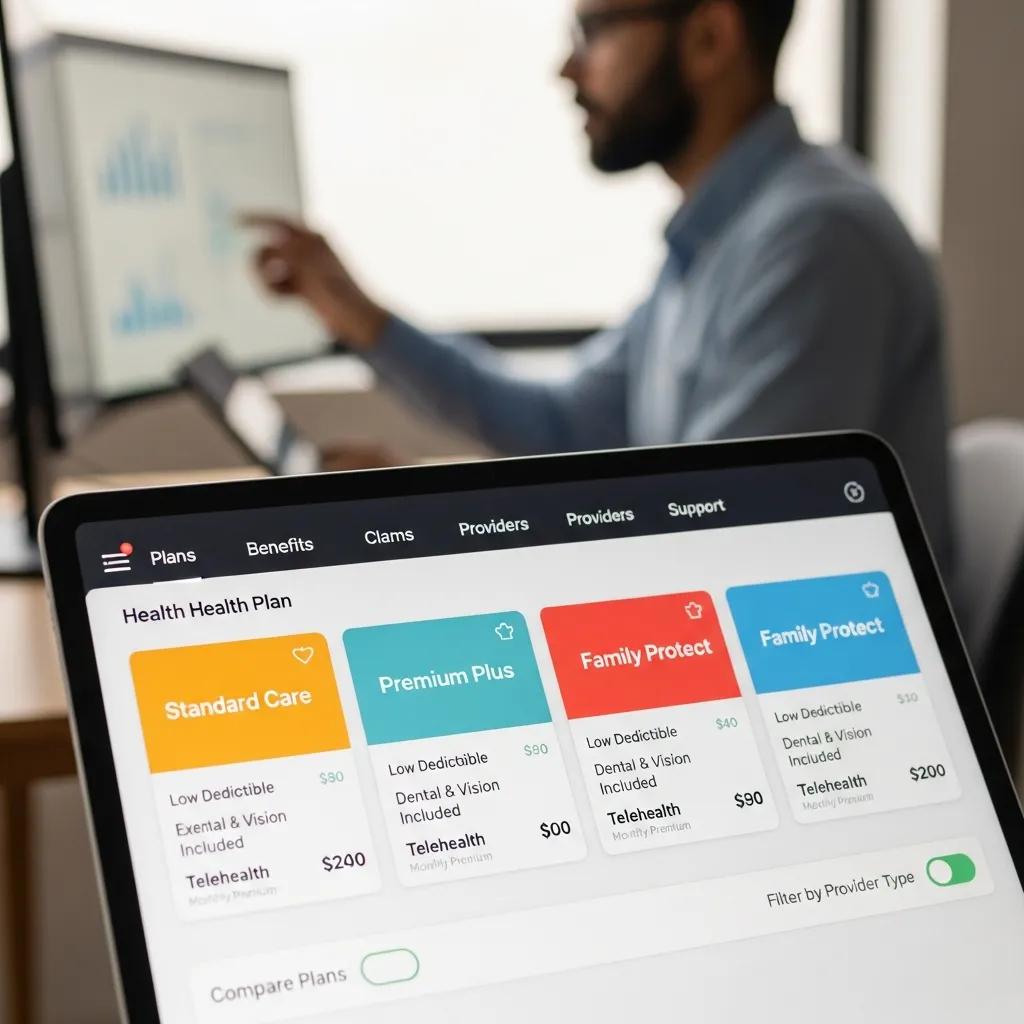
The integration of health insurance solutions with benefits technology is crucial for providing comprehensive employee benefits. This synergy allows for streamlined processes, improved data accuracy, and enhanced employee experiences.
What Are the Key Coverage Details of Michigan Group Health Insurance Plans?
Michigan group health insurance plans typically offer a range of coverage options, including medical, dental, and vision benefits. Employers can choose from various plan types, such as HMOs, PPOs, and high-deductible health plans. Coverage benefits often include preventive care, hospitalization, and prescription drug coverage, with cost considerations varying based on the selected plan. Understanding these details helps employers select the most suitable options for their workforce.
How Do Disability and Life Insurance Products Complement Employee Benefits?
Disability and life insurance products play a vital role in enhancing employee benefits packages. These products provide financial protection for employees and their families, demonstrating an employer’s commitment to their well-being. By offering such benefits, companies can improve employee retention and satisfaction, making them more attractive to potential talent. The integration of these products into overall benefits strategies is essential for fostering a supportive workplace environment.
What Are Flexible Reimbursement Arrangements Like QSEHRA and ICHRA in Michigan?

Flexible reimbursement arrangements, such as Qualified Small Employer Health Reimbursement Arrangements (QSEHRA) and Individual Coverage Health Reimbursement Arrangements (ICHRA), offer innovative solutions for employee benefits in Michigan. These arrangements provide employers with the flexibility to reimburse employees for their health insurance premiums and out-of-pocket expenses.
How Do QSEHRA and ICHRA Improve Employee Benefits Flexibility?
QSEHRA and ICHRA enhance employee benefits flexibility by allowing employees to choose their health insurance plans. This choice empowers employees to select coverage that best fits their individual needs, promoting satisfaction and engagement. Additionally, these arrangements help employers manage costs while providing valuable benefits, making them an attractive option for many businesses.
What Are IRS Guidelines and Compliance Requirements for These Arrangements?
Understanding IRS guidelines and compliance requirements for QSEHRA and ICHRA is crucial for employers. These arrangements must adhere to specific eligibility criteria, contribution limits, and reporting obligations. Employers should stay informed about these regulations to avoid potential penalties and ensure that their benefits offerings remain compliant.
How HR Benefits Technology Michigan Companies Use Improves Compliance: How Does Payroll and Benefits Integration Streamline Workforce Management in Michigan?
Integrating payroll and benefits systems is essential for streamlining workforce management in Michigan. This integration reduces errors, enhances administrative efficiency, and improves compliance with regulatory requirements. By automating data entry and ensuring real-time updates, businesses can focus on strategic HR initiatives rather than administrative tasks.
What Are the Integration Capabilities of Leading Payroll Systems with Benefits Platforms?
Leading payroll systems in Michigan offer robust integration capabilities with benefits platforms. These systems enable seamless data synchronization, ensuring that employee information is consistently updated across platforms. Real-time updates facilitate accurate payroll processing and benefits administration, ultimately enhancing the overall employee experience.
How Does Integration Enhance Employee Experience and Administrative Efficiency?
The integration of payroll and benefits systems significantly enhances employee experience by providing a unified platform for managing HR-related tasks. Employees benefit from streamlined access to their benefits information, while HR teams experience improved administrative efficiency. This synergy fosters a more engaged workforce and allows HR professionals to allocate their time to more strategic initiatives.
What Are the Latest Compliance and Regulatory Updates Affecting HR Technology in Michigan?
Staying updated on compliance and regulatory changes is vital for businesses utilizing HR technology in Michigan. Recent updates may impact how companies manage employee benefits and data privacy. Employers should regularly review these changes to ensure their practices align with current regulations.
How Do Michigan Businesses Stay Compliant with Health Reimbursement Arrangement Regulations?
Michigan businesses can stay compliant with health reimbursement arrangement regulations by implementing robust compliance strategies. This includes regular training for HR personnel, maintaining accurate records, and conducting periodic audits of benefits programs. By prioritizing compliance, employers can mitigate risks and ensure that their benefits offerings remain competitive.
What Are the 2026 Trends in Benefits Technology Adoption in Michigan?
As we look towards 2026, several trends are emerging in benefits technology adoption in Michigan. Businesses are increasingly leveraging artificial intelligence and data analytics to enhance decision-making processes. Additionally, the demand for personalized employee experiences is driving the development of more tailored benefits solutions.
How Can Michigan Employers Choose the Best Workforce Management Software?
Selecting the best workforce management software involves evaluating several key features that align with organizational needs. Employers should consider integration capabilities, user experience, and compliance tracking as essential criteria in their decision-making process.
Have a Renewal Coming Up?
Send us your renewal and we will tell you whether the increase is competitive. We review it at no cost, and you only need four documents.
Send Us Your RenewalWhat Features Should Employers Prioritize in Workforce Management Solutions?
When choosing workforce management solutions, employers should prioritize features such as:
- Integration Capabilities: Ensure the software can seamlessly connect with existing HR and payroll systems.
- User Experience: Look for intuitive interfaces that enhance employee engagement and ease of use.
- Compliance Tracking: Select solutions that offer tools for monitoring regulatory compliance and reporting.
What Determines Whether a Benefits Technology Rollout Succeeds
Benefits administration implementations fail in predictable ways, and almost none of them are about the software being bad.
- Eligibility rules defined before configuration, not during. Waiting periods, rehire rules, how part-time hours are measured, when coverage ends on termination. Where these live only in someone’s head, the system encodes whatever was guessed at setup.
- Clean data going in. Duplicate records, wrong dates of birth and missing dependent Social Security numbers all survive migration and surface later as carrier feed rejections.
- A first-cycle audit against the carrier. Compare what the system says about enrollment against what the carrier has, line by line, before the first payroll of the new plan year. Configuration errors propagate faster once a feed is live, which makes this the single highest-value step.
- One system of record. If payroll and the benefits platform both believe they own eligibility, they will disagree, and it will surface as a denied claim.
- Realistic timing. Carrier EDI feeds require setup and testing on the carrier’s schedule, not yours. Starting an implementation close to open enrollment is how groups end up running the first year manually anyway.
What the technology genuinely removes is transcription error and timing gaps — nobody retyping an enrollment, and terminations transmitted on a known cadence rather than when someone remembers. What it does not remove is a wrong election or a mis-specified eligibility rule.
What Are the Benefits of Using Digital Enrollment and Benefits Analytics in Michigan?
Digital enrollment and benefits analytics offer significant advantages for Michigan employers. These tools streamline the enrollment process, reduce administrative burdens, and enhance employee engagement through data-driven insights.
How Does AI-Driven Benefits Analytics Improve Decision Making?
AI-driven benefits analytics improve decision-making by providing personalized insights into employee preferences and behaviors. This technology enables HR teams to tailor benefits offerings to meet the unique needs of their workforce, ultimately enhancing satisfaction and retention.
What Are the Advantages of Cloud-Based Benefits Platforms for Michigan Employers?
Cloud-based benefits platforms offer several advantages for Michigan employers, including:
- Scalability: Easily adjust benefits offerings as the organization grows.
- Remote Management: Access benefits information from anywhere, facilitating remote work.
- Improved Data Accuracy: Centralized data storage reduces errors and enhances reporting capabilities.
Where Can Employers Find Support and Resources for HR & Benefits Technology in Michigan?
Employers seeking support and resources for HR and benefits technology in Michigan can access various consulting firms, regulatory bodies, and professional associations. These resources provide valuable insights and guidance on best practices and compliance.
What Industry Feeds and Alerts Help Track Regulatory Changes?
Employers can utilize industry feeds and alerts to stay informed about regulatory changes affecting HR technology. Subscribing to relevant newsletters and following industry leaders on social media can provide timely updates and insights.
How Do FAQs and Structured Data Enhance User Understanding?
FAQs and structured data play a crucial role in enhancing user understanding of benefits technology. By providing clear and accessible information, employers can empower employees to make informed decisions about their benefits options, ultimately improving engagement and satisfaction.
HR Benefits Technology Michigan: Local Market Insights
Michigan’s diverse employer landscape presents unique challenges and opportunities for HR benefits technology adoption. From Detroit’s automotive giants to Grand Rapids’ healthcare systems and West Michigan’s manufacturing base, each sector has distinct HR technology needs. The state’s large unionized workforce, particularly in automotive and manufacturing industries, creates complex benefits administration requirements that modern HR tech platforms help manage efficiently.
Michigan’s Department of Insurance and Financial Services (DIFS) provides oversight to ensure compliance with state insurance regulations. Compliant HR benefits platforms assist employers in staying current with these evolving rules, reducing risk and administrative burden.
Increasingly, Michigan employers are adopting cloud-based HRIS platforms such as Workday, ADP Workforce Now, and BambooHR to manage benefits across multiple locations seamlessly. These platforms offer scalability and flexibility suited to the state’s varied business environments.
CFH Insurance Consultants plays a key role in helping Michigan employers select and integrate HR benefits technology solutions tailored to their workforce size, industry, and compliance needs, ensuring optimal benefits administration and employee satisfaction.
Frequently Asked Questions About HR Benefits Technology in Michigan
What is HR benefits technology?
HR benefits technology encompasses software platforms and tools that automate employee benefits enrollment, eligibility management, carrier integrations, ACA reporting, and employee self-service portals. These technologies streamline benefits administration and improve the overall employee experience.
How does HR benefits technology help Michigan employers with ACA compliance?
Modern HR benefits platforms automate full-time employee (FTE) tracking, generate required IRS forms such as 1094-C and 1095-C, flag affordability issues, and maintain audit-ready records. This automation reduces the risk of IRS penalties and ensures employers meet Affordable Care Act compliance requirements efficiently.
What should Michigan employers look for in a benefits administration platform?
Key criteria include carrier connectivity for seamless data exchange, robust ACA reporting tools, employee self-service capabilities, mobile access, integration with existing HRIS systems, and dedicated support. Working with a knowledgeable broker can help employers evaluate and select the best platform for their needs.
How much does HR benefits technology cost for Michigan businesses?
Pricing models typically range from $4 to $15 per employee per month (PEPM), depending on the features and services included. Many brokers, including CFH Insurance Consultants, offer access to benefits platforms at no additional cost as part of their service, helping employers manage costs effectively.
Related Reading
Unhappy with your current broker? Switch to CFH. Your employees won’t notice. You will.
