

By Andrew Henze, CFH Insurance Consultants
Navigating the complexities of employee benefits administration can be a daunting task for small businesses in Michigan. This article delves into the various benefits administration services available, highlighting their importance in enhancing employee satisfaction and ensuring compliance with regulations. By understanding these services, employers can make informed decisions that positively impact their workforce. The focus will be on the key features, advantages, and best practices for implementing these services effectively. Additionally, we will explore how CFH Insurance Consultants can support businesses in Grand Rapids with tailored employee benefits consulting services.
Indeed, comprehensive resources often highlight the multifaceted nature of managing employee benefits, covering everything from health to financial aspects.
Comprehensive Employee Benefits Administration
comprehensively covers the administration of employee benefits in of employee benefits, health and retirement benefits, financial management and benefits,
Handbook of employee benefits and administration, CG Reddick, 2008
Available Services
Benefits administration services encompass a range of offerings designed to streamline the management of employee benefits. These services typically include:
- Employee Enrollment Processes: Simplifying the enrollment of employees into various benefit plans.
- Compliance Management: Ensuring adherence to federal and state regulations regarding employee benefits.
- Benefits Management: Overseeing the administration of health, dental, and vision insurance plans.
These services are crucial for small businesses aiming to provide competitive benefits while minimizing administrative burdens.
Michigan Benefits Administration: Enrollment, Compliance, Management
The key features of benefits administration services are designed to enhance efficiency and employee experience. These include:
- Open Enrollment Management: Facilitating a smooth open enrollment period for employees to select their benefits.
- FSA/HSA Management: Administering Flexible Spending Accounts (FSA) and Health Savings Accounts (HSA) to help employees manage healthcare costs.
- Analytics and Reporting: Providing insights into benefits usage and employee satisfaction to inform future decisions.
These features not only improve operational efficiency but also contribute to higher employee engagement.
Advantages
Utilizing benefits administration services offers several advantages for small businesses:
- Enhanced Employee Satisfaction: A well-managed benefits program can lead to increased employee morale and retention.
- Cost Efficiency: Streamlined processes reduce administrative costs and time spent on benefits management.
- Regulatory Compliance: Professional management helps ensure compliance with ever-changing regulations, reducing the risk of penalties.
These benefits underscore the importance of effective benefits administration in fostering a positive workplace environment.
Best Practices for Effective Implementation
To maximize the effectiveness of benefits administration services, businesses should consider the following best practices:
- Assess Current Processes: Evaluate existing benefits administration processes to identify areas for improvement.
- Choose the Right System: Select a benefits administration system that aligns with the specific needs of the business and its employees.
- Provide Training: Ensure that staff are adequately trained on the benefits administration system to facilitate smooth operations.
Implementing these best practices can lead to a more efficient and effective benefits administration process.
What Employee Benefits Consulting Services Are Available in Grand Rapids Michigan?

In Grand Rapids, businesses can access a variety of employee benefits consulting services tailored to their unique needs. These services include:
- Benefits Plan Design and Customization: Creating customized benefits plans that align with the company’s goals and employee needs.
- Compliance Expertise and Risk Mitigation: Providing guidance on compliance with regulations to minimize legal risks.
- Ongoing Support: Offering continuous support to address any issues that arise during the benefits administration process.
CFH Insurance Consultants specializes in these areas, helping businesses navigate the complexities of employee benefits.
How CFH Insurance Consultants Support Employee Benefits Planning
CFH Insurance Consultants plays a vital role in assisting businesses with their employee benefits planning. Their services include:
- Assessment and Improvement: Evaluating current benefits offerings and suggesting improvements to enhance employee satisfaction.
- Tailored Software Solutions: Implementing software solutions that streamline benefits administration processes.
- Compliance Assistance: Providing expert guidance on compliance with federal and state regulations.
By leveraging their expertise, businesses can ensure that their benefits programs are both effective and compliant.
Key Features of Employee Benefits Brokers in Grand Rapids
Employee benefits brokers in Grand Rapids offer several key features that can significantly benefit small businesses:
- Tailored Solutions: Brokers provide customized benefits solutions that meet the specific needs of each business.
- Comprehensive Benefits Packages: They can offer a wide range of benefits options, including health, dental, and vision insurance.
- Cost Management: Brokers help businesses manage costs associated with employee benefits, ensuring they remain competitive.
These features make brokers an invaluable resource for businesses looking to enhance their employee benefits offerings.
How Do Group Health Insurance Plans Work for Michigan Employers?
Group health insurance plans are designed to provide coverage for employees of a business under a single policy. These plans typically work by pooling the risk among all employees, which can lead to lower premiums compared to individual plans. Employers can choose from various coverage options, including: group health insurance costs.
- Coverage Options: Different levels of coverage, such as HMO, PPO, or EPO plans.
- Cost-Sharing Structures: Employers can determine how costs are shared between the company and employees.
- Compliance Requirements: Employers must adhere to specific regulations regarding group health insurance.
Understanding how these plans work is essential for employers to make informed decisions about their benefits offerings.
Comparing Group Health Insurance Options in Michigan
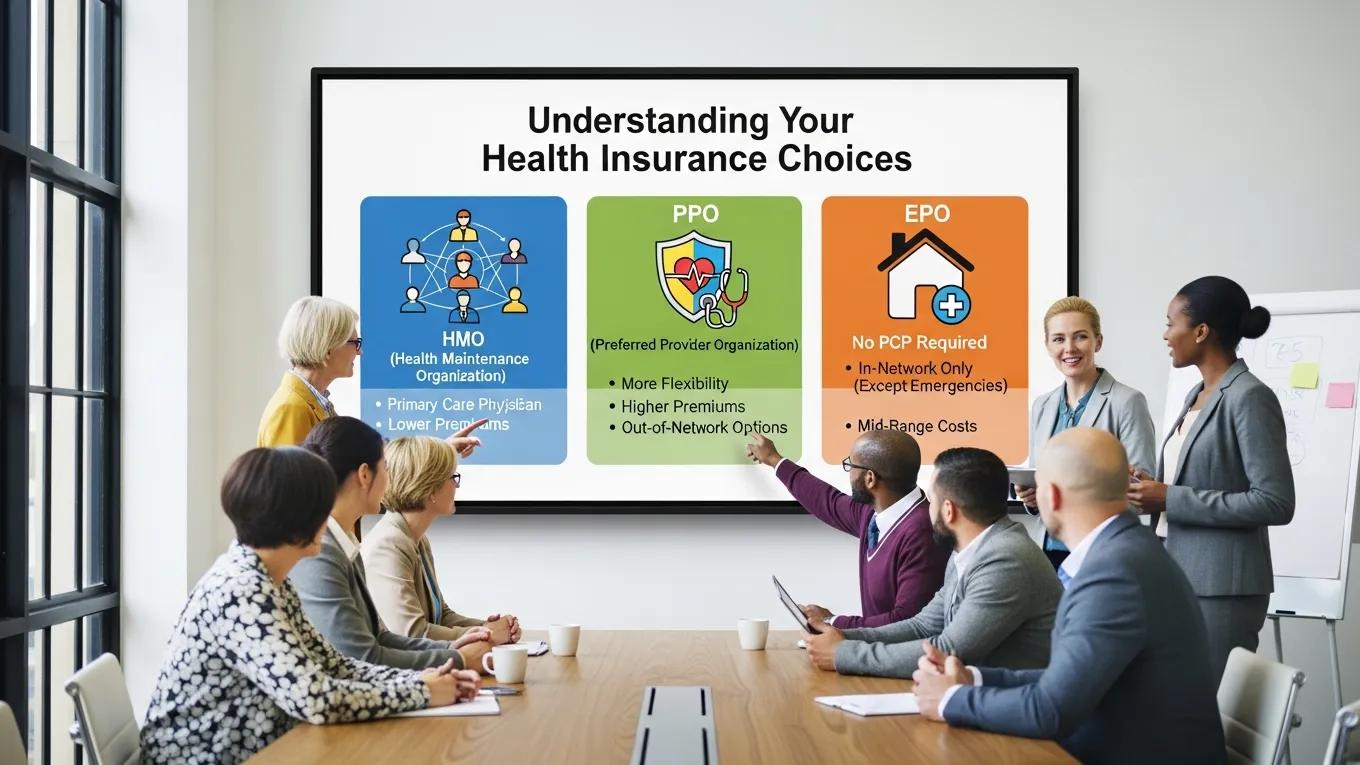
When comparing group health insurance options in Michigan, businesses should consider several factors:
- HMO vs PPO vs EPO: Understanding the differences between these plan types can help businesses choose the best fit for their employees.
- Cost-Effectiveness: Evaluating the overall costs associated with each plan, including premiums and out-of-pocket expenses.
- Employer Contributions: Determining how much the business will contribute towards employee premiums.
This comparative analysis can guide employers in selecting the most suitable health insurance options for their workforce.
Eligibility and Coverage Details for Michigan Employees
Eligibility for group health insurance in Michigan typically depends on several factors, including:
- Eligibility Criteria: Employees must meet specific criteria, such as hours worked or length of employment, to qualify for coverage.
- Coverage Options: Employers can offer various coverage options to meet the diverse needs of their employees.
- Typical Plans: Common plans include comprehensive health insurance, dental, and vision coverage.
Understanding these details is crucial for both employers and employees to ensure adequate coverage.
What Are QSEHRA and ICHRA Plans in Michigan Benefits Administration?
Qualified Small Employer Health Reimbursement Arrangements (QSEHRA) and Individual Coverage Health Reimbursement Arrangements (ICHRA) are innovative benefits administration options for small businesses in Michigan.
- Definitions: QSEHRA allows small employers to reimburse employees for individual health insurance premiums, while ICHRA provides a similar structure but with more flexibility in plan design.
- Benefits: Both plans offer tax advantages and can help businesses attract and retain talent by providing personalized health benefits.
- Eligibility Requirements: Employers must meet specific criteria to offer these plans, ensuring compliance with regulations.
These options represent a shift towards more flexible benefits administration, catering to the unique needs of employees.
Benefits of QSEHRA for Small Businesses in Michigan
QSEHRA offers several benefits for small businesses in Michigan:
- Flexibility in Health Benefits: Employers can tailor reimbursements to meet the specific needs of their employees.
- Cost Control: By reimbursing employees for individual health insurance premiums, businesses can better manage their healthcare costs.
- Attracting and Retaining Talent: Offering QSEHRA can enhance a company’s appeal to potential employees, making it easier to attract and retain top talent.
These advantages make QSEHRA an attractive option for small businesses looking to enhance their benefits offerings.
How ICHRA Enhances Flexible Benefits Administration
ICHRA provides a modern approach to benefits administration, allowing employers to offer more personalized health benefits. Key features include: ichra
- Customizable Contribution Amounts: Employers can set different reimbursement amounts based on employee classes, providing flexibility.
- Employee Choice: Employees can choose their health insurance plans, ensuring they select coverage that best meets their needs.
- Tax Advantages: ICHRA offers tax benefits for both employers and employees, making it a financially savvy option.
This flexibility can significantly enhance employee satisfaction and engagement.
For small businesses in Michigan, ICHRA presents a particularly valuable option for offering flexible health benefits, as further explored by industry insights.
Michigan Small Business ICHRA Health Benefits
However, for businesses that do not provide health insurance of all small businesses with fewer than 50 employees in Michigan — the ICHRA is worth investigating as a new benefit that
An Emerging Health Insurance Option Primarily for Small Business—Individual Coverage HRA, 2021
How Can Small Businesses Manage Benefits Administration Effectively in Michigan?
To manage benefits administration effectively, small businesses in Michigan should consider the following strategies:
- Utilize Benefits Administration Software: Implementing software can streamline processes and reduce administrative burdens.
- Consult with Experts: Engaging with benefits consultants can provide valuable insights and guidance.
- Employee Education: Providing resources and training for employees can enhance their understanding of available benefits.
These strategies can lead to a more efficient and effective benefits administration process.
Compliance Requirements and Enrollment Services Overview
Compliance with regulations is a critical aspect of benefits administration. Key requirements include: employer healthcare compliance services.
- Compliance Requirements: Employers must adhere to federal and state laws regarding employee benefits.
- Enrollment Processes: Establishing clear enrollment processes ensures that employees can easily access their benefits.
- Regulatory Obligations: Staying informed about changes in regulations is essential for maintaining compliance.
Understanding these requirements helps businesses avoid potential legal issues and ensures a smooth benefits administration process.
Effective benefits administration also necessitates a strong focus on compliance and security, as highlighted by recent research on managing employee benefits systems.
Employee Benefits Management & Compliance
to manage employee benefits, the security landscape surrounding these systems has become both critical and complex. Employee benefits to reactive compliance management, often
Balancing Security, Compliance, and
Performance in Employee Benefits Strategy Solutions, S Chaudhari, 2023
Technology Solutions for Streamlined Benefits Administration
Technology plays a vital role in modern benefits administration. Key solutions include:
- Technology Solutions: Utilizing software platforms can automate many aspects of benefits management.
- Software Options: Various software solutions are available, each offering unique features to enhance efficiency.
- Efficiency Improvements: Implementing technology can lead to significant time and cost savings for businesses.
By leveraging technology, small businesses can streamline their benefits administration processes and improve overall efficiency.