

Tailored Group Health Insurance for Michigan Small Businesses
Navigating the landscape of group health insurance can be a daunting task for small businesses in Michigan. With various options available, understanding the nuances of each plan is crucial for employers looking to provide comprehensive benefits to their employees. This article will delve into the key group health insurance options tailored for small businesses, the regulatory landscape, and how CFH Insurance Consultants can assist in optimizing these benefits. By addressing common pain points, such as affordability and compliance, we aim to equip small business owners with the knowledge they need to make informed decisions. We will explore the types of plans available, the impact of cost factors, and strategies for enhancing employee benefits packages.
What Are the Key Group Health Insurance Options for Small Businesses in Michigan?
Small businesses in Michigan have several group health insurance options to consider, each with its unique features and benefits. The primary types include:
- Health Maintenance Organizations (HMOs): These plans require members to choose a primary care physician and get referrals for specialist services. They often have lower premiums but less flexibility in choosing healthcare providers.
- Preferred Provider Organizations (PPOs): PPOs offer more flexibility in choosing healthcare providers and do not require referrals for specialists. However, they typically come with higher premiums.
- Exclusive Provider Organizations (EPOs): EPOs combine features of HMOs and PPOs, offering lower costs while allowing members to see specialists without referrals, but only within the network.
Understanding these options helps small business owners select the best plan that aligns with their budget and employee needs.
Understanding the range of available plans is crucial, as the choices offered by employers significantly shape employee options and overall plan value.
Small Business Health Plan Choices & Value
purchase any type of coverage they choose, whereas employees of small businesses will only be permitted to choose from among health plans offered at a value level chosen by their
Affordability of Health Insurance to Small Business: Implications of the Patient Protection and Affordable Care Act., EA Miller, 2011
Understanding Employer Group Health Insurance Plans in Michigan
Employer group health insurance plans in Michigan are designed to provide coverage for employees and their dependents. These plans typically offer a range of benefits, including preventive care, hospitalization, and prescription drug coverage. The advantages of group plans include:
- Cost-Effectiveness: Group plans often have lower premiums compared to individual plans due to the risk being spread across a larger pool of insured individuals.
- Tax Benefits: Employers can deduct the cost of premiums as a business expense, and employees may benefit from pre-tax contributions.
- Compliance with Regulations: Group plans must adhere to the Affordable Care Act (ACA) requirements, ensuring a minimum level of coverage.
CFH Insurance Consultants specializes in guiding small businesses through the complexities of selecting the right group health insurance plan, ensuring compliance and maximizing benefits.
Affordable Group Health Insurance Choices for Small Employers
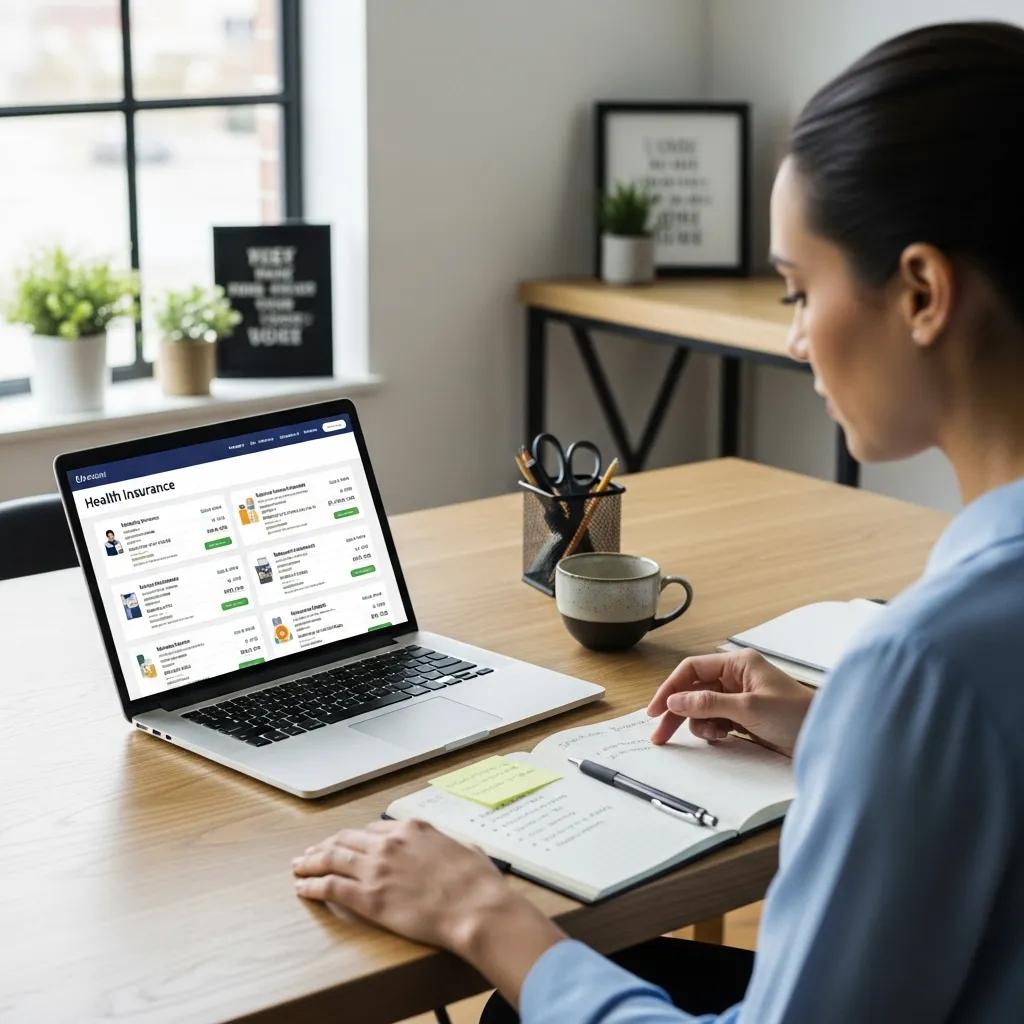
Finding affordable group health insurance is a priority for many small employers. Here are some cost-effective options to consider:
The pursuit of affordable health insurance for small businesses in Michigan has been a long-standing challenge, with historical data highlighting the difficulties in enrollment and accessibility.
Michigan Small Business Health Insurance Affordability
Although many of the smallbusiness owners we interviewed who are offered a health insurance plan by their employers The program in Flint, Michigan, was able to enroll fewer than
Affordability-Health Insurance, 1993
- Marketplace Plans: Small businesses can explore the Health Insurance Marketplace for plans that may qualify for tax credits, making them more affordable.
- Small Business Health Options Program (SHOP): This program allows small businesses to offer health insurance to their employees while potentially qualifying for tax credits.
- High-Deductible Health Plans (HDHPs): These plans typically have lower premiums and can be paired with Health Savings Accounts (HSAs) to help employees save for medical expenses.
By evaluating these options, small employers can find plans that fit their budget while providing essential coverage for their employees.
How Do Cost Factors and Affordability Impact Small Business Health Plans in Michigan?
Cost factors play a significant role in determining the affordability of health plans for small businesses. Key considerations include:
- Premium Rates: The overall cost of premiums can vary based on the type of plan, the number of employees covered, and the demographics of the workforce.
- Claims Experience: A business’s claims history can influence premium rates, with healthier groups often receiving lower rates.
- Plan Design: The structure of the health plan, including deductibles, copayments, and out-of-pocket maximums, directly impacts affordability.
The intricate relationship between a business’s claims history and future premium rates underscores a fundamental aspect of health insurance pricing, often leading to discussions about market dynamics.
Health Insurance Premiums & Market Failure for Small Groups
Typically, health insurance premiums depend at least in part on the previous costs of the insuring firm, a factor termed ‘experience rating’. This link between health status and future premiums raises concerns of market failure, since it limits the ability of firms to insure the price at which they can purchase insurance in future years.
Market failure in small group health insurance, DM Cutler, 1994
Understanding these factors allows small business owners to make informed decisions about their health insurance offerings, balancing cost with the need for comprehensive coverage.
Analyzing Premiums and Coverage Costs for Michigan Small Businesses
When analyzing premiums and coverage costs, small businesses should consider several influencing factors:
- Employee Demographics: The age and health status of employees can significantly affect premium costs. Younger, healthier employees typically result in lower premiums.
- Geographic Location: Premiums can vary by region within Michigan, influenced by local healthcare costs and provider availability.
- Plan Type: As previously mentioned, the choice between HMOs, PPOs, and EPOs can lead to different premium structures.
By carefully evaluating these elements, small businesses can better understand their health insurance costs and make strategic decisions.
Strategies to Optimize Employee Benefits Packages Affordably
To create an attractive benefits package without breaking the bank, small businesses can implement several strategies:
- Regular Benefits Review: Conducting annual reviews of benefits can help identify areas for cost savings and ensure offerings remain competitive.
- Wellness Programs: Implementing wellness initiatives can improve employee health and reduce overall healthcare costs.
- Flexible Spending Accounts (FSAs): Offering FSAs allows employees to set aside pre-tax dollars for medical expenses, enhancing their benefits without increasing employer costs.
These strategies not only help manage costs but also enhance employee satisfaction and retention.
What Are the Compliance and Regulatory Requirements for Group Health Insurance in Michigan?
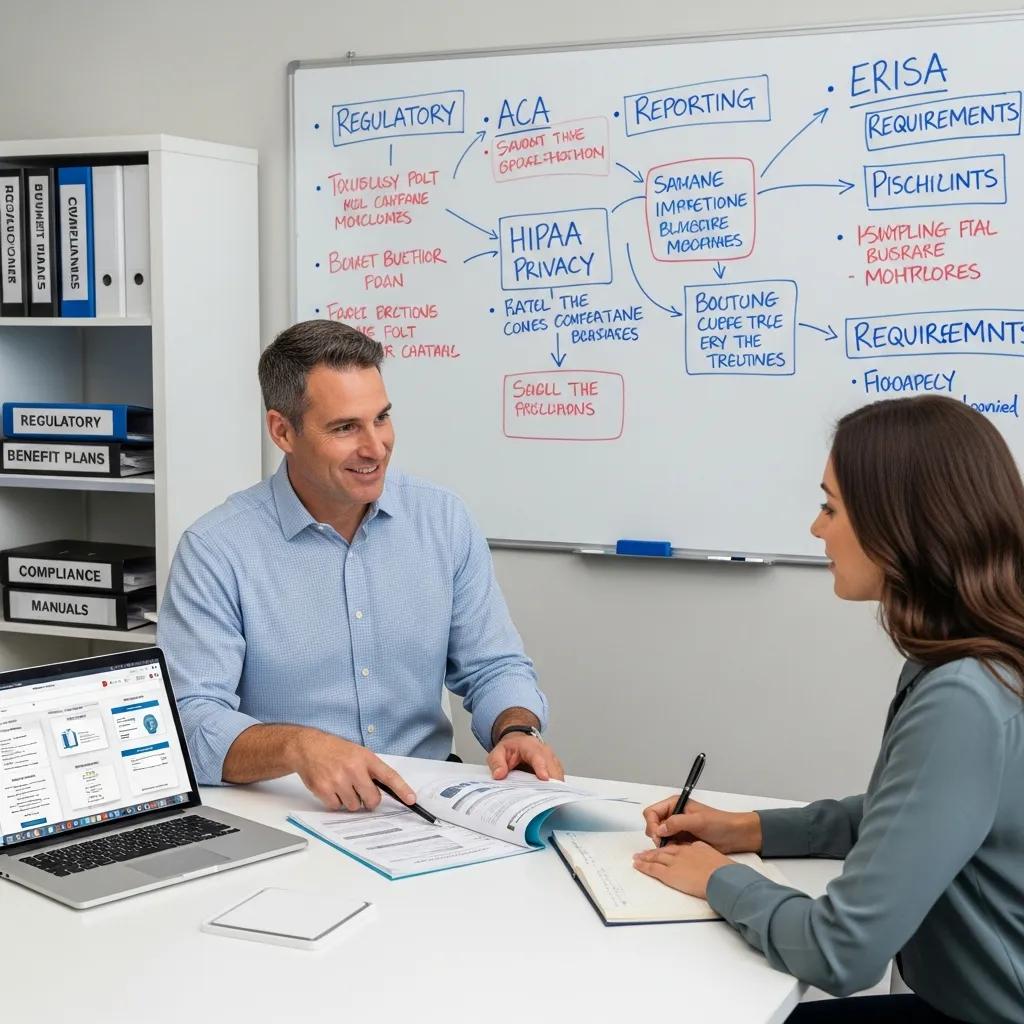
Compliance with regulatory requirements is essential for small businesses offering group health insurance. Key regulations include:
- Affordable Care Act (ACA): Employers must comply with ACA mandates, including providing minimum essential coverage and reporting requirements.
- IRS Reporting Requirements: Employers must report health coverage information to the IRS, ensuring compliance with tax regulations.
- Michigan Employer Mandate: Michigan has specific requirements for employers regarding health insurance offerings, which must be adhered to.
Understanding these regulations is crucial for avoiding penalties and ensuring that employee benefits meet legal standards.
Michigan State Insurance Regulations Affecting Small Employers
Michigan’s insurance regulations impact small employers in several ways:
- Michigan Insurance Code: This code governs the operation of insurance companies and the rights of policyholders, ensuring fair practices.
- ERISA Standards: The Employee Retirement Income Security Act (ERISA) sets standards for health plans in private industry, affecting how benefits are administered.
- Mini-COBRA Provisions: Michigan’s Mini-COBRA law extends health coverage to employees of small businesses who lose their jobs, providing additional protections.
By staying informed about these regulations, small businesses can navigate the complexities of health insurance more effectively.
Ensuring Compliance with Employee Benefits and Coverage Standards
To ensure compliance with employee benefits and coverage standards, small businesses should consider the following guidelines:
- Understanding Compliance Requirements: Familiarize yourself with federal and state regulations governing health insurance.
- Conducting Regular Audits: Regular audits of benefits packages can help identify compliance gaps and ensure adherence to legal standards.
- Engaging Consulting Services: Partnering with experts like CFH Insurance Consultants can provide valuable insights and support in maintaining compliance.
These practices help mitigate risks and ensure that employee benefits meet necessary standards.
How Can CFH Insurance Consultants Support Michigan Small Businesses with Group Health Insurance?
CFH Insurance Consultants offers tailored support for Michigan small businesses navigating group health insurance. Our services include:
- Complimentary Group Health Plan Review: We provide a thorough analysis of existing health plans to identify opportunities for improvement and cost savings.
- Carrier-Agnostic Advice: Our consultants offer unbiased recommendations based on the unique needs of each business, ensuring the best possible coverage options.
- Ongoing Support: We remain available to assist with compliance, plan adjustments, and employee communication, ensuring that businesses can focus on their core operations.
By leveraging our expertise, small businesses can enhance their health insurance offerings while ensuring compliance and affordability.
Personalized Consulting Services Tailored to Michigan Employers
At CFH Insurance Consultants, we understand that each small business has unique needs. Our personalized consulting services include:
- Tailored Solutions for Employers: We work closely with businesses to develop customized health insurance strategies that align with their goals and budget.
- Compliance Management: Our team helps ensure that all health plans meet regulatory requirements, reducing the risk of penalties.
- Ongoing Support: We provide continuous assistance, helping businesses adapt to changes in regulations and employee needs.
This personalized approach ensures that small businesses receive the support they need to thrive in a competitive market.
Case Studies Demonstrating Cost Savings and Compliance Success
CFH Insurance Consultants has a proven track record of helping small businesses achieve significant cost savings and compliance success. Here are a few examples:
- Cost Savings: A Michigan-based small business reduced its health insurance premiums by 20% through a comprehensive review and restructuring of its benefits package.
- Compliance Success: Another client successfully navigated complex regulatory changes with our guidance, avoiding potential penalties and ensuring employee satisfaction.
- Employee Satisfaction: By implementing a wellness program, a small employer saw a marked improvement in employee health and morale, leading to lower turnover rates.
These case studies illustrate the tangible benefits of working with CFH Insurance Consultants to optimize group health insurance solutions.