

Selecting the right independent insurance broker in Michigan can significantly impact your business’s financial health and risk management strategies. Independent brokers serve as intermediaries between clients and insurance companies, providing tailored solutions that meet specific needs. When working with a Michigan insurance agency, you gain access to local expertise and a broad range of insurance products. This article will guide you through the essential steps to choose an independent insurance broker, ensuring you make an informed decision that aligns with your business goals. We will explore the role of independent brokers, the benefits they offer, and the criteria for evaluating their services. Additionally, we will discuss how to verify their credentials and the importance of understanding Michigan’s insurance regulations.
Independent Insurance Broker in Michigan: Definition and Benefits
An independent insurance broker is a professional who represents multiple insurance companies, allowing them to offer a variety of policies tailored to their clients’ needs. Unlike captive agents who work for a single insurer, independent brokers have the flexibility to shop around for the best coverage options and prices. This approach is particularly beneficial in Michigan, where the insurance market is diverse and competitive. By choosing an independent broker, businesses can access a broader range of products and receive personalized service that aligns with their unique requirements.
Employers looking beyond the next quote can start with our health and cost strategy for fully insured plans.
Benefits of Using an Independent Insurance Broker for Michigan Businesses
Utilizing an independent insurance broker offers several advantages for businesses in Michigan:
- Expertise in Local Market: Independent brokers possess in-depth knowledge of the Michigan insurance landscape, enabling them to provide insights into the best coverage options available.
- Compliance Knowledge: They stay updated on state regulations and compliance requirements, ensuring that your business adheres to all necessary laws.
- Customized Benefits Packages: Brokers can tailor insurance packages to meet the specific needs of your business, providing coverage that is both comprehensive and cost-effective.
For businesses looking to optimize their insurance strategies, partnering with a knowledgeable broker can enhance your risk management approach.
How to Verify Licensing and Credentials of Michigan Insurance Brokers
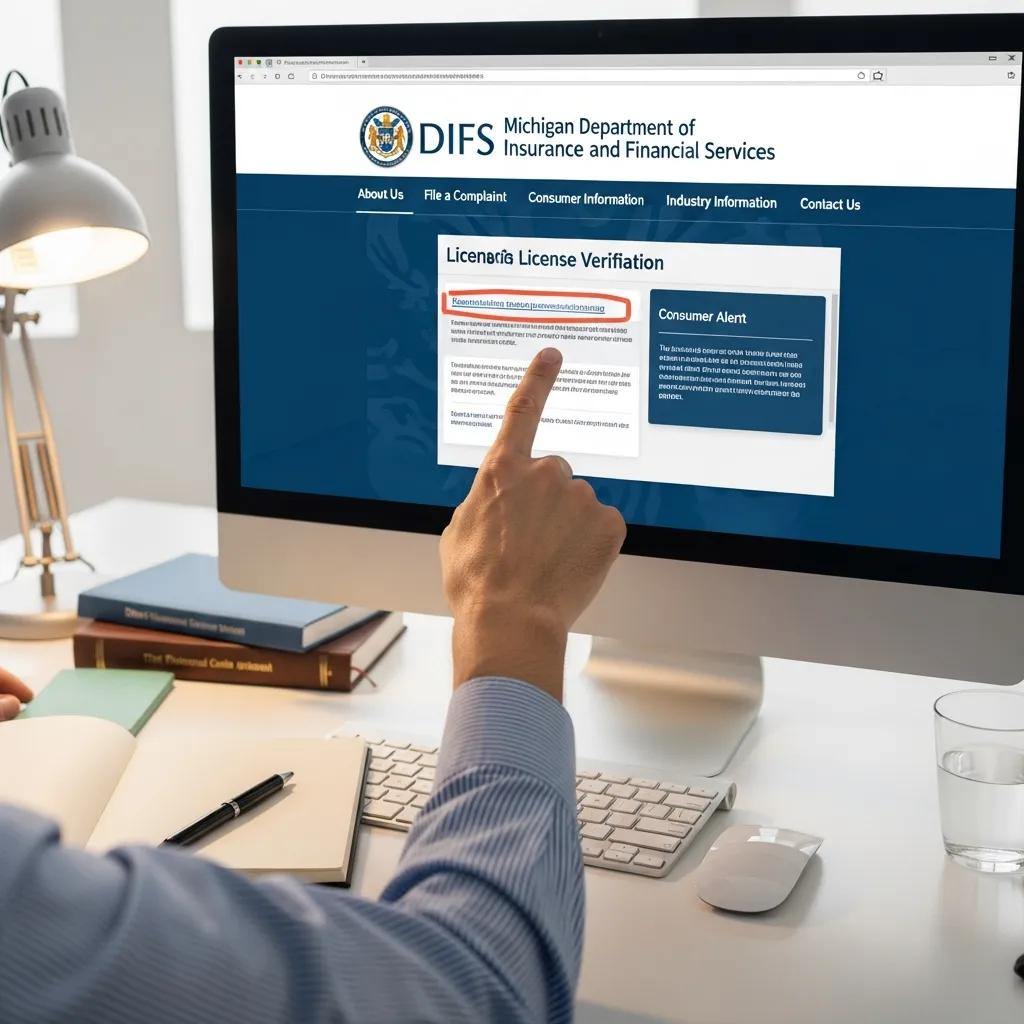
Verifying the licensing and credentials of an insurance broker is crucial to ensure you are working with a qualified professional. Here are steps to follow:
- Check State Licensing: Visit the Michigan Department of Insurance and Financial Services website to confirm that the broker holds a valid license to operate in the state.
- Review Professional Designations: Look for additional certifications or designations that indicate specialized training or expertise in specific areas of insurance.
- Seek References: Ask the broker for references from past clients to gauge their reputation and service quality.
By taking these steps, you can ensure that you are engaging with a reputable and qualified insurance broker.
The importance of licensing extends beyond mere formality, serving as a fundamental mechanism for ensuring a broker’s competence and adherence to industry standards.
Understanding Michigan Insurance Regulations and Broker Licensing Requirements
Michigan has specific regulations governing the insurance industry, which brokers must adhere to in order to operate legally. Key regulations include:
- Licensing Requirements: Brokers must obtain a license from the Michigan Department of Insurance and Financial Services, which involves passing examinations and meeting educational requirements.
- Continuing Education: Licensed brokers are required to complete continuing education courses to maintain their licenses and stay informed about industry changes.
- Consumer Protection Laws: Michigan has laws in place to protect consumers from unfair practices, ensuring that brokers act in the best interests of their clients.
Understanding these regulations is essential for businesses to ensure compliance and protect their interests.
How to Choose an Insurance Broker: 7 Key Criteria for Michigan Employers
When evaluating independent insurance brokers, consider the following criteria:
- Experience in the Market: Look for brokers with a proven track record in the Michigan insurance market, as they will have valuable insights and connections.
- Knowledge of Compliance: Ensure the broker is well-versed in Michigan’s insurance regulations and can guide you through compliance requirements.
- Personalized Service: Assess the broker’s willingness to understand your business’s unique needs and provide tailored solutions.
These criteria will help you identify a broker who can effectively support your insurance needs.
Key Broker Evaluation Factors: Experience, Services, and Client Testimonials
When selecting an independent insurance broker, focus on these key evaluation factors:
- Experience and Expertise: A broker with extensive experience in the industry is more likely to provide valuable insights and effective solutions.
- Range of Services Offered: Consider the variety of insurance products the broker can provide, ensuring they can meet all your coverage needs.
- Client Feedback and Testimonials: Look for reviews and testimonials from previous clients to gauge the broker’s reputation and service quality.
By prioritizing these factors, you can make a more informed decision when choosing a broker.
Indeed, the long-term success of an independent agent often hinges on their ability to build a reputation as a knowledgeable and trustworthy expert, a quality highly valued by clients.
Using a Detailed Checklist to Compare Insurance Broker Services in Michigan
A detailed checklist can help you systematically compare different insurance brokers. Key items to include are:
- Experience Evaluation: Assess the number of years the broker has been in business and their specific areas of expertise.
- Cost Management Strategies: Inquire about the broker’s approach to managing costs and finding the best value for your insurance needs.
- Personalized Service Assessment: Evaluate how well the broker understands your business and their ability to provide customized solutions.
Using this checklist will streamline your evaluation process and ensure you consider all critical aspects.
How Do Independent Brokers Assist with Employee Benefits Consulting in Michigan?

Independent brokers play a vital role in employee benefits consulting, helping businesses navigate the complexities of benefits packages. They assist in:
- Selecting Benefits: Brokers help businesses choose the right employee benefits, such as health insurance, retirement plans, and other perks that attract and retain talent.
- Compliance Support: They ensure that benefits packages comply with state and federal regulations, reducing the risk of legal issues.
- Tailored Solutions for Businesses: Brokers can customize benefits packages to align with the specific needs and budget of the business.
This expertise is invaluable for businesses looking to enhance their employee offerings. When evaluating your coverage strategy, partnering with a dedicated small business health insurance broker in Michigan ensures your team accesses competitive group rates and customized plan designs. Additionally, for comprehensive guidance on structuring group perks and strategic advisory, learning what top employee benefits consulting firms in Michigan provide helps simplify vendor selection.
Role of Benefits Consultants in Tailoring Employee Benefits for Michigan Employers
Benefits consultants work alongside independent brokers to create tailored employee benefits packages. Their role includes:
- Customization of Benefits Packages: They analyze the needs of the workforce and design benefits that meet those needs while remaining cost-effective.
- Compliance with Regulations: Consultants ensure that all benefits comply with relevant laws, protecting the business from potential penalties.
- Ongoing Support for Employers: They provide continuous support and adjustments to benefits packages as business needs evolve.
This collaborative approach ensures that businesses can offer competitive benefits that attract and retain top talent.
What Questions Should You Ask When Choosing an Independent Insurance Broker?
When selecting an independent insurance broker, consider asking the following questions:
- What is your experience in the Michigan insurance market?
- Can you provide references from past clients?
- How do you approach compliance and regulatory issues?
These questions will help you gauge the broker’s expertise and suitability for your business needs.
How to Use Broker Responses to Make an Informed Decision
After engaging with potential brokers, use their responses to guide your decision-making process. Key steps include:
- Engage in Consultations: Schedule meetings to discuss your specific needs and evaluate how well the broker understands your business.
- Review Client Testimonials: Look for feedback from other clients to assess the broker’s reputation and service quality.
- Implement Recommendations: Consider the broker’s suggestions and how they align with your business goals.
This approach will help you choose a broker who is well-equipped to meet your insurance needs.
How to Find and Engage the Best Independent Insurance Broker in Michigan?
Finding the right independent insurance broker involves several steps:
- Research Potential Brokers: Look for brokers with strong reputations and positive reviews in the Michigan market.
- Evaluate Experience and Expertise: Assess their background and knowledge of the specific insurance products you need.
- Request Consultations: Meet with potential brokers to discuss your needs and evaluate their approach.
By following these steps, you can identify a broker who aligns with your business objectives.
Effective Strategies for Locating Top-Rated Michigan Insurance Brokers
To locate top-rated insurance brokers in Michigan, consider these strategies:
- Online Research: Utilize online resources and directories to find brokers with strong client reviews and ratings.
- Networking: Reach out to industry contacts and colleagues for recommendations based on their experiences.
- Professional Associations: Check with professional organizations for lists of licensed and reputable brokers in your area.
These strategies will help you identify brokers who are well-regarded in the industry.
Have a Renewal Coming Up?
Send us your renewal and we will tell you whether the increase is competitive. We review it at no cost, and you only need four documents.
Send Us Your RenewalConsultation Process and Next Steps for Partnering with a Broker
Once you have identified potential brokers, the consultation process typically involves:
- Requesting a Consultation: Contact the broker to schedule a meeting and discuss your specific insurance needs.
- Discussing Specific Needs: Clearly outline your business requirements and any concerns you may have.
- Implementing Recommendations: After selecting a broker, work together to develop a tailored insurance strategy that meets your needs.
This process ensures a smooth partnership and effective insurance management.
Choosing a Michigan Insurance Agency: Local Market Insights
All insurance brokers and agents operating in Michigan must hold a valid Michigan Department of Insurance and Financial Services (DIFS) producer license for each line of authority. Before engaging any Michigan insurance agency, verify their license status at michigan.gov/difs.
The best independent insurance brokers in Michigan maintain active appointments with dominant carriers such as Blue Cross Blue Shield of Michigan (BCBSM), Priority Health and HAP, alongside the national benefits carriers. Multi-carrier access is the hallmark of a truly independent Michigan insurance agency.
For Michigan employers seeking group health, dental, vision, life, disability, and voluntary benefits, an independent employee benefits broker provides multi-carrier analysis at no additional cost — broker compensation is built into carrier premiums. Michigan employers should always ask whether their broker is truly independent or captive to a single carrier.
CFH Insurance Consultants is a Michigan-licensed independent insurance agency serving employers across Michigan with objective, multi-carrier employee benefits analysis, group health plan comparisons, and HRA plan design — with no carrier bias and no additional cost to the employer for brokerage services.
Frequently Asked Questions: How to Choose an Independent Insurance Broker in Michigan
What is the difference between an independent insurance broker and a captive agent in Michigan?
A captive agent represents a single insurance carrier and can only sell that carrier’s products. An independent insurance broker in Michigan represents multiple carriers and can compare policies across the market to find the best coverage and price for the client. For unbiased policy comparisons, an independent Michigan insurance agency is almost always the better choice.
How do I verify that a Michigan insurance broker is properly licensed?
You can verify any Michigan insurance broker’s license status, lines of authority, and disciplinary history through the Michigan Department of Insurance and Financial Services (DIFS) online producer search at michigan.gov/difs. Confirm the broker holds an active Michigan producer license for the specific line of insurance you need.
How are Michigan independent insurance brokers compensated?
Most Michigan independent insurance brokers are compensated through carrier commissions built into the premium — meaning the client typically pays no direct fee for brokerage services. Always ask your broker to disclose their compensation structure and whether they receive different commission rates from different carriers.
What credentials should I look for when choosing an insurance broker in Michigan?
Frequently Asked Questions About Choosing an Independent Insurance Broker in Michigan
Why should a Michigan business use an independent broker instead of a captive agent?
An independent broker represents multiple top-rated carriers, providing objective market comparisons, custom plan designs, and unbiased rate negotiation, whereas a captive agent only sells policies from a single insurance company.
How are independent employee benefits brokers compensated?
Brokers are typically compensated through carrier commissions or pre-agreed consulting/advisory fees. A reputable independent broker provides full fee transparency and fiduciary guidance.
What services should an independent broker provide beyond open enrollment?
A full-service broker provides year-round compliance support (ACA, ERISA, COBRA, ESTA), benefits administration integration, employee education, claims advocacy, and strategic renewal benchmarking.
Unhappy with your current broker? Switch to CFH. Your employees won’t notice. You will.
Related Guides
Small Group Health Insurance Guide for Michigan Employers (2 to 50 Employees)
How small group health insurance works in Michigan and how to compare your options.
Fully Insured, Level-Funded and Self-Funded Plans Compared
The trade-offs between fully insured, level-funded and self-funded health plans.
Employer Benefits Guides: Eligibility, Plan Design, Life Events and Rules
Our library of plain-English guides on eligibility, plan design and compliance.
