
CFH Insurance Consultants has been independent since 2007.
Three offices, one bench, and a license footprint that follows clients as they hire. More on how we work as an employee benefits broker in Michigan. We look at the entire benefits program — cost, plan performance, risk and administration.
What the numbers actually mean.
Independent Since 2007
Not a branch of a national brokerage and not owned by a carrier. Nobody upstream has a view on which carrier you should be with. So when we recommend moving carriers, or staying where you are, the reason is in your plan’s numbers rather than in a relationship we are protecting.
A Book Deep Enough to Benchmark
Enough employers in this market to see what carriers are actually doing at renewal, which is what makes a benchmark worth quoting. A single renewal only shows what one carrier asked of one group. Seeing many renewals side by side shows whether an increase reflects your own claims or a rate the carrier is pushing across the market.
A Team of Benefits Professionals
Small enough that your account is not a number, large enough that it does not depend on one person being reachable. When someone on your account is out, the work carries on with people who already know your plan, your carriers and your renewal date. No account sits waiting on a single person’s calendar.
Service Teams of Five
For proper coverage of an account we work in service teams of five, rather than handing you one broker. The next section says who they are. When one person is out, the account does not stop, because four others already know your plan, your renewal date and your open issues.
Licensed Well Beyond Michigan
Michigan is home, but the license footprint follows clients as they hire across the country. That matters the day you hire outside the state: coverage has to work where the employee lives, and that state’s licensing rules can require the broker to hold a license there. Before that hire starts, check that the plan’s network reaches where they will live and work.
Three Offices
Bloomfield Hills, Colorado Springs and Houston.
The second largest line on most budgets, treated that way.
What We Place
Group health, dental, vision, life and disability, with the voluntary, spending-account and administration layers that sit around them. The medical plan sits at the center because its funding, network and contribution split set what everything around it can cost. Across all of it, we help keep you ERISA compliant, from plan documents to the notices employees are owed.
How We Look at It
We look at the entire benefits program — cost, plan performance, risk and administration. Most renewal conversations only cover the first of those four. Plan performance is how claims are running against what you pay. Risk is what a large claimant or a bad year would do to the next renewal. Administration is whether eligibility, billing and enrollment are right, because errors there cost money quietly.
Where we work
Where the work actually is.
The license footprint is one thing. This is the other: the states where CFH is running benefits programs right now, for employers whose people do not all live in one place.
- Bloomfield Hills, MI
- Colorado Springs, CO
- Houston, TX
Five people, named, who know your plan.
Not a service tier and not a call center. The same five names, on your account, year after year.
Account Executive
Owns the strategy and the renewal. The person who sits with you and your CFO when the numbers need explaining. They set the renewal timeline months ahead, decide which carriers are approached and on what terms, and bring you the options with a recommendation rather than a spreadsheet of quotes.
Account Manager
Runs the account day to day. Carrier escalations, enrollment questions, the things that cannot wait for a quarterly meeting. When HR has a stuck claim, a missing enrollment or a billing error, this is who calls the carrier and follows it through until it is closed. They also keep track of the open items between meetings, so nothing is left for you to chase.
Plan Analyst
Reads the claims and builds the models. The reason a renewal conversation starts with evidence rather than a rate. They compare what the carrier says your claims did with what the data shows, where the carrier releases it, and model contribution and plan-design changes before you are asked to decide.
Customer Service
Where your employees go. ID cards, claims questions, provider look-ups — the volume that would otherwise land on HR. Employees can also call us during enrollment for help choosing the plan that fits them, so those questions reach people who know the plan design rather than your HR desk.
Benefits Technology
Eligibility files, enrollment systems and carrier feeds. The role most brokerages do not staff, and the one that prevents the most problems. When a payroll deduction and a carrier enrollment do not match, someone ends up covered without paying or paying without coverage. This role reconciles the feeds so those mismatches are caught before they become a denied claim or a retroactive bill.
An extension of your HR team, not a broker you hear from at renewal.
Through the Year
Claims read as they develop, compliance on a calendar set in advance, and a plan for two and three years out rather than one. In practice that means midyear claims reviews, not just a renewal meeting, and compliance deadlines placed on your calendar before the plan year begins. Each renewal decision is then weighed against the multi-year cost path, so one year’s savings do not set up a worse increase the next.
Specialists Behind the Team
Clients reach CPAs and ERISA attorneys through us when a question needs more than a brokerage answer. That covers questions such as whether a plan document holds up under ERISA, how a benefit is taxed, or how to correct a missed filing. We set up the conversation so you are not briefing a new advisor from scratch.
Evidence, Not Assertion
Our benchmarking survey covers nearly a thousand employers. When we say something is competitive, there is a comparison behind it. It lets us set your contributions, deductibles and renewal increase against comparable employers rather than a national average that describes nobody in particular. See how our benchmarking comparison is built.
Bottom up, not top down.
The people doing the work decide what the work needs. Our teams choose the technology, the software and the outside services required to service an account — including bringing on more people — and the firm resources the decision rather than second-guessing it from a floor above.
Why It Is Set Up This Way
Nobody upstream of your account knows your plan better than the five people on it. Moving the resourcing decision away from them adds a delay and subtracts the judgment that should be making it. It also means the answer to “can we get that?” comes from the people doing the work, not from a request that waits for a budget cycle.
What It Means for You
When your plan needs a tool, a data set or another pair of hands, the answer arrives at the speed of the team carrying the account, not the speed of an approval chain. In practice that might mean pulling a claims data set before a renewal meeting, or adding a pair of hands when an open enrollment runs heavier than planned.
Three things that do not change by account size.
None of this depends on how big your group is or how long you have been a client.
Coverage
An account is never one person’s job — for proper coverage of an account we work in service teams of five. The five are an account executive, an account manager, a plan analyst, customer service and IT, so a question lands with the person who owns that part of the work.
Ownership
The team closest to the account decides what it needs to run it, not a chain of approvals above them. That covers technology, software, outside services and data access, and it extends to adding people when an account needs more hands than it has.
Proof
A renewal claim gets tested against your own numbers before it becomes advice, not the other way around. If the numbers do not support a recommendation, the recommendation changes. We would rather show you a smaller saving we can defend than a larger one we cannot.
Licensed insurance brokers. That is the claim, and it is the whole claim.
You will not find designations on this page that nobody here holds. What you get is a team of benefits professionals who do this full time, in a firm that has been independent since 2007.
The plain ones, answered plainly
Ten questions people ask before they get in touch.
What does CFH Insurance Consultants actually do?
We are an independent employee benefits consulting firm. We advise employers on group health, dental, vision, life, disability and voluntary benefits – plan design, funding, carrier and renewal negotiation, compliance, and the benefits administration that runs underneath all of it. The work is continuous rather than annual: the renewal is where it becomes visible, but most of it happens in the months either side.
How long have you been in business?
CFH has been operating since 2007. The people here have been in insurance considerably longer than the firm has existed, which is a different claim and worth keeping separate – the firm’s own track record starts in 2007. The firm’s incorporation date is a matter of public record with the State of Michigan, if you want to check it.
Where are you, and where do you work?
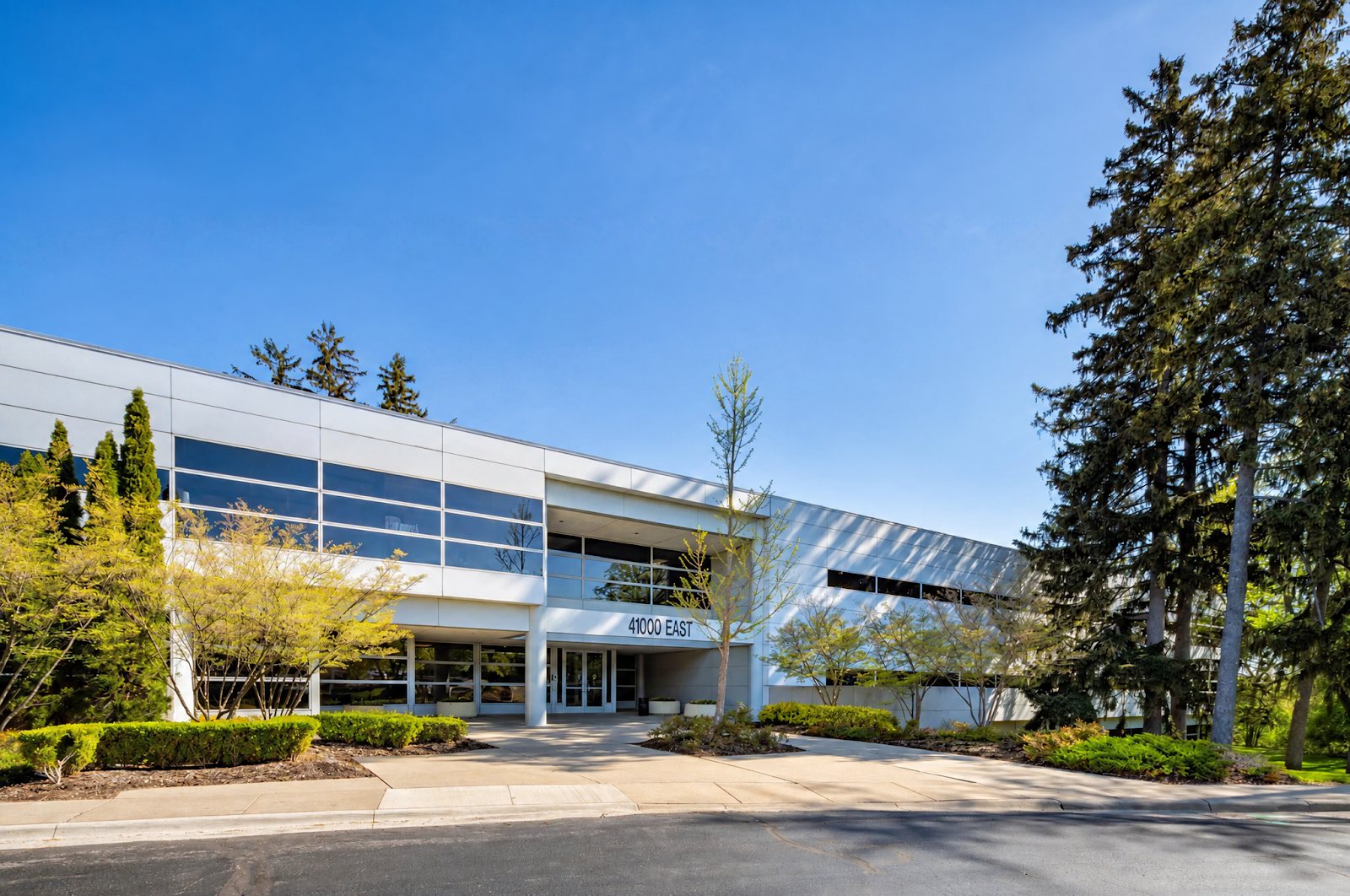
Our main office is at 41000 Woodward Avenue, Suite 350 East, Bloomfield Hills, Michigan, with additional offices in Colorado Springs and Houston. Michigan is the home market and where most of the work is, but our licensing follows clients beyond it, which matters when an employer’s people are not all in one state.
Are you independent, or owned by a carrier or a national group?
Independent. No carrier owns us and no national brokerage sets what we recommend, which is the whole reason a recommendation from us is worth reading. It is a fair question to ask of anyone advising you on a plan, because the answer determines whether the advice can ever point away from a particular carrier.
What size employers do you work with?
From small groups through the mid-market, and the work looks genuinely different across that range – under fifty the levers are plan design, contributions and carrier; above it your own claims start driving the number and funding becomes a real decision. If you want the version specific to your size, the pages by company size lay out what changes at each band.
What industries do you work in?
A broad mix rather than one niche, with real concentration in a few – manufacturing, health care, professional services, mortgage lending and hospitality among them. Industry matters less than workforce shape: a business with variable-hour staff across several sites has more in common with another business like it than with a competitor in its own sector.
Are you licensed outside Michigan?
Yes. Licensing follows the client rather than the office, which is what allows an employer headquartered here to be served properly when its people are spread across several states. If you have employees somewhere specific, ask us about that state directly – it is a factual question with a factual answer.
What happens in a first conversation?
Twenty to thirty minutes, no proposal. You describe what you have and what the renewal looks like, and we tell you whether the number is in line with what comparable employers are being quoted or whether it is not. If it is fair, we say so. Nothing is sent afterwards unless you ask for it. If you are comparing firms first, how to choose an employee benefits broker in Michigan lists the questions to ask each one.
Do we have to be a client to ask you something?
No. A large part of what we do before anyone signs anything is answering questions from employers who are working something out – a compliance date, a renewal that does not read right, whether an arrangement someone is pitching them is real. If it takes a few minutes, it takes a few minutes.
What do you not do?
We are not a third-party administrator. We find, vet and manage the administrators our clients use, which means the administrator answers to somebody on your side of the table rather than to itself. We are licensed insurance brokers, not attorneys or accountants – though CPAs and ERISA attorneys are available to clients through the firm for the questions that need them.
Got one we have not answered? Send us your renewal, or talk it through with someone first. No cost, no obligation.
General information about how we work, not legal or tax advice. Plan-specific questions belong with ERISA counsel, and we will bring them in.
Send us your renewal.
We’ll tell you whether it looks competitive, where we see opportunity, and the five questions we’d put to your carrier. No cost, and no obligation to move anything.
The renewal letter
Your current plan summary
Contribution split by tier
Enrolled counts by tier
Four documents — two more if your group is 50 or more. Nothing else; every extra one is a reason to postpone.

An independent employee benefits consulting firm. We look at the entire benefits program — cost, plan performance, risk and administration.
Switch to CFH. Unhappy with your broker? Your employees won’t notice. You will. →