

By CFH Insurance Consultants, CFH Insurance Consultants
As telehealth continues to evolve, Michigan employers must navigate a complex landscape of regulations to ensure compliance in 2026. This article provides a comprehensive overview of the essential telehealth laws that employers need to understand, the impact of these regulations on their operations, and the necessary steps to update their telehealth policies. Employers will learn about compliance deadlines, penalties for non-compliance, and how to align their health plans with telehealth insurance parity laws. By understanding these regulations, employers can better support their employees’ virtual healthcare needs while minimizing legal risks.
For the year-round side of benefits cost, read about our health and cost strategy.
Indeed, navigating the evolving landscape of telehealth requires a proactive approach to compliance and risk management.
What Are the Key Michigan Telehealth Laws Employers Must Know in 2026?
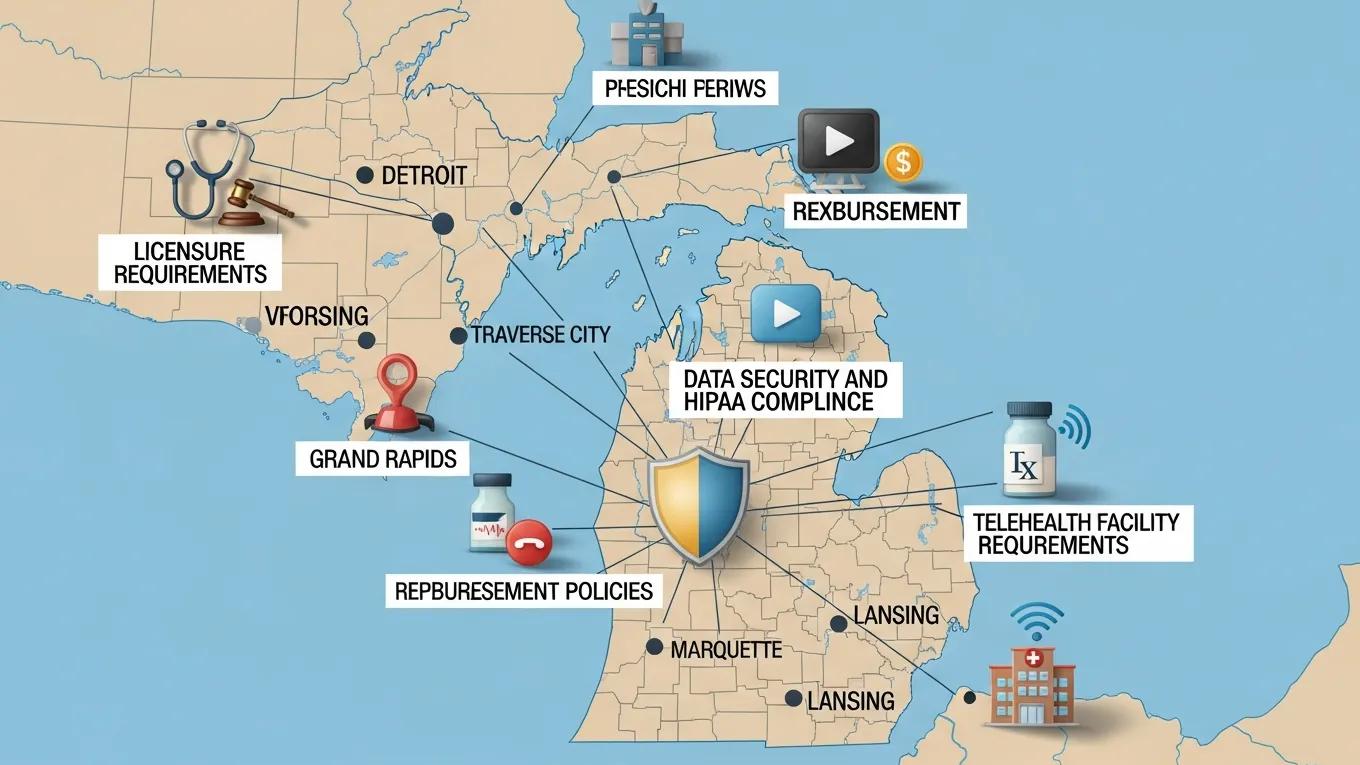
In 2026, Michigan employers must adhere to several key telehealth laws that govern the provision of virtual care services. These laws are designed to ensure that telehealth services are accessible, equitable, and compliant with existing healthcare regulations. Employers must be aware of the specific compliance requirements that apply to their organizations, particularly those with 50 or more employees, as these regulations can significantly impact their operational practices.
The ongoing evolution of telehealth policy, particularly concerning payment and sustainability, underscores the importance of understanding current and future regulatory landscapes.
How Do 2026 Telehealth Regulations Impact Michigan Employers?
The new telehealth regulations in Michigan will require employers to implement specific compliance measures to ensure that their virtual care offerings meet state standards. Employers with 50 or more employees must ensure that their telehealth services are compliant with the Michigan Department of Insurance guidelines. Failure to comply can result in significant penalties, including fines and potential legal action. Proactive compliance is essential to avoid these repercussions and to foster a supportive environment for employees utilizing telehealth services.
What Are the Compliance Deadlines and Penalties for Non-Compliance?
Employers must be aware of the critical compliance deadlines associated with the new telehealth regulations. Key deadlines include the implementation of updated telehealth policies by January 1, 2026. Non-compliance can lead to financial penalties, which may vary based on the severity of the violation. Timely compliance is crucial to mitigate these risks and ensure that employees have access to necessary virtual healthcare services.
How Should Employers Update Telehealth Policies to Meet 2026 Virtual Healthcare Regulations?
To align with the 2026 telehealth regulations, employers must take specific steps to update their telehealth policies. This includes reviewing existing policies, incorporating new telehealth services, and ensuring that all changes are communicated effectively to employees. By taking these steps, employers can enhance their telehealth offerings while remaining compliant with state laws.
What Steps Are Required for Employer Telehealth Policy Updates?
Employers should follow a structured approach to update their telehealth policies effectively. Key steps include:
- Review Existing Policies: Assess current telehealth policies to identify areas that require updates.
- Incorporate Telehealth Services: Ensure that new telehealth services are included in the policy framework.
- Communicate Changes to Employees: Clearly inform employees about policy updates and how they can access telehealth services.
How Do QSEHRA and ICHRA Affect Telehealth Benefit Integration?
The Qualified Small Employer Health Reimbursement Arrangement (QSEHRA) and Individual Coverage Health Reimbursement Arrangement (ICHRA) provide flexibility for employers in offering telehealth benefits. These arrangements allow employers to reimburse employees for telehealth expenses, which can help manage costs while ensuring compliance with the Affordable Care Act (ACA) standards. Understanding how to integrate these benefits effectively is crucial for employers looking to enhance their telehealth offerings.
What Are Michigan’s Telehealth Insurance Parity Laws and Their Effects on Employer Benefits?

Michigan’s telehealth insurance parity laws mandate that telehealth services be covered in a manner equivalent to in-person services. This ensures that employees have equal access to virtual care without facing additional financial burdens. Employers must align their group health plans with these parity requirements to provide comprehensive coverage for telehealth services.
Research consistently demonstrates the critical role of payment parity in promoting the adoption and sustained use of telehealth services within employer health plans.
How Does Telehealth Parity Ensure Equal Coverage for Virtual Care?
Telehealth parity laws require that insurance plans cover telehealth services at the same level as in-person visits. This includes cost-sharing requirements that must be consistent across both service types. By adhering to these laws, employers can ensure that their employees receive equitable access to necessary healthcare services, regardless of the delivery method.
How Can Employers Align Group Health Plans with Parity Requirements?
To align group health plans with telehealth parity laws, employers should take the following steps:
- Review Current Health Plans: Assess existing health plans to identify any discrepancies with parity requirements.
- Update Plan Documents: Ensure that plan documents reflect the coverage of telehealth services in accordance with state laws.
- Engage with Insurance Brokers: Collaborate with insurance brokers to ensure compliance and optimize plan offerings.
What Are the Data Privacy and Remote Patient Monitoring Compliance Requirements for Employers?
Employers must also consider data privacy and remote patient monitoring compliance requirements as part of their telehealth strategies. These regulations are designed to protect patient information and ensure that remote monitoring practices adhere to established standards.
Which Virtual Care Data Security Standards Must Michigan Employers Follow?
Michigan employers must comply with various data security standards to protect patient information in telehealth settings. This includes adhering to HIPAA regulations, which mandate the safeguarding of protected health information (PHI). Employers should implement robust data protection measures and provide training for employees on data security best practices.
How Do Remote Patient Monitoring Regulations Affect Employer Responsibilities?
Remote patient monitoring regulations require employers to ensure that any monitoring practices comply with state and federal guidelines. This includes maintaining data privacy and security while providing necessary support for employees utilizing remote monitoring services. Employers must be proactive in understanding these regulations to fulfill their responsibilities effectively.
HIPAA Compliance for Telehealth Programs
HIPAA compliance is a critical aspect of telehealth programs, as it governs the protection of patient information. Employers must understand their obligations under HIPAA to ensure that their telehealth services are compliant and secure.
Employer Obligations Under HIPAA for Telehealth Programs
Employers are required to implement specific safeguards to protect PHI in telehealth programs. This includes conducting regular audits, providing staff training on HIPAA compliance, and ensuring that telehealth vendors adhere to HIPAA regulations. By fulfilling these obligations, employers can mitigate risks associated with data breaches and maintain the confidentiality of patient information.
How to Evaluate HIPAA Compliance of Telehealth Vendors and Platforms
When selecting telehealth vendors and platforms, employers should evaluate their HIPAA compliance by considering the following criteria:
- Business Associate Agreements: Ensure that vendors provide agreements that outline their responsibilities regarding PHI.
- Data Security Measures: Assess the security protocols in place to protect patient information.
- Incident Response Plans: Verify that vendors have established plans for addressing potential data breaches.
Key Safeguards Michigan Employers Must Implement When Offering Virtual Care Benefits
To ensure compliance and protect patient information, Michigan employers should implement the following key safeguards when offering virtual care benefits:
- Implementation of Safeguards: Establish comprehensive data protection measures to secure PHI.
- Annual Training for Staff: Provide regular training sessions for employees on HIPAA compliance and data security.
- Compliance Audits: Conduct periodic audits to assess adherence to HIPAA regulations and identify areas for improvement.
For more information on how to support your employees, consider exploring employee benefits that can enhance their overall well-being.
Questions We Get
The questions employers ask us most are answered in full on our resources page.
If you have any questions or need further assistance, contact us today to learn more about our services and how we can help you navigate the complexities of telehealth compliance.
Related Reading
Unhappy with your current broker? Switch to CFH. Your employees won’t notice. You will.
