

By CFH Insurance Consultants, CFH Insurance Consultants
Navigating the complexities of retirement plans can be daunting for employers and small businesses in Michigan. This article provides a comprehensive overview of retirement plan consulting, focusing on the various options available, fiduciary responsibilities, and the integration of employee benefits. Readers will learn about the different types of retirement plans, compliance requirements, and how effective consulting can enhance employee retention and satisfaction. By understanding these elements, employers can make informed decisions that benefit both their business and their employees. The following sections will cover retirement plan options, fiduciary responsibilities, employee benefits integration, and essential consulting services.
What Retirement Plan Options Are Available for Michigan Employers?

Employers in Michigan have access to a variety of retirement plan options designed to meet the needs of their workforce. These plans include 401(k) plans, defined contribution plans, and pension plans, each offering unique benefits and features. Understanding these options is crucial for employers looking to provide competitive benefits that attract and retain talent.
How Do 401, Defined Contribution, and Pension Plans Compare?
401(k) plans are popular among employers due to their flexibility and tax advantages. Employees can contribute a portion of their salary, often with employer matching contributions, which can significantly enhance retirement savings. Defined contribution plans, while similar, may offer different investment options and contribution limits. Pension plans, on the other hand, provide guaranteed payouts based on salary and years of service, making them a stable choice for long-term employee retention. Each plan type has its own set of advantages, and employers should consider their workforce demographics and financial goals when selecting a plan.
Which Plans Best Suit Small Businesses in Metro Detroit and Southfield?
For small businesses in Metro Detroit and Southfield, 401(k) plans often emerge as the most suitable option. They allow for lower administrative costs and provide employees with the ability to save for retirement while enjoying tax benefits. Additionally, pension plans can be beneficial for businesses looking to enhance employee loyalty, as they offer long-term financial security. Consulting services can assist small businesses in evaluating their specific needs and selecting the most appropriate retirement plan.
What Are the Fiduciary Responsibilities and Compliance Requirements in Michigan?
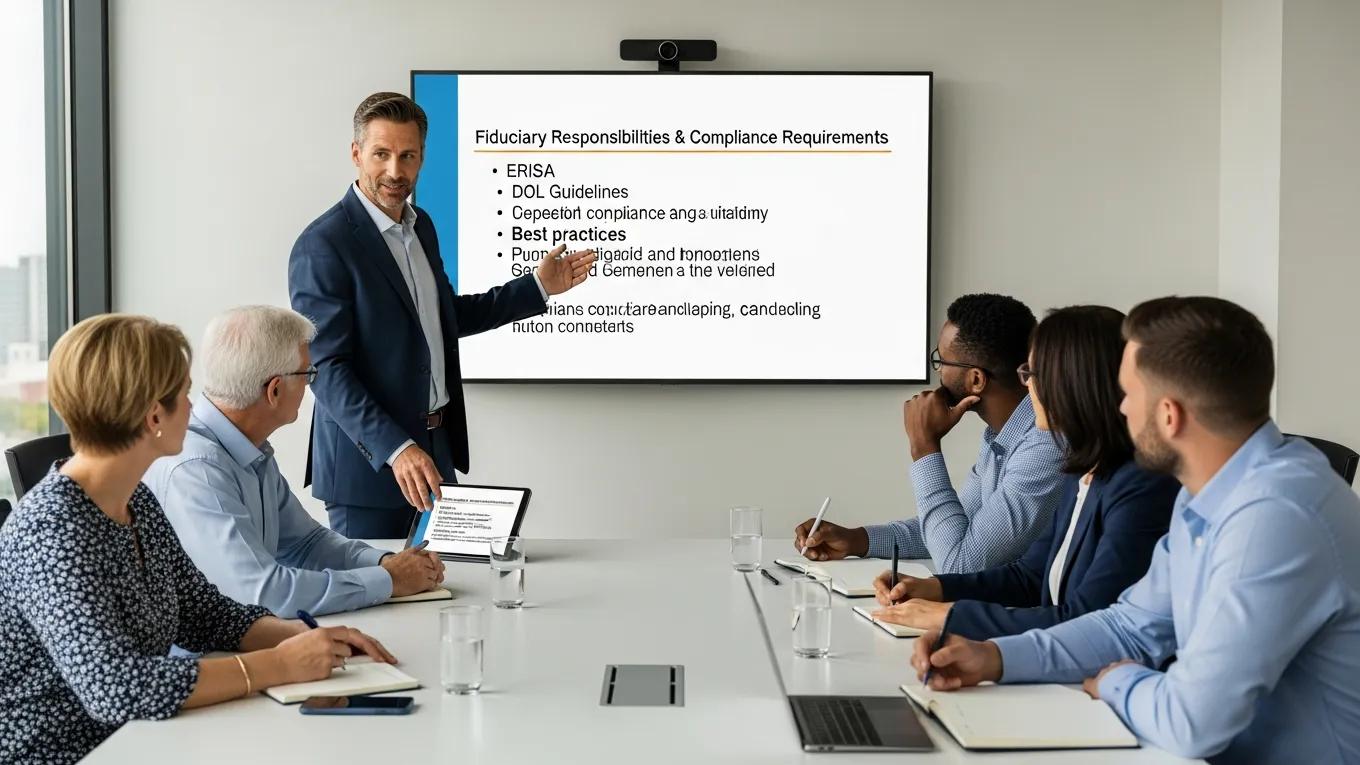
Understanding fiduciary responsibilities is essential for Michigan employers managing retirement plans. Fiduciaries are required to act in the best interest of plan participants, ensuring that all decisions are made prudently and in compliance with applicable laws.
How Do Michigan Employers Meet ERISA and DOL Fiduciary Standards?
Employers can meet the Employee Retirement Income Security Act (ERISA) and Department of Labor (DOL) fiduciary standards by implementing best practices such as conducting regular compliance audits, providing employee education, and maintaining transparent communication regarding plan features and fees. By adhering to these standards, employers can mitigate risks and enhance the overall effectiveness of their retirement plans.
What Are the Latest Compliance Updates Affecting Retirement Plans?
Recent updates to compliance regulations have introduced new requirements for retirement plans, including enhanced disclosure obligations and stricter guidelines for investment options. Employers must stay informed about these changes to ensure their plans remain compliant and to avoid potential penalties. Consulting with experts in retirement plan compliance can provide valuable insights into navigating these updates effectively.
Strategic Retirement Plan Consulting for Michigan Employers
Integrating employee benefits with retirement plans can significantly enhance their effectiveness. Customized retirement plans that align with other employee benefits can lead to improved employee satisfaction and retention.
What Role Do Group Health and Other Benefits Play in Retirement Planning?
Group health benefits play a crucial role in retirement planning by providing employees with comprehensive coverage that can ease financial burdens during retirement. When health benefits are integrated with retirement plans, employees are more likely to feel secure in their overall financial planning, which can lead to higher retention rates.
How Does Coordinated Benefits Consulting Improve Employee Retention?
Coordinated benefits consulting helps employers tailor their retirement plans and other employee benefits to meet the specific needs of their workforce. By offering personalized solutions and effective communication strategies, employers can foster a positive workplace culture that enhances employee loyalty and retention.
What Investment Consulting and Plan Administration Services Are Essential?
Investment consulting and plan administration services are vital for the successful management of retirement plans. These services ensure that investment options are aligned with the goals of the plan and that administrative tasks are handled efficiently.
How Do Fiduciary Services Manage Investment Options and Risks?
Fiduciary services play a critical role in managing investment options and risks by conducting thorough analyses of available investment choices and monitoring their performance. This proactive approach helps protect the interests of plan participants and ensures compliance with regulatory standards.
What Are Best Practices for Plan Audits and Ongoing Administration?
Regular plan audits and ongoing administration are essential for maintaining compliance and optimizing plan performance. Best practices include engaging qualified consulting services, providing ongoing training for HR personnel, and ensuring that all plan documents are up to date. By following these practices, employers can enhance the effectiveness of their retirement plans and ensure they meet the needs of their employees.