

Bridging Employer Health Insurance Gaps: Identifying and Resolving Coverage Issues for Effective Employee Benefits
By Andrew Henze, CFH Insurance Consultants
Navigating the complexities of employer healthcare plans can often leave gaps that adversely affect both employers and employees. Understanding the root causes of these coverage gaps is essential for organizations aiming to provide comprehensive benefits that genuinely meet employee needs. Throughout this article, we will delve into various aspects related to the identification and resolution of these coverage gaps, underscoring the significance of proactive planning in employer health plan optimization. Readers will gain insights into the implications of compliance mandates, plan exclusions, and methods to enhance employee satisfaction through improved healthcare benefits and group health insurance offerings. Key sections will explore strategies for managing compliance requirements and effective methods that employers can employ to identify and address these critical coverage gaps impacting employee benefits.
What Are the Main Causes of Employer Healthcare Coverage Gaps?
The main causes of employer healthcare coverage gaps often stem from multiple factors, including regulatory issues, employer decisions, and the evolving needs of employees. Regulatory compliance can be a complex landscape for employers, impacting the extent of coverage they can provide. Additionally, the strategic choices made by employers regarding plan structures and benefit offerings—including core group health insurance plans—can inadvertently create exclusions, leading to unsatisfied employee needs. A thorough understanding of these root causes will enable better strategies to address and mitigate gaps in coverage effectively, thereby enhancing the overall employee benefits package.
How Do Plan Exclusions and Underinsurance Create Coverage Gaps?
Plan exclusions and underinsurance are significant contributors to coverage gaps in employer healthcare plans. When specific services or treatments are not included in the health plan, employees may find themselves without necessary coverage during critical times. Examples of common exclusions often involve preventive services or specialized treatments that employees increasingly rely on. Underinsurance occurs when the coverage limits are insufficient for the actual healthcare costs, leaving employees to cover significant out-of-pocket expenses that can lead to financial strain and dissatisfaction. These gaps in group health insurance can directly diminish the perceived value of the employee benefits offered.
What Role Do Employer Compliance Mandates Play in Coverage Gaps?
Employer compliance mandates, such as those set forth by the Affordable Care Act (ACA), play a crucial role in shaping the landscape of health insurance coverage. Failure to adhere to these mandates can create compliance risks, further impacting the adequacy of coverage. Employers must stay informed about both state and federal regulatory requirements to ensure their healthcare plans, including group health insurance offerings, meet these standards. This compliance oversight is essential not only for fulfilling legal obligations but also for ensuring comprehensive coverage that addresses employee health needs, thereby strengthening employee benefits.
What Legal and Employer Responsibilities Address Healthcare Coverage Gaps?
Employers bear significant legal responsibilities related to healthcare coverage as mandated by various regulations, such as ERISA and COBRA. These laws establish frameworks through which employees can access health benefits, ensuring they are not left unprotected against healthcare costs. Employers must remain vigilant in adhering to these responsibilities to avoid potential penalties and ensure that their offerings align with employee expectations and legal standards. Understanding these legal obligations is vital in designing employer-sponsored health plans and robust group health insurance strategies that adequately address and fill existing gaps, ultimately improving overall employee benefits.
Which Employer Compliance Requirements Impact Coverage and Benefits?
Analyzing compliance requirements reveals how various regulations impact coverage and benefits. Certain mandatory coverages, dictated by laws such as the ACA, directly influence the extent of benefits that must be offered. Failure to comply can result in hefty penalties, making adherence a priority for employers. Assessing these requirements systematically provides clarity on how they shape employee benefit designs and group health insurance structures, emphasizing the importance of compliance in ultimately enhancing overall employee health experiences.
How Can Employers Use Checklists to Ensure Coverage Gap Mitigation?
Employers can implement checklists to systematically address potential coverage gaps in their health plans. These checklists serve as valuable tools for identifying key objectives and necessary items required for comprehensive coverage. Key checklist items may include evaluating the broad range of offered services, analyzing employee feedback for unmet needs, and incorporating regular audits of coverage adequacy. By employing feedback mechanisms, employers can continuously refine their group health insurance and employee benefits offerings while ensuring that they meet compliance standards effectively.
How Can Employers Fix Healthcare Coverage Gaps and Improve Employee Benefits?

To close healthcare coverage gaps, employers can take several actionable steps that lead to enhanced employee benefits. Customizing benefits according to employee needs allows for a more tailored approach, ensuring that all critical areas of concern are addressed. Implementing wellness programs encourages preventive health measures, while regular audits of coverage can identify and rectify shortfalls before they impact employees. These strategic initiatives not only improve the overall quality of benefits but also pave the way for higher employee satisfaction and retention, strengthening the impact of group health insurance plans.
What Are Alternative Reimbursement Models Like QSEHRA and ICHRA?
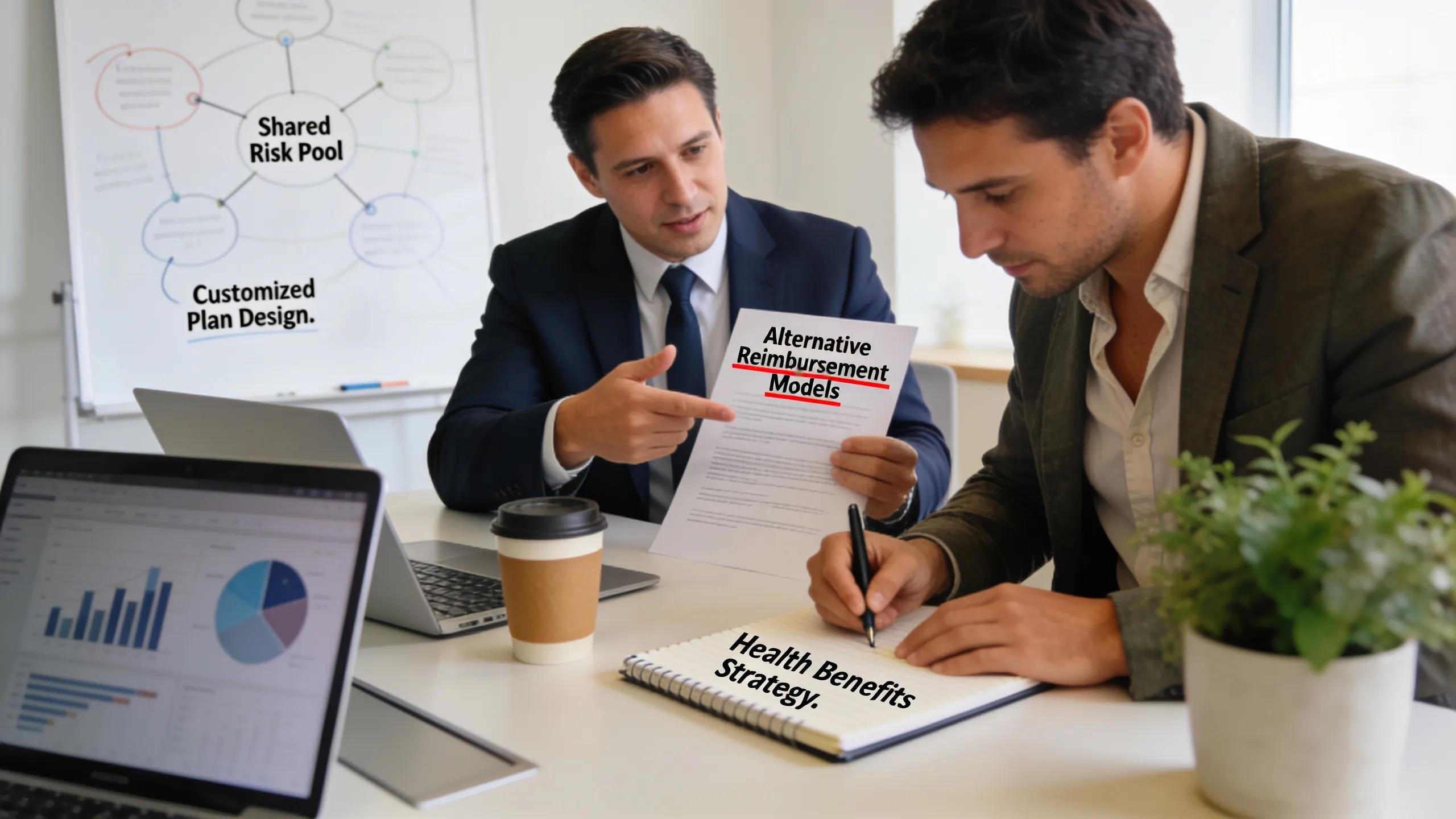
Exploring alternative reimbursement models such as the Qualified Small Employer Health Reimbursement Arrangement (QSEHRA) and Individual Coverage Health Reimbursement Arrangement (ICHRA) reveals innovative solutions for employers. These models enable employers to provide flexible, tailored health benefits that can suit diverse employee needs. By understanding the structures and benefits of these approaches, employers can potentially increase employee engagement and satisfaction while maintaining cost control over their health plan expenditures and group health insurance contributions.
Which Plan Improvement Strategies Close Employee Benefits Coverage Issues?
Plan improvement strategies can significantly reduce coverage issues affecting employee benefits. Effective methods include negotiating with insurers to achieve better terms, educating employees about their health plan options, and initiating wellness initiatives that directly involve employees in their health decisions. Employers who actively engage in these strategies can foster a culture of health within their workplaces, ensuring employees are well-informed and satisfied with their healthcare coverage, including their group health insurance options.
What Is the Employee Impact of Coverage Gaps and How Can Solutions Help?
Coverage gaps can profoundly affect employee outcomes, influencing both healthcare access and overall financial well-being. Employees facing these gaps often experience financial strain due to unexpected healthcare costs, leading to stress and dissatisfaction. Solutions like enhanced communication and education about health plan options can aid in bridging these gaps, ultimately promoting better health outcomes and reducing the burden on employees. Reviewing how coverage gaps impact employees drives home the importance of effective benefits strategies that include strong group health insurance plans as part of a comprehensive employee benefits program.
How Do Coverage Gaps Affect Employee Healthcare Satisfaction Metrics?
Examining the relationship between coverage gaps and employee healthcare satisfaction metrics reveals critical insights into organizational health. Satisfaction is often directly correlated with the extent of accessible and practical healthcare benefits offered under employer-sponsored plans. High utilization rates of available benefits often reflect positively on employee satisfaction scores, suggesting that addressing coverage gaps through enhanced group health insurance offerings and employee benefits is not merely a compliance issue but a strategic imperative for enhancing workplace morale.
What Use Case Examples Highlight Solutions for Small vs. Large Employers?
Specific strategies tailored to employer size can illuminate the variances in addressing healthcare coverage gaps. Small employers may opt for simplified solutions such as pooled purchasing arrangements to negotiate better rates, while large employers can leverage their market power to drive significant enhancements in provider contracts. Comparative analyses illustrate how varying approaches can effectively meet diverse employee needs depending on organizational scale, facilitating solutions that genuinely resonate with employees and improve the scope of group health insurance and employee benefits offered.