

Group Health Insurance for Detroit Employers: Affordable Plans and Benefits Explained
By Andrew Henze, CFH Insurance Consultants
Group health insurance is a vital component for employers in Detroit, providing essential coverage for employees while also enhancing workplace satisfaction and productivity. This article delves into the various group health insurance options available to Detroit employers, highlighting the benefits, key considerations, and specific plans that cater to different business sizes. Many employers face challenges in selecting the right health insurance plan that balances cost and comprehensive coverage. Understanding the landscape of group health insurance can help employers make informed decisions that benefit both their business and their employees. We will explore affordable plan options, key benefits, and factors to consider when choosing a plan, as well as the best options for small businesses in Detroit. For comprehensive solutions, consider exploring group health insurance options.
Affordable Plan Options
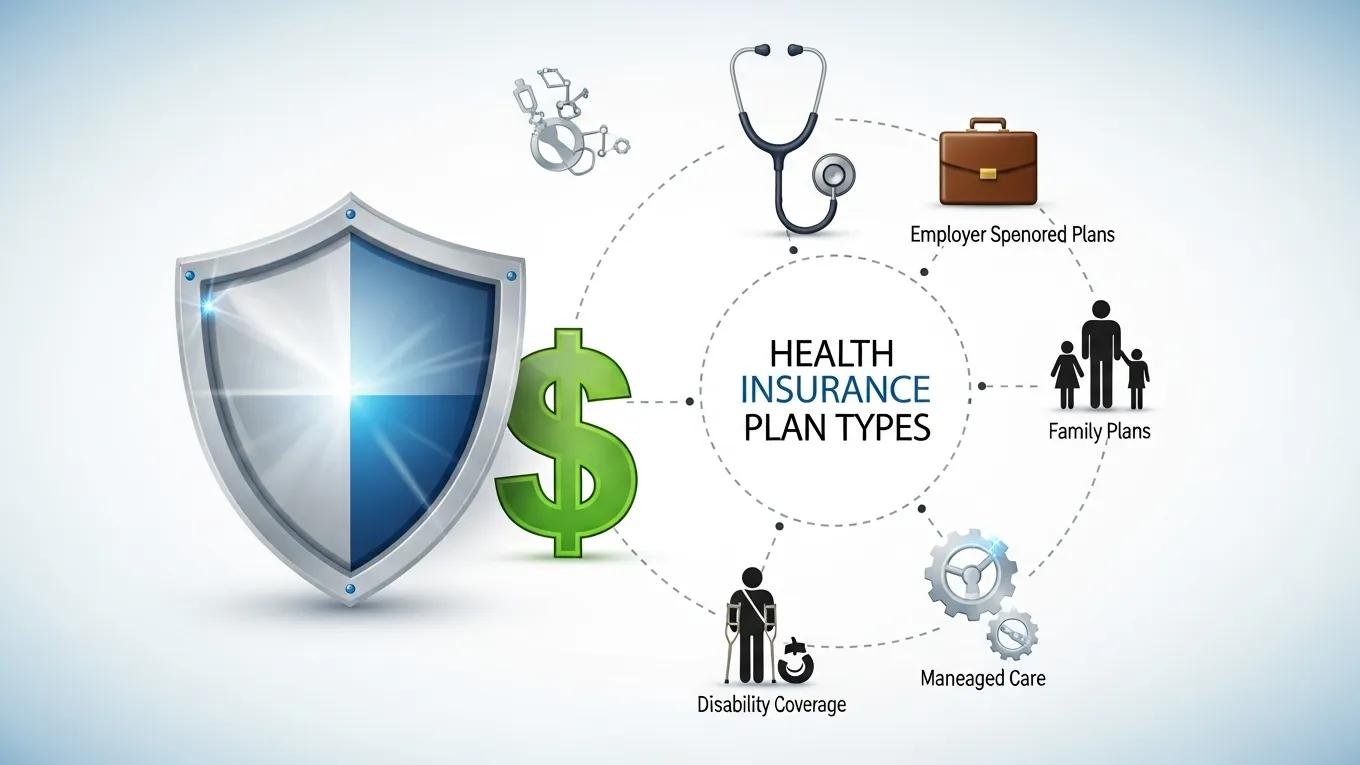
Employers in Detroit have access to a variety of group health insurance plans designed to meet diverse needs. These plans can be categorized into several types, each with its own cost implications and eligibility criteria. Understanding these options is crucial for employers looking to provide quality health coverage while managing expenses effectively.
- Fully Insured Plans: These plans involve paying a fixed premium to an insurance company, which assumes the financial risk of providing health care to employees.
- Self-Insured Plans: In this model, employers take on the financial risk of providing health care benefits, often using third-party administrators to manage claims.
- Level-Funded Plans: These plans combine features of fully insured and self-insured plans, allowing employers to pay a fixed monthly amount while also having the potential for refunds if claims are lower than expected.
- Health Maintenance Organizations (HMOs): HMOs require members to choose a primary care physician and get referrals for specialist care, often resulting in lower premiums.
- Preferred Provider Organizations (PPOs): PPOs offer more flexibility in choosing healthcare providers and do not require referrals, but typically come with higher premiums.
- Exclusive Provider Organizations (EPOs): EPOs are similar to PPOs but do not cover any out-of-network care except in emergencies.
- High Deductible Health Plans (HDHPs): These plans have lower premiums but higher deductibles, making them suitable for healthier employees who do not anticipate high medical costs.
Understanding these options allows employers to tailor their health insurance offerings to the specific needs of their workforce.
Key Benefits
Offering group health insurance comes with numerous advantages that can significantly impact employee satisfaction and retention. Here are some key benefits of providing group health insurance:
- Comprehensive Coverage: Group health insurance plans typically offer a wide range of medical services, including preventive care, hospitalization, and prescription drugs, ensuring employees have access to necessary healthcare.
- Cost-Effective Solutions: Employers often benefit from lower premiums when purchasing group plans compared to individual policies, making it a financially viable option for businesses.
- Tax Advantages: Contributions made by employers towards employee health insurance premiums are often tax-deductible, providing financial relief for businesses.
- Attracting Talent: A robust health insurance plan can be a significant factor in attracting and retaining top talent, as employees increasingly prioritize health benefits in their job search.
- Improved Employee Morale: Providing health insurance demonstrates a commitment to employee well-being, which can enhance overall workplace morale and productivity.
These benefits highlight the importance of group health insurance as a strategic investment for Detroit employers.
Important Factors to Consider
When selecting a group health insurance plan, employers should evaluate several critical factors to ensure they choose the best option for their workforce. Here are some important considerations:
- Assess Workforce Demographics: Understanding the age, health status, and needs of employees can help tailor the insurance plan to better suit their requirements.
- Set a Budget: Employers should determine how much they can afford to spend on premiums and out-of-pocket costs, balancing coverage with financial constraints.
- Review Provider Networks: Ensuring that the plan includes a robust network of healthcare providers is essential for employee satisfaction and access to care.
- Evaluate Plan Flexibility: Consider whether the plan allows for changes in coverage as the business grows or as employee needs evolve.
- Understand Compliance Requirements: Employers must be aware of federal and state regulations regarding health insurance to ensure compliance and avoid penalties.
By carefully considering these factors, employers can make informed decisions that align with their business goals and employee needs.
What Are the Best Group Health Insurance Options for Detroit Employers?
Detroit employers have several options when it comes to group health insurance, each with unique features and benefits. The best options typically include a mix of fully insured and self-insured plans, allowing for flexibility and cost management. Employers should consider the following when evaluating their options:
- Coverage Types: Look for plans that offer comprehensive coverage, including preventive services, mental health support, and chronic disease management.
- Cost Considerations: Analyze the total cost of premiums, deductibles, and out-of-pocket expenses to find a plan that fits the budget while providing adequate coverage.
- Provider Networks: Ensure that the plan includes a wide range of healthcare providers to give employees the freedom to choose their doctors and specialists.
By focusing on these aspects, employers can identify the most suitable group health insurance options for their workforce.
Which plans suit small businesses in Detroit?
Small businesses in Detroit often face unique challenges when it comes to providing health insurance. The following plans are particularly well-suited for small employers:
- Small Group Health Insurance Plans: These plans are specifically designed for businesses with a limited number of employees, often offering lower premiums and simplified enrollment processes.
- Health Savings Accounts (HSAs): Paired with high-deductible health plans, HSAs allow employees to save money tax-free for medical expenses, making them an attractive option for small businesses.
- QSEHRA (Qualified Small Employer Health Reimbursement Arrangement): This allows small employers to reimburse employees for individual health insurance premiums and qualified medical expenses, providing flexibility and cost control.
- ICHRA (Individual Coverage Health Reimbursement Arrangement): Similar to QSEHRA, ICHRA allows employers to reimburse employees for individual health insurance premiums, offering a customizable approach to health benefits.
These options provide small businesses with the flexibility and affordability needed to offer competitive health insurance benefits. Explore QSEHRA and ICHRA for tailored solutions.
How do Detroit group medical insurance plans compare?
When comparing group medical insurance plans in Detroit, employers should consider several key factors that can influence their decision:
- Plan Types and Features: Different plans offer varying levels of coverage, so it’s essential to compare the specifics of each option, including deductibles, copayments, and out-of-pocket maximums.
- Cost Breakdown: Analyze the total costs associated with each plan, including premiums, deductibles, and any additional fees, to determine the most cost-effective solution.
- Provider Networks: Evaluate the network of healthcare providers associated with each plan to ensure employees have access to quality care.
By conducting a thorough comparison, employers can select a plan that best meets their needs and those of their employees.
How Do QSEHRA and ICHRA Benefit Detroit Employers?
QSEHRA and ICHRA are innovative health reimbursement arrangements that offer significant benefits for Detroit employers. These arrangements allow employers to provide health benefits in a flexible and cost-effective manner.
- Cost Savings: Both QSEHRA and ICHRA enable employers to control costs by reimbursing employees for individual health insurance premiums rather than purchasing a group plan.
- Employee Retention: Offering these reimbursement arrangements can enhance employee satisfaction and retention, as employees appreciate the flexibility to choose their own health insurance plans.
- Flexibility in Health Benefits: Employers can customize their health benefits to meet the specific needs of their workforce, allowing for a more tailored approach to employee health coverage.
These benefits make QSEHRA and ICHRA attractive options for employers looking to provide health benefits without the financial burden of traditional group plans.
What are QSEHRA and ICHRA reimbursement arrangements?
QSEHRA and ICHRA are reimbursement arrangements that allow employers to provide health benefits to their employees in a flexible manner.
- QSEHRA: This arrangement is designed for small employers with fewer than 50 full-time employees. It allows employers to reimburse employees for individual health insurance premiums and qualified medical expenses, up to a specified limit.
- ICHRA: This option is available to employers of any size and allows for more customization. Employers can set different reimbursement amounts based on employee classes, such as full-time, part-time, or seasonal workers.
Both arrangements provide a way for employers to offer health benefits while maintaining control over costs and ensuring compliance with regulations.
How can small employers use QSEHRA and ICHRA to save costs?
Small employers can leverage QSEHRA and ICHRA to save costs while providing valuable health benefits to their employees. Here are some strategies:
- Set Clear Reimbursement Limits: By establishing clear reimbursement limits, employers can control their health benefit expenses while still offering valuable support to employees.
- Encourage Employee Participation: Educating employees about the benefits of these arrangements can increase participation and ensure that employees take full advantage of the reimbursement options available to them.
- Regularly Review and Adjust Plans: Employers should regularly review their QSEHRA and ICHRA plans to ensure they remain competitive and meet the evolving needs of their workforce.
By implementing these strategies, small employers can effectively manage costs while providing essential health benefits.
What Employee Benefits Beyond Health Insurance Are Available in Detroit?

In addition to health insurance, Detroit employers can offer a range of employee benefits that enhance overall job satisfaction and well-being. These benefits can include:
- Dental Insurance: Providing dental coverage can help employees maintain their oral health and reduce out-of-pocket expenses for dental care.
- Vision Insurance: Vision plans can cover eye exams, glasses, and contact lenses, promoting overall health and productivity.
- Disability Insurance: This coverage provides financial support to employees who are unable to work due to illness or injury, offering peace of mind.
- Life Insurance: Offering life insurance can provide financial security for employees’ families in the event of an untimely death.
Which dental, vision, disability, and life insurance options complement group health plans?
Employers can enhance their group health plans by offering complementary benefits such as dental and vision insurance. These plans ensure comprehensive care for employees’ eyes and teeth, promoting overall wellness. Additionally, consider offering disability and life insurance to provide financial security and peace of mind during unexpected life events.
These complementary benefits can significantly improve employee satisfaction and retention.
How do comprehensive benefit packages improve employee satisfaction?
Comprehensive benefit packages play a crucial role in enhancing employee satisfaction by addressing various aspects of well-being. Here are some key points:
- Financial Security: Offering a range of benefits, including health, dental, and life insurance, provides employees with a sense of financial security and peace of mind.
- Attracting Talent: A robust benefits package can make a company more attractive to potential employees, helping to recruit top talent in a competitive job market.
- Improved Morale: Employees who feel valued and supported through comprehensive benefits are more likely to have higher morale and job satisfaction, leading to increased productivity.
By investing in comprehensive benefit packages, employers can create a positive work environment that fosters employee loyalty and engagement.
How Can Detroit Employers Find Affordable Group Health Coverage?
Finding affordable group health coverage requires a strategic approach. Here are some effective strategies for Detroit employers:
- Assess Workforce Demographics: Understanding the demographics of the workforce can help employers tailor their health insurance offerings to meet specific needs and preferences.
- Regular Plan Reviews: Conducting regular reviews of health insurance plans can help identify cost-saving opportunities and ensure that the coverage remains competitive.
- Utilize Local Resources: Employers can access local resources, such as insurance brokers and industry associations, to find cost-effective health insurance options.
By implementing these strategies, employers can secure affordable group health coverage that meets the needs of their employees. For expert assistance, consider reaching out for contact.
What factors affect the cost of employer health insurance plans in Detroit?
Several factors can influence the cost of employer health insurance plans in Detroit, including:
- Business Size: Larger businesses may benefit from lower premiums due to economies of scale, while smaller businesses may face higher costs.
- Employee Demographics: The age and health status of employees can impact premiums, as older or less healthy employees may require more extensive coverage.
- Claims History: A company’s claims history can affect future premiums, with a higher frequency of claims potentially leading to increased costs.
Understanding these factors can help employers make informed decisions when selecting health insurance plans.
Where to access cost comparisons and savings opportunities?
Employers can access cost comparisons and savings opportunities through various channels:
- Online Resources: Websites that specialize in health insurance comparisons can provide valuable insights into different plans and pricing.
- Consult with Brokers: Insurance brokers can offer personalized advice and help employers navigate the complexities of health insurance options.
- Local Industry Associations: Joining local business associations can provide access to group purchasing options and discounts on health insurance plans.
By utilizing these resources, employers can find the best health insurance options that align with their budget and employee needs.