

How to Select the Best Benefits Administration System for Your Michigan Business: A Complete Guide to Employee Benefits Software
Choosing the right benefits administration system is crucial for Michigan businesses looking to streamline their employee benefits management. With a myriad of options available, understanding the key features, compliance requirements, and integration capabilities is essential. This comprehensive guide will help you navigate the complexities of selecting a benefits administration system tailored to your specific needs. Many businesses struggle with managing employee benefits efficiently, leading to compliance issues and employee dissatisfaction. By implementing the right software, you can enhance operational efficiency and improve employee engagement.
Author Expertise Statement: CFH Insurance Consultants has extensive experience guiding Michigan businesses through the selection and implementation of benefits administration systems. As licensed benefits advisors, we specialize in helping employers across the state navigate the complexities of employee benefits management, ensuring compliance with Michigan-specific regulations and optimizing benefits offerings for diverse workforces.
Why Trust This Guide?
This guide is brought to you by CFH Insurance Consultants, licensed benefits advisors serving Michigan employers for over two decades. Our team is well-versed in state and federal compliance requirements, including the Affordable Care Act (ACA), Michigan Insurance Code, and the Michigan EPIC Act. We have helped numerous small-to-midsize businesses in Michigan select and implement benefits administration systems that meet their unique needs while ensuring regulatory compliance. Our insights are informed by direct experience, industry best practices, and collaboration with authoritative bodies such as the Society for Human Resource Management (SHRM), the Internal Revenue Service (IRS), and the U.S. Department of Labor.
This article will cover the essential features to evaluate, Michigan-specific compliance requirements, integration capabilities, pricing models, user experience, and insights from local case studies.
What Are the Key Features to Evaluate in Benefits Administration Software?
When selecting a benefits administration system, it is vital to evaluate several key features that can significantly impact your business operations. These features include integration capabilities, user experience, and compliance tracking. A robust system should seamlessly connect with existing HR management systems and insurance providers, ensuring a smooth flow of information. Additionally, the user interface should be intuitive, allowing both HR personnel and employees to navigate the system with ease. Compliance tracking features are also essential, as they help ensure adherence to state and federal regulations.
Which Employee Benefits Should the System Support?
The benefits administration software should support a variety of employee benefits, including health insurance, retirement plans, dental insurance, and vision insurance. By offering a comprehensive suite of benefits, businesses can cater to the diverse needs of their workforce. For instance, health insurance plans can include options for group health insurance, while retirement plans may encompass 401(k) options. Ensuring that the software can manage these benefits effectively is crucial for employee satisfaction and retention.
How Does Integration with Michigan Insurance Providers Work?
Integration with Michigan insurance providers is a critical aspect of benefits administration software. The system should facilitate a seamless connection with local insurance carriers, allowing for real-time updates and data sharing. This integration process typically involves setting up API connections that enable the software to pull and push data between the benefits administration system and the insurance providers. By streamlining this process, businesses can reduce administrative burdens and ensure that employees have access to the most up-to-date information regarding their benefits.
What Michigan-Specific Compliance Requirements Must Benefits Software Meet?
Michigan businesses must ensure that their benefits administration software complies with state-specific regulations. This includes adhering to the Michigan Insurance Code, the Michigan EPIC Act, and other relevant laws governing employee benefits. Compliance is not just about meeting legal requirements; it also involves maintaining accurate records and documentation to avoid potential penalties.
According to the Society for Human Resource Management (SHRM), Michigan employers must be particularly mindful of the EPIC Act, which governs the protection of personal information and impacts benefits administration systems that handle sensitive employee data.
How to Ensure Compliance with Michigan State Insurance Regulations?
To ensure compliance with Michigan state insurance regulations, businesses should implement a systematic approach that includes regular audits and updates to their benefits administration software. This involves keeping abreast of changes in legislation and ensuring that the software is updated accordingly. Additionally, maintaining thorough documentation of all employee benefits and their compliance status is essential for demonstrating adherence to state regulations.
Employers should also ensure their systems support compliance with federal requirements such as the Affordable Care Act (ACA). The IRS ACA guidelines require accurate tracking and reporting of employee health coverage, which benefits administration software must facilitate.
What Are the Legal Considerations for QSEHRA and ICHRA Integration?
When integrating Qualified Small Employer Health Reimbursement Arrangements (QSEHRA) and Individual Coverage Health Reimbursement Arrangements (ICHRA), businesses must consider several legal aspects. These include understanding the eligibility requirements for employees and ensuring that the reimbursement processes comply with IRS regulations. Properly structuring these arrangements can provide significant tax advantages for both employers and employees, making it essential to consult with legal experts during the implementation process.
How Do Integration Capabilities Affect Benefits Management Solutions?
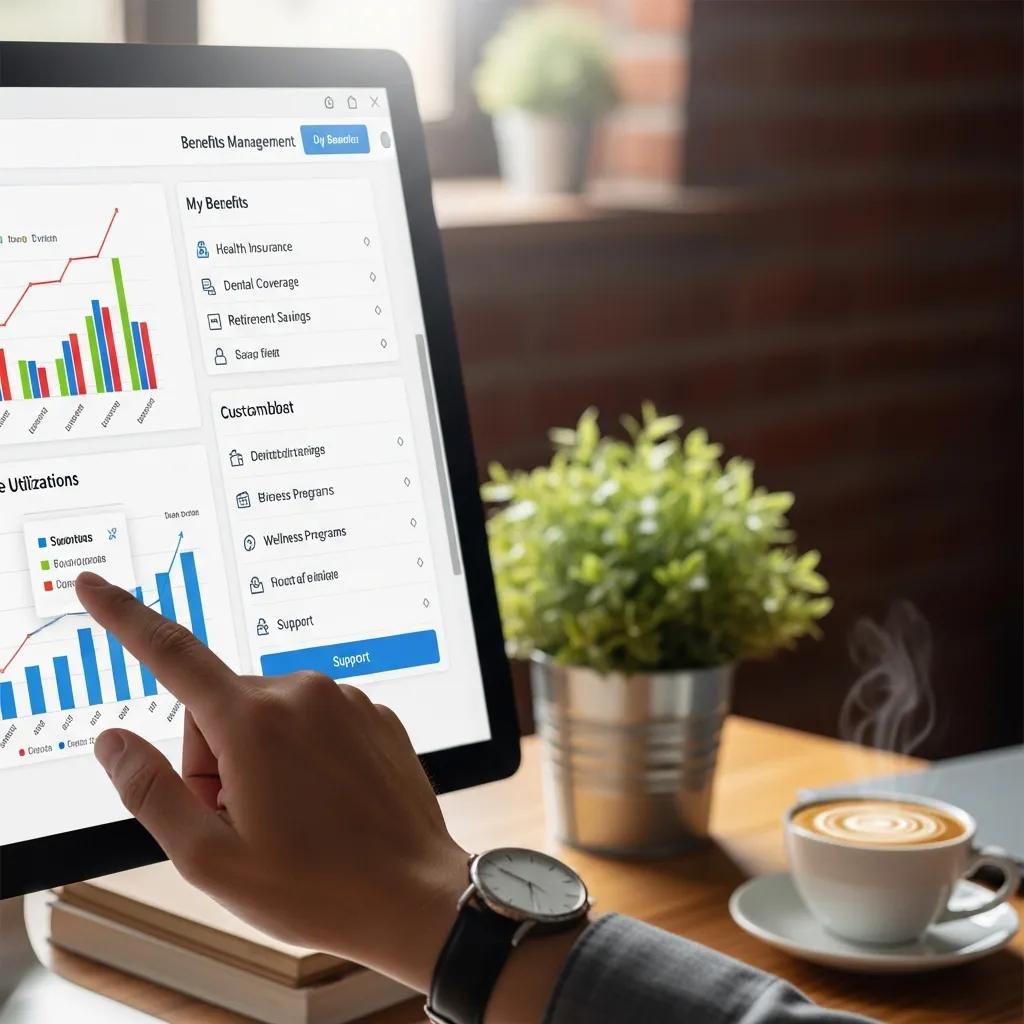
Integration capabilities play a pivotal role in the effectiveness of benefits management solutions. A system that can easily integrate with various HR tools and insurance providers enhances data accuracy and reduces administrative workload. This seamless integration allows for better tracking of employee benefits and simplifies the enrollment process.
What Insurance Products Should the System Seamlessly Connect With?
The benefits administration system should seamlessly connect with a range of insurance products, including health insurance, dental insurance, and vision insurance. This connectivity ensures that all employee benefits are managed within a single platform, reducing the risk of errors and improving overall efficiency. By integrating with multiple insurance products, businesses can offer a more comprehensive benefits package to their employees.
How Does Automation Enhance Employee Enrollment and Benefits Administration?
Automation significantly enhances employee enrollment and benefits administration by streamlining processes and reducing manual tasks. Automated systems can handle tasks such as enrollment notifications, benefits changes, and compliance tracking, allowing HR teams to focus on more strategic initiatives. This efficiency not only saves time but also improves the overall employee experience by providing timely and accurate information regarding their benefits.
Comparing Types of Benefits Administration Systems for Michigan Small-to-Midsize Businesses
Choosing the right type of benefits administration system depends on your business size, industry, and specific needs. Below is a comparison of three common types of systems, highlighting their pros and cons for Michigan small-to-midsize businesses, including those in the prevalent auto industry and manufacturing sectors.
Michigan employers, especially in manufacturing and the auto industry, should consider how each system type aligns with their operational scale and compliance needs, including adherence to Michigan-specific regulations and the EPIC Act.
What Are the Pricing Models and ROI Considerations for Benefits Administration Platforms?
Understanding the pricing models and return on investment (ROI) considerations for benefits administration platforms is crucial for making an informed decision. Different software solutions may offer various pricing structures, including subscription-based models or one-time fees. Evaluating these models against the potential ROI can help businesses determine the most cost-effective solution.
How to Compare Cost Structures of Small Business Benefits Software?
When comparing cost structures of small business benefits software, consider factors such as the number of employees, the range of features offered, and any additional costs for integrations or support. It is essential to obtain detailed quotes from multiple providers to ensure a comprehensive comparison. Additionally, assessing the long-term value of the software, including potential savings from improved efficiency and compliance, can provide valuable insights into its overall cost-effectiveness.
What Is the Expected Return on Investment from Benefits Management Solutions?
The expected return on investment from benefits management solutions can vary based on several factors, including the size of the business and the complexity of its benefits offerings. Generally, businesses can expect to see a positive ROI through reduced administrative costs, improved employee satisfaction, and enhanced compliance. By investing in a robust benefits administration system, companies can streamline their operations and ultimately save money in the long run.
How to Evaluate User Experience and Support in Benefits Administration Systems?
Evaluating user experience and support features in benefits administration systems is essential for ensuring that both HR personnel and employees can effectively utilize the software. A user-friendly interface and responsive support can significantly impact the overall satisfaction with the system.
What User Support Features Are Essential for Michigan Businesses?
Essential user support features for Michigan businesses include comprehensive training resources, responsive customer service, and easy access to technical support. Providing employees with the necessary tools and resources to navigate the system can enhance their experience and ensure that they fully understand their benefits. Additionally, having a dedicated support team available to address any issues can help maintain a positive user experience.
How Does Employee Self-Service Improve Benefits Software Usability?

Employee self-service features improve benefits software usability by empowering employees to manage their benefits independently. This includes tasks such as enrolling in plans, updating personal information, and accessing benefits information. By providing a self-service portal, businesses can reduce the administrative burden on HR teams and enhance employee engagement with their benefits.
What Can Michigan Business Case Studies Teach About Choosing Benefits Software?
Learning from Michigan business case studies can provide valuable insights into the selection and implementation of benefits administration software. These real-world examples can highlight effective strategies and common challenges faced by local businesses.
Which Success Stories Highlight Effective Benefits Administration?
Several Michigan businesses have successfully implemented benefits administration systems that have streamlined their operations and improved employee satisfaction. For instance, a local manufacturing company reported a 30% reduction in administrative time spent on benefits management after adopting a new software solution. These success stories can serve as a guide for other businesses looking to enhance their benefits administration processes.
How Have Local Businesses Overcome Common Implementation Challenges?
Local businesses have encountered various challenges during the implementation of benefits administration software, including resistance to change and integration issues. However, many have successfully navigated these challenges by providing thorough training and support to employees, as well as ensuring clear communication throughout the process. By learning from these experiences, other businesses can better prepare for their own implementation journeys.
What Are the Latest Trends in Benefits Administration Software for Michigan Businesses?
Staying informed about the latest trends in benefits administration software is crucial for Michigan businesses looking to remain competitive. Emerging technologies and innovative solutions can significantly enhance the effectiveness of benefits management.
How Is AI Driving Innovation in Employee Benefits Management?
Artificial intelligence (AI) is driving innovation in employee benefits management by enabling more personalized and efficient solutions. AI-powered systems can analyze employee data to provide tailored benefits recommendations, improving employee engagement and satisfaction. Additionally, AI can automate routine tasks, allowing HR teams to focus on more strategic initiatives.
Why Are Cloud-Based Platforms Becoming the Standard Choice?
Cloud-based platforms are becoming the standard choice for benefits administration due to their scalability, cost-effectiveness, and ease of access. These platforms allow businesses to manage their benefits from anywhere, facilitating remote work and improving overall efficiency. As more companies adopt cloud technology, the demand for flexible and user-friendly benefits administration solutions continues to grow.
Indeed, research highlights how cloud-based solutions, particularly Software as a Service (SaaS) models, offer significant advantages in terms of cost control and operational efficiency.
SaaS Benefits for Employee Benefits Software
It was found that SaaS could provide many benefits which are related to the outsourcing of the local control, installation and development of software which could result in potential cost-savings and better cost control.
Challenges for adopting cloud-based software as a service (saas) in the public sector, M Janssen, 2011
Where to Find Reliable Resources and Support for Selecting Benefits Administration Systems?
Finding reliable resources and support for selecting benefits administration systems is essential for making informed decisions. Various organizations and regulatory bodies can provide valuable guidance.
Which Michigan Regulatory Bodies Provide Compliance Guidance?
Michigan regulatory bodies, such as the Michigan Department of Insurance and Financial Services, offer compliance guidance for businesses navigating employee benefits. These organizations provide resources and updates on state regulations, helping businesses stay informed and compliant.
What Industry Resources Offer Updates on Benefits Technology?
Industry resources, including professional associations and online publications, offer updates on the latest trends and technologies in benefits administration. Subscribing to these resources can help businesses stay ahead of the curve and make informed decisions regarding their benefits management strategies.
Frequently Asked Questions About Selecting Benefits Administration Systems in Michigan
What is the typical cost range for benefits administration software for small-to-midsize Michigan businesses?
Costs vary depending on the system type and features but generally range from monthly subscription fees of $5 to $15 per employee for standalone or integrated platforms. Broker-provided platforms may include fees bundled with insurance services. It is important to consider total cost of ownership, including setup, training, and integration expenses.
Do benefits administration systems help with ACA compliance reporting?
Yes, most modern benefits administration systems include features to track and report on ACA compliance requirements, such as employee coverage status and IRS reporting forms (e.g., Forms 1094-C and 1095-C). Ensuring your system supports these functions is critical for avoiding penalties.
Can benefits administration software integrate with payroll systems used by Michigan employers?
Many benefits administration platforms offer integration with popular payroll systems, enabling seamless data transfer for deductions, contributions, and tax reporting. This integration reduces errors and administrative workload, which is especially beneficial for Michigan employers in complex industries like manufacturing and automotive.
Are there Michigan-specific compliance features to look for in benefits software?
Yes, look for software that supports compliance with Michigan-specific regulations such as the Michigan EPIC Act, state insurance mandates, and local reporting requirements. Systems that facilitate secure handling of personal information and provide audit trails can help meet these obligations.
To learn more about employee benefits, it’s important to consider all available options.
For further assistance, you can contact us for personalized support.
Many Michigan businesses are now exploring group health insurance options to attract and retain top talent.