

By CFH Insurance Consultants, CFH Insurance Consultants
Navigating the complex landscape of Michigan employee benefits compliance is a critical and often challenging responsibility for employers. This comprehensive guide details the essential benefits regulations that Michigan employers must follow to ensure full employer compliance when managing employee benefits. By gaining a deep understanding of the relevant laws, insurance mandates, reporting, documentation, and communication requirements, employers can avoid costly penalties and build a competitive benefits package that supports workforce attraction and retention. Key topics include mandatory benefit provisions, interactions between federal and state laws, precise reporting obligations, documentation standards, effective compliance strategies, and monitoring for regulatory updates. With clear guidance and actionable insights, this article equips Michigan employers to excel in employee benefits with adherence to regulatory standards.
Michigan Employee Benefits Compliance: Laws Employers Must Follow for Employer Compliance
Michigan employers are required to adhere to a diverse set of benefits regulations governing health, disability, life, dental, and vision insurance coverage. These laws are designed to protect employee rights and promote equitable access to benefits that enhance financial security and well-being. The federal Affordable Care Act (ACA) serves as the foundational framework for Michigan employee benefits compliance, establishing minimum essential coverage, affordability standards, and detailed reporting requirements for employer-sponsored health plans. Michigan reinforces this framework with additional state mandates such as its Employer Mandate, mental health parity laws, paid medical leave requirements, and transparency in benefits plan communications. Mastery of both federal and state regulations—including documentation, nondiscrimination rules, eligibility criteria, and employee communication policies—is vital to maintaining full employer compliance and avoiding enforcement actions.
Mandatory Benefits Under Michigan Benefits Regulations for Employer Compliance
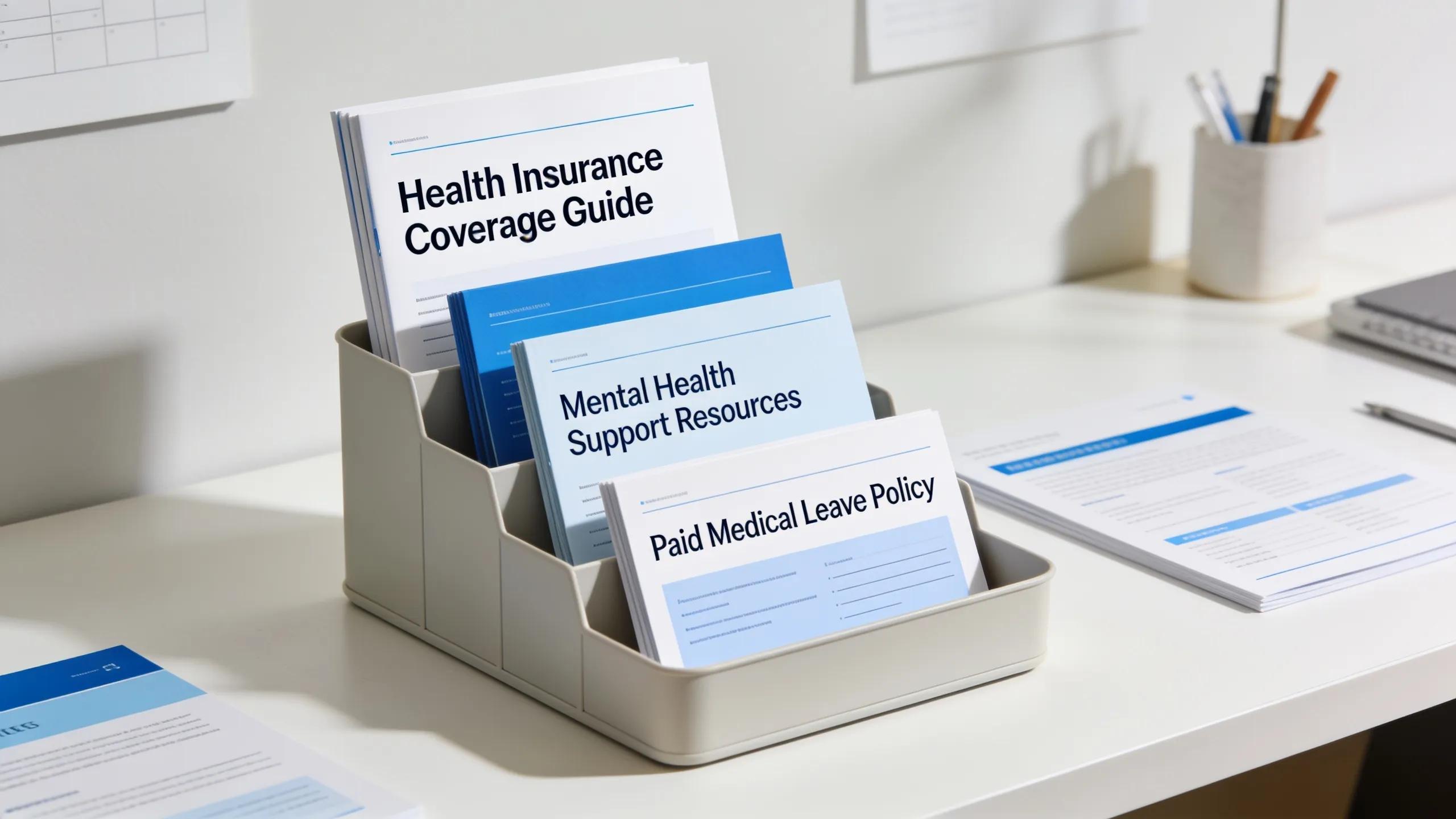
Under Michigan benefits regulations, employers must provide specific mandatory benefits designed to foster employee well-being and comply with both federal and state laws. These essential benefits include: employee benefits consulting in Warren.
- Health Insurance Coverage: Employers must offer health insurance plans that meet ACA minimum essential coverage requirements, demonstrating affordability and minimum value in compliance with Michigan’s laws.
- Mental Health Parity: Compliance with mental health parity laws requires that benefits for mental health and substance use disorders are provided comparably to medical benefits, without discriminatory financial or treatment limitations.
- Paid Medical Leave: Michigan mandates paid medical leave with accrual and usage policies that employers must administer transparently and document accordingly.
- Disability and Life Insurance: While these are not universally required, applicable regulations ensure nondiscriminatory coverage and mandate proper beneficiary designation procedures.
- Dental and Vision Insurance: Though often voluntary, these benefits must align with state and federal rules on coverage, network adequacy, and clear communication with employees.
These mandated and regulated benefits form the core of Michigan employee benefits compliance, helping employers build sustainable, equitable benefit programs that fulfill employer compliance responsibilities.
Interaction of Federal and Michigan Benefits Regulations: Ensuring Employer Compliance
Understanding the intersection of federal and Michigan benefit laws is fundamental for effective Michigan employee benefits compliance. Federal statutes like the ACA provide baseline health coverage mandates including minimum essential coverage, employer shared responsibility, nondiscrimination, and comprehensive administrative reporting to agencies such as the IRS and Department of Labor (DOL). Michigan augments these with its own Employer Mandate, robust mental health parity laws aligned with the federal Mental Health Parity and Addiction Equity Act (MHPAEA), and paid medical leave provisions that add state-specific protections. Successful employer compliance requires harmonizing these overlapping requirements—verifying benefit plans meet or exceed the strictest applicable mandates, fulfilling both federal reports such as IRS Forms 1094-C and 1095-C and Michigan-specific notices, and maintaining thorough documentation and employee communications. Keeping abreast of this complex legal framework empowers Michigan employers to administer benefits lawfully and effectively.
Ensuring Compliance with Health Insurance Requirements in Michigan Employee Benefits Compliance

Effective Michigan employee benefits compliance mandates that employers implement robust strategies for health insurance compliance aligned with both federal and benefits regulations. Best practices include:
- Periodic ACA Compliance Reviews: Conduct in-depth audits of health plan offerings to ensure conformity with ACA coverage requirements, affordability thresholds, essential health benefits inclusion, and nondiscrimination policies.
- Diligent Documentation and IRS Reporting: Maintain detailed records of plan terms, employee enrollment, and eligibility. Comply fully with annual IRS reporting via Forms 1094-C and 1095-C by accurate preparation and timely submissions.
- Comprehensive Employee Communication: Distribute all mandated notices including Summary of Benefits and Coverage (SBC), COBRA rights, and mental health parity disclosures in a timely and clear manner.
- Ongoing HR and Benefits Personnel Training: Continuously invest in staff education on evolving federal and state benefits regulations, compliance obligations, and effective documentation and reporting.
- Utilization of Compliance Technology: Implement benefits administration software to monitor eligibility, track deadlines, generate alerts, and streamline compliance workflows.
Adhering to these strategies fosters a culture of diligent employer compliance and minimizes risks associated with regulatory penalties in Michigan employee benefits management.
Compliance Obligations for Group Health Insurance Plans Under Michigan Benefits Regulations
Group health insurance plans in Michigan must comply with comprehensive federal and state benefits regulations. ERISA governs many aspects, requiring employers to furnish plan participants with Summary Plan Descriptions (SPDs) and full plan documentation, ensuring transparency about benefits and participant rights. Obligations include timely filing with the Department of Labor, fiduciary standards, proper claims and appeals procedures, and ACA coverage mandates involving preventive services and wellness initiatives. State laws further require adherence to mental health parity and paid leave integration standards. Compliance also involves administering COBRA continuation coverage notifications and upholding HIPAA privacy protections. By effectively managing these multi-faceted requirements, employers achieve lawful group health insurance plan management that satisfies both federal and Michigan employer compliance demands. For an in-depth resource tailored to these requirements, employers can refer to the newly optimized guide on group health insurance plans for Michigan employers, which offers detailed insights and practical compliance tips.
QSEHRA and ICHRA Plans Compliance with Michigan Benefits Regulations for Employer Compliance
Qualified Small Employer Health Reimbursement Arrangements (QSEHRA) and Individual Coverage Health Reimbursement Arrangements (ICHRA) provide flexible, tax-advantaged options within Michigan employee benefits compliance frameworks. Employers must ensure these plans meet federal eligibility rules, contribution limits, nondiscrimination requirements, and documentation standards consistent with applicable benefits regulations. QSEHRAs must adhere to maximum contribution limits and cannot be offered concurrently with group health plans. ICHRAs require verification that reimbursements are used for individual health insurance plans meeting minimum essential coverage. Both require precise employee notifications and records retention under IRS and DOL guidelines. These arrangements must also comply with Michigan-specific health benefit mandates, employee communication norms, and documentation protocols. Proper implementation supports compliance while expanding benefit options with minimized employer risk.
Michigan Disability, Life, Dental, and Vision Insurance Compliance Rules under Benefits Regulations
Compliance with benefits regulations extends beyond health insurance to disability, life, dental, and vision coverages in Michigan. Employers must align their plans with legal standards guaranteeing fairness, adequate coverage, and transparent communications. Key regulatory elements include:
- Disability Insurance Compliance: Plans must meet Michigan regulations related to benefit levels, qualifying conditions, waiting periods, and employee notification, offering both short-term and long-term coverage when applicable.
- Life Insurance Obligations: Employers must follow ERISA mandates for plan documentation, nondiscrimination, and beneficiary designation to maintain equity and clarity.
- Dental and Vision Insurance Regulations: These plans must comply with coverage adequacy, network sufficiency, and state and federal behavioral health parity laws where relevant, accompanied by clear employee benefit disclosures.
- Employee Communications and Documentation: Issuance of summary plan descriptions, notices of plan amendments, and maintenance of accessible records is mandatory under Michigan employer compliance standards.
Adhering to these requirements ensures equitable benefits access, protects employee rights, and fulfills the comprehensive Michigan employee benefits compliance obligations of employers. For more detailed information and guidance on protecting your workforce, employers may also consult the newly optimized guide on life and disability insurance for employees.
Disability and Life Insurance Regulations Impacting Michigan Employers for Employer Compliance
Michigan employers must navigate an array of federal and state statutes affecting disability and life insurance to uphold complete employer compliance. ERISA establishes rules on plan transparency, fiduciary duties, claims processing, and employee protections. Compliance includes providing documentation such as plan and summary plan descriptions, enforcing nondiscrimination in coverage, and adhering to federal tax and nondiscrimination laws including the Americans with Disabilities Act (ADA). Michigan-specific disability regulations define minimum benefits and conditions. Employers are responsible for accurate recordkeeping, proper enrollment practices, and thorough employee communications to satisfy all applicable benefits regulations governing these insurance plans.
Managing Dental and Vision Insurance Requirements under Michigan Benefits Regulations
Employers offering dental and vision insurance must comply with comprehensive benefits regulations to maintain Michigan employee benefits compliance. Critical employer duties include:
- Meeting Regulatory Coverage Standards: Ensuring plan coverage and network adequacy meet Michigan and federal mandates including behavioral health parity requirements when applicable.
- Transparent Employee Communication: Providing clear, accessible Summary of Benefits and Coverage (SBC), detailed plan limitations, cost-sharing structures, and open enrollment guidelines.
- Regular Compliance Audits: Periodically reviewing plan compliance, claims handling, and network quality to ensure ongoing regulatory alignment.
- Data Privacy and Management: Protecting employee health data under HIPAA and maintaining precise, secure records for plan administration and reporting obligations.
Proactive management of these aspects supports employer compliance and promotes employee trust in benefits offerings.
Michigan Employer Reporting Requirements and Penalties under Benefits Regulations
Adhering to detailed reporting requirements is an integral part of Michigan employee benefits compliance. Key obligations encompass:
- ACA Reporting: Submitting annual filings to the IRS via Forms 1094-C and 1095-C detailing offered health coverage and employee status is mandatory to demonstrate compliance with employer shared responsibility provisions.
- COBRA Communications: Employers must notify eligible employees of continuation rights under COBRA and manage enrollment and premiums accordingly.
- State-Required Reporting: Additional Michigan-specific reporting covers paid medical leave accruals, mental health parity adherence, and state-mandated employee benefits audits.
- Timely and Accurate Reporting: Ensuring all reports are timely, complete, and accurate mitigates audit risks and penalty exposure.
Failure to comply can lead to substantial financial penalties, corrective mandates, and legal exposure, underscoring the importance of meticulous employer compliance processes and automation where feasible.
Accurate Reporting of Employee Benefits for Michigan Employee Benefits Compliance
Employers must combine federal IRS standards with Michigan-specific reporting mandates to achieve full Michigan employee benefits compliance. Recommended practices include:
- IRS Compliant ACA Reporting: Deploy thorough data collection systems for employee coverage details and meet electronic filing deadlines for Forms 1094-C and 1095-C each year.
- Comprehensive Record Maintenance: Keep detailed records on employee eligibility, enrollment, benefit plan documentation, and changes to support audits and accurate reporting.
- State-Specific Knowledge: Understand Michigan’s paid leave, insurance disclosures, and notification requirements to supplement federal reports.
- Use of Technology Systems: Leverage payroll and compliance software to automate data aggregation, report generation, and alerting for submission deadlines.
- Regular Internal Audits: Conduct frequent reviews of benefits data to detect and correct discrepancies pre-filing.
Such diligence is essential to avoid common pitfalls and enforce rigorous employer compliance regarding benefits reporting.
Penalties for Non-Compliance with Michigan Benefits Regulations and Employer Compliance
Non-compliance with Michigan employee benefits compliance statutes can result in a range of severe penalties, including:
- Financial Fines: The IRS can impose significant penalties for ACA violations including improper coverage or reporting failures, with fines scaling per employee and escalating for repeat non-compliance.
- Legal Actions: Employers may face lawsuits from employees for benefit violations, discrimination claims, or state regulatory enforcement.
- Loss of Tax Advantages: Failure to maintain compliance risks forfeiture of tax benefits related to health plans and tax-exempt status of benefits arrangements.
- Administrative Sanctions: State agencies may issue corrective orders, require enhanced disclosures, or suspend benefit plans until compliance is ensured.
These serious consequences underscore the imperative for robust compliance management frameworks focused on employer compliance obligations.
Maintaining Ongoing Michigan Employee Benefits Compliance and Monitoring Legal Updates
Sustained Michigan employee benefits compliance entails continuous, proactive efforts by employers, including:
- Regular Compliance Audits: Schedule comprehensive audits to assess conformity with evolving benefits regulations, plan administration, and proper documentation.
- Active Regulatory Monitoring: Track updates from federal bodies (IRS, DOL, HHS) and Michigan state agencies via newsletters, alerts, and professional affiliations.
- Continuous Staff Training: Maintain ongoing education programs for HR and compliance teams focused on current laws, plan design, and reporting duties.
- Leveraging Compliance Technology: Use advanced software with automatic update features and alert mechanisms to support adherence.
- Engaging Professional Expertise: Utilize legal counsel and benefits consultants experienced in Michigan law to address complex compliance challenges.
Through these systematic strategies, employers build enduring compliance capacities, reduce legal risk, and respond effectively to regulatory changes in employee benefits.
Tools and Resources for Tracking Michigan Employee Benefits Regulations and Ensuring Employer Compliance
Employers can harness diverse tools and resources to stay informed on Michigan employee benefits compliance requirements and regulatory developments, including:
- Industry Associations: Groups like the Michigan Chamber of Commerce and the National Association of Benefits and Insurance Professionals (formerly NAHU) provide training, webinars, and advocacy focused on benefits regulations.
- Consulting Services: Expert benefits consultants and legal advisors offer compliance audits, updates, and education services tailored to Michigan employers.
- Compliance Technology Solutions: Dedicated benefits administration software and tracking platforms facilitate automatic updates on regulatory changes and deadline management.
- Government Resources: Federal (IRS, DOL, HHS) and Michigan state websites provide authoritative guidance, official forms, and compliance alerts critical to upholding employer compliance.
Leveraging these resources enhances employer readiness and streamlines effective management of employee benefits compliance.
Implementing Internal Compliance Audits and Staff Training for Michigan Employee Benefits Compliance and Employer Compliance
Effective internal audits and education programs are cornerstones for achieving and maintaining Michigan employee benefits compliance. Essential steps include:
- Establishing Formal Audit Schedules: Set recurring audits focused on plan design, documentation, reporting accuracy, and regulatory adherence.
- Utilizing Detailed Audit Checklists: Develop tools aligned with federal and state legal standards covering areas such as ACA compliance, COBRA administration, mental health parity, and insurance mandates.
- Designing Comprehensive Training Programs: Provide ongoing education to HR, benefits staff, and managers on current and evolving benefits regulations and compliance best practices.
- Engaging Employees in Benefits Awareness: Offer transparent, accessible information on employee rights and benefit options to promote informed participation and compliance.
- Evaluating and Updating Training Effectiveness: Collect feedback, track compliance outcomes, and refine training content to address newly identified gaps and regulatory changes.
Prioritizing these initiatives nurtures a strong organizational culture committed to excellence in employer compliance and Michigan employee benefits compliance.
Questions We Get
The questions employers ask us most are answered in full on our resources page.
Unhappy with your current broker? Switch to CFH. Your employees won’t notice. You will.
