

By CFH Insurance Consultants, CFH Insurance Consultants
Critical illness insurance is a vital component of employee benefits that provides financial support in the event of serious health conditions. For Michigan employers, understanding the nuances of critical illness insurance can enhance employee wellness and satisfaction while ensuring compliance with state regulations. This article expands on the benefits of critical illness insurance for employees, lump-sum benefit structures, integration with High Deductible Health Plans (HDHPs), wellness screening riders, tax treatment of benefits, and practical implementation tips for HR managers. Additionally, we include comparison tables and case examples to assist employers in optimizing their benefits packages effectively. Consider exploring comprehensive employee benefits for a robust package.
What Is Critical Illness Insurance and How Does It Benefit Michigan Employees?
Critical illness insurance is designed to provide a lump-sum payment to employees diagnosed with specific serious illnesses, helping to alleviate the financial burden associated with medical expenses and related costs. This type of insurance can significantly benefit employees by offering financial support during challenging times, allowing them to focus on recovery rather than financial stress. Coverage typically includes major illness categories such as cancer, heart attack, stroke, and major organ failure, each posing substantial financial implications for affected individuals.
Which Covered Condition Categories are Included in Michigan Critical Illness Insurance Plans?
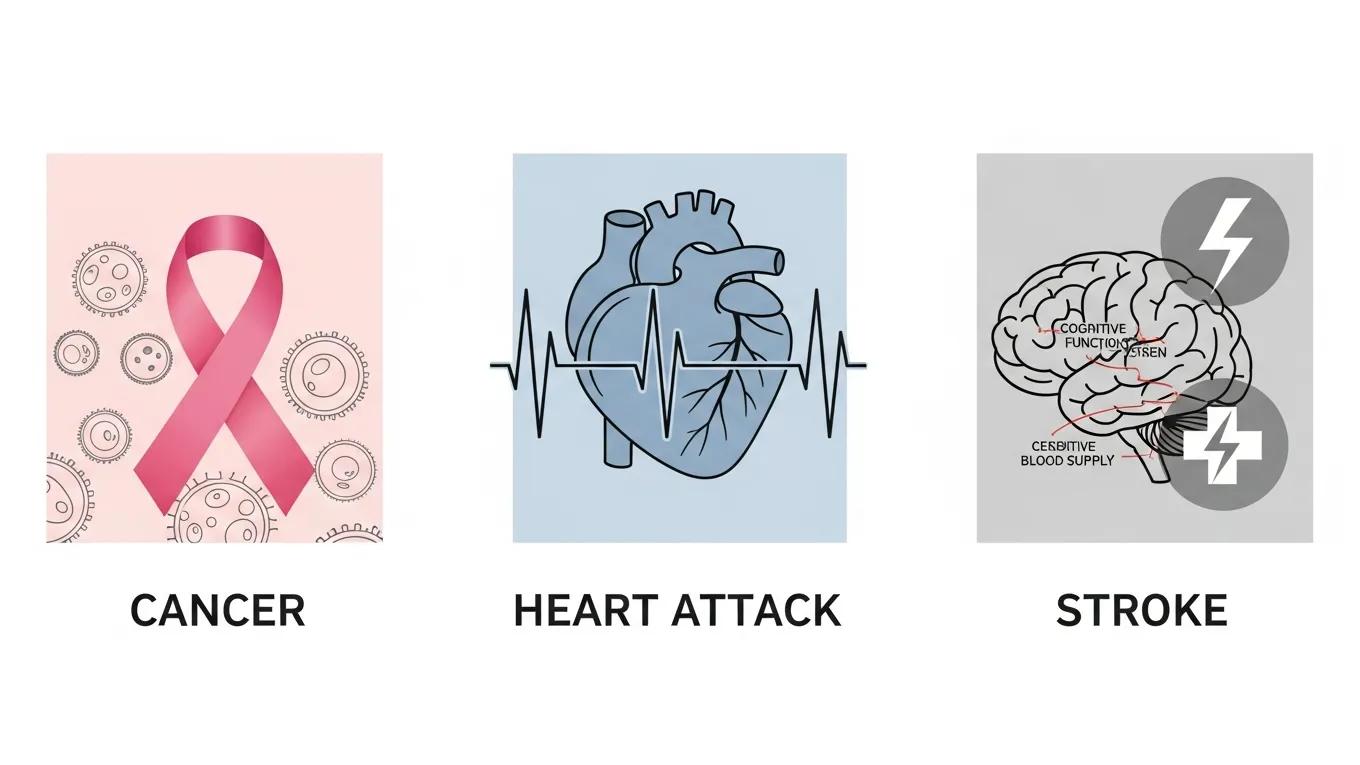
In Michigan, critical illness insurance plans commonly cover the following serious health condition categories:
- Cancer: Various forms of cancer, including invasive and non-invasive types, providing essential support during diagnosis and treatment.
- Heart Attack: Coverage for myocardial infarction, which incurs significant medical and recovery costs.
- Stroke: Financial assistance for stroke recovery and rehabilitation expenses.
- Major Organ Failure: Including failure of organs such as the kidneys, liver, or lungs, often requiring long-term treatment and care.
These conditions represent critical health events that impact both the wellbeing and financial stability of employees, making coverage essential for peace of mind.
How Are Lump-Sum Benefits Structured in Critical Illness Insurance?
Critical illness insurance typically provides employees with a predetermined lump-sum benefit upon diagnosis of a covered condition. This benefit structure is designed to immediately assist with the financial demands associated with serious illnesses. Key elements include:
- Fixed Benefit Amounts: Set dollar amounts paid out per covered condition, typically ranging from $5,000 to $50,000 or more, depending on the plan.
- Multiple Payouts: Some plans allow separate lump-sum payments for different illnesses or subsequent occurrences.
- Benefit Amount Tiers: Employers may offer tiered options allowing employees to select coverage levels matching their needs and budgets.
This lump-sum approach ensures employees have flexible financial resources to cover medical expenses, living costs, or other needs without stringent restrictions on how the funds may be used.
How Does Critical Illness Insurance Complement and Integrate with High Deductible Health Plans (HDHPs)?
Many Michigan employers operate HDHPs, which require employees to pay higher out-of-pocket costs before insurance coverage begins. Critical illness insurance integrates effectively with HDHPs by providing financial relief that offsets these higher expenses.
- Mitigating High Deductibles: Lump-sum benefits help employees manage deductibles and copayments that their HDHP requires them to pay upfront.
- Enhanced Financial Security: Offers employees peace of mind knowing they have extra resources if faced with a serious diagnosis while on a high deductible plan.
- Coordination of Benefits: Critical illness benefits pay independently from HDHP claims, allowing use of the funds for non-medical expenses if desired.
This integration supports overall employee financial wellness and increases the attractiveness of an HDHP-based benefits strategy.
What Are Wellness Screening Riders and Their Benefits?
Many critical illness insurance plans offer optional wellness screening riders that provide additional benefits to employees taking proactive steps toward their health. These riders pay a small benefit when employees complete approved preventive screenings, such as:
- Mammograms
- Colonoscopy
- Blood tests
- Annual physical exams
The wellness rider encourages healthy behaviors, promotes early detection, and can help reduce long-term health risks. Employers benefit by incentivizing wellness and potentially lowering overall claims costs through healthier employees.
What Is the Tax Treatment of Critical Illness Insurance Benefits for Michigan Employees?
Understanding the tax implications of critical illness benefits is essential for employers and employees alike. Key points include:
- Employer-Paid Premiums: If the employer pays the premiums and does not include the cost in the employee’s taxable income, then the lump-sum benefits are generally taxable to the employee.
- Employee-Paid Premiums: If employees pay the full premium with after-tax dollars, the lump-sum benefits are typically received tax-free.
- Group Plan Considerations: Employers should consult with tax advisors to ensure proper plan structuring and employee communication regarding tax liabilities.
This knowledge helps HR managers to appropriately set up and explain the benefits to employees.
What Are Michigan Employers’ Responsibilities Regarding Critical Illness Insurance Compliance?
Employers in Michigan have specific responsibilities when it comes to offering critical illness insurance to their employees. Understanding these obligations is crucial for maintaining compliance and ensuring that employees receive the benefits they need. For tailored solutions, consider contacting us for expert guidance.
Are Michigan employers required to offer critical illness insurance to employees?
While Michigan employers are not mandated by law to provide critical illness insurance, offering it can be a strategic advantage in attracting and retaining talent. Employers should consider the benefits of providing this insurance as part of a comprehensive benefits package, especially in competitive job markets. Additionally, employers must ensure that any offered plans comply with the Affordable Care Act (ACA) and other relevant regulations.
What Michigan group insurance regulations affect critical illness coverage?
Michigan has specific regulations governing group insurance that employers must adhere to when offering critical illness insurance. Key regulations include:
- Community Rating Rules: These rules ensure that insurance premiums are based on the overall health of the group rather than individual health status.
- Reporting Requirements: Employers must comply with state reporting requirements to maintain transparency and accountability in their insurance offerings.
Understanding these regulations helps employers navigate the complexities of providing critical illness insurance while ensuring compliance with state laws.
How Can Michigan Employers Integrate Critical Illness Insurance into Employee Benefits Packages?

Integrating critical illness insurance into existing employee benefits packages requires careful planning and execution. Employers can enhance their benefits offerings by following best practices for integration. For those exploring reimbursement strategies like QSEHRA and ICHRA, these can offer flexible ways to manage benefits.
What Are the Steps for HR Managers to Implement Critical Illness Insurance Plans?
- Assess Employee Needs: Conduct surveys or focus groups to identify interest and gaps in current health benefits.
- Evaluate Insurance Options: Compare plans for coverage types, benefit amounts, wellness riders, and premium costs.
- Ensure Regulatory Compliance: Work with legal counsel to confirm plan compliance with ACA and Michigan insurance laws.
- Develop Clear Communication Materials: Prepare FAQs, informational sessions, and enrollment guides to educate employees on plan benefits and processes.
- Coordinate Enrollment Processes: Set up timely enrollment windows and provide assistance for employees in selecting appropriate coverage levels.
- Train HR Staff: Equip HR personnel to answer questions and support employees during claims and renewals.
These steps help streamline implementation and optimize program success.
How Do QSEHRA and ICHRA Reimbursement Arrangements Impact Critical Illness Insurance Offerings?
Qualified Small Employer Health Reimbursement Arrangements (QSEHRA) and Individual Coverage Health Reimbursement Arrangements (ICHRA) can significantly impact how employers offer critical illness insurance. These arrangements allow employers to reimburse employees for individual health insurance premiums and out-of-pocket medical expenses, including critical illness insurance.
- Flexibility: Employers can tailor their offerings to meet the diverse needs of their workforce.
- Cost Management: These arrangements can help manage costs while providing valuable coverage options to employees.
Understanding the implications of QSEHRA and ICHRA can help employers optimize their benefits strategy.
What Should Michigan Employers Know About Claim Processes and Coverage Details?
Employers must be familiar with the claims process and coverage details of critical illness insurance to assist employees effectively. This knowledge ensures that employees can navigate their benefits with ease. For a broader overview of group health plans, consider reviewing options at group health insurance.
How Do Employees File Claims for Critical Illness Insurance Benefits?
Filing claims for critical illness insurance benefits typically involves the following steps:
- Notification: Employees must notify their insurance provider of their diagnosis as soon as possible.
- Documentation: Required documentation, including medical records and proof of diagnosis, must be submitted to support the claim.
- Review Process: The insurance provider will review the claim and determine eligibility based on the policy terms.
Understanding this process can help employers guide employees through the claims experience, ensuring they receive the support they need.
What Exclusions and Eligibility Criteria Apply to Critical Illness Insurance in Michigan?
Critical illness insurance policies often include specific exclusions and eligibility criteria that employers and employees should be aware of. Common exclusions may include:
- Pre-existing Conditions: Illnesses diagnosed before the policy’s effective date may not be covered.
- Non-Covered Illnesses: Certain conditions may be explicitly excluded from coverage, depending on the policy.
Employers should ensure that employees understand these exclusions to avoid confusion during the claims process and to set realistic expectations regarding coverage. Additionally, short-term and long-term disability insurance works alongside critical illness coverage to provide comprehensive financial protection for employees facing serious health conditions, further enhancing income protection during health events.
Comparison of Critical Illness Insurance Types Available to Michigan Employers
Case Examples Illustrating Critical Illness Insurance Benefits
Case 1: Cancer Diagnosis with Lump Sum Benefit
Jane, a Michigan employee, was diagnosed with invasive breast cancer. Her group critical illness insurance provided a lump-sum payment of $25,000. She used the funds to cover deductibles on her health plan, additional alternative treatments not covered by health insurance, and household expenses during leave. This financial support helped her focus fully on recovery.
Case 2: Stroke Recovery and HDHP Coordination
Mark experienced a severe stroke and had an HDHP as his primary health coverage. His critical illness insurance paid a lump sum of $40,000, which he applied toward rehabilitation costs, co-pays, and home modifications. The integration of critical illness insurance with his HDHP reduced his out-of-pocket stress and expedited his recovery period.
In conclusion, critical illness insurance is a crucial component of employee benefits that can significantly impact employee well-being and satisfaction. By understanding the benefits, lump-sum structures, compliance responsibilities, tax considerations, and implementation strategies, Michigan employers can optimize their offerings and support their workforce effectively.
Questions We Get
The questions employers ask us most are answered in full on our resources page.
Unhappy with your current broker? Switch to CFH. Your employees won’t notice. You will.
