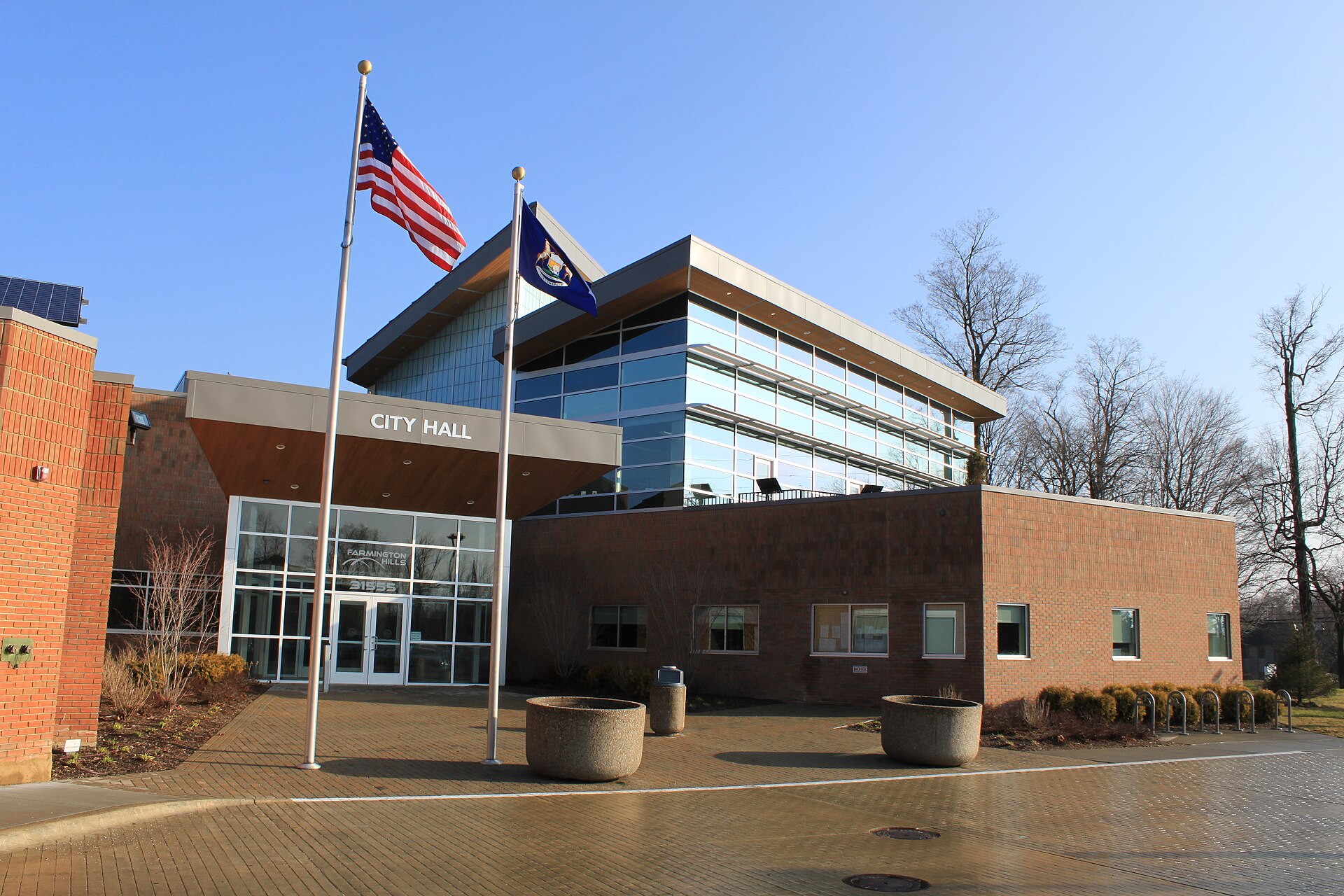
Employee Benefits Consulting in Farmington Hills: How to Choose the Best Group Health Plans and Advisors
By Andrew Henze, CFH Insurance Consultants
Navigating the landscape of employee benefits can be a daunting task for small businesses in Farmington Hills, MI. With a myriad of options available, understanding the best group health plans and the role of an employee benefits consultant is crucial for ensuring that both employers and employees are satisfied. This article will provide insights into the various employee benefits options, including group health insurance, dental and vision plans, and modern reimbursement arrangements like QSEHRA and ICHRA. By the end, you will have a clearer understanding of how to select the best employee benefits consulting services tailored to your business needs.
What Are the Key Employee Benefits Options for Small Businesses in Farmington Hills?
Small businesses in Farmington Hills have access to a variety of employee benefits options that can enhance employee satisfaction and retention. These options typically include group health insurance, dental and vision plans, disability and life insurance, and wellness programs. Each of these benefits plays a significant role in attracting and retaining talent, as they contribute to the overall compensation package offered to employees.
- Group Health Insurance: This is often the cornerstone of employee benefits, providing essential health coverage to employees and their families.
- Dental and Vision Plans: These plans are increasingly important as they address specific health needs that are not covered by standard health insurance.
- Disability and Life Insurance: These options provide financial security for employees and their families in the event of unforeseen circumstances.
- Wellness Programs: These initiatives promote a healthy work environment and can lead to reduced healthcare costs over time.
Understanding these options is vital for small businesses looking to create a competitive benefits package that meets the needs of their workforce.
Understanding Group Health Insurance Plans and Their Benefits

Group health insurance plans are designed to provide health coverage to a group of people, typically employees of a company. These plans can vary significantly in terms of coverage options, costs, and benefits. Employers often choose group health insurance because it can be more affordable than individual plans, and it allows for a wider range of coverage options. For more details on these plans, explore group health insurance options available.
Coverage Options
Group health insurance plans generally offer several types of coverage, including:
- HMO (Health Maintenance Organization): Requires members to use a network of doctors and hospitals.
- PPO (Preferred Provider Organization): Offers more flexibility in choosing healthcare providers.
- EPO (Exclusive Provider Organization): Similar to PPOs but does not cover any out-of-network care.
Cost Implications
The cost of group health insurance can vary based on several factors, including the size of the group, the level of coverage provided, and the specific insurance provider. Employers typically share the cost of premiums with employees, making it a more affordable option for both parties.
This table illustrates the differences in coverage options and cost implications associated with various group health insurance plans, helping employers make informed decisions.
Exploring Dental, Vision, Disability, and Life Insurance Options
In addition to health insurance, small businesses should consider offering dental, vision, disability, and life insurance as part of their employee benefits package. These options not only enhance the overall benefits offering but also demonstrate a commitment to employee well-being. Specialized plans for dental and vision can significantly improve employee satisfaction. Furthermore, securing disability and life insurance provides essential financial security for your team.
Types of Additional Insurance Options
- Dental Insurance: Covers routine check-ups, cleanings, and other dental procedures.
- Vision Insurance: Provides coverage for eye exams, glasses, and contact lenses.
- Disability Insurance: Offers income replacement for employees who are unable to work due to illness or injury.
- Life Insurance: Provides financial support to beneficiaries in the event of an employee’s death.
Eligibility and Cost Considerations
When considering these additional insurance options, businesses should evaluate the eligibility criteria and associated costs. Many employers choose to cover a portion of the premiums, making these benefits more accessible to employees.
How Do QSEHRA and ICHRA Reimbursement Arrangements Work for Michigan Employers?
Qualified Small Employer Health Reimbursement Arrangements (QSEHRA) and Individual Coverage Health Reimbursement Arrangements (ICHRA) are innovative solutions that allow employers to reimburse employees for their health insurance premiums and out-of-pocket medical expenses. Understanding these modern reimbursement models is key for businesses in Michigan. Businesses can explore QSEHRA and ICHRA to provide flexible health benefits.
Eligibility Requirements for QSEHRA and ICHRA
- QSEHRA: Designed for small employers with fewer than 50 full-time employees. Employers can reimburse employees for individual health insurance premiums and qualified medical expenses.
- ICHRA: Available to employers of any size, allowing them to offer a more flexible reimbursement model for employees who purchase their own health insurance.
Tax Implications for Employers and Employees
Both QSEHRA and ICHRA provide tax advantages for employers, as contributions are tax-deductible. Employees also benefit, as reimbursements are generally tax-free, making these arrangements an attractive option for both parties.
Benefits of QSEHRA and ICHRA for Small Business Health Insurance
Implementing QSEHRA and ICHRA can offer several advantages for small businesses looking to provide health insurance options.
- Cost-Effectiveness: These arrangements can be more affordable than traditional group health insurance plans, allowing businesses to control costs while still offering valuable benefits.
- Flexibility for Employees: Employees can choose their own health insurance plans that best meet their individual needs, leading to higher satisfaction.
- Tax Benefits for Employers: Contributions made by employers are tax-deductible, providing financial relief.
These benefits make QSEHRA and ICHRA appealing options for small businesses in Farmington Hills.
Compliance Requirements and Regulatory Guidance for Farmington Hills Businesses
Understanding compliance requirements is essential for businesses offering employee benefits. Employers must adhere to federal and state regulations regarding health insurance and employee benefits.
Federal and State Regulations
Employers must comply with the Affordable Care Act (ACA), which mandates that businesses with 50 or more full-time employees provide health insurance. Additionally, Michigan employers must follow state-specific regulations such as the Michigan Paid Medical Leave Act, which requires employers with 50 or more employees to provide paid medical leave. Furthermore, Michigan’s insurance laws regulate the types of benefits and coverage options that can be offered, including mandates on mental health parity and coverage for certain preventive services. Staying informed about these regulations helps Farmington Hills businesses avoid penalties and ensure comprehensive benefits offerings.
Reporting Obligations for Employers
Employers are required to report health insurance coverage to the IRS using forms such as 1095-C and provide employees with necessary documentation regarding their benefits. Michigan employers should also be aware of state reporting requirements related to paid medical leave and other benefits. Maintaining accurate records and timely reporting is crucial for compliance and avoiding fines.
Why Choose an Employee Benefits Advisor or Broker Near Me in Farmington Hills?

Selecting a local employee benefits advisor or broker can provide significant advantages for businesses in Farmington Hills. They can help navigate the complexities of benefits and ensure you find the right fit for your company. For expert assistance, consider reaching out to a local advisor. Contact us today to discuss your employee benefits needs.
Cost Savings Through Local Brokers
Local brokers often have a better understanding of the regional market and can negotiate better rates with insurance providers, leading to cost savings for businesses.
Expertise in Compliance
A local advisor can help navigate the complex landscape of compliance requirements, ensuring that businesses remain compliant with federal and state regulations.
Access to a Wider Range of Options
Local brokers typically have access to a variety of insurance products and can tailor benefits packages to meet the specific needs of businesses and their employees.
How Local Expertise Enhances Benefits Package Customization
Local expertise plays a vital role in customizing employee benefits packages to suit the unique needs of businesses in Farmington Hills.
Tailored Benefits Packages
By working with a local advisor, businesses can create benefits packages that reflect the preferences and needs of their workforce, enhancing employee satisfaction and retention.
Ongoing Support and Compliance Management
Local advisors provide ongoing support, helping businesses manage their benefits programs and stay compliant with changing regulations.
Stronger Relationships with Local Brokers
Building a relationship with a local broker fosters trust and collaboration, ensuring that businesses receive personalized service and support.
Comparing Services of Employee Benefits Advisors in Michigan
When selecting an employee benefits advisor, businesses should consider several key criteria to ensure they choose the right partner.
- Experience and Expertise: Look for advisors with a proven track record in employee benefits consulting.
- Local Market Knowledge: Advisors familiar with the Michigan market can provide valuable insights and recommendations.
- Tailored Solutions: Choose advisors who offer customized solutions that align with your business goals and employee needs.
What Are the Best Practices for Selecting and Managing Employee Benefits Packages?
Selecting and managing employee benefits packages requires careful consideration and strategic planning.
Criteria for Choosing Group Health Plans
- Assess the needs of your workforce and the types of coverage that will be most beneficial.
- Compare different plans and their costs to find the best fit for your budget.
Effective Management Strategies
- Regularly review and update benefits packages to ensure they remain competitive and meet employee needs.
- Communicate clearly with employees about their benefits options and any changes to the plans.
Cost Management Strategies for Small Businesses in Farmington Hills
Managing the costs associated with employee benefits is crucial for small businesses.
Assessing Employee Needs
Conduct surveys or assessments to understand the specific needs and preferences of your employees regarding benefits.
Partnering with Benefits Consultants
Engaging with benefits consultants can provide valuable insights and strategies for managing costs while still offering competitive benefits.
Implementing Cost Management Strategies
Consider options such as QSEHRA and ICHRA to provide flexible and cost-effective health insurance solutions for your employees.
Integrating Wellness and Retirement Benefits into Employee Plans
Incorporating wellness and retirement benefits into employee plans can enhance overall employee satisfaction and well-being.
Assessing Employee Needs for Wellness
Evaluate the wellness needs of your workforce and consider offering programs that promote physical and mental health.
Designing Comprehensive Retirement Plans
Provide retirement benefits that help employees plan for their future, such as 401(k) plans or other retirement savings options.
Engaging Expert Consultants
Work with benefits consultants to design and implement effective wellness and retirement programs that align with your business goals.
Farmington Hills Business Landscape and Local Expertise
Farmington Hills is a vibrant city with a diverse business landscape that includes thriving professional services, healthcare, and retail sectors. These industries demand competitive and comprehensive employee benefits packages to attract and retain skilled workers. CFH Insurance Consultants has a long-standing history of serving Farmington Hills employers, providing tailored employee benefits consulting that addresses the unique needs of local businesses. Our deep understanding of the regional market and Michigan-specific regulations enables us to deliver solutions that support business growth and employee satisfaction in this dynamic community.
Farmington Hills Client Success Stories
Our experience working with local businesses in Farmington Hills has led to measurable improvements in benefits administration, employee retention, and cost management. Here are a few anonymized examples:
- Corporate Office (75 employees): The HR Director of a mid-sized corporate office streamlined their benefits administration by consolidating multiple plans into a single platform, significantly reducing administrative burden and improving employee access to benefits information.
- Local Retail Group (30 employees): A Benefits Administrator at a retail group enhanced employee retention by introducing voluntary benefits and wellness programs tailored to their workforce, resulting in higher employee satisfaction and reduced turnover.
- Healthcare Provider (50 employees): The Benefits Manager of a healthcare provider successfully navigated ACA compliance complexities and reduced premium costs by transitioning to a self-funded health plan, achieving both regulatory compliance and cost savings.
Farmington Hills Cost Management: Comparing Benefit Plan Structures
ROI Analysis: For small businesses in Farmington Hills, adopting an HSA-compatible high-deductible plan can yield substantial cost savings—up to $30,000 annually for a 25-employee company—while promoting employee engagement in healthcare spending. However, traditional PPO plans may offer higher employee satisfaction due to broader provider networks and lower immediate out-of-pocket expenses. Employers should weigh cost savings against employee preferences to optimize their benefits strategy.
Frequently Asked Questions for Farmington Hills Employers
What employee benefits are required for Farmington Hills employers?
Farmington Hills employers must comply with federal requirements such as the Affordable Care Act (ACA) for businesses with 50 or more full-time employees. Additionally, state laws like the Michigan Paid Medical Leave Act impose obligations on larger employers. While not all benefits are mandated, offering competitive packages including health, dental, and vision insurance is common to attract and retain talent.
How much does group health insurance cost in Farmington Hills?
Costs vary based on company size, plan type, and coverage level. On average, small businesses in Farmington Hills can expect premiums ranging from $400 to $700 per employee per month. Factors such as plan design, employee demographics, and insurer negotiations influence pricing.
What is the difference between HSA and PPO plans for Michigan employers?
HSA-compatible high-deductible plans typically have lower premiums and allow employees to save pre-tax dollars in Health Savings Accounts, promoting consumer-driven healthcare. PPO plans offer broader provider networks and lower out-of-pocket costs but come with higher premiums. Employers should consider employee preferences and cost management goals when choosing between these options.
Do Farmington Hills businesses need COBRA administration?
Yes, employers with 20 or more employees are generally required to offer COBRA continuation coverage to eligible employees who lose health benefits due to qualifying events. Proper administration ensures compliance and avoids penalties.
How do I choose an employee benefits broker in Farmington Hills?
Look for brokers with local market knowledge, experience in employee benefits consulting, and a track record of tailoring solutions to businesses like yours. Consider their ability to provide ongoing support, compliance guidance, and access to a wide range of insurance products.
About the Author
Andrew Henze is the founder of CFH Insurance Consultants and a recognized expert in employee benefits consulting with over 15 years of experience serving businesses in Farmington Hills and throughout Oakland County, Michigan. He holds the Certified Employee Benefit Specialist (CEBS) and Registered Health Underwriter (RHU) designations, underscoring his deep expertise in group health plans, QSEHRA, ICHRA, and regulatory compliance. Andrew is an active member of the Farmington Area Chamber of Commerce and the Oakland County Business Roundtable, engaging regularly with the local business community to stay attuned to evolving needs. He is committed to helping local employers design and manage benefits packages that attract top talent while maintaining cost efficiency and regulatory compliance. His hands-on approach and extensive knowledge make him a trusted advisor for Farmington Hills businesses seeking tailored employee benefits solutions.
