

By CFH Insurance Consultants, CFH Insurance Consultants
Employee health insurance is a critical benefit provided by employers that helps cover a portion of medical expenses for their employees. This coverage significantly alleviates the financial burden associated with healthcare costs, making it an essential feature of modern employment packages. In this comprehensive article, we explore how employee health insurance operates, review its various types, and emphasize its importance for both employees and employers in maintaining a healthy, productive workforce. Having a clear understanding of employee health insurance allows both parties to make well-informed decisions regarding healthcare coverage and the overall wellbeing of the workplace community.
9 min read
How Employee Health Insurance Works: Principles and Operations
Employee health insurance functions on the principle of pooling risks among a collective group of employees, which enables the effective sharing of healthcare costs. This risk pooling is fundamental because it spreads the financial impact of individual medical events across many participants, lowering the premium costs for everyone involved and providing more stable, predictable expenses. Employers carefully select health insurance plans that best suit the demographics and needs of their workforce, and employees contribute to these plans through regular premium payments, often deducted directly from payroll. This shared cost approach results in lower out-of-pocket expenses for individual employees compared to purchasing insurance independently.
Furthermore, comprehensive employee health insurance plans generally provide coverage for a broad spectrum of healthcare services—including preventive care, routine doctor visits, emergency hospitalization, surgical procedures, specialist consultations, mental health services, and prescription medications—delivering extensive protection and support to employees and their dependents.
Types and Structures of Employee Health Insurance Plans
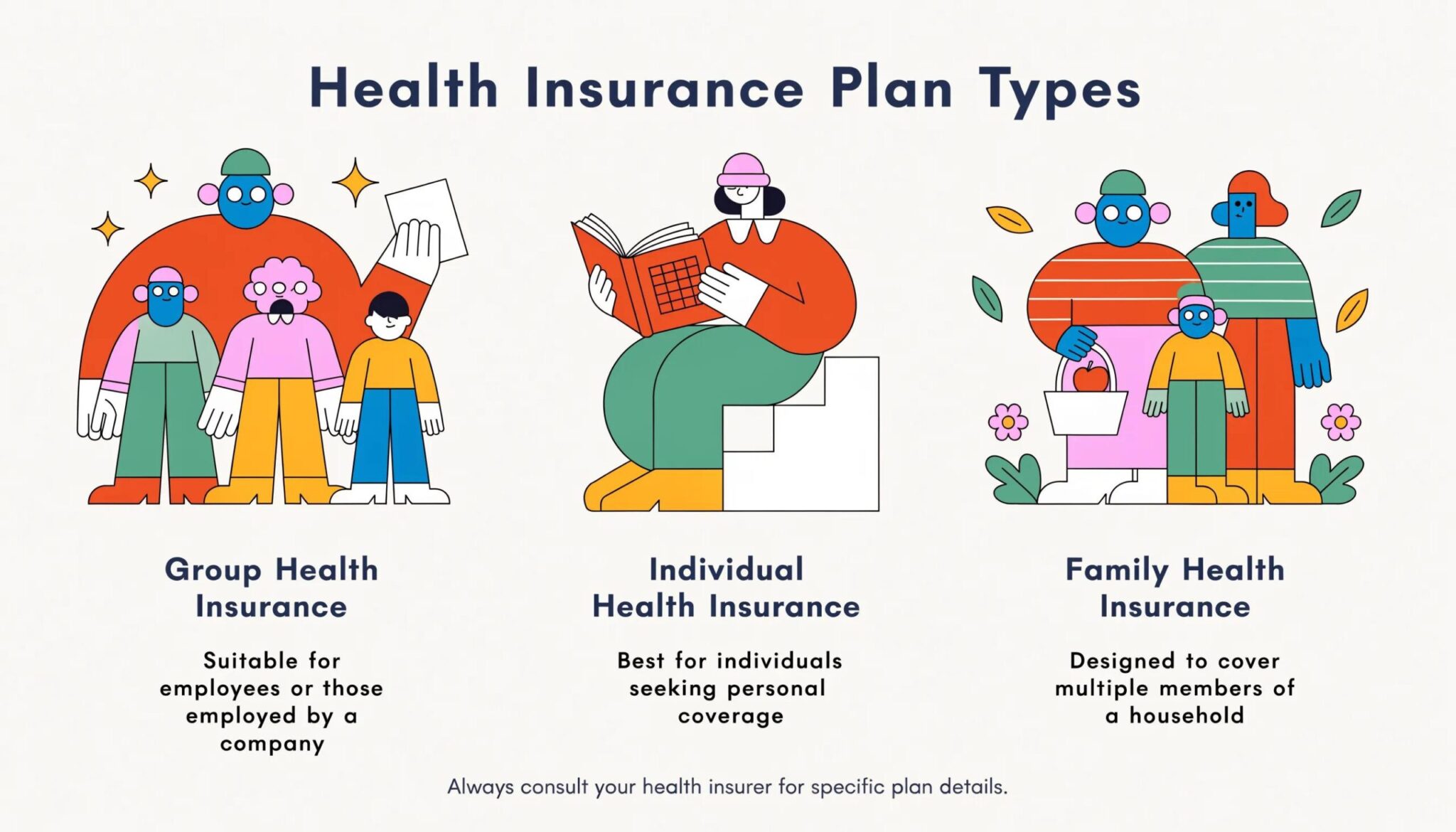
Employee health insurance plans come in multiple forms to accommodate the diverse needs and preferences of employees. Employers offering inclusive group health insurance often ensure a broad set of benefits for their teams. For those interested in securing or upgrading their company’s health coverage, detailed information and resources are readily available to guide employers in choosing the best group health insurance options.
Group Health Insurance
Group health insurance represents the most prevalent and impactful type of employee health coverage. Offered by employers as part of their benefits package, group plans distribute risk across a comprehensive pool of participants, which typically results in more affordable premiums and enhanced bargaining power with insurers. Employers generally bear a significant portion of these premium costs, reducing financial barriers and ensuring that employees receive comprehensive, essential healthcare services at a reduced personal expense.
Beyond basic coverage, many group health insurance plans include extensive wellness programs, telehealth services, mental health resources, preventive care, and options for supplemental coverage, delivering robust and all-encompassing health benefits designed to meet varied employee needs.
Individual Health Insurance
Individual health insurance plans are directly purchased by employees to suit their unique healthcare needs. While these plans offer more customizable coverage options, they usually come with higher premium rates compared to group plans and may lack the extensive benefits negotiated through employer partnerships. For employees evaluating coverage choices, individual plans provide flexibility but may require careful assessment of cost versus benefits to meet their personal health requirements effectively.
Family Health Insurance Plans
Family health insurance plans extend coverage beyond the employee, encompassing their dependents and family members. These comprehensive plans present significant cost efficiencies compared to purchasing separate individual policies for each family member. Additionally, family plans typically include access to pediatric care, maternal health services, and preventive screenings tailored to family needs, fostering the wellbeing of the entire household and providing peace of mind to employees balancing work and family responsibilities.
What Are the Financial Benefits of Offering Employer-Sponsored Health Insurance?
Offering health insurance through an employer-sponsored plan not only provides vital benefits to employees but also unlocks significant financial advantages for employers.
Worked Example: Section 125 Savings for a 40-Employee Michigan Manufacturer
Consider a manufacturing business based in Michigan with 40 employees, which implements Section 125 pre-tax health insurance contributions. Assume the total employee premium contributions amount to $120,000 per year. Here’s a breakdown of the financial benefits realized:
- FICA Savings: Employers save 7.65% on FICA taxes for the amount of employee contributions that are pre-tax. For $120,000 in contributions, this equates to $9,180 annually.
- Unemployment taxes — usually no saving at all: It is often claimed that pre-tax contributions also reduce FUTA and state unemployment tax. In practice they rarely do. FUTA is levied only on the first $7,000 of each employee’s wages, and Michigan’s unemployment taxable wage base is $9,000 for qualified employers and $9,500 otherwise. Any full-time employee earning more than that has already exceeded the wage base on regular wages, so removing premium contributions from taxable pay changes nothing. There can be a small effect for part-time or seasonal workers earning near the base, but for a typical manufacturer it is immaterial and should not be built into a projection.
- Reduced Taxable Corporate Income: The employer’s portion of premium payments is tax-deductible, which lowers corporate taxable income and potentially decreases overall tax liability.
This combination of tax savings reduces company expenses tied to employee health benefits, demonstrating the tangible financial impact of employer-sponsored insurance.
How Does Local Health System Integration Affect Employee Health Insurance in Michigan?
Michigan’s healthcare landscape is served by major health systems and insurance networks that offer extensive coverage: Blue Cross Blue Shield of Michigan (BCBSM), Priority Health, Corewell Health, Henry Ford Health System, and Trinity Health Michigan.
- Blue Cross Blue Shield of Michigan (BCBSM): The largest insurer in the state, offering broad network access and specialized plans tailored for Michigan employers.
- Priority Health: Known for competitive pricing and localized healthcare partnerships, offering strong PPO and HMO plans.
- Corewell Health: A health system providing provider-sponsored insurance options, integrating care delivery with insurance benefits.
- Henry Ford Health System: Major healthcare provider offering integrated insurance packages with their extensive hospital and physician network.
- Trinity Health Michigan: A non-profit health system operating multiple hospitals, partnering with insurers to offer comprehensive plans focused on community health.
Employers in Michigan benefit from evaluating partnerships with these networks to customize health coverage options that align with employee needs, local provider availability, and cost control.
Expanded Comparison: Offering Employer-Sponsored Health Insurance vs. Remaining Uninsured
Frequently Asked Questions About Employee Health Insurance
1. What is a Section 125 Plan and how does it benefit employers and employees?
A Section 125 Plan, also called a cafeteria plan, allows employees to pay their share of health insurance premiums with pre-tax dollars. Employers benefit by reducing payroll taxes on employee contributions, while employees lower their taxable income, resulting in increased take-home pay.
Have a Renewal Coming Up?
Send us your renewal and we will tell you whether the increase is competitive. We review it at no cost, and you only need four documents.
Send Us Your Renewal2. How do local health systems in Michigan influence my choice of health insurance plans for employees?
The presence of major health systems like BCBSM, Priority Health, and others in Michigan offers employers access to wide networks and integrated care options, allowing customization of plans to align with local healthcare providers, which can impact costs, coverage, and employee satisfaction.
3. What are the legal requirements for employers regarding health insurance under the ACA?
Employers with 50 or more full-time employees are required under the Affordable Care Act to offer minimum essential coverage or face penalties. Compliance ensures legal adherence and supports workforce health.
4. How does offering health insurance reduce employee turnover?
Comprehensive health insurance is a valued benefit that enhances job satisfaction and loyalty, making employees less likely to leave, thus lowering turnover and associated costs.
5. Can smaller companies in Michigan afford to provide health insurance benefits?
Yes, smaller companies can leverage group plans, QSEHRA, ICHRA, and state-specific programs to offer affordable health coverage options tailored to their budgets and workforce needs.
About CFH Insurance Consultants and CFH Insurance Consultants
CFH Insurance Consultants holds extensive credentials including Certified Fundraising Executive (CFH), with over 20 years of experience consulting on employee benefits and health insurance strategies across diverse industries. CFH Insurance Consultants brings deep knowledge in health insurance regulations, tax implications, and plan design to help employers optimize benefits for both financial efficiency and employee wellbeing.
CFH Insurance Consultants specializes in tailoring employee benefits solutions, focusing on compliance, cost control, and workforce health optimization to enhance organizational performance.
Why Employee Health Insurance is Crucial: Enhancing Workforce Wellbeing and Compliance
For employees, such insurance reduces out-of-pocket healthcare expenses, enabling timely access to necessary medical services without added financial stress. This access leads to improved health outcomes and fewer absences from work due to illness or medical appointments. Additionally, access to quality preventive care helps employees avoid serious illness and maintain long-term health, which translates to less downtime and a more engaged workforce.
For employers, providing robust health insurance coverage is a proven strategy to attract and retain skilled talent, boost employee morale, and enhance overall productivity. Investing in employee health insurance demonstrates a company’s commitment to workforce wellbeing and creates a positive organizational culture. Comprehensive health plans with integrated wellness programs contribute to lower healthcare costs over time by encouraging healthier behaviors and early intervention.
Employers are encouraged to explore a wide variety of employee benefits options to optimize workforce retention and satisfaction. Additionally, they play a vital role in guiding employees through the often complex process of health insurance plan selection, providing education and resources to help employees understand plan features, costs, networks, and benefit trade-offs. Effective communication and support empower employees to choose plans best aligned with their personal and family health needs, leading to higher satisfaction and better health outcomes.
Expanded FAQ: Common Questions on Employee Health Insurance
Definition of Employee Health Insurance
Employee health insurance is defined as coverage provided by employers to assist in paying for medical expenses incurred by their employees. This insurance generally includes an array of healthcare services such as routine doctor visits, hospital admissions, surgical procedures, diagnostic testing, and ongoing treatments that ensure employees have the resources needed to maintain good health. By offering this benefit, employers actively contribute to the overall health and wellness of their workforce, fostering a more engaged and resilient employee base.
How Employee Health Insurance Works
The operational framework of employee health insurance revolves around employers collaborating with insurance providers to offer tailored health plans that address the varied medical needs of their employees. Typically, employees share the financial responsibility for coverage through predetermined payroll deductions. This cooperative model reduces individual healthcare costs and provides access to a network of healthcare professionals and facilities. Gaining a thorough understanding of plan options empowers employees to make informed healthcare decisions that best align with their personal and family health priorities.
Why Employee Health Insurance Is Crucial
Employee health insurance stands as a cornerstone for financial protection against potentially overwhelming medical expenses, significantly enhancing employee wellbeing and workplace satisfaction. Access to reliable health coverage is linked to higher productivity levels due to reduced absenteeism and increased capability to focus on work responsibilities without worrying about health-related financial burdens.
Moreover, offering comprehensive health insurance fosters a supportive and inclusive workplace culture that prioritizes the physical and mental health of all employees. Employers and employees alike should consider exploring additional resources such as QSEHRA and ICHRA for specific health reimbursement arrangements that can further customize benefits to meet unique organizational and individual needs.
Ultimately, employee health insurance is not just a legal or financial formality; it is a strategic investment in the health, productivity, and success of the workforce. Enhancing employee knowledge, encouraging utilization of preventive services, and integrating wellness initiatives help maximize the benefits of health insurance coverage for all stakeholders involved.
Related Reading
Unhappy with your current broker? Switch to CFH. Your employees won’t notice. You will.
