
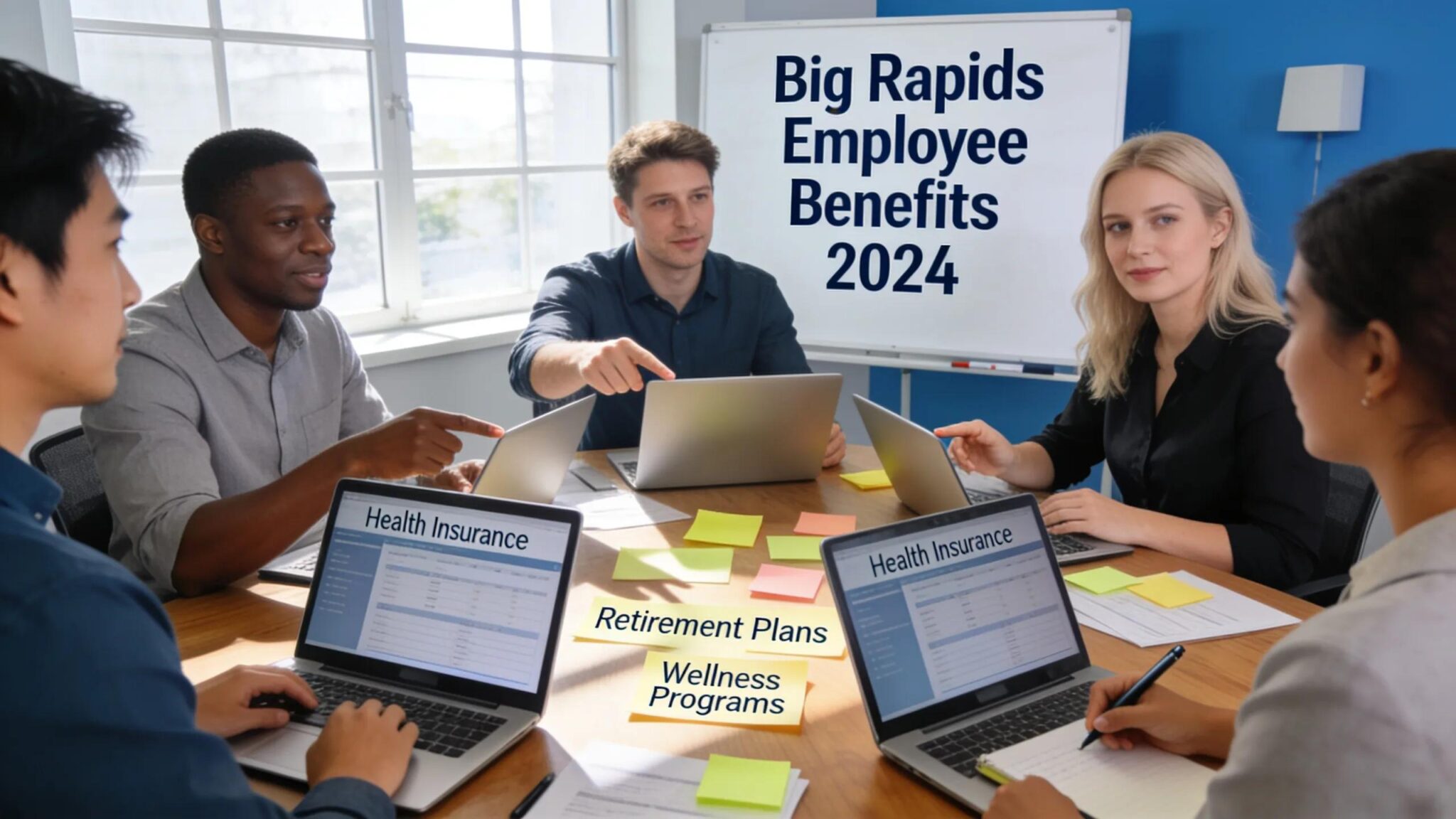
Employee benefits play a critical role in attracting and retaining talent for businesses, especially in competitive markets like Big Rapids, MI.
Key Takeaways
Group health insurance plans are designed to provide medical coverage to employees through a single policy that covers the entire group.
Qualified Small Employer Health Reimbursement Arrangement (QSEHRA) and Individual Coverage Health Reimbursement Arrangement (ICHRA) are beneficial tools for small business owners.
While both serve as reimbursement mechanisms for healthcare expenses, their eligibility requirements and flexibility vary significantly.
By CFH Insurance Consultants
Understanding the available options for group health insurance, flexible spending accounts, and specialty coverage can empower employers to enhance their offerings. This article will delve into various employee benefits solutions tailored for businesses in Big Rapids, highlighting key components such as group health plans, QSEHRA, ICHRA, dental and vision coverage, and more. As employers face the growing costs of health insurance, it is essential to explore effective strategies that not only meet compliance needs but also enhance employee satisfaction and loyalty.
In this guide, we will discuss the types of group health insurance plans available, how QSEHRA and ICHRA function, and the importance of supplemental benefits in the overall employee benefits landscape. We will also cover compliance updates along with tips for cost management, and finally, we will highlight how CFH Insurance Consultants can assist local employers in making informed decisions.
What Group Health Insurance Plans Are Available for Michigan Employers?
Group health insurance plans are designed to provide medical coverage to employees through a single policy that covers the entire group. Employers can choose from various plans, including those that offer comprehensive medical, dental, and vision coverage. These plans enable employers to create a benefits package that addresses the healthcare needs of their employees while managing costs effectively.
How Do Michigan Group Health Plans Support Small Businesses?
Michigan group health plans are particularly beneficial for small businesses as they promote access to quality healthcare at a lower price point. One key benefit is cost-sharing among employees, which allows employers to offer extensive coverage options without incurring prohibitive costs. Moreover, small businesses adopting group health plans often experience improved employee morale, leading to higher retention rates and a healthy workplace culture.
Additionally, providing group health insurance demonstrates a commitment to employee well-being, which enhances the company’s reputation and helps attract top talent in the local job market.
What Are the Coverage Features and Eligibility Criteria for Local Plans?
Local group health insurance plans typically feature a range of coverage options, including preventive care, hospitalization, and specialized treatments. Eligibility criteria generally require businesses to have a minimum number of enrolled employees, and coverage may extend to spouses and dependents. Employers must evaluate specific plan features such as copayments, deductibles, and out-of-pocket expenses to select the most suitable options.
Understanding the intricate details of coverage also contributes to better decision-making about which plan can effectively meet both employers’ and employees’ health needs.
How Do QSEHRA and ICHRA Benefits Work for Small Business Owners in Big Rapids?

Qualified Small Employer Health Reimbursement Arrangement (QSEHRA) and Individual Coverage Health Reimbursement Arrangement (ICHRA) are beneficial tools for small business owners. Both funding solutions allow businesses to reimburse employees for qualified health expenses while maintaining flexibility in compliance with healthcare regulations.
Overview of QSEHRA and ICHRA:
QSEHRA allows small employers to provide tax-free reimbursements to employees while remaining compliant with health care laws. It is specifically designed for businesses with fewer than 50 full-time employees, providing them with an opportunity to offer health benefits without purchasing costly group insurance.
ICHRA, on the other hand, allows employers of any size to set a specific budget for reimbursement of individual health insurance premiums and other qualified medical expenses, giving employees the freedom to choose their healthcare plans that can best suit their needs.
Eligibility Requirements:
For QSEHRA, eligible employers must meet specific criteria, such as having fewer than 50 full-time employees and offering the arrangement equally to all eligible employees. ICHRA can be adopted regardless of business size, but employers must clearly define classes of employees who will receive benefits.
Advantages:
The advantages of QSEHRA and ICHRA are multi-faceted. Employers experience significant cost savings as these plans do not require purchasing traditional group health insurance. Additionally, the flexibility these plans provide regarding employee choice can lead to higher satisfaction among staff, as they can select the healthcare plans that meet their unique needs.
Implementation Strategies:
To implement QSEHRA or ICHRA effectively, employers should set reimbursement limits reflective of their budget while providing clear guidance to employees on how these plans function. Education regarding eligible expenses and the types of health insurance options available can maximize employees’ understanding and usage of the benefits.
Impact on Business Sustainability and Growth:
Incorporating QSEHRA and ICHRA into employee benefits can significantly impact a business’s growth potential. Well-implemented health benefits contribute to employee loyalty, reduced turnover, and lower overall healthcare costs, enabling employers to reinvest resources into other critical areas of the business.
What Are the Key Differences Between QSEHRA and ICHRA?
Understanding the differences between QSEHRA and ICHRA plans is essential for employers considering these options. While both serve as reimbursement mechanisms for healthcare expenses, their eligibility requirements and flexibility vary significantly.
- Eligibility: QSEHRA is limited to small employers (under 50 employees), whereas ICHRA can be utilized by businesses of any size.
- Limitations: QSEHRA has contribution limits set annually by the IRS, while ICHRA allows employers to define their budget for reimbursements.
- Flexibility: ICHRA offers more flexibility in structuring classes of employees based on specific needs, unlike the standardized offering required by QSEHRA.
Navigating these differences can help employers choose the most appropriate model according to their business size and employee composition.
How Can These HRAs Help Lower Employer Health Insurance Costs?
Both QSEHRA and ICHRA can streamline company expenses related to health insurance. By directly reimbursing employees for their insurance premiums and eligible expenses, businesses can avoid hefty premiums associated with traditional group plans. Added tax advantages from health reimbursement arrangements further enhance cost-effectiveness, offering a dual benefit of potentially lowering taxable income for the employer while providing valuable benefits to employees.
Which Complementary Employee Benefits Improve Workforce Wellness in Michigan?
Creating an inclusive and beneficial employee benefits package goes beyond health insurance; complementary benefits can significantly enhance workforce wellness. Options such as wellness programs, dependent care reimbursement, and mental health support services enhance company culture and promote overall well-being among employees.
Example Benefits Include:
- Wellness Programs: Initiatives that encourage physical health, such as fitness classes or mental health days, can improve morale and productivity.
- Employee Assistance Programs (EAPs): Offering mental health support can reduce workplace stress levels, fostering a healthier work environment.
- Dependent Care Reimbursement: Assisting employees with childcare costs supports workforce stability and allows parents to focus on their job performance.
These complementary benefits ultimately lead to greater employee satisfaction and retention.
What Dental and Vision Coverage Options Are Offered by Local Brokers?
Local health insurance brokers in Big Rapids often offer dental and vision coverage as part of the overall employee benefits packages. These options are essential considerations for companies aiming to provide comprehensive care.
Employers can typically choose between basic and enhanced dental coverage, which may include preventive care, restorative services, and orthodontics. Vision plans often cover eye exams, glasses, or contact lenses, allowing employees to maintain their health comprehensively.
How Do Disability and Life Insurance Plans Support Employee Security?
In addition to health insurance, disability and life insurance plans are critical components of a robust employee benefits portfolio. These plans provide financial security for employees in the event of a disabling condition or untimely death.
Disability insurance ensures that employees can maintain their income during periods of illness or incapacity, significantly reducing financial stress. Life insurance can provide beneficial financial support to employees’ beneficiaries, enhancing the overall sense of security among staff.
What Are the Latest Compliance Requirements and Cost Management Tips for Employers?
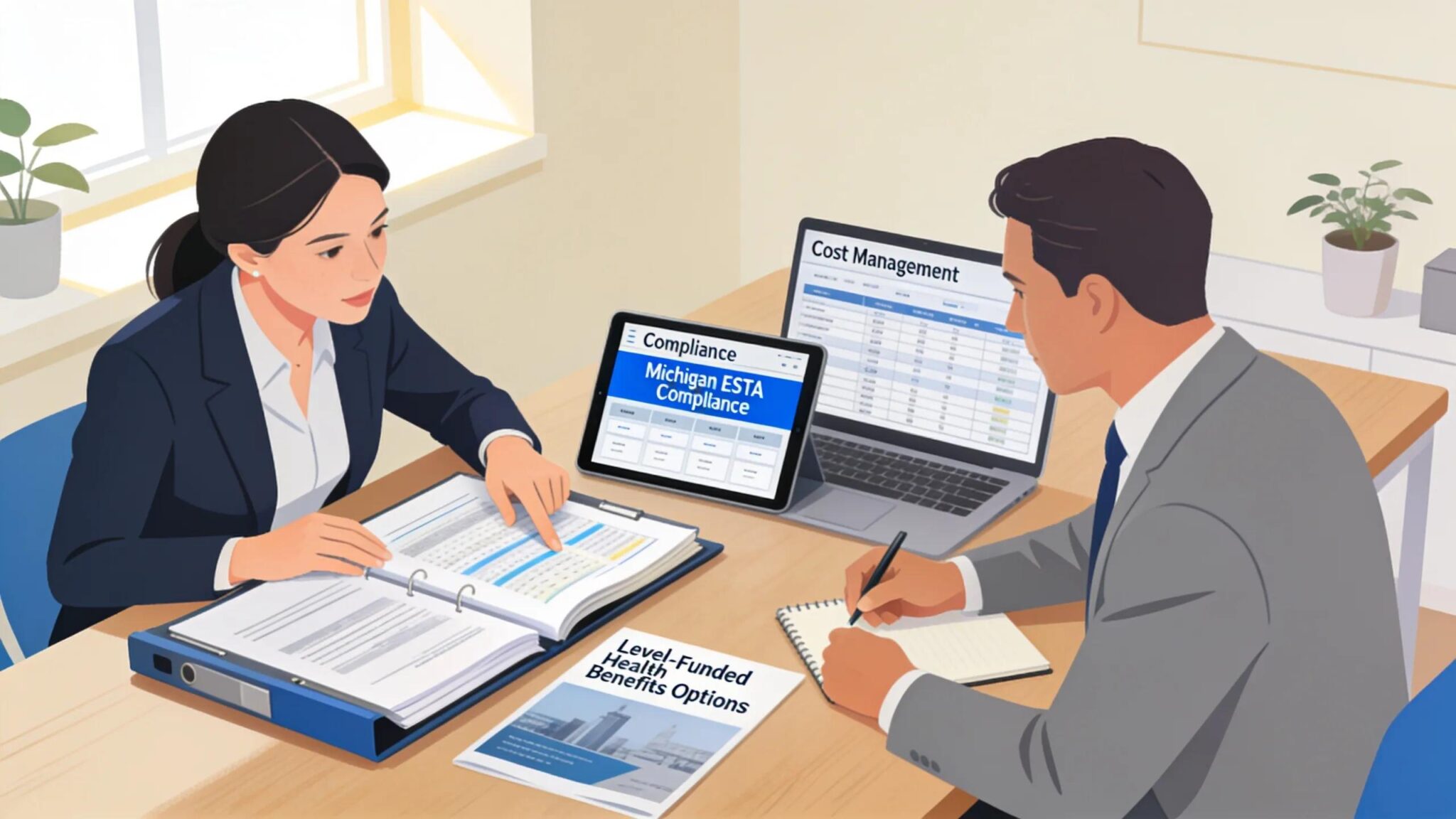
Keeping abreast of the latest compliance requirements is crucial for employers in Michigan. Regulatory changes can often impact how companies structure their employee benefits packages.
Which 2024–2026 Michigan Regulatory Updates Impact Employee Benefits?
Between 2024 and 2026, employers in Michigan should monitor several key compliance updates, including new health insurance regulations and mandates regarding employee benefits. Staying informed will help companies avoid potential legal pitfalls and ensure continuous adherence to state laws.
How Can Employers Balance Compliance with Budget Efficiency?
Businesses are encouraged to engage in regular reviews of their benefits offerings to maintain compliance while ensuring budget efficiency. Implementing technology solutions to track compliance can lead to more efficient operations and reduce administrative burdens.
How Does CFH Insurance Consultants Guide Employers in Choosing Benefits Brokers?
Choosing the right benefits broker can be transformative for employers looking to optimize their employee benefits packages. CFH Insurance Consultants provides tailored solutions for businesses in Big Rapids, ensuring that they navigate the complexities of health insurance effectively.
Why Choose a Local Employee Benefits Broker in Big Rapids, MI?
Local brokers have a deep understanding of the market and the unique needs of businesses in Michigan. Partnering with CFH means leveraging regional expertise and personalized service, which leads to more effective benefits strategies.
What Personalized Solutions Does CFH Provide for Small to Mid-size Employers?
CFH Insurance Consultants specializes in creating comprehensive benefits solutions that align with unique organizational needs. Their consultative approach ensures that employers receive customized support to manage costs while enhancing the overall employee experience within their companies.
What Success Stories and Case Studies Highlight Effective Benefits Solutions in Big Rapids?
Companies in Big Rapids have implemented tailored employee benefits solutions to balance costs and employee needs effectively. Success stories illustrate how businesses have managed to improve employee satisfaction while controlling expenses.
Which Employers Have Improved Benefits While Controlling Costs?
Several local businesses have successfully integrated supplementary health benefits, resulting in positive employee feedback and improved retention rates. These case studies serve as valuable examples of the impact of thoughtful benefits strategies on workforce engagement and satisfaction.
How Has CFH Assisted Businesses in Navigating Complex Benefits Decisions?
Through extensive experience in employee benefits consulting, CFH Insurance has provided guidance to numerous local companies in making informed decisions about their employee offerings, ensuring compliance, and optimizing their benefits strategy.
What Common Questions Do Michigan Employers Have About Employee Benefits Solutions?
Employers often seek clarity on the best employee benefits options available to enhance their workforce and remain competitive. Addressing common questions can help demystify the decision-making process.
What Are the Best Benefits for Small Businesses in Michigan?
The best employee benefits for small businesses typically include a mix of health insurance, flexible spending accounts, wellness programs, and supportive leave policies. This combination not only attracts talent but also retains quality employees, further establishing a strong workplace culture.
How Can Employers Choose the Right Health Insurance Broker in Big Rapids?
Employers should consider key factors when selecting a health insurance broker, including their understanding of local market needs, responsiveness, and expertise in compliance requirements. Asking the right questions will help narrow down the selection to find a broker that fits well with the business’s specific goals and challenges.
Frequently Asked Questions
Do you work with employers in Big Rapids?
Yes. CFH Insurance Consultants advises Big Rapids employers on group health insurance and employee benefits — plan design, carrier and funding comparisons, renewal negotiation, compliance and enrollment. We are licensed insurance brokers, and our work is benefits-only. Most engagements start with a review of your current plan and renewal.
Can we offer an ICHRA to some employees and a group plan to others?
Yes, but only along permitted class lines — full-time versus part-time, salaried versus hourly, or by location, among others — and the same class cannot be offered both. Class sizes have minimums when the classes are based on certain criteria. This is an area where the design has to be documented carefully before the plan year starts.
Is a QSEHRA a good fit for a small employer?
It can be, for employers with fewer than 50 employees who do not offer a group plan. A QSEHRA reimburses employees tax-free for individual premiums and qualified medical expenses, up to annual limits the IRS sets. It gives budget certainty, because the employer decides the contribution. The trade-off is that employees buy their own coverage, which works well for some workforces and poorly for others.
What mental health coverage are we required to provide?
If your plan covers mental health and substance use disorder benefits, parity rules require that the financial requirements and treatment limits be comparable to those for medical and surgical care — including on the harder-to-see items such as prior authorization and network adequacy. Plans are also expected to be able to show the comparative analysis behind those limits.
CFH Insurance Consultants is an independent employee benefits consulting firm. We help employers manage cost, compliance and renewals, and we work in teams for proper coverage of every account.
