By CFH Insurance Consultants Editorial Team · Updated 2026-08-19
Group benefits packages for small businesses in Michigan combine group health insurance, dental, vision, and life coverage with compliance guidance under state and federal law. CFH Insurance Consultants designs level-funded and self-funded options for employers with fewer than 50 employees, balancing cost control with competitive offerings that attract and retain talent in tight labor markets.
Key Takeaways
- Employee benefits packages attract and retain talent, giving small businesses competitive advantage in hiring.
- Health coverage, paid time off, retirement support, and flexibility form the foundation of competitive packages.
- Strategic benefit offerings demonstrate employer loyalty and help businesses stand out among 28-person company competitors.
- Small and midsize businesses use benefits to improve employee experience and support long-term retention goals.
What Should a Small Business Benefits Package Include?
A competitive small business benefits package combines group health insurance, dental, vision, life, disability, and voluntary benefits into one coordinated offering. Employers who skip this breadth risk losing candidates to competitors with fuller packages. Wide-ranging benefit structures give small companies a real edge in attracting and keeping skilled workers.
Four factors dominate how job seekers judge an offer: health coverage, paid time off, retirement support, and workplace flexibility. Salary alone rarely closes the deal anymore. Employers should not underestimate the weight benefits carry alongside pay when candidates compare opportunities.
A well-built package typically includes:
- Group health insurance with medical coverage options
- Dental and vision plans
- Life and disability insurance
- Retirement support such as a 401(k) match
- Paid time off and flexible scheduling
- Voluntary benefits selected by employees
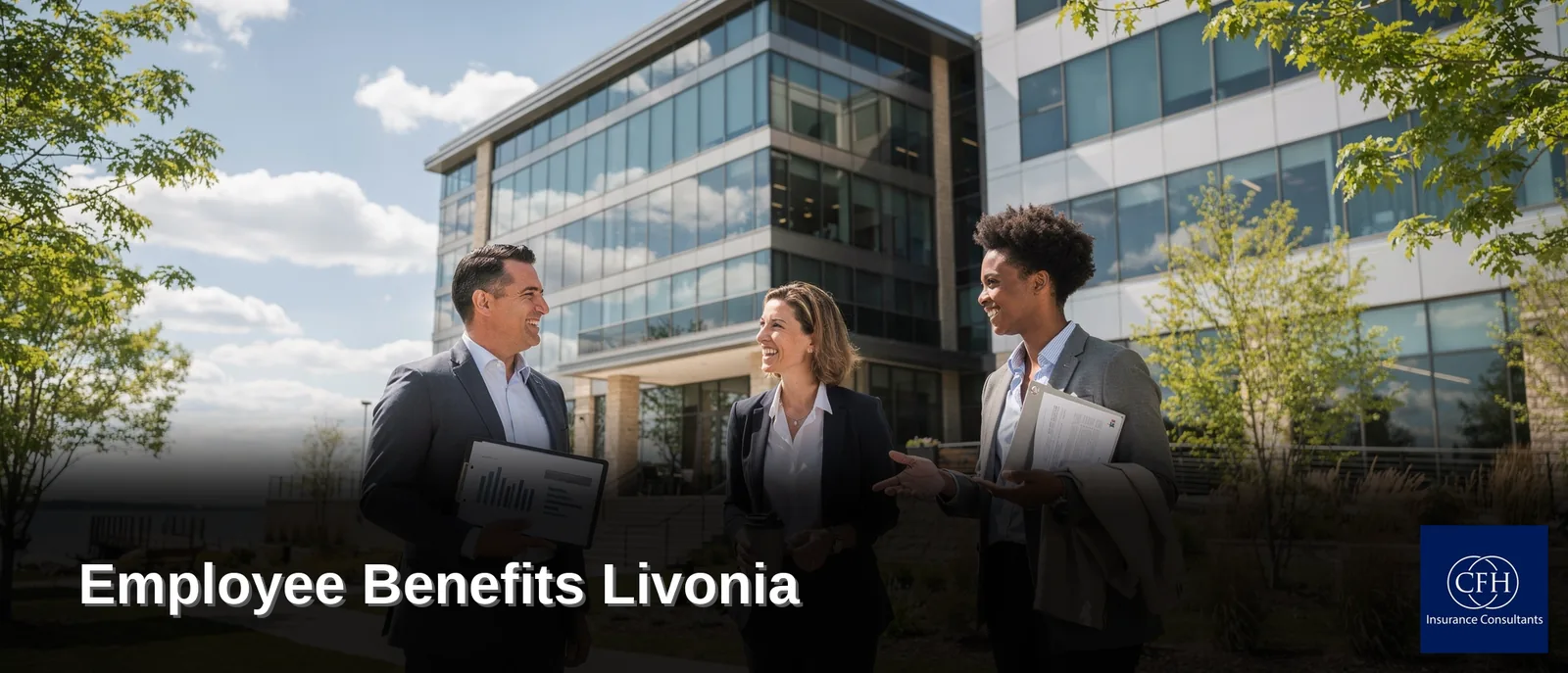
Businesses exploring employee benefits Livonia employers rely on often start with these core categories before layering in customized arrangements like health reimbursement plans.
What makes a benefits package “comprehensive”?
Comprehensive programs go beyond the basics of medical, dental, and vision. They add customized group health plans, health reimbursement arrangements, and supplemental voluntary benefits designed to strengthen retention. Companies pursuing Livonia benefits consulting guidance typically build toward this fuller structure over time, rather than launching with every option at once.
Do small employers need a broker to design this?
Not strictly, but structuring Livonia MI employee benefits without guidance often leads to gaps in compliance or coverage. Working with a consultant helps employers sequence additions correctly and avoid costly missteps.
How Do Michigan Compliance Rules Shape Benefits Design?
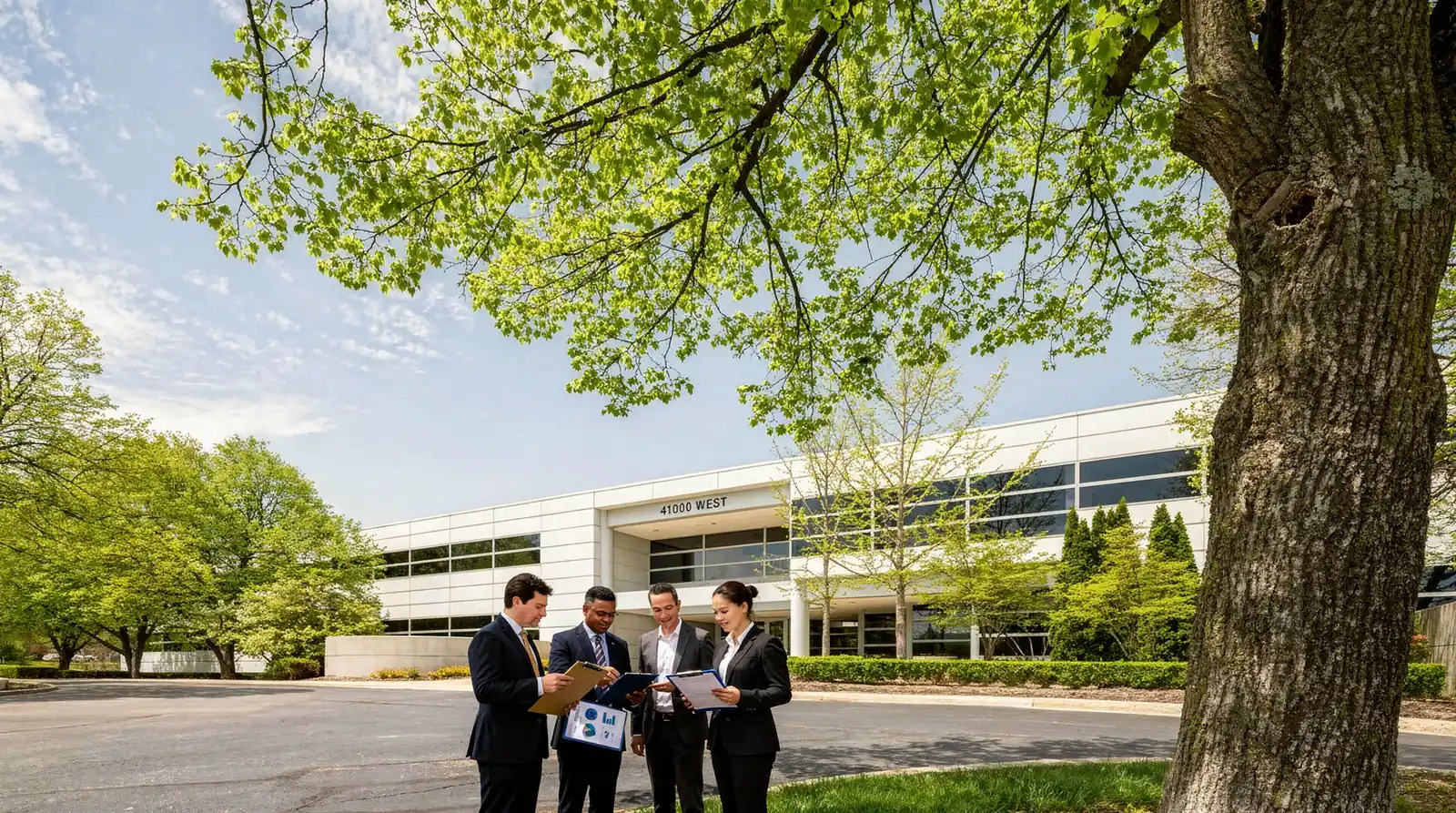
State and federal regulations dictate which benefit structures small Michigan employers can legally offer. Companies with fewer than 50 employees encounter distinct compliance obstacles that larger firms rarely face, from continuation-of-coverage rules to plan documentation requirements. Ignoring these obligations creates liability exposure and leaves gaps in employee protection. Meeting them requires a clear grasp of available health insurance options alongside the state and federal rules governing each one.
Employers pursuing Livonia MI employee benefits solutions need partners who translate regulatory complexity into workable plan design. Sound Livonia benefits consulting goes beyond simply placing a policy. Effective advisors:
- Analyze total plan costs across funding structures
- Model self-funded and level-funded options against fully insured plans
- Confirm compliance with applicable state and federal mandates
- Benchmark coverage against regional competitors for talent retention
Do Compliance Requirements Differ by Company Size?
Yes. Employers under 50 employees face different continuation and reporting obligations than midsize organizations. Requirements shift again once headcount crosses federal thresholds, so plan design must adapt as a company grows.
Why Does Location Matter for Compliance Guidance?
Businesses across Michigan communities, from Jackson to Livonia, share the same pressure to build cost-effective, compliant programs. Local advisory support for employee benefits Livonia employers accounts for regional plan availability. Workforce expectations while satisfying statewide regulatory standards.
Where Can Livonia Employers Find Dedicated Benefits Support?
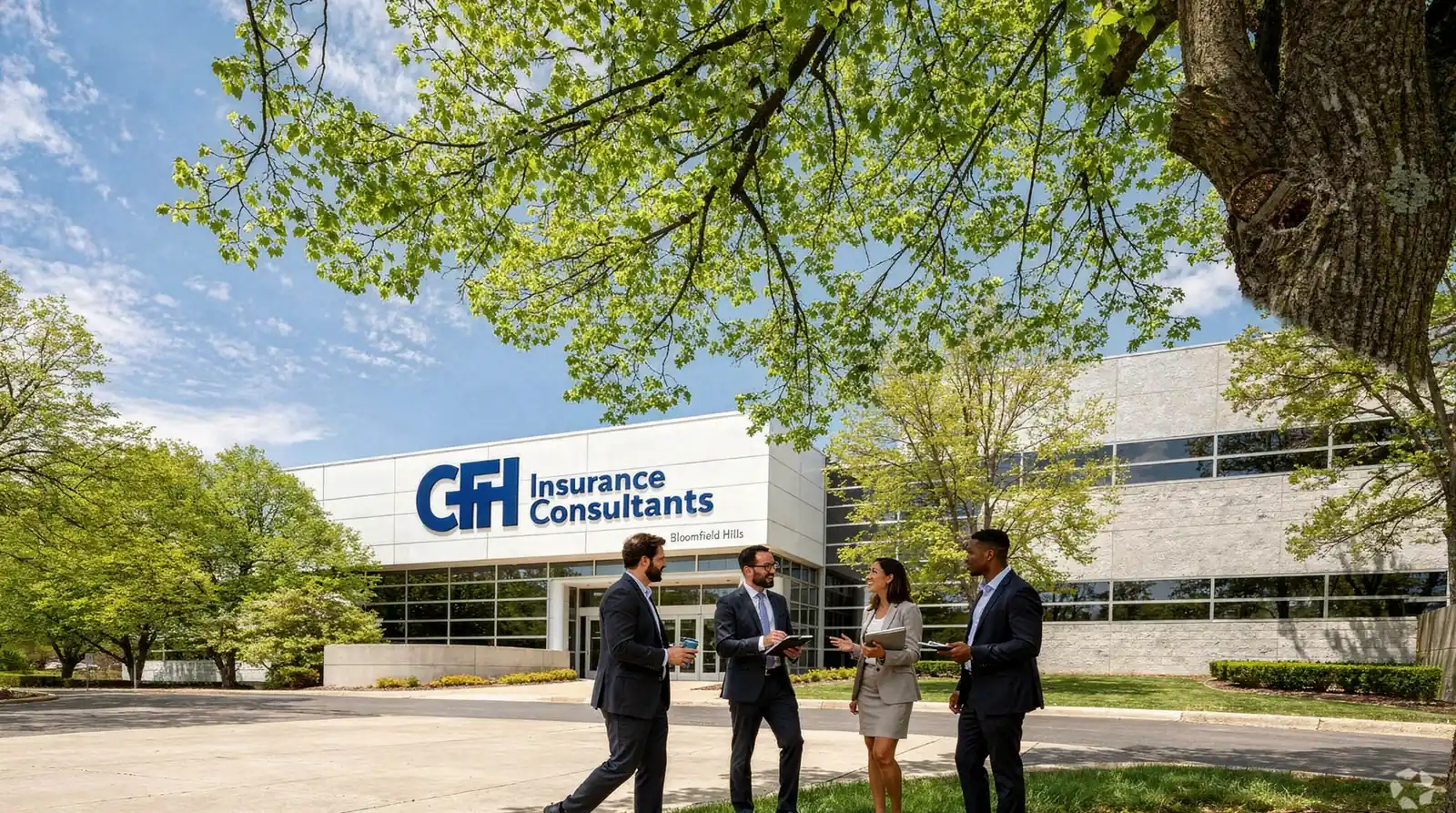
Bloomfield Hills, Michigan houses CFH Insurance Consultants, a firm serving employers across the greater Michigan market, including Livonia. A team of 28 employees supports client accounts, giving small and midsize organizations direct access to consultants rather than a call center queue. That structure matters for employee benefits Livonia employers who need answers fast, not weeks of email chains.
Livonia benefits consulting works best when it comes from a team that treats small employers as a specialty, not an afterthought. Dedicated small-business benefits teams build plans customized specifically for smaller organizations, adjusting plan design around headcount, budget, and workforce needs rather than applying a one-size template built for large enterprises.
What does a dedicated small-business benefits team actually do?
A team focused solely on small employers exists to offload the HR workload that benefits administration creates. Founders and operational leaders regain time to run their business and manage their people instead of chasing carrier paperwork.
Why does location matter for Livonia MI employee benefits planning?
Proximity to Michigan-based consultants means faster response times and familiarity with the state’s employer landscape. A firm based in Bloomfield Hills understands regional carrier networks and market conditions that out-of-state brokers often miss.
- Customized plan design for smaller headcounts
- Direct consultant access instead of automated support
- Reduced administrative burden on internal HR staff
- Regional market knowledge specific to Michigan employers
Selecting an appropriate group benefits package represents a critical strategic decision that directly influences organizational competitiveness and employee retention. The frameworks discussed—from traditional group health insurance to innovative account-based solutions—provide small business leaders with substantive options to align benefits architecture with operational capacity and workforce expectations. Engaging qualified benefits professionals ensures that your organization implements a sustainable, compliant benefits structure that delivers measurable value across both financial and human capital dimensions.
FAQ
What should a small business benefits package include?
A competitive package combines group health insurance, dental, vision, life, and disability coverage with voluntary benefits, retirement support like a 401(k) match, and paid time off.
Do small employers need a broker to design employee benefits?
Structuring benefits without guidance often creates compliance or coverage gaps. A consultant helps employers sequence additions correctly and avoids costly missteps in plan design.
How do Michigan compliance rules affect benefits design for small employers?
Employers with fewer than 50 employees face distinct compliance obstacles, including continuation-of-coverage rules and plan documentation requirements, that create liability exposure when ignored.
Facts
- CFH Insurance Consultants is located in Bloomfield Hills, Michigan, US.
- CFH Insurance Consultants has 28 employees.