

Group vs Individual Health Insurance: Which Option Offers the Best Benefits and Cost Savings for Small Businesses?
By CFH Insurance Consultants
In the complex landscape of healthcare coverage, selecting between group and individual health insurance plans is a pivotal choice for both individuals and small business employers. This comprehensive guide explores the nuanced differences between group health insurance and individual policies, emphasizing cost structures, tax benefits, Affordable Care Act (ACA) regulations, coverage advantages, and decision-making frameworks tailored for small businesses. By understanding these elements, employers and employees can optimize health benefits alignment with financial goals and regulatory compliance.
Group vs. Individual Health Insurance: Strategic Considerations
Group health insurance is typically offered by employers to their workforce, pooling risk across many individuals to lower individual premiums and enhance coverage affordability. Small businesses often leverage group plans to provide comprehensive health benefits that include preventive care, specialist services, and wellness incentives, subsidized significantly by the employer to reduce employee out-of-pocket costs. This risk pooling stabilizes premiums and enhances benefit consistency, making group insurance a foundational component of employee compensation packages.
How Small Businesses Benefit from Employer-Sponsored Group Plans
For small businesses, group health insurance supports employee recruitment and retention by offering competitive benefits. The ACA mandates apply differently to businesses based on size, with many small employers below the full mandate threshold but incentivized to offer health benefits through tax credits and other programs. Employer contributions toward premiums are tax-deductible business expenses, and employees typically pay premiums with pre-tax dollars, optimizing tax efficiency on both sides.
Employer Mandates and ACA Compliance for Small Businesses
Under the ACA, businesses with 50 or more full-time equivalent employees are classified as Applicable Large Employers (ALEs) and must provide affordable, minimum value health insurance or face penalties. Many small businesses fall below this threshold, allowing flexibility in coverage options. However, they may choose to offer group plans or leverage emerging reimbursement arrangements such as QSEHRA (Qualified Small Employer Health Reimbursement Arrangement) to provide health benefits in a cost-effective, ACA-compliant manner.
Understanding the Origins and Implications of Employer-Sponsored Health Insurance
ABSTRACT: Blumenthal, David, MD, MPP. The New England Journal of Medicine; Boston Vol. 355, Iss. 1, (Jul 6, 2006): 82-8. Employer-sponsored health insurance in the United States – origins and implications, 2006
Key Advantages of Group Health Insurance Plans for Small Businesses
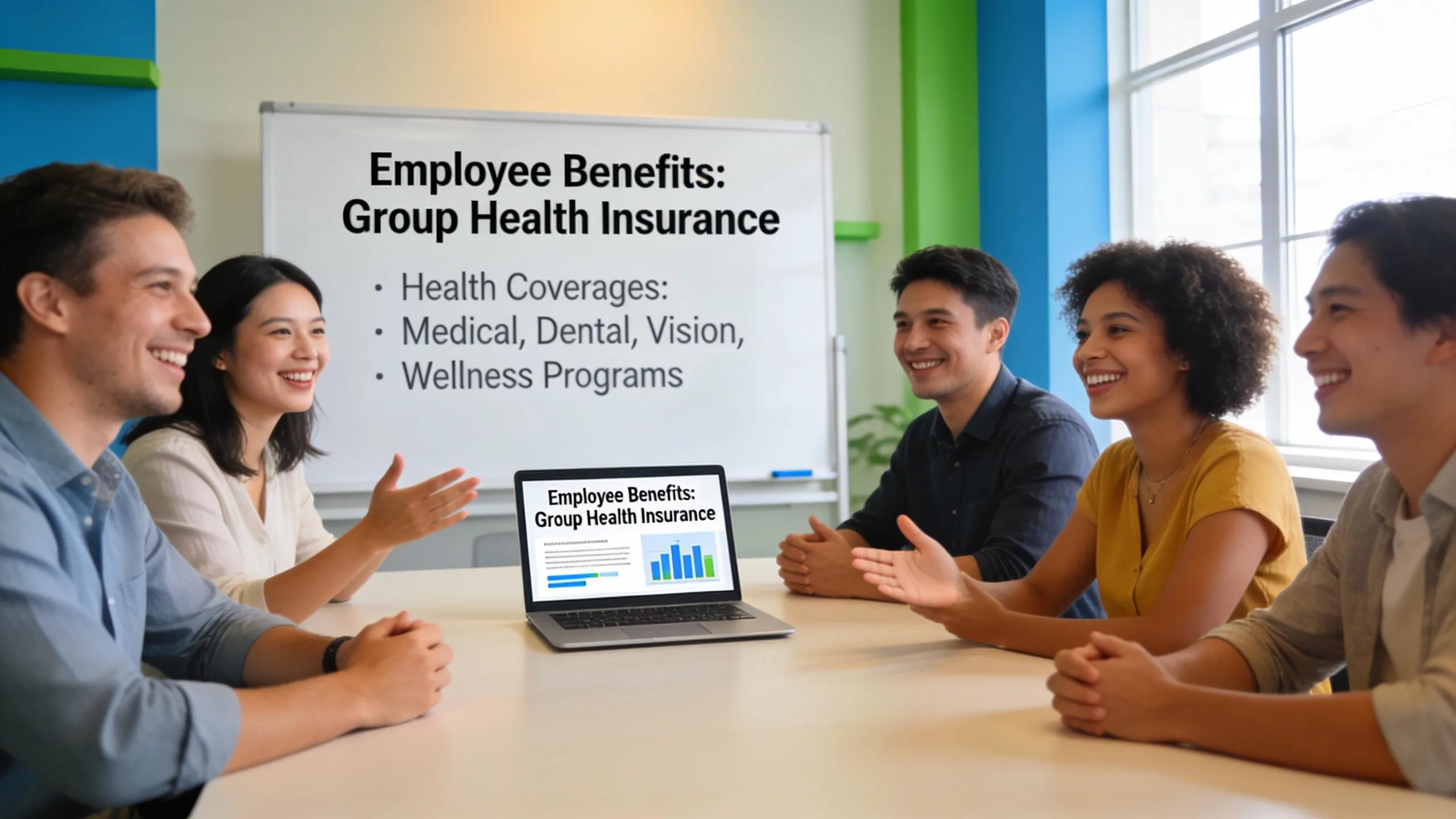
Group health plans offer several strategic advantages, especially pertinent to small businesses:
- Lower Premiums Through Risk Pooling: Collective enrollment spreads risk, leading to more affordable premiums for employees and manageable costs for employers.
- Comprehensive Coverage Options: Access to broader benefits including mental health, maternity care, prescription drugs, and preventive services enhances employee well-being.
- Tax Benefits: Employer premium contributions are tax-deductible business expenses; employee premiums are often paid pre-tax, reducing overall taxable income.
Small businesses may also benefit from wellness programs and health savings account options integrated into group plans to encourage healthier employee lifestyles and create tax-advantaged savings.
Individual Health Insurance Plans: What Small Business Owners and Employees Should Know

Individual health insurance plans are purchased directly by the individual without employer involvement. These plans offer personalized coverage options tailored to specific health needs but generally feature higher premiums due to the absence of risk pooling. Although recent regulations have limited denial for pre-existing conditions, individual plans often require more management by policyholders, including selecting appropriate benefits and understanding underwriting rules.
Eligibility and Use Cases for Individual Plans Among Small Business Employees
Individual plans are particularly useful for self-employed individuals, contractors, and employees whose small employers do not offer group plans. They provide portability and flexibility, allowing employees to maintain coverage regardless of employment changes. However, without employer subsidies, costs can be significantly higher, making these plans less financially attractive for some.
Advantages and Challenges of Individual Health Insurance in the Small Business Context
Advantages:
- Customizable Coverage: Ability to tailor benefits and choose from various carriers.
- Portability: Maintains coverage independent of employment status.
- Flexible Choice: Wide range of plan designs and deductibles.
Limitations:
- Higher Premium Costs: Reflecting individualized underwriting and risk assessment.
- Administrative Responsibility: Requires active policy management by individuals.
- Limited Employer Financial Support: Less access to employer subsidies unless using arrangements like QSEHRA or ICHRA.
Comprehensive Comparison: Group vs Individual Health Insurance Cost, Coverage, and Taxation
Employer-Sponsored Reimbursement Solutions: QSEHRA and ICHRA for Small Businesses
Small businesses increasingly adopt Qualified Small Employer Health Reimbursement Arrangements (QSEHRA) and Individual Coverage Health Reimbursement Arrangements (ICHRA) to provide flexible, tax-advantaged health benefits without maintaining traditional group plans.
- QSEHRA: Designed for small employers (<50 employees) without group health plans, allowing tax-free reimbursements to employees for individual insurance premiums and qualified expenses up to defined limits.
- ICHRA: Suitable for employers of any size, enables customized reimbursements by employee group classifications, expanding employer flexibility and employee plan choice.
These arrangements empower employees to select individual health plans tailored to their needs while preserving tax benefits and enabling employers to manage benefit costs effectively.
Risk Pooling and Its Impact on Health Insurance Costs and Stability
Risk pooling lies at the heart of group health insurance advantages. By insuring a large collective, insurers can more accurately predict healthcare costs, stabilizing premiums and providing protection against unexpected high claims. Individual plans assess risk on a per-person basis, often resulting in price volatility and higher costs, especially for those with pre-existing conditions or higher health risks. Understanding this dynamic is essential for employers when designing benefits and for employees evaluating personal insurance options.
Detailed Tax Implications for Group vs Individual Health Insurance in Small Businesses
Group Plans: Employer premium contributions are deductible as business expenses. Employees typically pay premiums through pre-tax payroll deductions, lowering taxable income and payroll taxes for both parties.
Individual Plans: Premiums are generally paid with after-tax dollars unless employers utilize QSEHRA or ICHRA, which allow tax-free reimbursements. These HRAs extend tax advantages to individual coverage and can be an integral part of a small business’s benefits strategy.
ACA Employer Mandate Responsibilities and Exceptions for Small Businesses
The ACA requires that Applicable Large Employers offer minimum essential coverage that is affordable and provides minimum value. Many small businesses (fewer than 50 full-time equivalent employees) are exempt but may voluntarily provide coverage or use HRAs to offer affordable benefits that comply with ACA standards, enhancing employee protections and satisfaction.
Structured Decision-Making Framework for Choosing Group vs Individual Insurance
Employers and employees should evaluate the following criteria:
- Affordability: Analyze total premium costs, subsidies, and out-of-pocket expenses.
- Coverage Requirements: Assess essential benefits, network access, and plan flexibility.
- Tax Efficiency: Consider tax implications for employer contributions and employee payments.
- Regulatory Compliance: Ensure adherence to ACA mandates and local laws.
- Administrative Capacity: Evaluate resources for managing group plans or HRAs versus supporting individual plan enrollments.
- Employee Demographics and Preferences: Align benefits with workforce size, health needs, and job stability.
This framework helps small businesses balance cost, coverage, and compliance to select optimal health insurance offerings.
Enrollment and Eligibility Differences for Small Business Health Insurance Options
Group plans usually enroll all eligible employees with streamlined administration, often without individual underwriting. Individual plans require personal applications, underwriting assessments, and may involve waiting periods or medical questionnaires. HRAs facilitate bridging these differences by reimbursing individual plan premiums within a group benefits strategy.
Integration of Employee Benefits with Insurance Choices in Small Business Settings
Group insurance integrates efficiently with benefits like health savings accounts (HSAs), wellness initiatives, and flexible spending accounts (FSAs). Individual insurance, particularly when paired with QSEHRA or ICHRA, can be complemented with personalized health resources and supplemental coverages such as dental, vision, disability, and life insurance, offering a comprehensive benefits ecosystem.
Explore additional options for dental and vision insurance to enhance employee benefit packages further.
Frequently Asked Questions (FAQs) About Group vs Individual Health Insurance for Small Businesses
Is Group Health Insurance More Cost-Effective Than Individual Insurance for Small Businesses?
Generally, group health insurance offers lower premiums and better tax advantages due to risk pooling and employer subsidies. However, individual plans combined with HRAs may sometimes provide more tailored options and cost control, particularly for very small employers.
Can Small Businesses Avoid ACA Penalties by Offering Individual Insurance?
Small employers with fewer than 50 full-time equivalent employees are not subject to ACA employer mandates and thus can choose not to offer health insurance. Those who provide individual insurance reimbursements through QSEHRA or ICHRA may comply with ACA requirements while offering benefits.
What Are the Main Tax Benefits of Employer-Sponsored Group Health Plans for Small Businesses?
Employer premium contributions are deductible business expenses, and employees pay premiums with pre-tax dollars, reducing taxable income and payroll taxes for both parties, which increases overall tax efficiency.
How Does ICHRA Differ from Traditional Group Health Insurance?
ICHRA allows employers to reimburse employees for individual insurance premiums on a tax-free basis without underwriting risk or providing a group plan directly. It offers greater flexibility and personalizes health benefits compared to traditional group plans.
What Should Small Business Owners Consider When Choosing Between Group and Individual Plans?
Owners should consider costs, employee needs, administrative capacity, tax implications, and compliance requirements. Engaging benefits consultants can aid in navigating these complex decisions.
Need Help Choosing the Right Health Insurance for Your Small Business?
CFH Insurance Consultants specialize in assisting small businesses and individuals to navigate group, individual, QSEHRA, and ICHRA health insurance options. Our experts provide personalized guidance to optimize benefits and manage costs.
Additionally, comprehensive employee protection includes more than health coverage. Explore our resources for disability and life insurance to safeguard your workforce thoroughly.