

By CFH Insurance Consultants, CFH Insurance Consultants
Hospital indemnity insurance serves as a crucial safety net for employees in Michigan, providing financial support during hospital stays that primary health insurance may not fully cover. This type of insurance is designed to fill the gaps in hospitalization coverage, ensuring that employees can focus on recovery without the burden of unexpected medical expenses. In this article, we provide a complete guide on hospital indemnity insurance for Michigan employers and employees, detailing how fixed hospital cash benefits complement High Deductible Health Plans (HDHPs) to offset out-of-pocket hospitalization deductibles and inpatient copays. We also cover benefit structures, voluntary payroll-deduction setups, tax implications, employer advantages for recruitment and retention, and how this coverage integrates with comprehensive benefits packages. Payroll integration keeps deductions in step with enrollment changes, so errors do not build up between pay cycles.
If rising premiums are the concern, our health and cost strategy shows where cost can move between renewals.
What is Hospital Indemnity Insurance and How Does It Protect Michigan Employees?
Hospital indemnity insurance is a supplemental insurance policy that provides cash benefits to policyholders during hospital stays. This coverage helps offset out-of-pocket expenses arising from hospitalization, such as deductibles, copayments, and other costs that primary health insurance might not fully cover. By offering fixed daily or lump sum benefits, hospital indemnity insurance ensures employees receive financial assistance when they need it most, allowing them to focus on recovery rather than financial stress. This coverage is especially valuable for employees enrolled in HDHPs, which typically have higher deductibles and out-of-pocket costs. For further details on comprehensive health plans, consider exploring employee benefits.
Delving into the specifics, the concept of fixed payments for hospital confinement has been a long-standing aspect of such insurance policies.
Benefit Structures: How Hospital Cash Benefits Are Designed
Hospital indemnity insurance can have varied benefit structures tailored to meet employee needs. The common structures include:
- Inpatient Admission Benefit: A fixed lump-sum payment paid when an insured is admitted to the hospital, which helps offset large upfront costs like deductibles.
- Daily Stay Benefit: A fixed amount paid for each day the employee remains hospitalized, providing ongoing financial support during recovery.
- ICU or Intensive Care Unit Riders: Additional benefits paid for days spent in intensive care, recognizing the higher costs associated with more serious conditions.
These features allow hospital indemnity plans to be flexible complements to HDHPs, which often require employees to pay substantial deductibles and copays before insurance coverage begins.
How Hospital Indemnity Complements High Deductible Health Plans (HDHPs)
High Deductible Health Plans are designed to keep premiums low by raising deductibles and out-of-pocket maximums. While cost-effective, HDHPs can expose employees to significant financial liability during hospitalizations.
Hospital indemnity insurance helps bridge this gap by providing fixed cash benefits that can be used toward deductibles, inpatient copays, transportation costs, or other expenses. This direct financial assistance can drastically reduce the burden of hospital bills, especially during unexpected hospital stays.
Comparison Table: Typical Hospital Indemnity Benefit Features
Voluntary Payroll-Deduction Setup for Hospital Indemnity Insurance
Many Michigan employers offer hospital indemnity insurance on a voluntary basis, allowing employees to opt into this supplemental benefit through payroll deductions. This setup benefits both employer and employee:
- Employees gain easy access to coverage, conveniently funded through pre-tax or post-tax payroll deductions.
- Employers can offer flexible benefits without bearing the full cost, enhancing the overall attractiveness of their benefits package.
The payroll deduction method also streamlines premium payment, improving administrative efficiency and reducing missed payments.
Tax Implications: Pre-Tax vs. Post-Tax Payroll Deductions
The tax treatment of hospital indemnity insurance premiums depends on the election made by the employer and employee:
- Pre-Tax Deductions: Premiums are deducted from gross wages before taxes, reducing taxable income. Employees benefit from lower income tax and payroll tax obligations, but the cash benefits received may be taxable.
- Post-Tax Deductions: Premiums are deducted after taxes. While employees pay income tax on their full salary, the cash benefits paid out are typically received tax-free.
Employees should consult with tax advisors or HR departments to understand how elections affect their individual tax situations and benefits.
Real-World Employee Cost-Offset Scenario
Consider a Michigan employee enrolled in an HDHP who is admitted to the hospital for 5 days with an inpatient deductible of $2,500 and a $50 copay per day. Without hospital indemnity insurance, out-of-pocket costs total:
- Deductible: $2,500
- Daily Copays: $50 × 5 = $250
- Total Out-of-Pocket: $2,750
With a hospital indemnity insurance plan offering:
- $1,500 inpatient admission benefit (lump sum)
- $150 daily benefit for each of 5 days hospitalized ($750 total)
The employee receives:
- $1,500 + $750 = $2,250 cash benefit
This cash payment can be applied towards the $2,750 out-of-pocket cost, reducing the net burden to $500, significantly easing financial stress during recovery.
Who is Eligible for Hospital Indemnity Insurance in Michigan?
Eligibility for hospital indemnity insurance in Michigan typically depends on the specific policy and the employer’s offerings. Generally, employees enrolled in a primary health insurance plan may qualify for hospital indemnity insurance as a supplemental option. Employers often provide this coverage as part of their employee benefits package, making it accessible to a wide range of workers.
Eligibility Requirements for Employee Hospital Benefits in Michigan
To qualify for hospital indemnity insurance, employees must meet criteria such as being a full-time employee, completing a waiting period, and being enrolled in a primary health insurance plan. Some policies may require documentation of health status or medical history. For specific details on specialized plans like QSEHRA and ICHRA, you can explore QSEHRA and ICHRA plans.
How to Enroll in Short Term Hospital Insurance Plans
Enrolling in short-term hospital insurance plans typically involves a straightforward process during open enrollment or initial eligibility. Employees should carefully review options as plans vary in coverage and benefits. Employers provide resources to assist enrollment.
This aligns with projections indicating a substantial increase in short-term health insurance enrollment as barriers to access are removed.
Bridging Coverage Gaps with Hospital Indemnity Insurance
Filing claims for hospital indemnity insurance is a critical step in accessing benefits. Understanding the claims process ensures timely and efficient payments promptly and efficiently.
Step-By-Step Hospital Cash Benefit Claims Process
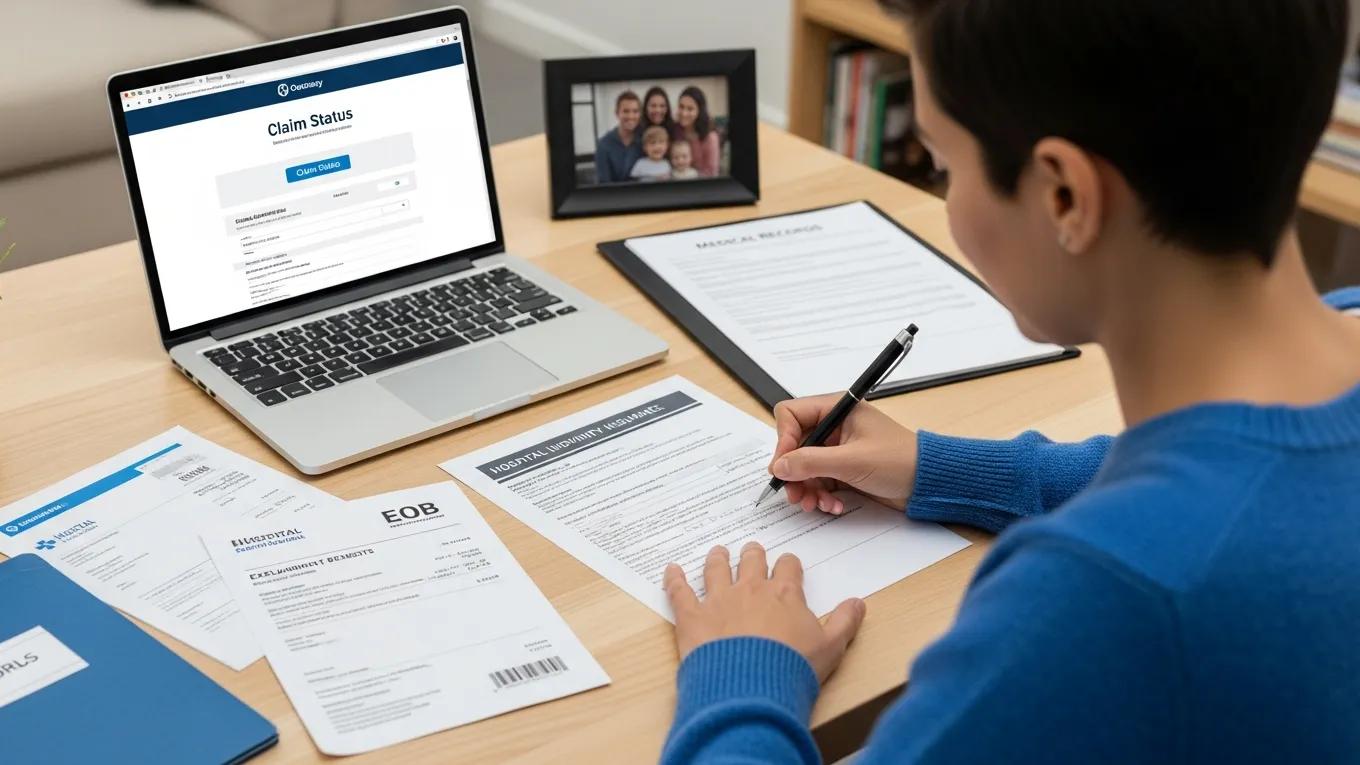
- Gather Documentation: Collect necessary documents, including hospital admission records, treatment details, and relevant paperwork.
- Complete the Claim Form: Fill out the claim form provided by the insurer, ensuring accuracy.
- Submit the Claim: Send form and documents electronically or by mail.
- Follow Up: Confirm receipt and check claim status with the insurer.
Maximizing Your Hospital Indemnity Insurance Benefits
Employees should understand policy details, coverage limits, and exclusions. Maintaining thorough records and clear communication with insurers helps maximize benefits.
Why Should Michigan Employers Offer Hospital Indemnity Insurance?
Employers can enhance benefits packages by offering hospital indemnity insurance, which supports employees in difficult times and improves satisfaction and retention.
Offering competitive health benefits is a key strategy to attract and retain talent.
Cost Advantages of Gap Insurance for Hospitalization
Hospital indemnity insurance can be cost-effective for employers, reducing financial burdens for employees, lowering absenteeism, and increasing productivity. Offering supplemental coverage is often affordable, making it an attractive option. For related benefits like dental and vision insurance, consider their impact on overall packages.
Integration with Comprehensive Employee Benefits Packages
Hospital indemnity insurance complements a comprehensive benefits package by addressing financial risks that standard health insurance might leave uncovered. When combined with group health, dental, vision, and disability insurance, it creates a robust safety net supporting employee well-being.
This integration benefits recruitment and retention by signaling employer commitment to employee health and financial security.
Enhancing Employee Benefits with Supplemental Hospital Insurance
Questions We Get
How far ahead should open enrollment start?
Plan on beginning roughly 60 to 90 days before the plan year. That leaves time to review the renewal, market the plan if the increase warrants it, produce materials, hold meetings across shifts, and still get enrollment files to the carrier before the effective date. Enrollments run late when the renewal arrives late, which is the argument for asking for it early.
Supplemental hospital insurance is pivotal in a competitive job market. Offering hospital indemnity insurance demonstrates employer commitment to employee welfare, boosting morale and fostering a positive workplace culture. If you’re looking to connect with us for more information or inquiries, please contact us.
Unhappy with your current broker? Switch to CFH. Your employees won’t notice. You will.
