

What Does Homeowners Insurance Cover? A Complete Home Insurance Coverage Guide
Homeowners insurance is a crucial safeguard for property owners, providing financial protection against various risks associated with homeownership. This guide aims to demystify homeowners insurance by explaining what it covers, how claims are processed, and the factors that influence premiums. Understanding these elements is essential for homeowners, including Michigan homeowners insurance policyholders, to make informed decisions about their insurance policies. Many individuals are often unaware of the specific protections their policies offer, which can lead to unexpected out-of-pocket expenses during a loss. This article will explore the main types of coverage, the claims process, cost factors, common exclusions, and additional coverage options available to homeowners.
What Does Homeowners Insurance Cover? The Six Standard Coverage Types
Homeowners insurance typically encompasses several key types of coverage designed to protect both the structure of the home and the belongings within it. Understanding these coverage types is vital for homeowners to ensure they have adequate protection against potential risks.
What Does Dwelling Coverage Include? Structural Protection Explained
Dwelling coverage is a fundamental component of homeowners insurance that protects the physical structure of the home. This coverage typically includes the main building, attached structures like garages, and sometimes even built-in appliances. In the event of damage from covered perils such as fire, wind, or vandalism, dwelling coverage helps pay for repairs or rebuilding costs. It is essential for homeowners to assess the replacement cost of their home to ensure they have sufficient dwelling coverage.
How Does Personal Property Coverage Protect Your Belongings?
Personal property coverage safeguards the belongings inside the home, including furniture, electronics, clothing, and other personal items. This coverage typically applies to losses due to theft, fire, or other covered events. Homeowners should take an inventory of their possessions and consider the total value to determine if their personal property coverage limits are adequate. In some cases, additional coverage may be necessary for high-value items like jewelry or art.
Home Insurance Coverage Guide: What’s Included and What’s Not
Understanding the claims process is crucial for homeowners to navigate the aftermath of a loss effectively. The claims process involves several steps that ensure claims are evaluated and settled fairly.
What Are the Steps to File a Homeowners Insurance Claim?
- Report the Incident: Notify your insurance company as soon as possible after the loss occurs.
- Document the Damage: Take photos and gather evidence of the damage or loss to support your claim.
- Complete the Claim Form: Fill out the necessary claim forms provided by your insurer, detailing the incident and damages.
- Meet with the Adjuster: An insurance adjuster will assess the damage and determine the claim’s validity and value.
- Receive a Settlement Offer: After evaluation, the insurer will provide a settlement offer based on the policy terms.
How Are Claims Evaluated and Settled?
Claims are evaluated based on the policy’s coverage limits, deductibles, and the nature of the loss. The adjuster will review the documentation and may consult with contractors or specialists to estimate repair costs. Once the evaluation is complete, the insurer will communicate the settlement offer to the homeowner. If the homeowner disagrees with the offer, they can appeal the decision or negotiate further.
What Does Homeowners Insurance Cover That Most Homeowners Don’t Know About
Several factors influence the cost of homeowners insurance premiums, making it essential for homeowners to understand how these elements impact their insurance costs.
How Do Location and Risk Influence Premiums?
Location plays a significant role in determining homeowners insurance premiums. Areas prone to natural disasters, such as floods or earthquakes, typically have higher premiums due to the increased risk of claims. Additionally, crime rates in the neighborhood can affect premiums; higher crime rates may lead to increased theft claims, resulting in higher costs for homeowners.
What Role Do Deductibles and Coverage Limits Play in Pricing?
Deductibles and coverage limits are critical components of homeowners insurance that directly impact premium costs. A higher deductible often results in lower premiums, as the homeowner assumes more risk. Conversely, lower deductibles lead to higher premiums. Coverage limits also affect pricing; policies with higher limits generally cost more, as they provide greater financial protection in the event of a loss.
What Common Exclusions Should Homeowners Know About?
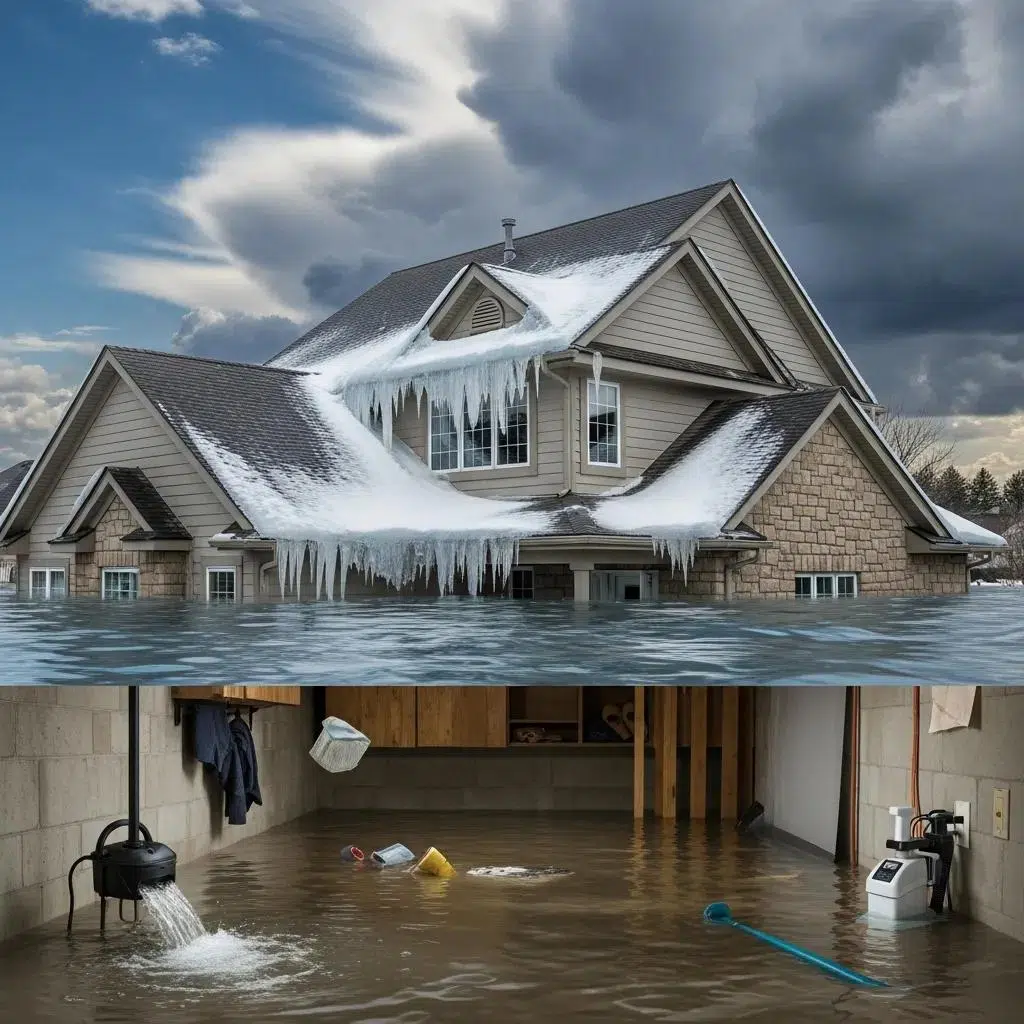
While homeowners insurance provides extensive coverage, certain exclusions are essential for homeowners to understand to avoid surprises during a claim.
Which Damages Are Typically Not Covered by Homeowners Insurance?
Common exclusions in homeowners insurance policies include damages from floods, earthquakes, and normal wear and tear. Homeowners should be aware that these types of damages often require separate policies or endorsements for coverage. Additionally, intentional damage or neglect is typically not covered, emphasizing the importance of maintaining the property.
When Is Additional Coverage or Endorsements Needed?
Homeowners may need additional coverage or endorsements for specific risks not covered by standard policies. For example, homeowners in flood-prone areas should consider purchasing flood insurance, while those with valuable collections may need personal property endorsements to ensure adequate protection. Understanding when to seek additional coverage can help homeowners avoid significant financial losses.
How Can Additional Coverage and Endorsements Enhance Your Policy?
Additional coverage options and endorsements can significantly enhance a homeowners insurance policy, providing tailored protection for unique needs.
What Are Popular Endorsements for Homeowners Insurance?
Popular endorsements include personal property replacement cost coverage, which ensures that homeowners can replace lost or damaged items at current market value rather than depreciated value. Other endorsements may cover home-based businesses, identity theft protection, or increased limits for specific valuables. Homeowners should evaluate their individual circumstances to determine which endorsements may be beneficial.
How Do Endorsements Address Gaps in Standard Coverage?
Endorsements can fill gaps in standard homeowners insurance coverage by addressing specific risks or enhancing existing protections. For instance, a home business endorsement can provide liability coverage for business-related activities conducted at home, which is typically excluded from standard policies. By adding relevant endorsements, homeowners can create a more comprehensive insurance plan that meets their unique needs.
Michigan Homeowners Insurance: Local Market Insights and Coverage Considerations
Michigan homeowners face unique coverage considerations not found in most other states. Michigan’s no-fault auto insurance system does not extend to homeowners insurance — home policies in Michigan are governed by standard property and casualty insurance principles, regulated by the Michigan Department of Insurance and Financial Services (DIFS).
Flood risk: Michigan homeowners insurance policies do not cover flood damage. Michigan’s Great Lakes shoreline, river floodplains (including the Detroit River, Grand River, and Kalamazoo River corridors), and low-lying areas in Metro Detroit and Flint face meaningful flood risk. Michigan homeowners in FEMA-designated flood zones should strongly consider a separate National Flood Insurance Program (NFIP) policy or private flood insurance.
Sewer backup: Sewer and drain backup is one of the most common and costly homeowners insurance claims in Michigan, particularly in older Metro Detroit, Flint, and Lansing neighborhoods with aging municipal sewer infrastructure. Standard Michigan homeowners insurance policies exclude sewer backup — a separate endorsement is typically available for $50–$150/year and is strongly recommended.
Michigan wind and hail: Michigan homeowners face significant wind and hail exposure, particularly in the Lower Peninsula. Most Michigan home insurance policies cover wind and hail damage under the standard dwelling coverage, but some carriers apply a separate wind/hail deductible (typically 1–2% of dwelling coverage) in high-risk areas.
Michigan carriers: Major Michigan homeowners insurance carriers include Auto-Owners Insurance, Frankenmuth Mutual, Citizens Insurance (a Hanover Insurance Group company), USAA (military families), and national carriers including State Farm, Allstate, and Travelers. An independent Michigan insurance broker can compare rates and coverage across multiple carriers to find the best Michigan homeowners insurance policy for your home.
Frequently Asked Questions: What Does Homeowners Insurance Cover?
What does homeowners insurance cover in Michigan?
A standard Michigan homeowners insurance policy (HO-3 form) covers: (1) dwelling coverage — repair or replacement of your home’s structure from covered perils; (2) other structures — detached garages, fences, sheds; (3) personal property — furniture, electronics, clothing, and belongings; (4) loss of use — additional living expenses if your home is uninhabitable after a covered loss; (5) personal liability — legal defense and damages if someone is injured on your property; and (6) medical payments — minor medical expenses for guests injured on your property. Flood and earthquake damage are not covered by standard Michigan homeowners insurance.
Does Michigan homeowners insurance cover water damage?
It depends on the source. Michigan homeowners insurance covers sudden and accidental water damage — such as a burst pipe or appliance leak. It does NOT cover flood damage (rising water from outside), sewer or drain backup (unless you add a backup endorsement), or gradual water damage from a slow leak. Given Michigan’s aging sewer infrastructure, adding a sewer backup endorsement is strongly recommended for Michigan homeowners.
How much homeowners insurance do I need in Michigan?
Michigan homeowners should insure their home for its full replacement cost — the cost to rebuild the structure from scratch at current Michigan construction costs — not its market value or purchase price. Replacement cost and market value can differ significantly, especially in Michigan markets where land values are high relative to construction costs (e.g., Metro Detroit lakefront properties). Your insurance agent can calculate a replacement cost estimate using a cost estimator tool.
What is not covered by homeowners insurance in Michigan?
Standard Michigan homeowners insurance policies exclude: flood damage, earthquake damage, sewer and drain backup (without endorsement), normal wear and tear, intentional damage, business activities conducted from home (without endorsement), and high-value items above policy sublimits (jewelry, art, collectibles — schedule separately). Michigan homeowners should review their policy’s exclusions carefully with a licensed insurance broker.
How can I lower my Michigan homeowners insurance premium?
Common ways to reduce Michigan homeowners insurance costs include: bundling home and auto with the same carrier (typically 10–20% discount), installing monitored security systems and smoke detectors, raising your deductible, updating your roof, electrical, plumbing, and HVAC systems, and shopping your policy with an independent Michigan insurance broker who can compare rates across multiple carriers annually.
Home Insurance Coverage Guide for Michigan Homeowners
Michigan homeowners face unique risks due to the state’s geography and climate, which influence what homeowners insurance covers and what additional protections may be necessary.
- Great Lakes Weather Events: Michigan experiences ice storms, heavy snowfall, and flooding from Lake Michigan and numerous inland lakes. These weather events create unique coverage considerations for homeowners in the state.
- Flood Damage Exclusion: Standard homeowners insurance policies do NOT cover flood damage. Michigan homeowners in flood-prone areas near the Great Lakes, rivers, or low-lying regions should consider purchasing separate flood insurance through the National Flood Insurance Program (NFIP) or private insurers.
- No-Fault Auto Insurance System: Michigan’s no-fault auto insurance system does not extend to homeowners insurance. Separate policies are required for home protection.
- State Regulation and Consumer Resources: The Michigan Department of Insurance and Financial Services (DIFS) oversees homeowners insurance in the state. Homeowners can access consumer protection resources and information at michigan.gov/difs.
- Older Housing Stock Considerations: Many Michigan homes, especially in Detroit, Flint, and other legacy cities, have older electrical systems, plumbing, and roofing. These factors may require special coverage considerations or endorsements to ensure adequate protection.
- CFH Insurance Consultants: CFH Insurance Consultants assists Michigan homeowners and businesses in understanding what their insurance covers and identifying gaps in their protection to ensure comprehensive coverage tailored to Michigan-specific risks.
Where Can You Find Reliable Help and Resources for Homeowners Insurance?
Finding reliable resources and assistance is crucial for homeowners navigating the complexities of insurance.
How Can Insurance Consulting and Brokerage Services Assist You?
Insurance consulting and brokerage services can provide valuable guidance in selecting the right homeowners insurance policy. These professionals can help homeowners assess their coverage needs, compare different policies, and find the best rates. By leveraging their expertise, homeowners can make informed decisions and ensure they have adequate protection.
What Are Trusted Sources for Homeowners Insurance Information and Updates?
Homeowners can find trusted information through various sources, including state insurance departments, consumer advocacy organizations, and reputable insurance websites. These resources often provide insights into policy options, coverage requirements, and industry trends, helping homeowners stay informed about their insurance needs.
About the Author
About the Author: This article was written by a licensed property and casualty insurance professional at CFH Insurance Consultants with expertise in Michigan homeowners insurance, home insurance coverage analysis, and personal lines insurance consulting. Credentials: Licensed Property & Casualty Insurance Broker (Michigan DIFS) | Certified Insurance Counselor (CIC) | [Additional credentials and years of experience to be completed by CFH Insurance Consultants team.]