

7 min read
What Employers Should Know About Employee Health Insurance
By CFH Insurance Consultants
Employee health insurance is a fundamental element of comprehensive employee benefits packages that employers must adeptly navigate to attract and retain top talent. A robust understanding of the underlying principles—including various coverage options, regulatory compliance, cost management, and the positive impact on employee health and workplace productivity—is indispensable for organizations aiming to optimize their benefits offerings. Employers often face complex decisions in selecting fitting plans that align with organizational goals and workforce needs while adhering to evolving legal mandates. This article offers employers detailed insights into employee health insurance by exploring different plan types, legal compliance essentials, financial implications, and strategies for successful implementation and ongoing management. Moreover, we delve into how effective health insurance plans can enhance employee engagement and organizational culture. For employers seeking structured solutions and expert guidance, exploring group health insurance options can provide clarity and structured benefits frameworks.
Coverage Options
When providing employee health insurance benefits, employers can select from a variety of coverage structures tailored to meet diverse organizational and employee preferences. Common plan types include Health Maintenance Organizations (HMOs), Preferred Provider Organizations (PPOs), Exclusive Provider Organizations (EPOs), and Point of Service (POS) plans. Each plan type offers varying degrees of network flexibility, cost-sharing, and provider access, allowing employers to customize offerings that balance budget considerations with employee choice.
It is essential to ensure that selected plans include essential health benefits mandated by federal regulations, such as preventive services, emergency care, hospitalization, maternity and newborn care, mental health services, and prescription drugs. Employers should carefully analyze differences in network size, referral requirements, out-of-pocket maximums, and premium costs to determine which plans best satisfy both company objectives and workforce health requirements.
Legal Requirements
Adhering to the legal landscape governing employee health insurance is a critical responsibility for employers to mitigate risk and maintain organizational integrity. The Affordable Care Act (ACA) establishes key requirements mandating that applicable large employers offer affordable, minimum value health coverage to full-time employees typically working 30 hours or more per week. Compliance with these provisions is vital to avoid significant penalties and regulatory scrutiny.
Legal Obligations
Employers must ensure their health insurance offerings meet or exceed statutory minimum value and affordability thresholds. Additionally, understanding state-specific mandates and exemptions is crucial, as regulatory requirements can vary significantly across jurisdictions. Staying informed on legislative updates enables timely adjustments to benefit plans.
Documentation Standards
Maintaining comprehensive documentation, including Summary Plan Descriptions (SPDs), plan amendments, and required IRS reports such as Forms 1094-C and 1095-C, is mandatory. These records provide proof of compliance and support readiness for audits or inquiries from government agencies.
Employee Notification Processes
Employers are obligated to provide transparent and timely communications to employees regarding health insurance eligibility, enrollment periods, benefits details, and plan modifications. Facilitating clear open enrollment campaigns and ongoing benefits education enhances employee understanding and satisfies legally mandated notice requirements.
Potential Penalties for Non-Compliance
Non-compliance with health insurance regulations can expose employers to substantial monetary fines and legal challenges. These may include penalties for failure to offer coverage, incomplete or inaccurate reporting, or insufficient plan standards, emphasizing the necessity of vigilant regulatory adherence.
Risk Mitigation Strategies
Implementing proactive compliance practices such as periodic internal audits, continuous staff training on benefits regulations, and consultation with legal or insurance experts helps mitigate exposure to penalties. Staying abreast of regulatory developments further fortifies an employer’s compliance posture and protects organizational reputation.
Cost Implications

Financial management of employee health insurance is pivotal within an organization’s total compensation strategy. Key cost components employers must comprehend include monthly premiums, deductibles, copayments, coinsurance, and out-of-pocket maximums. Understanding how these costs interplay helps balance affordability for both the employer and employees.
Employers face the challenge of structuring contributions where the company covers a significant portion of premiums while employees may share costs to control budget impact. Striking this balance not only supports business sustainability but also influences employee satisfaction and retention positively. Leveraging consultation with benefits experts or brokers enhances cost management and benefit optimization. Employers interested in refining their compensation frameworks can consider comprehensive employee benefits management services to streamline administration and financial planning.
Impact on Employee Well-Being
Robust employee health insurance offerings contribute significantly to employee well-being and job satisfaction. Comprehensive coverage paired with wellness initiatives such as preventative screenings, mental health support, and chronic disease management leads to improved employee health outcomes and workplace productivity.
Health insurance also provides employees peace of mind by reducing financial stress related to medical expenses, fostering a positive environment that supports recruitment, retention, and employee engagement. Employers emphasizing high-quality health benefits often gain a competitive advantage in talent markets and cultivate a resilient organizational culture.
Regular Plan Reviews
Consistent evaluation of health insurance plans is essential to adapt benefits to changing workforce demographics, healthcare landscape shifts, and economic factors. Annual reviews incorporating employee feedback and benchmarking against industry standards ensure benefit offerings remain attractive and effective.
Employers should establish a systematic review schedule, assess plan performance indicators such as utilization rates and satisfaction levels, and remain agile in adjusting plan designs to optimize value and coverage effectiveness.
Core Terminology of Employee Health Insurance
Familiarity with foundational insurance terms enhances informed decision-making and benefits communication. Key terminology includes:
Have a Renewal Coming Up?
Send us your renewal and we will tell you whether the increase is competitive. We review it at no cost, and you only need four documents.
Send Us Your RenewalPremiums
The recurring cost paid by employers and/or employees to insurers for health plan coverage, typically on a monthly basis. Managing premium levels is vital to budget control and affordability.
Deductibles
The fixed amount employees must pay out of pocket for eligible healthcare services before insurance coverage commences reimbursement or cost-sharing. Understanding the impact of deductible levels helps employees anticipate healthcare expenses.
Out-Of-Pocket Expenses
Costs borne by employees including copayments, coinsurance, and expenses exceeding plan limits after the deductible is met. Transparency regarding these costs aids in healthcare budgeting and satisfaction.
Compliance Requirements
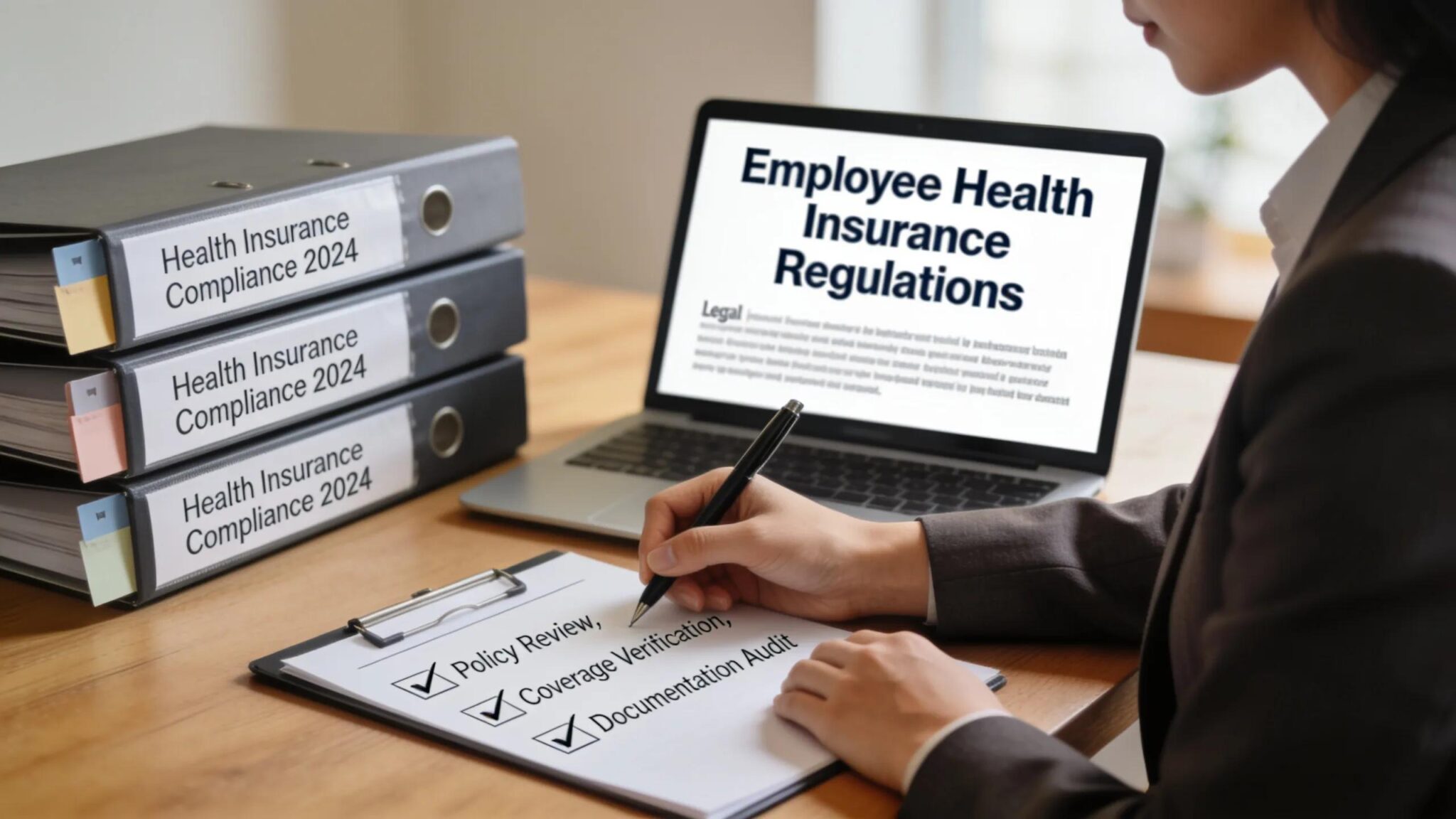
Effectively managing compliance entails rigorous adherence to federal and state health insurance statutes, ensuring that offered plans meet all required standards and employee communications fulfill legal mandates.
Legal Obligations
Employers must conform to comprehensive regulations including the ACA provisions, ERISA guidelines, and applicable state laws. This ensures that health coverage is both accessible and equitable for eligible employees.
Documentation Standards
Accurate maintenance of plan records, compliance reports, and employee communication archives is essential for defending organizational practices during regulatory reviews.
Employee Notification Processes
Timely and effective communication strategies regarding enrollment periods, plan changes, and rights ensure employee awareness and legal compliance.
Potential Penalties for Non-Compliance
Organizations that fail to meet compliance standards risk fines, legal litigation, and possible damage to corporate reputation, highlighting the necessity of proactive compliance management.
Risk Mitigation Strategies
Employing systematic internal controls, continuing education for human resources personnel, and seeking expertise from insurance and legal professionals helps mitigates risks associated with benefit administration.
Steps to Set Up an Employee Health Insurance Plan
Launching a health insurance plan entails thorough planning and responsive execution. Employers can follow these ordered steps to establish effective coverage:
- Assess Employee Needs: Use surveys, interviews, or data analysis to identify the health insurance priorities and demographics of the workforce.
- Understand Plan Types: Research and evaluate available health plan structures aligning with employee needs and organizational strategy.
- Evaluate Budget Constraints: Analyze financial capacity to ensure sustainability while providing competitive benefits.
- Incorporate Comprehensive Benefits: Design plans that include essential services, wellness programs, mental health support, and consider add-ons such as dental and vision coverage for holistic employee care. Employers can explore specialized options like dental and vision insurance to enhance their benefits suite.
- Review Compliance Requirements: Ensure all selected plans meet federal and state legal standards, and that communication protocols are established.
- Select Providers: Choose reputable insurance carriers with strong networks, service quality, and competitive pricing.
- Engage with Brokers: Utilize insurance brokers or consultants to gain expert perspectives on plan design, pricing, and regulatory compliance.
- Communicate with Employees: Develop clear, accessible communication materials to explain benefits, enrollment procedures, and rights.
- Implement the Plan: Roll out the chosen health insurance plans with thorough coordination and support for employees during enrollment.
- Ongoing Management: Continuously monitor plan performance, costs, and employee satisfaction to inform future adjustments and sustain optimal benefit delivery.
Questions We Get
The questions employers ask us most are answered in full on our resources page.
Frequently Asked Questions
What should employers know about employee health insurance?
The main decisions are which plan to offer, how much to contribute, how to fund it and how to meet compliance requirements.
How much do employers have to contribute?
There is no set amount for small groups, but carriers set minimums and larger employers face ACA affordability tests.
What laws apply?
ACA, ERISA, COBRA, HIPAA and Michigan rules, depending on size and plan type.
Where do we start?
With your goals, budget and workforce. We help you compare options.
Unhappy with your current broker? Switch to CFH. Your employees won’t notice. You will.
Related Guides
Small Group Health Insurance Guide for Michigan Employers (2 to 50 Employees)
How small group health insurance works in Michigan and how to compare your options.
Fully Insured, Level-Funded and Self-Funded Plans Compared
The trade-offs between fully insured, level-funded and self-funded health plans.
Employer Benefits Guides: Eligibility, Plan Design, Life Events and Rules
Our library of plain-English guides on eligibility, plan design and compliance.
Health Insurance for Employees: How Michigan Employers Set Up a Group Plan
How Michigan Employers Set Up a Group Plan
