
Comprehensive Small Business Insurance and Employee Benefits in Port Huron, MI
By Andrew Henze, CFH Insurance Consultants
In the vibrant business landscape of Port Huron, MI, understanding the intricacies of business insurance and employee benefits is crucial for small business owners. This article delves into the essential types of business insurance, the significance of employee benefits, and how these elements work together to create a secure and attractive workplace. Small businesses often face unique challenges, including financial risks and employee retention, making it imperative to have robust insurance and benefits strategies in place. By exploring the various options available, business owners can make informed decisions that not only protect their assets but also enhance employee satisfaction and loyalty. We will cover essential types of business insurance, commercial liability options, workers’ compensation, and the importance of employee benefits in St. Clair County. For comprehensive support and expert advice, consider reaching out to a trusted provider to discuss your specific needs and explore available solutions. You can contact us for personalized guidance.
Business Insurance and Employee Benefits for Small Businesses in Port Huron, MI
Business insurance is a critical component for small businesses in Port Huron, providing protection against various risks that can threaten their operations. This insurance encompasses several types, including general liability, property insurance, and workers’ compensation, each designed to mitigate specific risks. Employee benefits, on the other hand, play a vital role in attracting and retaining talent, offering essential coverage such as health insurance, dental and vision plans, and disability insurance. Together, these elements create a safety net that supports both the business and its employees, fostering a stable and productive work environment.
Essential Types of Business Insurance:
Understanding the essential types of business insurance is vital for small business owners. Here are the key types:
- Commercial Property Insurance: Protects physical assets from risks like fire, theft, and natural disasters.
- Commercial General Liability Insurance: Covers legal claims against the business for bodily injury or property damage.
- Workers’ Compensation Insurance: Provides medical benefits and wage replacement for employees injured on the job.
- Professional Liability Insurance: Protects against claims of negligence or malpractice in professional services.
- Cyber Liability Insurance: Covers losses from data breaches and cyberattacks, increasingly important in today’s digital landscape.
These insurance types are essential for safeguarding a business’s financial health and ensuring compliance with legal requirements.
For small and medium enterprises, making appropriate insurance decisions, especially regarding fire risks, is a critical step in protecting their investments and ensuring business continuity.
Assessing Fire Risk Management and Insurance for Small and Medium Enterprises
The SME owners make appropriate decision as this study is a model paving the way for them to insure their small business against fire with insurance companies. To researchers and
Assessment of small and medium enterprise in fire risk management through insurance in port moresby, Papua new guinea, 2019
Commercial Liability Insurance Options in Michigan:
In Michigan, businesses have access to various commercial liability insurance options tailored to their specific needs. These options include:
- Bodily Injury Protection: Covers medical expenses and legal fees if someone is injured on your business premises.
- Property Damage Protection: Provides coverage for damages caused to someone else’s property during business operations.
- Personal and Advertising Injury: Protects against claims related to defamation, copyright infringement, and other advertising-related issues.
Choosing the right commercial liability insurance is crucial for mitigating risks and ensuring that businesses can operate confidently.
Workers’ Compensation Insurance Protection:
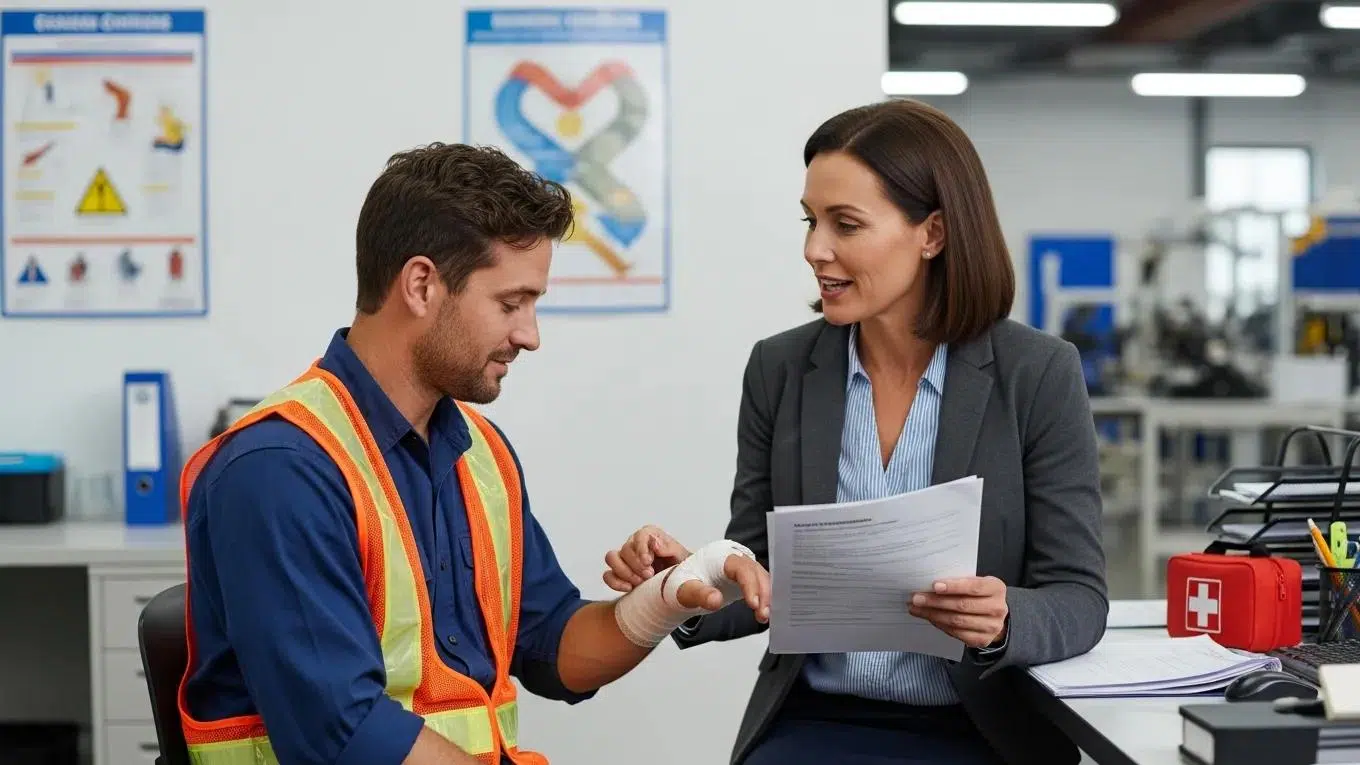
Workers’ compensation insurance is a legal requirement for most businesses in Michigan, providing essential protection for both employees and employers. This insurance covers:
- Medical Expenses: Ensures that employees receive necessary medical treatment for work-related injuries.
- Wage Replacement: Offers financial support to employees who are unable to work due to their injuries.
- Legal Protection: Shields businesses from lawsuits related to workplace injuries.
By investing in workers’ compensation insurance, businesses not only comply with state laws but also demonstrate a commitment to employee welfare.
Employee Benefits in St. Clair County:

In St. Clair County, employee benefits are a key factor in attracting and retaining skilled workers. Businesses can offer a variety of benefits, including comprehensive group health insurance, supplemental insurance plans, and group dental and vision care.
- Group Health Insurance: Provides comprehensive health coverage for employees and their families.
- Supplemental Insurance Plans: Offers additional coverage options, such as accident or critical illness insurance.
- Group Dental and Vision Insurance: Ensures employees have access to necessary dental and vision care.
These benefits enhance employee satisfaction and loyalty, making businesses more competitive in the local job market.
Coverage Options for Group Dental and Vision Insurance Plans:
Group dental and vision insurance plans offer essential coverage options that can significantly benefit employees. Key features include:
- Preventive Care Coverage: Regular check-ups and cleanings to maintain oral and visual health.
- Basic and Major Treatment Coverage: Financial support for necessary procedures, such as fillings, crowns, and surgeries.
- Vision Care Options: Coverage for eye exams, glasses, and contact lenses, ensuring employees can maintain their vision health.
By providing these benefits, businesses can improve employee well-being and productivity.
Significance of Disability Insurance for Local Businesses:
Disability insurance is a crucial component of employee benefits, offering financial protection in the event of an employee’s inability to work due to illness or injury. The significance of this insurance includes:
- Income Replacement for Employees: Ensures that employees receive a portion of their income while they are unable to work.
- Enhancing Employee Loyalty: Demonstrates a commitment to employee welfare, fostering loyalty and reducing turnover.
- Attracting Talent: A robust benefits package, including disability insurance, can make a business more attractive to potential employees.
Investing in disability and life insurance is a strategic move that benefits both employees and employers.
What types of business insurance are essential for small businesses in Port Huron?
Small businesses in Port Huron should prioritize several types of business insurance to protect their operations effectively. Essential types include:
- General Liability Insurance: Covers legal claims for bodily injury and property damage.
- Commercial Property Insurance: Protects physical assets from various risks.
- Workers’ Compensation Insurance: Provides coverage for employee injuries.
These insurance types form the foundation of a comprehensive risk management strategy.
Which commercial liability insurance options are available in Michigan?
Michigan offers a range of commercial liability insurance options tailored to meet the needs of businesses. Key options include:
- Bodily Injury Protection: Covers medical expenses for injuries occurring on business premises.
- Property Damage Protection: Provides coverage for damages to third-party property.
- Personal and Advertising Injury: Protects against claims related to advertising and personal injury.
Selecting the right coverage is essential for effective risk management.
How does workers compensation insurance protect Port Huron businesses?
Workers’ compensation insurance is vital for protecting businesses in Port Huron by covering:
- Medical Benefits: Ensures employees receive necessary medical care for work-related injuries.
- Wage Replacement: Provides financial support to injured employees during recovery.
- Legal Protection: Shields businesses from lawsuits related to workplace injuries.
This insurance not only complies with legal requirements but also fosters a safe work environment.
How do group health and supplemental insurance plans benefit employees in St Clair County?
Group health and supplemental insurance plans offer numerous benefits for employees in St. Clair County, including:
- Cost-Effectiveness: Group plans often provide lower premiums compared to individual plans.
- Comprehensive Coverage Options: Employees can access a wide range of health services.
- Attracting and Retaining Talent: A robust benefits package enhances employee satisfaction and loyalty.
These plans are essential for maintaining a healthy and motivated workforce.
What coverage options do group dental and vision insurance plans offer in Port Huron?
Group dental and vision insurance plans in Port Huron provide essential coverage options, including:
- Preventive Care Coverage: Regular check-ups and cleanings to maintain oral health.
- Basic and Major Treatment Coverage: Financial support for necessary dental procedures.
- Vision Care Options: Coverage for eye exams, glasses, and contact lenses.
These benefits contribute to overall employee well-being and productivity.
Why are disability and life insurance important parts of employee benefits?
Disability and life insurance are critical components of employee benefits for several reasons:
- Financial Protection for Employees: Provides income replacement and support for families in case of unforeseen events.
- Enhancing Employee Satisfaction: A comprehensive benefits package increases employee morale and loyalty.
- Reducing Turnover: Offering these benefits can help retain valuable employees.
Investing in these insurance types is a strategic move for businesses looking to support their workforce.
What are QSEHRA and ICHRA: advanced employee benefit arrangements explained?
QSEHRA (Qualified Small Employer Health Reimbursement Arrangement) and ICHRA (Individual Coverage Health Reimbursement Arrangement) are innovative employee benefit arrangements that allow businesses to reimburse employees for health expenses. For more details on these advanced options, explore resources on QSEHRA and ICHRA.
- Flexibility: Employers can customize reimbursement amounts based on individual employee needs.
- Tax Advantages: Contributions are tax-deductible for employers and tax-free for employees.
- Attracting Talent: These arrangements can enhance a company’s benefits package, making it more appealing to potential hires.
Understanding these options can help businesses provide valuable health benefits while managing costs effectively.
How do QSEHRA and ICHRA provide tax-advantaged health reimbursements?
QSEHRA and ICHRA offer significant tax advantages for both employers and employees. These advantages include:
- Tax-Deductible Contributions: Employers can deduct contributions from their taxable income.
- Tax-Free Reimbursements: Employees receive reimbursements tax-free, enhancing their overall compensation.
- Cost Management for Employers: These arrangements allow businesses to control health benefit costs while providing valuable support to employees.
Utilizing these arrangements can lead to a more efficient and effective employee benefits strategy.
What are the eligibility criteria and benefits for small businesses in Port Huron?
Small businesses in Port Huron can benefit from QSEHRA and ICHRA arrangements, provided they meet specific eligibility criteria. Key points include:
- Eligibility for QSEHRA: Must be a small employer with fewer than 50 full-time employees.
- Cost-Effectiveness: These arrangements allow businesses to offer health benefits without the high costs of traditional group plans.
- Employee Flexibility: Employees can choose their health plans, enhancing satisfaction and retention.
Understanding these criteria can help businesses leverage these advanced benefit options effectively.
How do local insurance regulations and compliance impact business insurance in Port Huron?
Local insurance regulations significantly impact business insurance in Port Huron. Key considerations include:
- Overview of Michigan Insurance Regulations: Businesses must comply with state laws governing insurance coverage.
- Compliance Requirements: Understanding these requirements is essential for avoiding penalties and ensuring adequate coverage.
- Impact on Coverage Options: Local regulations can influence the types of insurance available to businesses.
Staying informed about these regulations is crucial for effective risk management.
What Michigan state mandates must small businesses follow for employee benefits?
Small businesses in Michigan must adhere to several state mandates regarding employee benefits, including:
- Affordable Care Act Compliance: Ensures that businesses provide adequate health coverage to employees.
- Michigan Mini-COBRA Requirements: Mandates continuation of health coverage for eligible employees after termination.
- Mental Health Parity Mandates: Requires equal coverage for mental health and substance use disorders.
Understanding these mandates is essential for compliance and effective employee benefits management.
States Act to Help People Laid Off from Small Firms: More Needs to Be Done
many states took steps to improve their miniCOBRA laws so people in small firms would be Indiana, Michigan, and Montana. Pennsylvania does not currently have a mini-COBRA law,
States Act to Help People Laid Off from Small Firms: More Needs to Be Done, 2009
How can businesses ensure compliance with Port Huron and St Clair County insurance laws?
To ensure compliance with local insurance laws, businesses can take several proactive steps:
- Understanding Local Regulations: Familiarize yourself with the specific insurance requirements in Port Huron and St. Clair County.
- Engaging Insurance Consultants: Seek expert advice to navigate complex regulations and ensure adequate coverage.
- Conducting Regular Audits: Regularly review insurance policies and practices to ensure compliance with changing laws.
By taking these steps, businesses can mitigate risks and maintain compliance with local regulations.