


By CFH Insurance Consultants, CFH Insurance Consultants
Navigating employee benefits is essential for business owners, especially in competitive landscapes like Auburn Hills, MI, where dynamic industries such as automotive manufacturing and technology drive the local economy. This article highlights the critical aspects of group health insurance and corporate benefits consulting, demonstrating their significance for attracting and retaining talent in such specialized workforces. Understanding these benefits can significantly impact your business’s sustainability and employee satisfaction. With costs and compliance demands continually evolving, this guide offers clarity on choosing and implementing ideal employee benefits, including group health insurance options for local employers. Key sections will explore group health insurance, effective corporate benefits consulting strategies, advanced level-funding and self-funding models, exclusive executive perks, detailed benefits comparison tables, and tailored employee retention strategies specifically designed for Auburn Hills’ automotive and technology sectors within Oakland County.
Group Health Insurance
Group health insurance is a policy that covers employees of a company under a single plan, facilitating access to health care while distributing costs among the group. This arrangement is beneficial for employers seeking to enhance employee satisfaction, retention, and compliance with regulatory standards. Group health insurance compliance with federal and state regulations, including the Affordable Care Act (ACA), is vital for these plans, as it helps avoid potential legal challenges and hefty penalties. By investing in group health insurance, businesses can foster a healthier workforce, ultimately leading to increased productivity and reduced absenteeism. Auburn Hills employers benefit from accessing competitive group plans tailored for Michigan businesses, with carriers experienced in navigating local healthcare markets.
Corporate Benefits Consulting
Corporate benefits consulting focuses on assessing and designing employee benefit plans tailored to meet the unique needs of a business. These consultants analyze workforce demographics, industry nuances, and regional economic conditions to recommend benefits that resonate with employees, promoting engagement and loyalty. Consultants familiar with Oakland County’s automotive and technology sectors provide valuable insights into localized health needs, competitive compensation benchmarks, and compliance intricacies like ACA mandates and ERISA regulations.
Local consultants bring the added advantage of understanding the regional market dynamics in Michigan, which can significantly influence the efficiency and acceptance of the benefits package. The importance of tailored benefits packages cannot be overstated, as they directly contribute to better employee retention, morale, and company culture—critical factors for businesses competing in Auburn Hills.
Strategic Employee Benefits Consulting in Auburn Hills, MI
In Auburn Hills, corporate health insurance solutions extend beyond traditional group plans to include innovative funding arrangements such as level-funding and self-funding. These advanced models offer greater cost control, transparency, and flexibility for businesses seeking customized coverage.
Level-funded health plans combine the predictability of fixed monthly payments with the potential savings of self-funded options, making them an attractive choice for small to mid-sized businesses looking to balance cost control and comprehensive coverage. Level-funding allows companies to pay a consistent amount monthly, covering claims, administration fees, and stop-loss insurance. If actual claims are lower than expected, the employer may receive a refund, reinforcing cost-efficiency. This model is particularly popular among Auburn Hills businesses in the technology and automotive sectors, where workforce needs fluctuate according to project cycles and production demands.
Self-funded plans, often adopted by larger employers in the area, involve assuming the direct risk for health claims. These plans provide maximum plan design flexibility and the potential for significant savings if claims are lower than expected. They require careful management, stop-loss insurance, and a strategic partnership with experienced benefits consultants to ensure compliance with ACA and ERISA standards while optimizing financial outcomes.
Engaging corporate benefits consultants who understand level-funding and self-funding nuances ensures Auburn Hills employers select optimal plans aligned with organizational size, risk tolerance, and employee healthcare needs, improving both budget forecasting and employee satisfaction.
Executive Perks and Unique Benefits for Auburn Hills Businesses
Beyond standard group health insurance, Auburn Hills companies are increasingly integrating executive perks and tailored high-value benefits to attract and retain top-level talent. These perks often include enhanced insurance options such as higher coverage limits, premium wellness memberships, executive physicals, and personalized financial planning services.
Offering flexible spending accounts (FSAs), health savings accounts (HSAs), and supplemental benefits like long-term care insurance can enhance executive packages and foster loyalty among leadership teams. Businesses investing in executive-level benefits signal a commitment to leadership well-being, promoting stability and long-term organizational success.
What Group Health Insurance Plans Are Best for Auburn Hills Small Businesses?
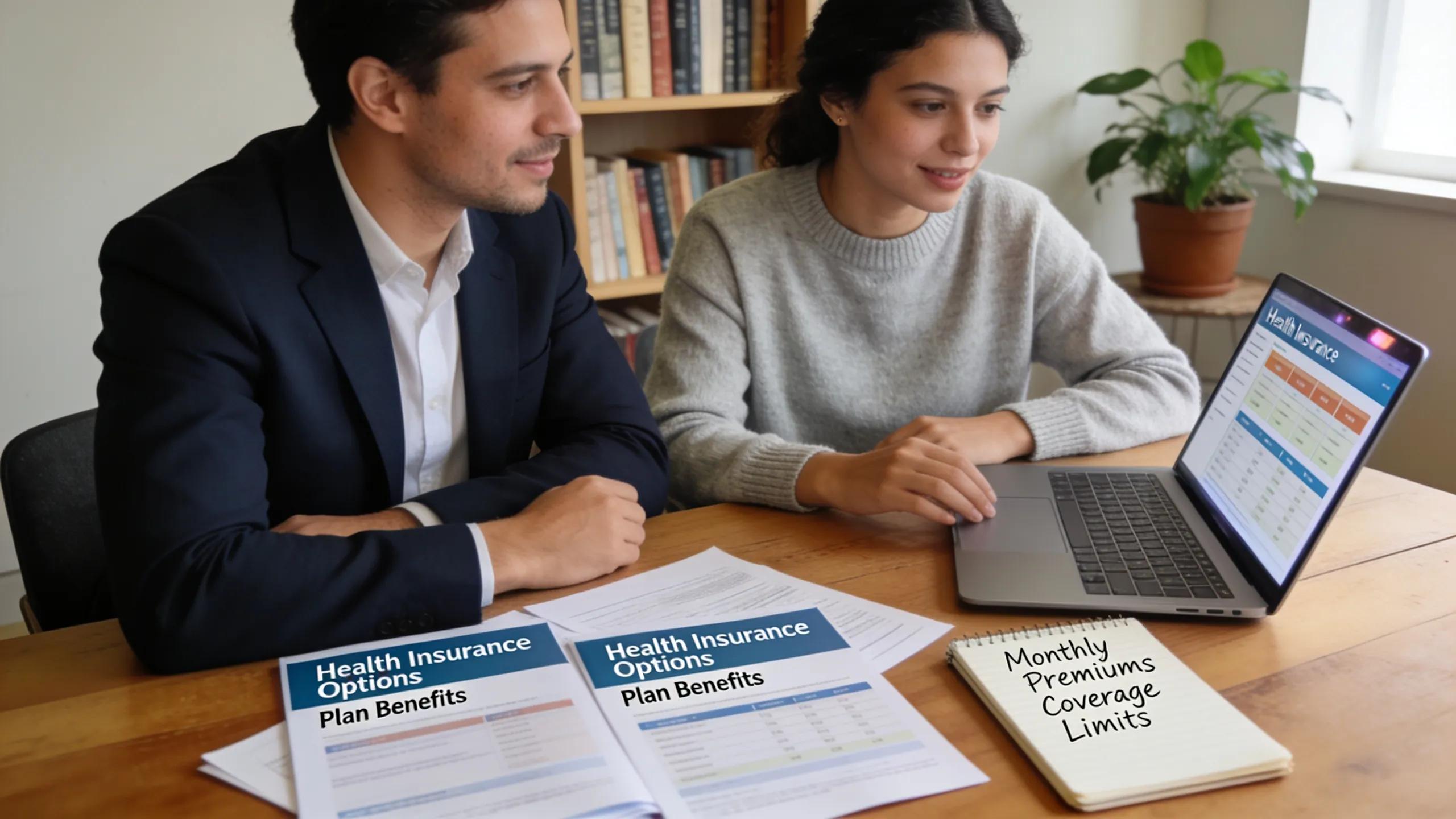
Selecting the right group health insurance plan is crucial for small businesses in Auburn Hills and the broader Oakland County area, as it impacts employee satisfaction, retention, and company costs. Knowing the best options on the market leads to better decision-making and long-term success.
Which Health Insurance Options Fit Michigan Small Employers?
Small employers in Michigan can benefit greatly from various health insurance options. It’s essential to consider plans that offer comprehensive coverage while remaining within budgetary constraints. Typical options include Health Maintenance Organizations (HMOs), Preferred Provider Organizations (PPOs), Exclusive Provider Organizations (EPOs), and increasingly popular QSEHRA and ICHRA reimbursement arrangements. Many of these plans come with different levels of provider access, premium costs, and employee flexibility.
Types of Plans Available
Different types of plans cater to the diverse needs of small businesses:
- Health Maintenance Organization (HMO): Offers lower premiums and out-of-pocket costs but requires members to choose a primary care physician and use a network of providers.
- Preferred Provider Organization (PPO): Provides more flexibility in choosing healthcare providers, both in and out-of-network, though at higher premium costs.
- Exclusive Provider Organization (EPO): Similar to PPOs but does not require a primary physician and emphasizes lower costs when using in-network services exclusively.
- QSEHRA (Qualified Small Employer Health Reimbursement Arrangement): Allows small employers to reimburse employees for individual health insurance premiums and qualified medical expenses, offering more flexibility and cost control.
- ICHRA (Individual Coverage Health Reimbursement Arrangement): Enables employers of any size to reimburse employees for individual health insurance premiums with customizable contribution levels based on employee classes.
Eligibility Requirements
Eligibility requirements for group health insurance plans often depend on the number of employees and employer contributions. For most group plans, a minimum employee count of 2-3 is typical, but this can vary by provider. Michigan state regulations may also impose specific criteria small businesses must meet to qualify, impacting their ability to enroll in particular plans or leverage tax advantages.
Cost Considerations
Cost is a significant factor when evaluating group health insurance plans. Employers must analyze premiums, deductibles, co-pays, and the overall financial responsibility shared between the business and employees. Engaging a benefits consultant in Auburn Hills can reveal potential savings through tax incentives, better-negotiated premiums, and appropriate plan design aligned to workforce needs, ultimately enabling businesses to make informed decisions regarding their budgets.
Examples of Suitable Plans
Popular plans for small businesses include options from Blue Cross Blue Shield of Michigan, Molina Healthcare, and Priority Health, all known for servicing Oakland County employers with network coverage that addresses the healthcare providers frequented by local employees.
Benefits Comparison Table for Auburn Hills Small Businesses
How Do Group Plans Save Costs for Auburn Hills Companies?
Group health insurance plans save companies in Auburn Hills by leveraging shared risk and collective bargaining power, leading to lower coverage costs per employee. Spreading financial risk among a larger group enables insurers to offer competitive rates and better plan options. Additionally, businesses may qualify for substantial tax benefits and deductions associated with providing employee health benefits, further offsetting costs and improving overall financial health.
Tailored consulting helps businesses select compliant and cost-effective plans that meet ACA mandates, minimizing risks of penalties and ensuring smooth healthcare benefit administration aligned with company goals.
How Can Corporate Employee Benefits in Auburn Hills Improve Workplace Wellness?
Implementing comprehensive corporate employee benefits is a proven method to enhance workplace wellness and foster a positive organizational culture. Auburn Hills companies focusing on well-rounded benefits packages experience higher employee engagement, job satisfaction, and productivity. Wellness programs integrated into benefits encourage healthier lifestyle choices, stress reduction, and mental health resilience, reducing overall healthcare and absenteeism costs long term.
What Workplace Wellness Programs Are Popular in Auburn Hills?
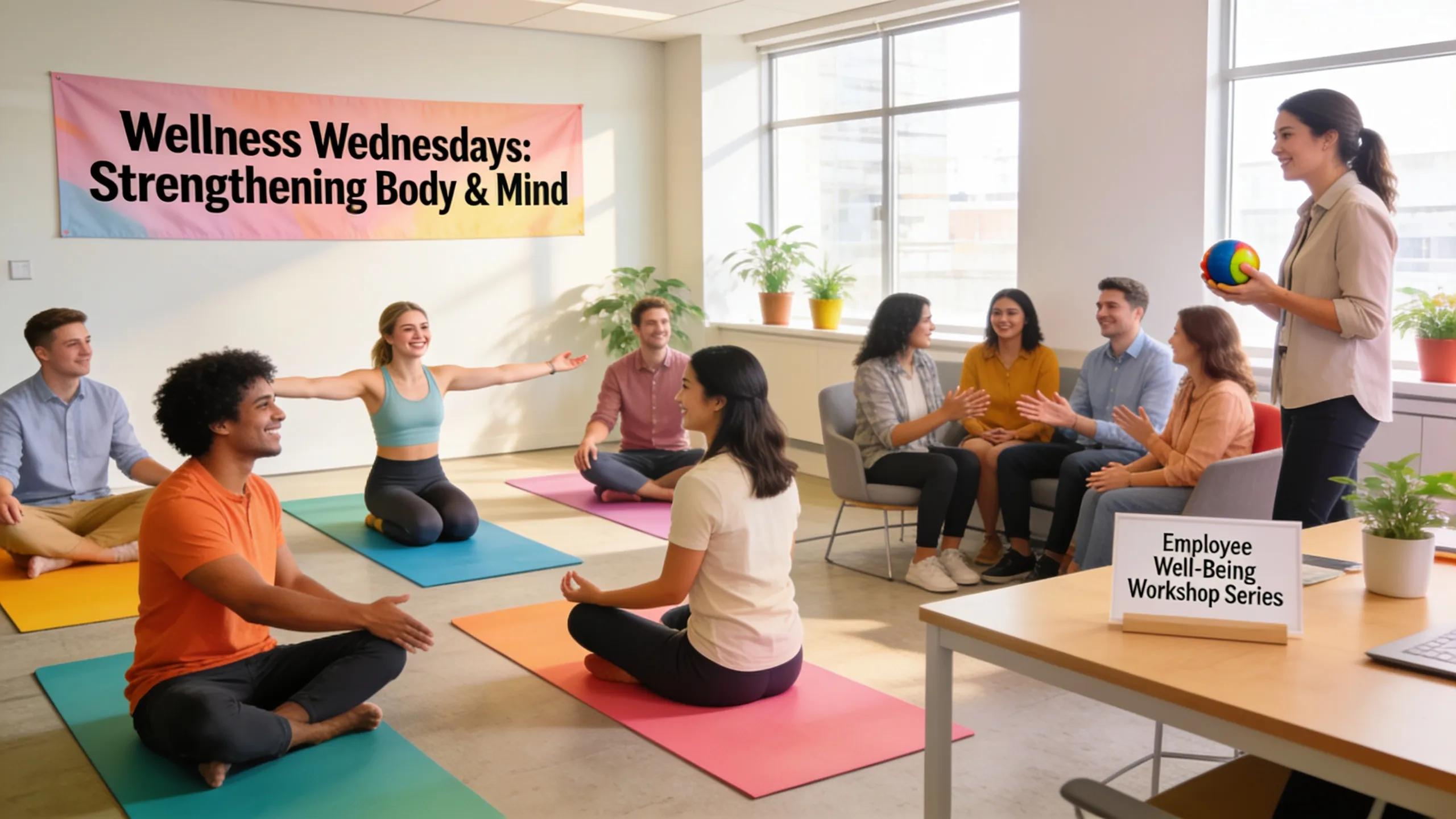
Popular wellness programs in Auburn Hills include fitness incentives, onsite or virtual stress management workshops, mindfulness training, and mental health counseling. Companies often partner with local gyms and wellness providers in Oakland County to offer discounted memberships and health screenings, fostering a more vibrant, healthy workforce tailored to industry-specific challenges.
Why Include Dental, Vision, Disability, and Life Insurance in Benefits Packages?
Incorporating dental, vision, disability, and life insurance into employee benefits packages substantially increases employee satisfaction, loyalty, and retention. These coverages protect employees and their families from unforeseen health and financial hardships beyond medical care. Offering such benefits also enhances a company’s competitive edge in recruitment by addressing holistic employee needs and providing peace of mind.
Local Workforce Retention Strategies for Auburn Hills Technology and Automotive Sectors
Retention of top talent within Auburn Hills’ thriving technology and automotive industries requires a focused approach on sector-specific workforce needs and benefits preferences. Employee benefits consulting in this region includes unique strategies such as skill development incentives, flexible work schedules that align with production cycles, and wellness programs tailored to occupational health risks prevalent in manufacturing and tech sectors.
Employers leverage partnerships with Oakland County health providers, fitness centers, and educational institutions to provide discounted or onsite wellness services, upskilling opportunities, and career development resources. Customized benefit programs, including commuter benefits, family care options, and professional growth support, further solidify retention efforts by addressing the holistic demands of employees in these competitive fields.
What Are QSEHRA and ICHRA Solutions for Michigan Employers?
Qualified Small Employer Health Reimbursement Arrangements (QSEHRA) and Individual Coverage Health Reimbursement Arrangements (ICHRA) are innovative health benefits solutions empowering Michigan employers to provide flexible, cost-effective healthcare options without the heavy financial burden of traditional group plans. Both allow employers to reimburse employees tax-free for individual health insurance premiums and qualified healthcare expenses, granting employees the freedom to choose plans that best fit their needs.
These models are increasingly favored by Auburn Hills small to mid-sized businesses aiming to balance affordability with employee choice and ACA compliance.
How Does QSEHRA Support Small Auburn Hills Businesses?
QSEHRA enables small businesses to offer meaningful health reimbursements to employees who purchase individual insurance coverage. With annual contribution limits set by the IRS, this arrangement promotes financial relief by reducing employer premium costs while still supporting employee health expenses. This is particularly beneficial in Auburn Hills where many startups and small companies seek affordable solutions aligned with local market conditions.
What Are the Differences Between QSEHRA and ICHRA for Employers?
While both QSEHRA and ICHRA provide mechanisms for reimbursing health expenses, key distinctions exist. QSEHRA is exclusively designed for small employers with fewer than 50 employees and imposes annual contribution caps. In contrast, ICHRA is available to employers of all sizes, with no set contribution limits, and offers greater flexibility in setting different reimbursement levels for various employee classes such as full-time, part-time, or seasonal workers. These distinctions enable Auburn Hills companies to tailor benefits strategies that align precisely with workforce composition and corporate financial goals.
How Does Employee Benefits Consulting in Auburn Hills Ensure Compliance and Affordability?
Employee benefits consulting is integral to maintaining compliance with the complex and evolving landscape of healthcare laws and policies including ERISA, COBRA, ACA, HIPAA, and state-specific regulations enforced in Michigan. Consultants guide employers through this regulatory framework, ensuring adherence while optimizing cost and benefits value.
What Compliance Requirements Should Auburn Hills Employers Know?
Auburn Hills employers must be aware of compliance requirements such as ERISA (Employee Retirement Income Security Act), COBRA (Consolidated Omnibus Budget Reconciliation Act), and ACA (Affordable Care Act) mandates, including the employer shared responsibility provisions and reporting obligations. Adequate understanding and implementation of these laws help avoid penalties and promote workforce trust.
Over the decades, small business owners have encountered significant challenges offering health insurance. Legislative reforms like the Patient Protection and Affordable Care Act, enacted on March 23, 2010, have introduced incentives and frameworks to improve access and affordability.
Small Business Health Insurance Challenges & Incentives
For decades small business owners have been struggling to offer health insurance to their employees. Health insurance reform has been an issue of contention over the last few decades, culminating in the passage of the Patient Protection and Affordable Care Act on March 23,2010. One measure policy makers took to increase access to health insurance was to provide incentives to small business owners to offer health insurance. An exploratory analysis of health insurance decisions among rural western Montana small business owners, 2010
How Do Consultants Tailor Affordable Benefits Packages for Michigan Companies?
Consultants conduct detailed needs assessments, analyzing employee demographics, healthcare utilization patterns, budget constraints, and competitive landscape. Using this data, they develop customized benefits packages that balance affordability, compliance, and employee value. Consulting experts also leverage local market knowledge of Auburn Hills and Oakland County conditions to negotiate with carriers, structure funding models like level-funding or self-funding, and integrate wellness initiatives that enhance overall workforce well-being.
Frequently Asked Questions About Employee Benefits in Auburn Hills, MI
1. What are the main advantages of group health insurance for Auburn Hills employers?
Group health insurance allows businesses to provide comprehensive healthcare coverage to employees at a lower cost through risk pooling, improves employee satisfaction, helps meet compliance requirements, and can enhance retention and recruitment efforts.
2. How do level-funded health plans differ from traditional group plans?
Level-funded plans combine fixed monthly payments with self-funded claims management, offering potential refunds if claims are lower than expected, providing more budget predictability and potential cost savings compared to traditional fully insured plans.
3. Are executive perks important to Auburn Hills businesses?
Yes, offering executive perks such as enhanced benefits and wellness programs can improve leadership retention, signify company investment in top talent, and contribute to a positive corporate culture.
4. What compliance regulations must Auburn Hills businesses consider when offering benefits?
Employers must comply with federal laws such as ERISA, COBRA, HIPAA, and ACA, as well as Michigan state regulations, to ensure lawful administration of health benefits and avoid penalties.
5. Can small businesses in Auburn Hills use QSEHRA or ICHRA plans?
Yes, QSEHRA is ideal for businesses with fewer than 50 employees, offering capped reimbursements, while ICHRA suits businesses of all sizes and provides customizable reimbursement options. Both plans allow employees to choose individual coverage while employers manage costs.
6. How can consulting services improve employee benefits outcomes?
Consultants provide expertise in plan design, regulatory compliance, cost negotiation, and wellness program integration, helping Auburn Hills businesses optimize benefits for employees while managing expenses effectively.
Send us your renewal.
We’ll tell you whether it looks competitive, where we see opportunity, and the five questions we’d put to your carrier. No cost, and no obligation to move anything.
The renewal letter
Your current plan summary
Contribution split by tier
Enrolled counts by tier
Four documents — two more if your group is 50 or more. Nothing else; every extra one is a reason to postpone.
An independent employee benefits consulting firm. We look at the entire benefits program — cost, plan performance, risk and administration.
Bloomfield Hills, MI 48304
248.370.8853
Colorado Springs, CO 80921
719.425.2649
Houston, TX 77084
281.404.5670
Cookies on this site
We use cookies to keep the site working properly and to understand how it is used. You can decline anything that is not essential. See our Privacy Policy for the detail.
- Essential — needed for the site to load and for you to move around it. These cannot be switched off.
- Analytics — tell us which pages get read, so we know what is worth writing more of.
- Advertising — set by third parties such as ad and social platforms to measure and target campaigns.