

Employee Benefits Consulting in Michigan: The Ultimate Guide for Employers
In today’s competitive labor market, employee benefits consulting has become an indispensable resource for Michigan employers aiming to attract, retain, and engage top talent. With over 150,000 businesses in Michigan offering group benefits and an average employer contribution rate exceeding 70% of total premiums, the stakes for designing effective benefits programs have never been higher. This comprehensive guide explores the full spectrum of employee benefits consulting services, detailing what benefits consultants do, the advantages Michigan employers gain from their expertise, and how specialized firms like CFH Insurance Consultants deliver tailored solutions. From compliance mastery to cost management and strategic plan design, this article provides an in-depth look at how consulting can transform your employee benefits program into a powerful business asset.
What Is Employee Benefits Consulting?
Employee benefits consulting involves partnering with experts who specialize in designing, managing, and optimizing employee benefits programs. These consultants analyze an organization’s workforce needs, regulatory environment, and financial goals to craft benefits packages that align with company objectives while meeting employee expectations. Their role extends beyond plan selection to include ongoing compliance support, cost control strategies, and wellness program development.
Core Responsibilities of Benefits Consultants
- Benefits Plan Design: Creating customized benefits packages that include health insurance, retirement plans, wellness initiatives, and other perks tailored to the workforce.
- Regulatory Compliance: Ensuring all benefits offerings comply with federal and Michigan state laws such as the Affordable Care Act (ACA), ERISA, HIPAA, and COBRA.
- Cost Management: Identifying cost drivers and implementing strategies to optimize spending without sacrificing employee value.
- Employee Communication: Developing clear, accessible materials and programs to educate employees about their benefits options.
- Vendor Management: Coordinating with insurance carriers and third-party administrators to streamline benefits delivery.
What Does an Employee Benefits Consultant Actually Do?
While the overarching goals of employee benefits consulting are clear, the day-to-day activities of a benefits consultant are multifaceted and critical to the success of any benefits program. Here’s a detailed look at the core functions they perform:
- Advisory Services: Consultants provide ongoing advice to employers on plan design, market trends, and best practices. They help interpret complex regulations and translate them into actionable strategies tailored to the employer’s unique workforce and budget.
- Carrier Negotiations: Benefits consultants act as intermediaries between employers and insurance carriers. They negotiate premium rates, coverage terms, and service agreements to secure the most favorable conditions for their clients.
- Compliance Monitoring: Staying abreast of federal and Michigan-specific regulatory changes is essential. Consultants continuously monitor compliance requirements, conduct audits, and prepare documentation to ensure employers meet all legal obligations.
- Open Enrollment Support: Consultants design and manage open enrollment processes, including employee education sessions, communication materials, and enrollment technology. This support ensures employees understand their options and make informed decisions.
- Claims Analysis and Reporting: They analyze claims data to identify cost drivers and health trends, providing insights that inform plan adjustments and wellness initiatives.
- Vendor Coordination: Managing relationships with third-party administrators, wellness vendors, and other service providers to ensure seamless benefits delivery and high employee satisfaction.
Comprehensive Services Offered by Employee Benefits Consultants in Michigan
Michigan employers benefit from a wide array of consulting services designed to address every aspect of employee benefits management. These services include:
1. Benefits Plan Design and Customization
Consultants conduct thorough needs assessments using employee surveys and industry benchmarking to develop benefits plans that resonate with your workforce. They balance competitive offerings with cost-effectiveness, incorporating health insurance, dental and vision coverage, retirement savings plans, life insurance, disability benefits, and wellness programs.
2. Compliance Expertise and Risk Mitigation
With ever-evolving regulations, staying compliant is a major challenge. Consultants provide up-to-date guidance on Michigan-specific and federal laws, including:
- Affordable Care Act (ACA) mandates
- Employee Retirement Income Security Act (ERISA)
- Health Insurance Portability and Accountability Act (HIPAA)
- Consolidated Omnibus Budget Reconciliation Act (COBRA)
- Michigan state insurance regulations and reporting requirements
They help avoid costly penalties by ensuring proper documentation, timely filings, and transparent employee communications.
3. Employee Wellness Program Development
Wellness programs are proven to reduce healthcare costs and improve employee productivity. Consultants design initiatives such as fitness challenges, mental health support, biometric screenings, and smoking cessation programs. They also establish measurable outcomes to track program success and employee engagement.
4. Retirement Benefits Planning
Offering competitive retirement options is critical for long-term employee satisfaction. Consultants assist in selecting and managing plans like 401(k)s, pensions, and profit-sharing arrangements, advising on employer contribution strategies and tax implications to maximize benefits for both parties.
5. Cost Management and Financial Optimization
Controlling benefits costs without compromising quality is a top priority. Consultants analyze claims data and cost drivers, recommend high-deductible health plans, wellness incentives, and alternative funding arrangements, and regularly review plan performance to ensure value.
Michigan-Specific Benefits Regulations Employers Must Know
Michigan employers must navigate a complex regulatory landscape that includes unique state laws and oversight agencies. Understanding these is crucial for compliance and effective benefits management.
State Continuation Law
Michigan’s state continuation coverage law requires employers with 2-19 employees to offer continuation of health coverage for up to 18 months after termination, similar to COBRA but applicable to smaller employers. Benefits consultants help employers understand eligibility, notification requirements, and administration of this coverage.
Michigan Paid Family Medical Leave (PFML)
Michigan has enacted Paid Family Medical Leave legislation that impacts employer benefits planning. Employers must understand contribution requirements, employee eligibility, and integration with existing leave policies. Consultants provide guidance on compliance and communication strategies to ensure smooth implementation.
Department of Insurance and Financial Services (DIFS) Oversight
The Michigan DIFS regulates insurance carriers and enforces state insurance laws. Employers and consultants must ensure that benefits plans and carriers comply with DIFS rules, including reporting, consumer protections, and dispute resolution processes.
How Michigan Employers Benefit from Employee Benefits Consulting
Employers in Michigan face unique challenges, including a diverse workforce, fluctuating healthcare costs, and complex state regulations. Engaging a benefits consultant offers several advantages:
Improved Employee Attraction and Retention
According to recent studies, 60% of employees consider benefits a critical factor in job choice. Customized, competitive benefits packages help Michigan employers stand out in industries ranging from manufacturing to technology.
Enhanced Compliance and Reduced Legal Risk
Non-compliance with benefits regulations can result in fines exceeding tens of thousands of dollars. Consultants’ expertise ensures adherence to all legal requirements, reducing audit risks and protecting your business reputation.
Optimized Benefits Spending
Employers who work with consultants typically reduce benefits-related expenses by 10-15% through strategic plan design and cost containment measures, freeing resources for other business priorities.
Have a Renewal Coming Up?
Send us your renewal and we will tell you whether the increase is competitive. We review it at no cost, and you only need four documents.
Send Us Your RenewalIncreased Employee Engagement and Productivity
Wellness programs and clear benefits communication foster a healthier, more motivated workforce, which can decrease absenteeism and improve overall performance.
How to Evaluate an Employee Benefits Consultant in Michigan
Choosing the right benefits consultant is critical to maximizing the value of your employee benefits program. Michigan employers should consider the following questions when evaluating prospective consultants:
CFH Insurance Consultants: Tailored Employee Benefits Solutions for Michigan Employers
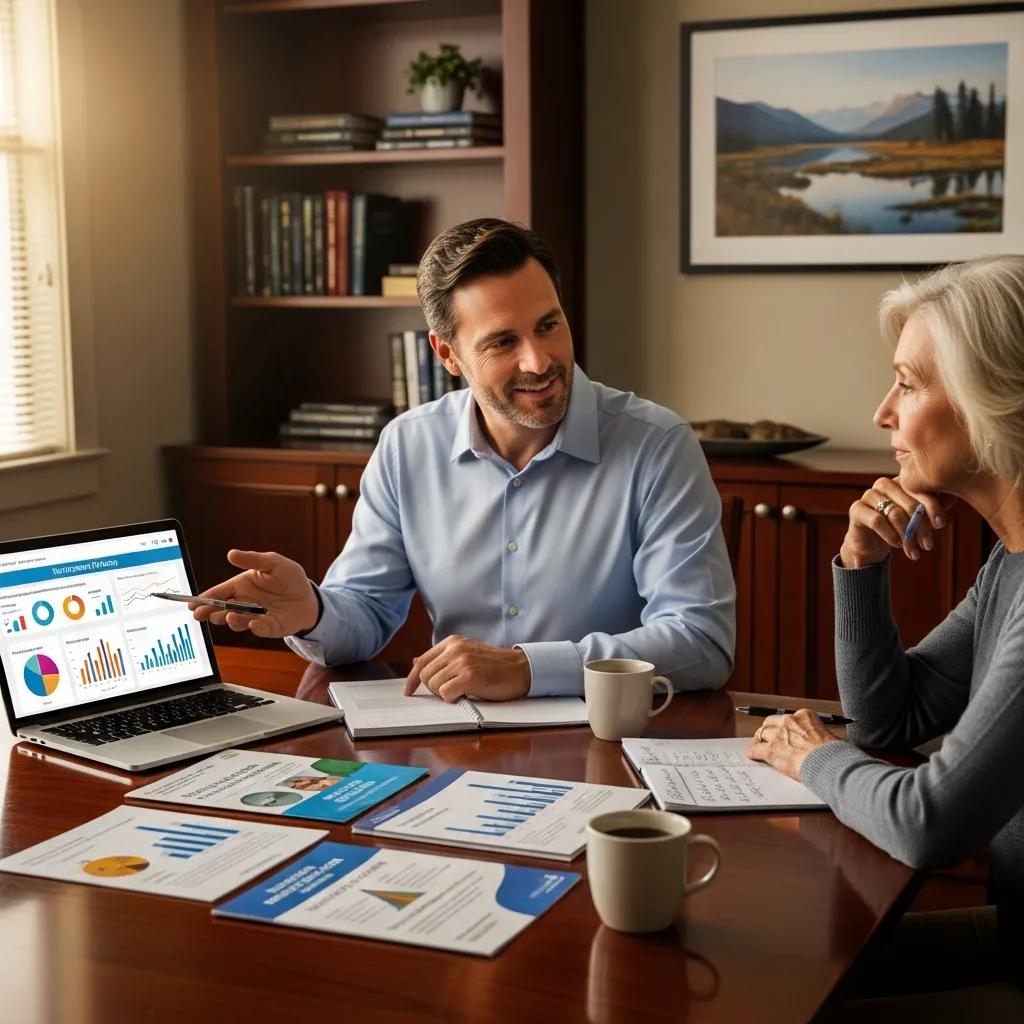
Key Services Provided by CFH Insurance Consultants
- Customized Benefits Plan Design: CFH works closely with employers to develop plans that reflect workforce demographics and company goals.
- Regulatory Compliance Support: They provide ongoing updates and audits to ensure plans meet all federal and state requirements.
- Cost Containment Strategies: CFH leverages analytics to identify savings opportunities and optimize plan funding.
- Employee Education and Communication: They create clear, engaging materials to maximize employee understanding and utilization of benefits.
- Vendor Coordination: CFH manages relationships with insurance carriers and third-party administrators to streamline benefits delivery.
Essential Compliance Expertise for Michigan Employers
Compliance is a cornerstone of effective benefits management. CFH Insurance Consultants help employers navigate complex regulations such as:
- Affordable Care Act (ACA): Ensuring proper reporting, coverage mandates, and affordability standards.
- ERISA: Maintaining plan documentation and fiduciary responsibilities.
- HIPAA: Protecting employee health information privacy.
- COBRA: Managing continuation coverage requirements.
- Michigan State Laws: Adhering to state-specific insurance and reporting rules.
By proactively addressing compliance, CFH minimizes legal risks and helps employers avoid costly penalties.
Advanced Cost Management Strategies for Sustainable Benefits
Effective cost management balances financial sustainability with employee satisfaction. CFH employs strategies such as:
- Data-Driven Analysis: Identifying high-cost claims and trends to target interventions.
- Plan Design Optimization: Introducing high-deductible health plans, tiered networks, and wellness incentives.
- Vendor Negotiations: Securing competitive rates and service agreements.
- Regular Plan Reviews: Continuously assessing cost-effectiveness and employee feedback.
Summary Table: Key Employee Benefits Consulting Strategies and Their Impact
Frequently Asked Questions (FAQ)
1. How often should I review and update my employee benefits plan?
It is recommended to review your benefits plan annually to ensure it remains competitive, compliant, and aligned with your workforce needs. Significant regulatory changes or shifts in employee demographics may warrant more frequent reviews.
2. What are the key compliance risks for Michigan employers offering benefits?
Key risks include failing to comply with ACA reporting requirements, mishandling COBRA or state continuation coverage, and not adhering to Michigan-specific laws such as PFML. Non-compliance can lead to substantial fines and legal exposure.
3. Can a benefits consultant help with employee communication during open enrollment?
Yes, benefits consultants often design communication strategies, create educational materials, and conduct enrollment sessions to help employees understand their options and make informed decisions.
4. How do benefits consultants help control healthcare costs?
Consultants analyze claims data to identify cost drivers, recommend plan design changes such as high-deductible health plans, negotiate with carriers for better rates, and implement wellness programs that promote healthier behaviors and reduce claims.
Michigan employers looking for the right consulting partner should also read our guide on what to look for in employee benefits consulting firms in Michigan. To understand the full broker relationship and how a broker differs from a consultant, see our overview of employee benefits brokers in Michigan. Employers wanting to benchmark their current benefits package before engaging a consultant can start with our group benefits benchmarking guide.
Ready to Upgrade Your Employee Benefits?
CFH Insurance Consultants works with Michigan businesses like yours to design smarter, more cost-effective benefits packages. Whether you’re exploring level-funded plans, HRAs, or group health alternatives, we’ll build a strategy around your team’s needs and your budget.
Schedule Your Free Benefits Consultation →
Conclusion: Building a Competitive Edge with Employee Benefits Consulting in Michigan
For Michigan employers, investing in employee benefits consulting is a strategic move that drives recruitment, retention, compliance, and cost efficiency. By partnering with experienced consultants like CFH Insurance Consultants, businesses can navigate the complexities of benefits management with confidence, ensuring their workforce is supported and their bottom line protected. Whether you are designing a new benefits program or optimizing an existing one, expert consulting is key to unlocking the full potential of your employee benefits strategy.
Ready to Work with a Michigan Benefits Consulting Team That Gets Mid-Market?
CFH Insurance Consultants works with Michigan employers to build benefits programs that are strategic, compliant, and competitive — without the enterprise price tag.
Let’s talk about what better benefits consulting looks like for your organization.
Book a Free Mid-Market Benefits Consultation →
Unhappy with your current broker? Switch to CFH. Your employees won’t notice. You will.
Related Guides
Service Areas
Employee benefits guidance for employers in every region of Michigan we serve.
Small Group Health Insurance Guide for Michigan Employers (2 to 50 Employees)
How small group health insurance works in Michigan and how to compare your options.
Employer Benefits Guides: Eligibility, Plan Design, Life Events and Rules
Our library of plain-English guides on eligibility, plan design and compliance.
Michigan Civil Rights Act and Employee Benefits: Employer Guide
How the Elliott-Larsen Civil Rights Act, including the 2024 additions for sexual orientation and gender identity, touches eligibility.
Blue Cross Complete of Michigan Medicaid
Blue Cross Complete of Michigan is Blue Cross’s Medicaid health plan. It is not an employer group plan.
Employee Benefits Strategy Consulting for Michigan
Employee benefits strategy for Michigan employers — multi-year plan design, funding decisions and renewal planning from CFH Insurance Consultants.
Employee Benefits Michigan Guide: A Complete Resource for Small & Mid-Sized Employers
A complete employee benefits guide for small and mid-size Michigan employers — what to offer, what it costs and what compliance requires.
