

the ultimate guide to ancillary benefits for michigan employers life disability and beyond
Optimizing Employee Benefits Design for Michigan Employers
By Andrew Henze, Marketing and PR Manager, CFH Insurance Consultants
Employee Benefits Design is a critical focus for Michigan employers aiming to attract and retain top talent while ensuring compliance with complex regulations. This comprehensive guide explores the essential elements of employee benefits Michigan programs, emphasizing how to create cost-effective benefits packages that align with both state and federal mandates. Employers will gain insights into designing group health plans, navigating Michigan employer mandates, and implementing effective benefits administration strategies. This article provides a detailed roadmap to help Michigan businesses optimize their employee benefits design for maximum impact and compliance.
Employee Benefits Design Strategies for Michigan Employers
Effective employee benefits design is vital for fostering a productive and satisfied workforce in Michigan. Employers must carefully consider Michigan-specific regulations and the unique needs of their employees when crafting benefits packages. A well-designed package includes group health plans, retirement options, and wellness initiatives, all tailored to comply with legal requirements and enhance employee satisfaction. By focusing on cost-effective benefits packages, Michigan employers can balance budget constraints with comprehensive coverage that supports employee well-being.
Understanding Michigan-Specific Employee Benefits Regulations
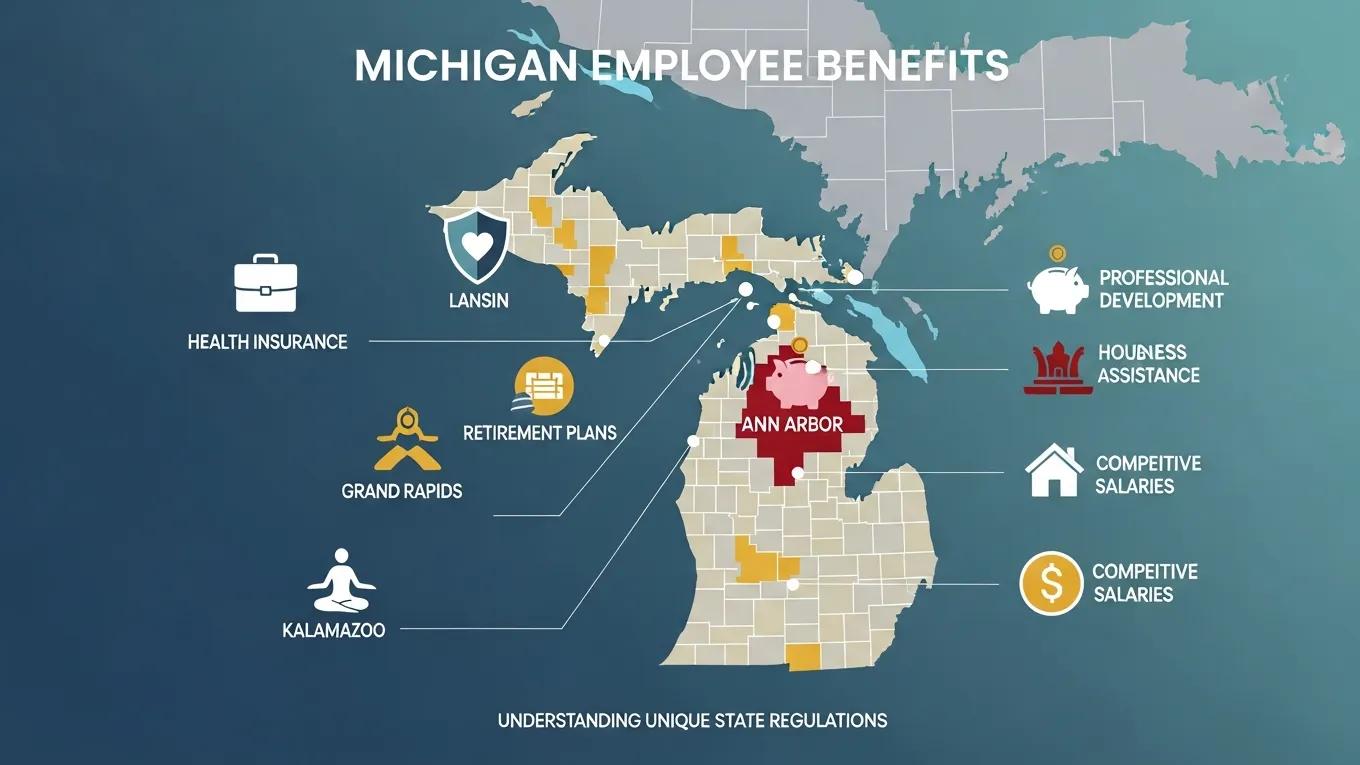
Michigan employers must comply with a range of regulations governing employee benefits. The Michigan Employer Mandate requires certain benefits to be provided to employees, ensuring equitable access to essential services. Additionally, non-discrimination rules mandate that benefits must be offered fairly across the workforce to avoid legal repercussions. Key federal regulations such as the Affordable Care Act (ACA) and the Employee Retirement Income Security Act (ERISA) further shape the landscape of employee benefits in the state. Understanding these compliance requirements is essential for effective benefits administration and risk management.
Strategies to Optimize Cost-Effective Benefits Packages
Creating cost-effective benefits packages involves strategic planning and a deep understanding of employee needs. Employers should conduct thorough assessments to design offerings that resonate with their workforce while managing expenses. Negotiating insurance rates and customizing group health plans are effective cost management strategies. Clear communication about available benefits enhances employee engagement and ensures that the value of the benefits package is fully realized. Leveraging technology and consulting services can further optimize benefits administration and cost control.
Compliance with State and Federal Regulations
Maintaining compliance with state and federal regulations is paramount for Michigan employers managing employee benefits. Regular compliance audits help identify potential issues early, while ongoing training for HR personnel ensures up-to-date knowledge of legal requirements. Engaging expert consulting services can provide valuable guidance on navigating the complexities of regulatory compliance, helping employers avoid costly penalties and maintain effective benefits administration.
Key Services to Look for in a Michigan Benefits Consultant
When selecting a benefits consultant, Michigan employers should prioritize services that enhance employee benefits design and compliance. Effective benefits plan design and customization are crucial for tailoring packages to meet diverse workforce needs. Regulatory compliance and risk management services ensure adherence to Michigan employer mandates and federal laws. Additionally, cost management and financial analysis services help identify savings opportunities through strategic plan design and vendor negotiations. Partnering with a knowledgeable consultant supports ongoing optimization of employee benefits Michigan programs.
Cost Containment Strategies
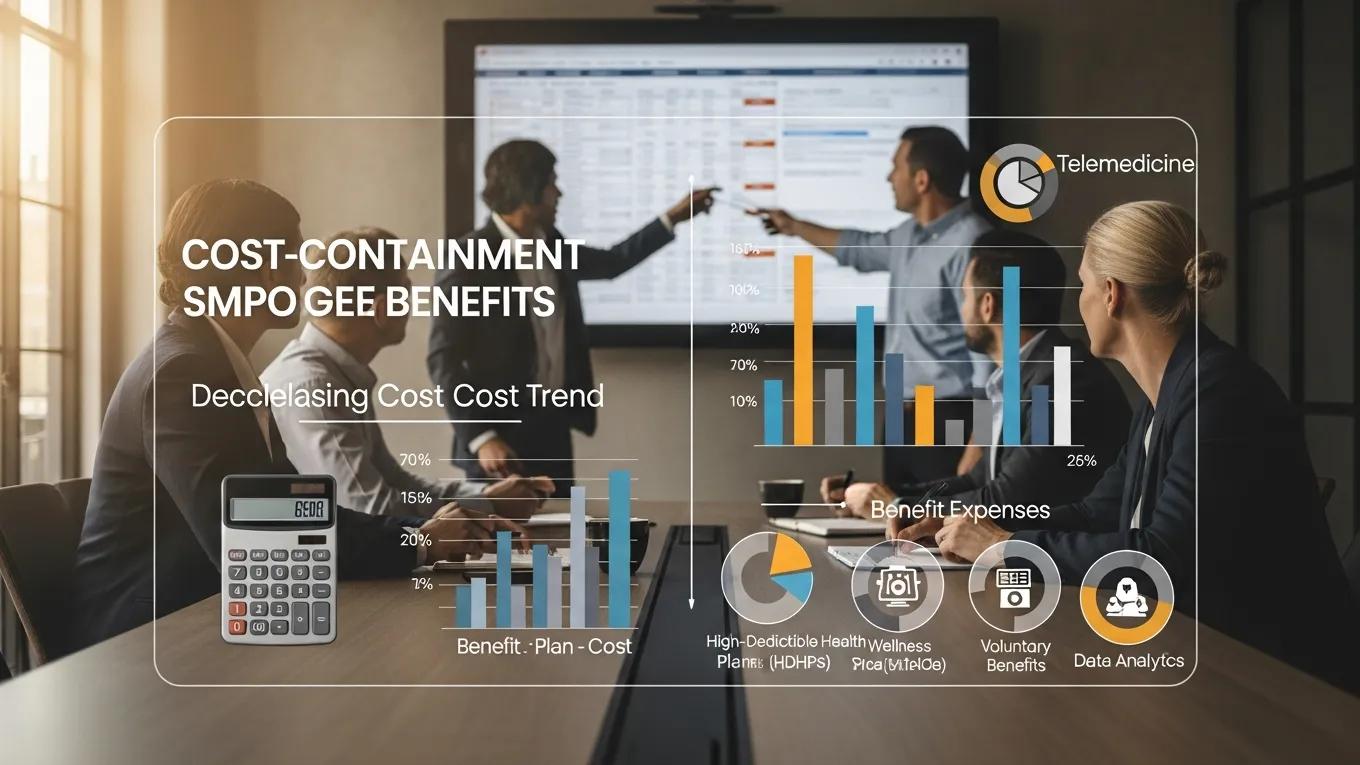
Employers can implement various cost containment strategies to manage expenses associated with employee benefits. Negotiating insurance rates with providers can lead to significant savings, while customizing benefits packages allows employers to avoid unnecessary costs. Utilizing technology, such as telemedicine and health management platforms, streamlines healthcare delivery and reduces expenses. These approaches benefit both employers and employees by maintaining high-quality coverage within budgetary limits.
Employee Wellness and Engagement Programs
Wellness programs are integral to employee benefits design, enhancing engagement and overall health. Initiatives promoting physical and mental well-being, such as fitness challenges and mental health resources, contribute to a more productive workforce. Regularly measuring program effectiveness ensures alignment with employee needs and supports a positive workplace culture. Integrating wellness programs into benefits administration can also contribute to cost-effective benefits packages by reducing healthcare claims.
Regular Review and Refresh of Benefits Packages
Conducting regular reviews of benefits packages is essential to maintain their relevance and effectiveness. Annual assessments allow employers to evaluate performance and gather employee feedback, identifying areas for improvement. This proactive approach ensures that employee benefits Michigan offerings evolve with changing workforce needs and market trends, supporting ongoing compliance and satisfaction.
Resources for Compliance and Benefits Information
Employers can access a variety of resources to stay informed about compliance and employee benefits Michigan information. Online platforms dedicated to health insurance regulations and industry news provide valuable insights into current requirements. Additionally, consulting with local health insurance brokers and benefits consultants offers personalized guidance tailored to specific organizational needs. Leveraging these resources supports effective benefits administration and regulatory compliance.
What Are the Essential Employee Benefits for Michigan Employers?
Essential employee benefits for Michigan employers encompass a range of offerings designed to support employee well-being and financial security. Key benefits typically include:
- Health Insurance: Group health plans are crucial for providing access to medical care and financial protection against high healthcare costs. For more information on group health plans, visit our group health insurance services page.
- Retirement Plans: Employers can offer 401(k) plans or pension plans, often with matching contributions to encourage employee participation.
- Disability and Life Insurance: Short-term and long-term disability insurance provides income replacement during periods of illness or injury.
These benefits not only comply with legal requirements but also enhance employee satisfaction and retention.
How to Build Cost-Effective Benefits Packages in Michigan Using HRAs
Health Reimbursement Arrangements (HRAs) are valuable tools for Michigan employers seeking to build cost-effective benefits packages. There are two primary types of HRAs:
- Qualified Small Employer Health Reimbursement Arrangement (QSEHRA): Designed for small employers with fewer than 50 full-time equivalent employees, allowing them to reimburse employees for individual health insurance premiums.
- Individual Coverage Health Reimbursement Arrangement (ICHRA): Available to employers of any size, providing more flexibility in how benefits are structured.
Employers benefit from tax-deductible contributions to HRAs, which can significantly reduce their overall tax burden. For detailed guidance on HRAs, explore our QSEHRA and ICHRA services.
What Are ICHRA and QSEHRA and How Do They Differ for Michigan Employers?
ICHRA and QSEHRA represent innovative approaches to employee health benefits, differing primarily in eligibility and structure.
- QSEHRA: Limited to small employers with fewer than 50 employees and cannot offer a group health plan.
- ICHRA: Available to employers of any size, with no restrictions on offering group health plans.
Understanding these differences enables Michigan employers to select the best option for their workforce, maximizing benefits while controlling costs.
Which Michigan Businesses Benefit Most from Level-Funded and Self-Funded Health Plans?
Level-funded and self-funded health plans offer advantages for Michigan businesses with stable employee populations and predictable healthcare costs. These plans allow employers to pay a fixed monthly amount while retaining potential savings if claims are lower than expected. Businesses with strong healthcare cost management capabilities and a clear understanding of employee health needs are well-positioned to benefit from these funding arrangements.
What Retirement and Financial Benefits Should Michigan Employers Offer?
Michigan employers should consider a variety of retirement and financial benefits to support employees’ long-term security. Key offerings include:
- 401(k) Plans: Popular options allowing employees to save for retirement with tax advantages.
- Voluntary Benefits: Options such as critical illness insurance, accident coverage, and additional life insurance enhance financial security.
- IRS Reporting Requirements: Employers must report health coverage information to the IRS annually, ensuring compliance with federal regulations.
These benefits help employees prepare for retirement and improve overall job satisfaction.
How Do 401 and Pension Plans Support Employee Financial Security in Michigan?
401(k) and pension plans are foundational to employee financial security in Michigan.
- 401(k) Plans: Enable employees to make pre-tax contributions, often with employer matching, significantly boosting retirement savings.
- Pension Plans: Provide guaranteed income based on salary and years of service, offering peace of mind regarding financial futures.
Employers focusing on financial wellness initiatives can further assist employees in understanding retirement options and planning securely.
What Roles Do FSAs and HSAs Play in Michigan Employee Benefits Packages?
Flexible Spending Accounts (FSAs) and Health Savings Accounts (HSAs) are key components of employee benefits Michigan packages.
- FSAs: Allow employees to set aside pre-tax dollars for eligible medical expenses, reducing taxable income.
- HSAs: Tax-advantaged accounts available to employees enrolled in qualified high-deductible health plans, offering unmatched flexibility as funds roll over indefinitely.
These accounts provide valuable tools for managing healthcare costs while maximizing tax benefits.
How Do Michigan Employers Ensure Compliance and Effective Benefits Administration?
Ensuring compliance and effective benefits administration is critical for Michigan employers.
- Understanding Legal Requirements: Employers must comply with ACA, Michigan employer mandates, and other laws to avoid penalties.
- Regular Compliance Audits: Periodic audits help identify potential compliance issues and ensure adherence to regulations.
Implementing these strategies supports smooth benefits administration and minimizes legal risks. For expert assistance, consider consulting our employee benefits administration services.
What Are Michigan-Specific ACA and COBRA Compliance Requirements?
Michigan employers must adhere to specific ACA and COBRA compliance requirements to provide necessary coverage.
- Continuation Coverage: Employers must offer continuation coverage to eligible employees after qualifying events, such as job loss or reduction in hours.
- Michigan Mini-COBRA: Applies to employers with fewer than 20 employees, mandating similar continuation coverage provisions.
Understanding these requirements is essential for maintaining compliance and supporting employees during transitions.
How Can Employers Efficiently Manage Benefits Administration and Cost Control?
Efficient benefits administration and cost control are vital for Michigan employers.
- Utilizing Technology: Digital tools streamline benefits administration, reducing administrative burdens.
- Cost Management Strategies: Wellness programs and preventive care initiatives help manage benefits expenses effectively.
Adopting these strategies enhances benefits administration and controls costs, benefiting both organizations and employees.
For further assistance with your employee benefits, consider reaching out to a Michigan benefits consultant.
Employee Benefits Design is a critical aspect for Michigan employers aiming to attract and retain talent. This comprehensive guide delves into the intricacies of employee benefits design, focusing on the unique regulations and strategies applicable to Michigan. Employers will learn how to create cost-effective benefits packages that not only comply with state and federal regulations but also meet the diverse needs of their workforce. The article will cover essential employee benefits, compliance requirements, and effective management strategies, ensuring that employers are well-equipped to navigate the complexities of employee benefits in Michigan.
One key aspect of employee benefits is group health insurance, which provides access to medical care and financial protection against high healthcare costs.
Many Michigan employers are also exploring innovative approaches to employee health benefits, such as QSEHRA and ICHRA, to maximize benefits and minimize costs.
In addition to health coverage, employers should also consider offering disability and life insurance to provide income replacement during periods of illness or injury.
For a comprehensive approach to employee well-being, Michigan employers should also consider offering employee benefits packages that include dental and vision coverage.

1 thought on “Employee Benefits Design: A Complete Guide for Michigan Employers to Optimize Packages and Compliance”
Comments are closed.