

By Andrew Henze, CFH Insurance Consultants
Employee retention is a critical concern for organizations in Michigan, especially in a competitive labor market. Companies are increasingly recognizing the importance of enhancing employee satisfaction and loyalty through innovative strategies. This article explores how voluntary benefits and Employee Assistance Programs (EAPs) can significantly contribute to boosting employee retention. By understanding the mechanisms behind these benefits, employers can create a supportive workplace culture that not only attracts talent but also retains it. We will delve into the definitions, benefits, and best practices for implementing these programs, providing a comprehensive overview of their impact on employee loyalty.
Voluntary Benefits
Voluntary benefits are additional perks offered by employers that employees can choose to enroll in, often at their own expense. These benefits typically include options like supplemental health insurance, life and disability insurance, and wellness programs. By providing a range of voluntary benefits, employers can cater to the diverse needs of their workforce, enhancing overall employee satisfaction. The availability of such benefits can lead to increased employee retention, as they demonstrate an employer’s commitment to supporting their employees’ well-being and financial security.
High-Impact Voluntary Benefits to Enhance Retention
Beyond the traditional offerings, several voluntary benefits have shown significant impact on employee loyalty and retention, including:
- Critical Illness Insurance: Provides lump-sum payments if an employee is diagnosed with a serious illness, helping to cover out-of-pocket expenses.
- Accident Insurance: Offers financial support for employees in case of accidental injuries, covering medical bills and recovery costs.
- Hospital Indemnity Insurance: Supplements income during hospital stays, alleviating financial stress associated with hospitalization.
- Pet Insurance: Supports employees in managing veterinary expenses, recognizing the importance of pets in employees’ lives.
- Legal and Identity Theft Protection: Provides access to legal services and protection against identity theft, offering peace of mind in everyday life.
Incorporating these benefits helps address a broad spectrum of employee needs, promoting loyalty by demonstrating comprehensive support.
Employee Assistance Programs (EAPs)

Employee Assistance Programs (EAPs) are designed to support employees facing personal or work-related challenges. These programs often provide confidential counseling services, mental health support, and resources for financial assistance. EAPs play a crucial role in promoting workplace well-being by addressing issues that may affect an employee’s performance and satisfaction. By integrating EAPs with voluntary benefits, employers can create a holistic approach to employee support, further enhancing retention rates.
Modern EAPs have evolved to include a wide range of supportive features, such as:
- Mental Health Counseling: Confidential sessions aimed at dealing with stress, anxiety, depression, and other mental health concerns.
- Financial Wellness Resources: Assistance with budgeting, debt management, and financial planning to reduce financial stress.
- Caregiver Support: Resources and counseling for employees balancing work with caregiving responsibilities for children, elders, or others.
Research highlights the critical role EAPs play in not only supporting employees but also in directly impacting job retention and preventing termination.
EAP’s Role in Job Retention & Preventing Termination
with the EAP as a last chance for job retention or being terminated is presented to the employee.
Benefits of mandatory EAP participation: A study of employees with last chance contracts, 1993
Best Practices for Implementation
Implementing voluntary benefits and EAPs effectively requires a strategic approach. Here are some best practices for employers to consider:
- Understanding Employee Needs: Conduct surveys or focus groups to identify the specific benefits that employees value most.
- Comprehensive Benefits Packages: Offer a variety of options to cater to different employee demographics and preferences.
- Effective Communication: Clearly communicate the available benefits and how employees can access them, ensuring that all staff are aware of their options.
- Annual Enrollment Strategies: Develop structured communication campaigns around annual enrollment periods, utilizing emails, webinars, and informational materials to increase participation and understanding.
By following these practices, employers can maximize the impact of their voluntary benefits and EAPs, leading to improved employee retention.
How Do Dental, Vision, and Life Insurance Enhance Employee Loyalty?
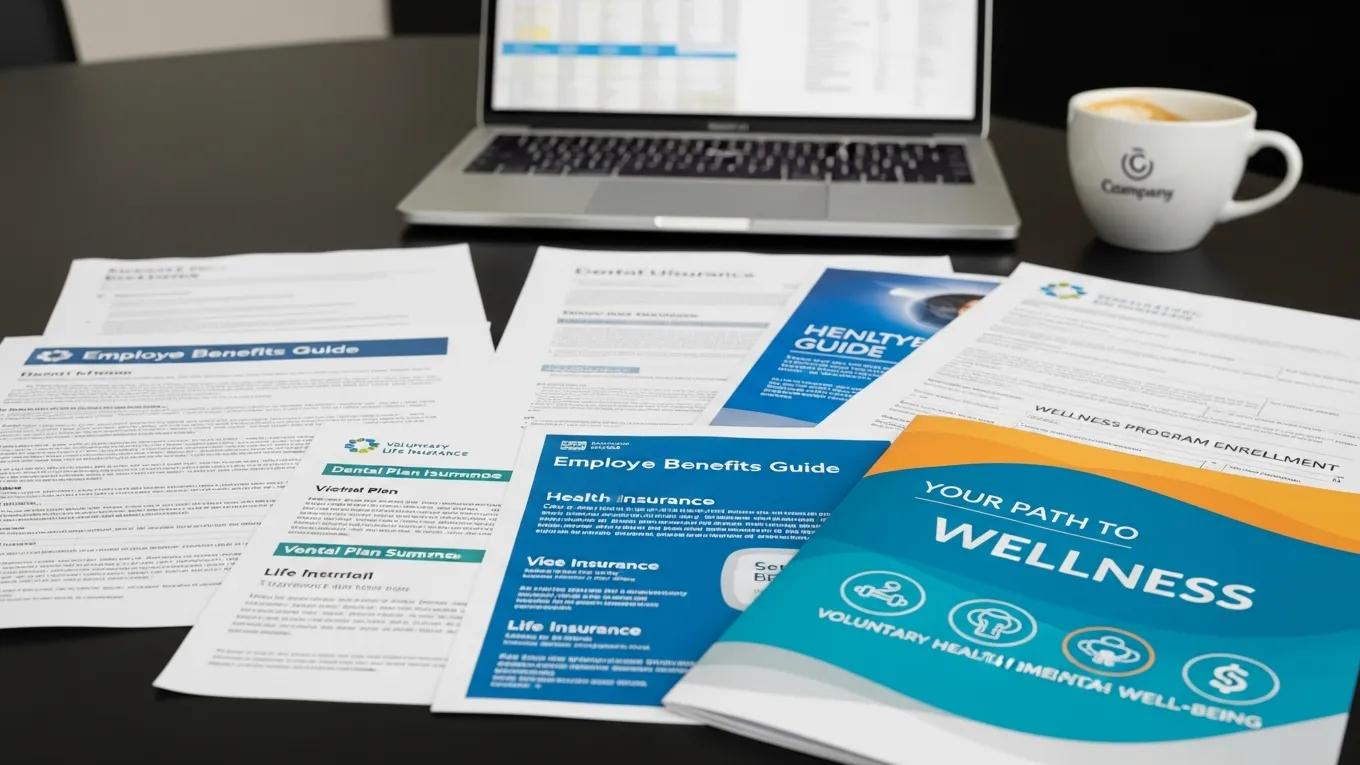
Dental, vision, and life insurance are essential components of voluntary benefits that can significantly enhance employee loyalty. These benefits provide employees with peace of mind regarding their health and financial security. When employees feel supported in their health needs, they are more likely to remain committed to their employer. Additionally, offering comprehensive insurance options can differentiate a company in a competitive job market, making it more attractive to potential hires.
What Role Do QSEHRA and ICHRA Play in Flexible Benefits?
Qualified Small Employer Health Reimbursement Arrangements (QSEHRA) and Individual Coverage Health Reimbursement Arrangements (ICHRA) are innovative solutions that allow employers to offer flexible benefits tailored to individual employee needs. These arrangements enable employees to choose their health insurance plans while receiving reimbursement for qualified medical expenses. By providing such flexibility, employers can enhance employee satisfaction and retention, as employees appreciate having control over their healthcare choices.
The strategic use of tax-preferred benefits, such as those offered through QSEHRA and ICHRA, is a key factor in enhancing employee retention.
Tax-Preferred Employee Benefits for Retention
employee benefits that permit pre-tax dollars to be set aside in a nominal or actual account that employees
The Pointless Proliferation Of Tax-Preferred Health Spending Arrangements, Part 1: The Landscape, 2025
For more information on these innovative solutions, consider exploring QSEHRA and ICHRA options.
How Do Employee Assistance Programs Support Workplace Wellbeing?
Employee Assistance Programs (EAPs) support workplace well-being by offering resources that help employees manage personal and professional challenges. These programs provide access to counseling services, stress management resources, and financial planning assistance. By addressing these issues proactively, EAPs can reduce absenteeism and improve overall employee morale, contributing to a healthier workplace environment.
Further research underscores the broad effectiveness of EAPs in addressing a wide array of workplace challenges, from remote work isolation to personal issues and organizational culture.
EAP Effectiveness & Workplace Challenges Impacting Staff
The findings of the research were that EAP are effective and at the time of the research, issues related to Covid-19 such as the effect of social restrictions, the isolation of remote working and the consequential problems with return to work, increases in social problems such as addiction and tension within the family unit were seen to be relevant, as were issues such as management practices and organisational culture.
The Efficacy of Employee Assistance Programs: Connecting HR & EAP Practitioners in the Irish Context, 2022
In What Ways Do EAPs Provide Mental Health Support?
EAPs provide mental health support through confidential counseling services that help employees cope with stress, anxiety, and other mental health issues. By offering access to trained professionals, EAPs empower employees to seek help when needed, fostering a culture of openness and support. This proactive approach to mental health can lead to increased productivity and job satisfaction, ultimately enhancing employee retention.
How Do EAPs Contribute to Increased Employee Satisfaction?
EAPs contribute to increased employee satisfaction by providing essential support during challenging times. When employees know they have access to resources that can help them navigate personal difficulties, they are more likely to feel valued and supported by their employer. This sense of security can lead to higher levels of engagement and loyalty, making EAPs a vital component of any employee retention strategy.
Retention ROI and Impact Data
Organizations investing in voluntary benefits and EAPs have demonstrated measurable returns on investment through improved retention and reduced costs associated with turnover. Recent 2023 statistics indicate that companies offering comprehensive voluntary benefits and robust EAPs experience turnover rates up to 25% lower than industry averages. Additionally, employee satisfaction scores and engagement metrics often show marked improvements following the introduction or expansion of these programs.
This comparison highlights how diverse voluntary benefits can significantly influence employee retention, emphasizing the importance of a well-rounded benefits package tailored to workforce needs.
Communication Strategies for Annual Enrollment
Effective communication is essential to ensure employees understand and take full advantage of voluntary benefits and EAP offerings. Strategies include:
- Multi-Channel Messaging: Utilize emails, intranet portals, webinars, and printed materials to reach employees with consistent information.
- Targeted Education: Offer Q&A sessions and personalized guidance to help employees select benefits aligned with their needs.
- Clear Enrollment Instructions: Provide straightforward, step-by-step directions for enrolling in benefits during open enrollment periods.
- Post-Enrollment Follow-up: Check-ins and reminders encourage participation and answer remaining questions.
By fostering transparency and engagement, employers can maximize participation and satisfaction with voluntary benefits and EAPs.
How Do Dental, Vision, and Life Insurance Enhance Employee Loyalty?
Dental, vision, and life insurance are essential components of voluntary benefits that can significantly enhance employee loyalty. These benefits provide employees with peace of mind regarding their health and financial security. When employees feel supported in their health needs, they are more likely to remain committed to their employer. Additionally, offering comprehensive insurance options can differentiate a company in a competitive job market, making it more attractive to potential hires.
What Role Do QSEHRA and ICHRA Play in Flexible Benefits?
Qualified Small Employer Health Reimbursement Arrangements (QSEHRA) and Individual Coverage Health Reimbursement Arrangements (ICHRA) are innovative solutions that allow employers to offer flexible benefits tailored to individual employee needs. These arrangements enable employees to choose their health insurance plans while receiving reimbursement for qualified medical expenses. By providing such flexibility, employers can enhance employee satisfaction and retention, as employees appreciate having control over their healthcare choices.
The strategic use of tax-preferred benefits, such as those offered through QSEHRA and ICHRA, is a key factor in enhancing employee retention.
Tax-Preferred Employee Benefits for Retention
employee benefits that permit pre-tax dollars to be set aside in a nominal or actual account that employees
The Pointless Proliferation Of Tax-Preferred Health Spending Arrangements, Part 1: The Landscape, 2025
For more information on these innovative solutions, consider exploring QSEHRA and ICHRA options.
How Do Employee Assistance Programs Support Workplace Wellbeing?
Employee Assistance Programs (EAPs) support workplace well-being by offering resources that help employees manage personal and professional challenges. These programs provide access to counseling services, stress management resources, and financial planning assistance. By addressing these issues proactively, EAPs can reduce absenteeism and improve overall employee morale, contributing to a healthier workplace environment.
Further research underscores the broad effectiveness of EAPs in addressing a wide array of workplace challenges, from remote work isolation to personal issues and organizational culture.
EAP Effectiveness & Workplace Challenges Impacting Staff
The findings of the research were that EAP are effective and at the time of the research, issues related to Covid-19 such as the effect of social restrictions, the isolation of remote working and the consequential problems with return to work, increases in social problems such as addiction and tension within the family unit were seen to be relevant, as were issues such as management practices and organisational culture.
The Efficacy of Employee Assistance Programs: Connecting HR & EAP Practitioners in the Irish Context, 2022
In What Ways Do EAPs Provide Mental Health Support?
EAPs provide mental health support through confidential counseling services that help employees cope with stress, anxiety, and other mental health issues. By offering access to trained professionals, EAPs empower employees to seek help when needed, fostering a culture of openness and support. This proactive approach to mental health can lead to increased productivity and job satisfaction, ultimately enhancing employee retention.
How Do EAPs Contribute to Increased Employee Satisfaction?
EAPs contribute to increased employee satisfaction by providing essential support during challenging times. When employees know they have access to resources that can help them navigate personal difficulties, they are more likely to feel valued and supported by their employer. This sense of security can lead to higher levels of engagement and loyalty, making EAPs a vital component of any employee retention strategy.
What Are the Key Workplace Satisfaction Strategies for Michigan Employers?
Michigan employers can implement several key strategies to enhance workplace satisfaction, including:
- Offering Competitive Compensation: Ensure that salaries and benefits are competitive within the industry.
- Fostering a Positive Work Environment: Create a culture of respect, collaboration, and recognition.
- Providing Opportunities for Growth: Encourage professional development through training and advancement opportunities.
By focusing on these strategies, employers can create a more satisfying workplace that encourages employee retention.
How Does Integrating Voluntary Benefits and EAPs Address Retention Challenges?
Integrating voluntary benefits and EAPs addresses retention challenges by providing a comprehensive support system for employees. When employees have access to a range of benefits that cater to their health, financial, and emotional needs, they are more likely to feel satisfied and engaged in their work. This holistic approach not only enhances employee well-being but also reduces turnover rates, making it a crucial strategy for employers looking to retain top talent.
Which Retention Incentives Are Most Effective in the Michigan Labor Market?
In the Michigan labor market, effective retention incentives include:
- Flexible Work Arrangements: Offering remote work options or flexible hours can significantly enhance job satisfaction.
- Comprehensive Benefits Packages: Providing a variety of benefits, including health insurance, retirement plans, and wellness programs, can attract and retain employees.
- Recognition Programs: Implementing programs that recognize and reward employee contributions can foster loyalty and commitment.
These incentives can help Michigan employers create a more attractive workplace, ultimately leading to improved employee retention.
How Can Michigan Employers Measure the Impact of Benefits on Employee Loyalty?
Michigan employers can measure the impact of benefits on employee loyalty through various methods, including:
- Employee Surveys: Regularly conducting surveys to gather feedback on benefits and overall job satisfaction.
- Retention Metrics: Analyzing turnover rates and the reasons behind employee departures.
- Engagement Scores: Monitoring employee engagement levels through performance reviews and feedback sessions.
By utilizing these measurement tools, employers can gain valuable insights into the effectiveness of their benefits programs and make necessary adjustments to enhance employee loyalty.
What Metrics Track Employee Retention and Satisfaction?
Key metrics to track employee retention and satisfaction include:
- Turnover Rate: The percentage of employees who leave the organization within a specific timeframe.
- Employee Engagement Scores: Metrics derived from surveys that assess employee satisfaction and commitment.
- Absenteeism Rates: The frequency of employee absences, which can indicate overall job satisfaction.
Monitoring these metrics allows employers to identify trends and make informed decisions to improve employee retention strategies.
How Do Recent 2023 Statistics Demonstrate Benefits ROI?
Recent statistics from 2023 indicate that organizations offering comprehensive voluntary benefits and EAPs experience a higher return on investment (ROI) in terms of employee retention. Companies that invest in these programs report lower turnover rates and increased employee satisfaction, leading to enhanced productivity and reduced hiring costs. This data underscores the importance of prioritizing employee benefits as a strategic approach to fostering a loyal and engaged workforce.
Different voluntary benefits impact employee retention in various ways, as illustrated in the following table:
This comparison highlights how different voluntary benefits can significantly influence employee retention, emphasizing the need for a diverse benefits package.
To learn more about comprehensive employee benefits, consider exploring available options.
In conclusion, enhancing employee retention in Michigan requires a strategic approach that incorporates voluntary benefits and EAPs. By understanding the needs of employees and implementing effective programs, employers can create a supportive workplace culture that fosters loyalty and satisfaction. The integration of these benefits not only addresses retention challenges but also contributes to a healthier and more engaged workforce.
For assistance with your group health insurance needs, feel free to reach out.
If you have any questions or need further assistance, contact us today.
Additionally, disability and life insurance options can provide added security for your employees.

2 thoughts on “Boosting Employee Retention in Michigan with Voluntary Benefits and EAPs: Effective Programs and Strategies”
Comments are closed.