

Group Health Insurance Plans in Sterling Heights, MI: Strategic Solutions for Industrial & Retail Employers Seeking Cost-Effective Employee Benefits and Compliance
By Andrew Henze, CFH Insurance Consultants
Navigating the multifaceted realm of group health insurance and employee benefits compliance presents a nuanced challenge for industrial and retail employers in Sterling Heights, MI. Understanding the right insurance plans, deploying strategic corporate wellness initiatives, and ensuring unwavering adherence to federal mandates such as the Affordable Care Act (ACA) and the Employee Retirement Income Security Act (ERISA) are paramount for local employers striving to deliver competitive, cost-efficient employee benefits packages. This comprehensive article delves deeply into group health insurance solutions, customized plan design strategies, and compliance imperatives tailored specifically for Sterling Heights businesses. It also emphasizes employee well-being enhancement through integrated corporate wellness programs and holistic benefits management.
Recognizing and effectively leveraging various health insurance models—such as Health Maintenance Organizations (HMOs), Preferred Provider Organizations (PPOs), and High Deductible Health Plans (HDHPs) paired with Health Savings Accounts (HSAs)—is critical for Sterling Heights employers looking to optimize benefit value, reduce health care costs, and improve workforce retention and productivity. This analysis accentuates the advantages of these insurance models, contextualized within Sterling Heights’ local business environment, while highlighting the indispensable nature of regulatory compliance, including ACA employer shared responsibility rules and ERISA fiduciary oversight, especially within industrial and retail sectors with diverse workforce demographics and employment arrangements.
Available Group Health Insurance Plans in Sterling Heights
Employers throughout Sterling Heights have access to a broad spectrum of group health insurance plans, meticulously designed to accommodate the heterogeneous needs of their employee populations and align with varied operational and financial objectives. Selecting the most appropriate group health insurance option requires a granular evaluation of comprehensive coverage offerings, cost-effectiveness, and stringent adherence to federal and state regulatory frameworks, including ACA’s essential health benefits standards and ERISA’s plan governance and fiduciary duty requirements.
Health Maintenance Organizations (HMOs)
HMOs operate on a managed care paradigm that prioritizes preventive health services and cost containment, resulting in lower premium expenses and predictable monthly outlays. Their emphasis on coordinated care through a closed network facilitates regular wellness check-ups, chronic disease management, and early intervention strategies, which bolster a healthier and more productive workforce. Sterling Heights employers adopting HMOs benefit from streamlined administrative workflows supporting compliance with ACA reporting standards—including Forms 1095-C and 1094-C—and ERISA plan documentation requisites, thereby minimizing fiduciary risk.
Preferred Provider Organizations (PPOs)
PPO plans afford employees enhanced freedom and flexibility by allowing access to healthcare providers both within and outside the network without requiring PCP referrals, a significant advantage for workers seeking specialist services or those with complex medical needs. While PPO premiums generally command a higher price point, they contribute to greater employee satisfaction and reduced attrition rates in Sterling Heights’ competitive labor markets. Effective management of PPO-based plans includes meticulous adherence to ACA coverage mandates and transparent, timely disclosures in line with ERISA standards, ensuring lawful operation and employee benefits consulting.
High Deductible Health Plans (HDHPs) with Health Savings Accounts (HSAs)
HDHPs continue to gain traction among Sterling Heights employers due to their favorable premium structures coupled with compatibility with HSAs, which permit employees to contribute pre-tax funds toward qualified healthcare expenses. This consumer-driven approach incentivizes cost-conscious health decisions and helps employers curb overall healthcare expenditures. Nonetheless, plan design must be calibrated carefully to meet ACA’s minimum value and affordability thresholds, while ERISA compliance is essential for the establishment, administration, and nondiscrimination testing of HSAs within a benefits program.
Cost-Effective Group Health Insurance Strategies for Sterling Heights Small and Medium Businesses
In Sterling Heights, small and medium-sized enterprises (SMEs) frequently face the dual pressures of tight budgets and the imperative to attract and retain skilled labor. Crafting cost-efficient group health insurance strategies necessitates thorough market analysis, smart utilization of tax benefits, and plans custom-tailored for regulatory compliance and employee demographics.
- Evaluating Average Premium Costs and Out-of-Pocket Limits: Comprehensive benchmarking against Sterling Heights and Michigan regional industry averages for premiums and maximum out-of-pocket expenses equips employers to construct competitive, financially sustainable health plans.
- Maximizing Tax Benefits and Deductions: Employer-paid health insurance premiums are deductible business expenses under federal tax codes. Furthermore, qualifying health benefit plans may render SMEs eligible for ACA tax credits and other state-specific financial incentives, alleviating cost burdens and freeing capital for other business initiatives.
- Leveraging Customized Plan Designs and Voluntary Benefits: Employers can fine-tune insurance offerings by integrating supplementary voluntary benefits such as dental, vision, short-term disability, and accident insurance. These add-ons not only amplify perceived employee value but also assist in meeting ERISA’s complex disclosure and reporting obligations, enhancing regulatory compliance and employee satisfaction.
Adopting these methodologies fosters sustainable group health insurance programs aligned with Sterling Heights businesses’ financial capacities, operational goals, and compliance imperatives.
Employee Benefits Tailored for the Industrial and Retail Workforce in Sterling Heights
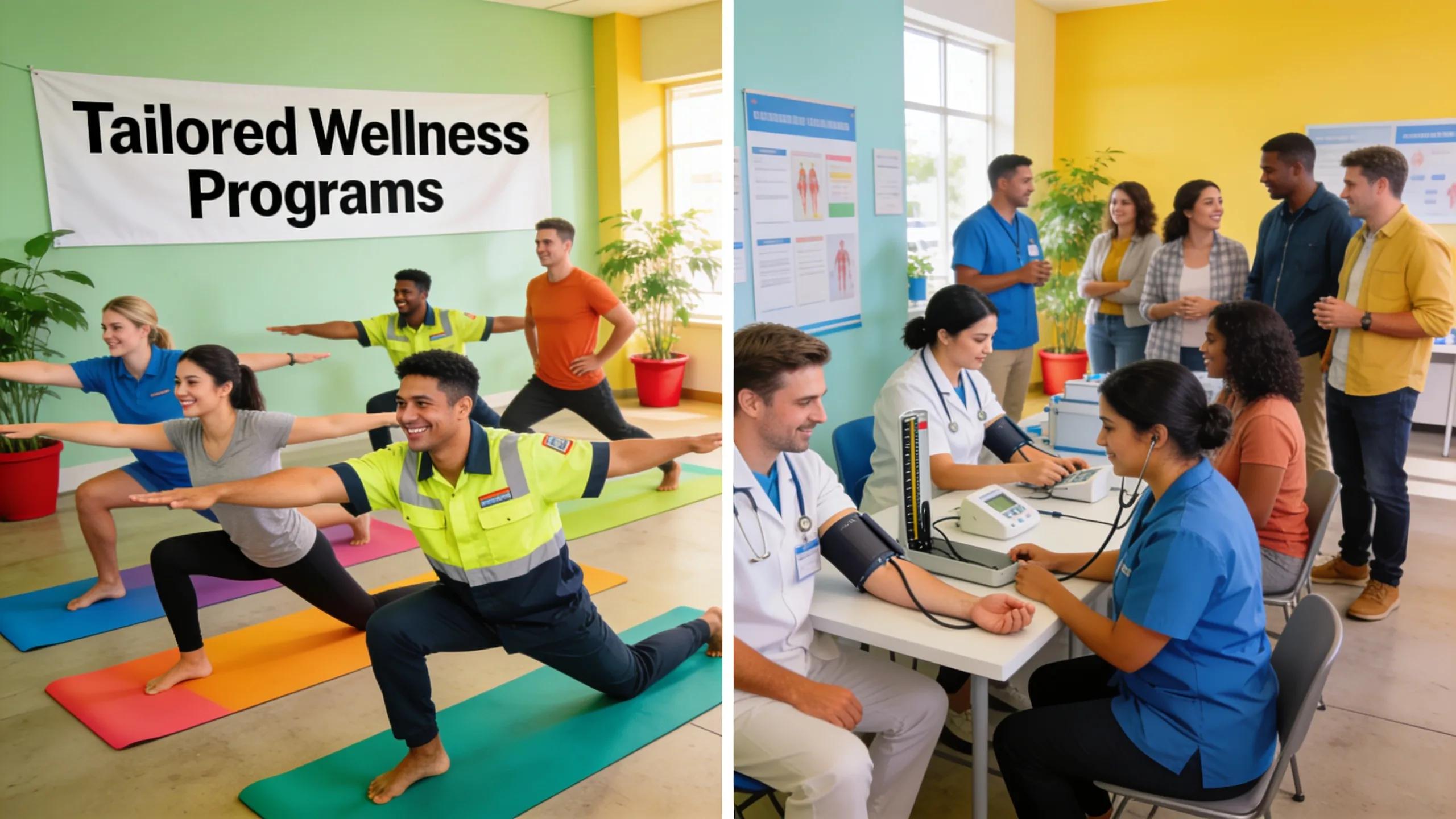
Crafting customized employee benefits packages that directly address the distinctive demands and occupational health risks intrinsic to Sterling Heights’ industrial and retail sectors markedly enhances employee engagement, job satisfaction, and productivity. Integrating comprehensive employee benefits consulting — encompassing health, dental, vision, disability, and life insurance — alongside robust corporate wellness programs is integral to fostering overall workforce well-being and operational efficiency.
- Comprehensive Multi-Tiered Coverage: Delivering integrated benefits packages that provide primary medical care, streamlined specialist access, and preventive healthcare aligns with ACA mandates for minimum essential coverage and supports risk mitigation across industrial and retail job profiles.
- Supplemental Benefits and Voluntary Options: Adding ancillary coverages such as short-term and long-term disability, accident insurance, and supplemental life policies mitigates financial exposure for employees, resulting in improved workforce security and morale.
- Integrated Employee Wellness Programs: Initiatives including biometric health screenings, subsidized fitness memberships, smoking cessation support, nutritional counseling, and mental health resources help reduce absenteeism, healthcare costs, and insurance claims, while aligning with ACA-compliant wellness program incentives.
By aligning benefits delivery with employee risk profiles, job demands, and demographic characteristics, Sterling Heights employers convey commitment as caring and competitive workplaces.
Key Compliance and Strategic Considerations for Sterling Heights Employers
Effective benefits plan design and implementation necessitate ongoing vigilance regarding complex federal and state regulatory landscapes to preclude costly penalties and maximize plan efficacy.
- Assessing Workforce Needs and Plan Affordability: Systematic evaluation of employee healthcare preferences, clinical risk stratification, and cost-sharing ability ensures equitable, accessible coverage that fosters optimal utilization and satisfaction.
- Regulatory Compliance with ACA and ERISA: Sterling Heights employers must ensure adherence to ACA employer mandate requirements, including accurate and timely 1095-C and 1094-C filings, while fulfilling ERISA fiduciary obligations encompassing prudent plan administration, participant disclosures, and plan document maintenance.
- State-Specific Health Insurance Regulations in Michigan: Local regulatory frameworks such as the Michigan Continuation of Coverage Act (MCCA), mental health parity laws, and insurance market standards require tailored compliance protocols, supporting legal adherence and sustained business operations.
Priority on these regulatory and strategic domains shields Sterling Heights employers from legal exposure and cultivates a foundation of employee trust and loyalty.
Top Group Health Insurance Plans for Sterling Heights Industrial and Retail Employers: Features and Benefits
Thorough vetting of group health insurance solutions requires a multidimensional approach evaluating affordability, coverage comprehensiveness, and relevance to sector-specific workforce demands.
- Competitive Premium Structures: Selecting plans that effectively balance premium costs and out-of-pocket expenses helps Sterling Heights employers control budgets while sustaining workforce health and morale.
- Extensive Provider Networks and Specialist Access: Ensuring access to local Sterling Heights healthcare providers and broader regional networks supports employee healthcare utilization, specialist referral needs, and overall benefits satisfaction.
- Plans Tailored to Industrial and Retail Sector Needs: Customized offerings addressing workplace hazards, shift scheduling constraints, and proactive wellness integrations serve to reduce occupational illness and injury-related absences.
Incorporating actuarial insights, vendor evaluations, and employee feedback optimizes plan selection and long-term benefits success.
Benefits of Customized Group Health Insurance Plans for Small to Medium Enterprises (SMEs) in Sterling Heights

Customized group health insurance plans empower Sterling Heights SMEs to harmonize benefit offerings precisely with operational budgets and workforce needs, maximizing value and competitive advantage.
- Targeted Cost Management: SMEs can selectively design plan features and employer contribution strategies that align with constrained financial resources while maintaining robust, compliant coverage.
- Enhanced Recruitment and Retention: Tailored benefits packages enhance employer branding and appeal, critical to attracting and retaining skilled talent within Sterling Heights’ labor market dynamics.
- Increased Employee Engagement and Workplace Satisfaction: Personalized benefit solutions cultivate a culture of value and support that reduces staff turnover and lifts workforce morale and productivity.
Such strategic benefits frameworks sustain business growth and compliance while adapting fluidly to evolving healthcare landscapes.
Typical Coverage Options in Group Health Insurance Plans: Integrating Health, Dental, Vision, Disability, and Life Insurance
Group health plans routinely encompass a diverse suite of coverage components designed to provide employees with holistic protection and wellness benefits. Key components include:
- Health Insurance: Comprehensive medical coverage spans hospitalization, physician consultations, prescription medications, mental health services, and preventive care aligned with ACA essential health benefit standards.
- Dental Insurance: Coverage for routine dental cleanings, restorative work, and orthodontic treatments promotes oral health and reduces broader health risks.
- Vision Insurance: Support for eye exams, corrective lenses, frames, and specialty procedures contributes to overall health and job performance.
- Disability Insurance: Income replacement plans safeguard employees during illness or workplace injury, particularly important in Sterling Heights’ industrial environments with heightened occupational risks.
- Life Insurance: Provides financial security to beneficiaries, often as basic employer-funded coverage supplemented by voluntary additional policies, enhancing peace of mind for employees.
Integrating these layered coverages ensures Sterling Heights employers meet diverse employee healthcare needs within a compliant, competitive benefits offering.
Supporting Sterling Heights Employers with Flexible Health Reimbursement Arrangements: QSEHRA and ICHRA
Innovative Health Reimbursement Arrangements (HRAs), including Qualified Small Employer Health Reimbursement Arrangements (QSEHRA) and Individual Coverage Health Reimbursement Arrangements (ICHRA), enable Sterling Heights employers to subsidize employee health insurance costs while achieving greater budget control and regulatory compliance.
These HRAs empower employees to select individual market health plans best suited to their personal medical needs, pairing employer reimbursements with tax advantages and maximum flexibility for both parties.
Employers utilizing QSEHRA and ICHRA benefit from the ability to customize reimbursement amounts by employee group classification, ensuring adherence to nondiscrimination rules and ACA affordability standards, further boosting employee choice and satisfaction.
How QSEHRA and ICHRA Facilitate Strategic Benefits for Industrial and Retail Employers
These arrangements provide Sterling Heights industrial and retail employers with adaptable, legally compliant options for health benefits financing:
- QSEHRA: Specifically designed for small employers (<50 full-time employees) who do not offer group health insurance plans, allowing tax-free employee reimbursements capped at IRS-defined limits to help cover individual market health insurance premiums and qualified medical expenses.
- ICHRA: Available to employers of all sizes, ICHRA permits tailored reimbursement amounts based on defined employee classes, facilitating precise cost forecasting and compliance with ACA and IRS regulations.
Both approaches nurture dynamic, employee-centric benefits strategies aligned with Sterling Heights industrial and retail operational realities.
Eligibility Criteria and Cost Advantages: Comparing QSEHRA and ICHRA for Sterling Heights Businesses
Accurate understanding of eligibility criteria and associated cost benefits is vital for appropriate deployment:
- QSEHRA Eligibility: Available to small businesses that do not provide group health coverage; reimbursements are subject to annual IRS limits and administrative simplicity, enhancing budgeting predictability.
- ICHRA Eligibility: Open to employers regardless of size, provided reimbursements are offered based on bona fide employee classes; this flexibility supports enhanced cost management and compliance strategies.
Choosing between these arrangements requires detailed workforce analysis, financial forecasting, and compliance alignment with nondiscrimination standards and employer mandates.
Why Offer Tailored Employee Benefits Packages? Strategic Importance for Sterling Heights Employers
Delivering customized benefits packages is integral to organizational competitiveness, workforce stability, and legal compliance within Sterling Heights’ dynamic industrial and retail markets:
- Enhancing Employee Retention and Loyalty: Tailored benefits effectively address diverse employee needs, reducing turnover and the substantial recruitment and training expenses associated with high attrition.
- Improving Workforce Morale and Productivity: Benefits designed around employee preferences and occupational specifics elevate job satisfaction and foster a resilient, motivated workplace culture.
These strategic investments underpin long-term organizational health and growth trajectories.
Ancillary Benefits Most Valued by Industrial and Retail Workforces in Sterling Heights
Within Sterling Heights’ competitive industrial and retail landscapes, certain ancillary benefits demonstrably enhance employee experience and business outcomes:
- Comprehensive Wellness Programs: Holistic initiatives encompassing physical fitness, nutrition counseling, mental health resources, and stress reduction yield lower healthcare expenditures and improved engagement.
- Flexible Spending Accounts (FSAs): Tax-advantaged accounts enabling employees to allocate pre-tax earnings toward eligible medical and dependent care expenses improve financial security and effective use of healthcare benefits.
- Enhanced Life and Disability Insurance Offerings: Beyond basic coverage, expanded life and disability options provide additional financial protection, reinforcing employer commitment to workforce security.
Employment of these benefits supports ACA wellness incentives and contributes to a comprehensive, compelling employee value proposition.
Impact of Comprehensive Benefits on Employee Retention and Cost Efficiency
Comprehensive benefits programs generate strategic advantages extending beyond recruitment:
- Reducing Turnover-Related Costs: Given that turnover expenses commonly exceed 20% of an employee’s annual salary, robust benefits packages lower churn and diminish costly hiring and onboarding activities.
- Boosting Employee Satisfaction and Loyalty: Workers with access to diverse, high-quality benefits consistently report elevated job satisfaction levels, translating into improved productivity and enhanced institutional knowledge retention.
Viewing benefits as strategic long-term investments fosters Sterling Heights employers’ competitive positioning and business resilience.
Examples of Successful Group Health Insurance Implementations in Sterling Heights Employers
Practical case studies exemplify the tangible benefits of strategic group health insurance planning:
- Manufacturing Firm: Implemented an HMO-centric health plan augmented by integrated wellness incentives, achieving a 15% year-over-year reduction in health-related absenteeism and measurable gains in employee health engagement.
- Retail Employer: Shifted to a PPO plan to expand provider choice and incorporated supplemental voluntary benefits, culminating in a 20% decrease in staff turnover and increased participation rates in employer-sponsored benefits.
Such outcomes attest to the efficacy of well-crafted insurance and benefits strategies.
How Small Businesses in Sterling Heights Optimize Employee Coverage via CFHIC Solutions
CFHIC specializes in collaborating with Sterling Heights small and medium businesses to formulate customized employee benefits solutions attuned to the region’s unique market and workforce attributes. Through detailed needs analyses and strategic partnerships with local healthcare providers and insurance carriers, CFHIC ensures competitive plan pricing, regulatory compliance, and benefits that resonate with employee expectations.
Clients benefit from continuous regulatory updates, employee education programs aimed at optimizing plan utilization and health literacy, and the seamless integration of wellness and ancillary benefits that elevate overall compensation offerings. Sterling Heights employers interested in bespoke plan development or consultation are encouraged to contact CFHIC directly.
Effective Cost Containment Strategies in Sterling Heights’ Industrial and Retail Sectors
Maintaining quality employee benefits while controlling costs is a priority managed through a suite of proven tactics:
- Corporate Wellness Initiatives: Emphasizing preventive care, biometric screenings, and chronic disease management reduces expensive claims and increases workforce health and productivity metrics.
- Supplier and Vendor Negotiations: Proactive engagement and competitive bidding with insurance carriers and benefits providers optimize plan pricing structures and service quality.
- Employee Education and Engagement: Transparent communication strategies improve understanding of benefits, promote appropriate healthcare utilization, and help avoid unnecessary outlays.
Robust application of these integrated strategies ensures Sterling Heights employers maintain competitive, fully compliant, and financially sustainable employee benefits programs that support long-term business success.