Employee Benefits Consulting in Dearborn, MI: Group Health Plans for Corporate & Automotive Employers
By Andrew Henze, CFH Insurance Consultants
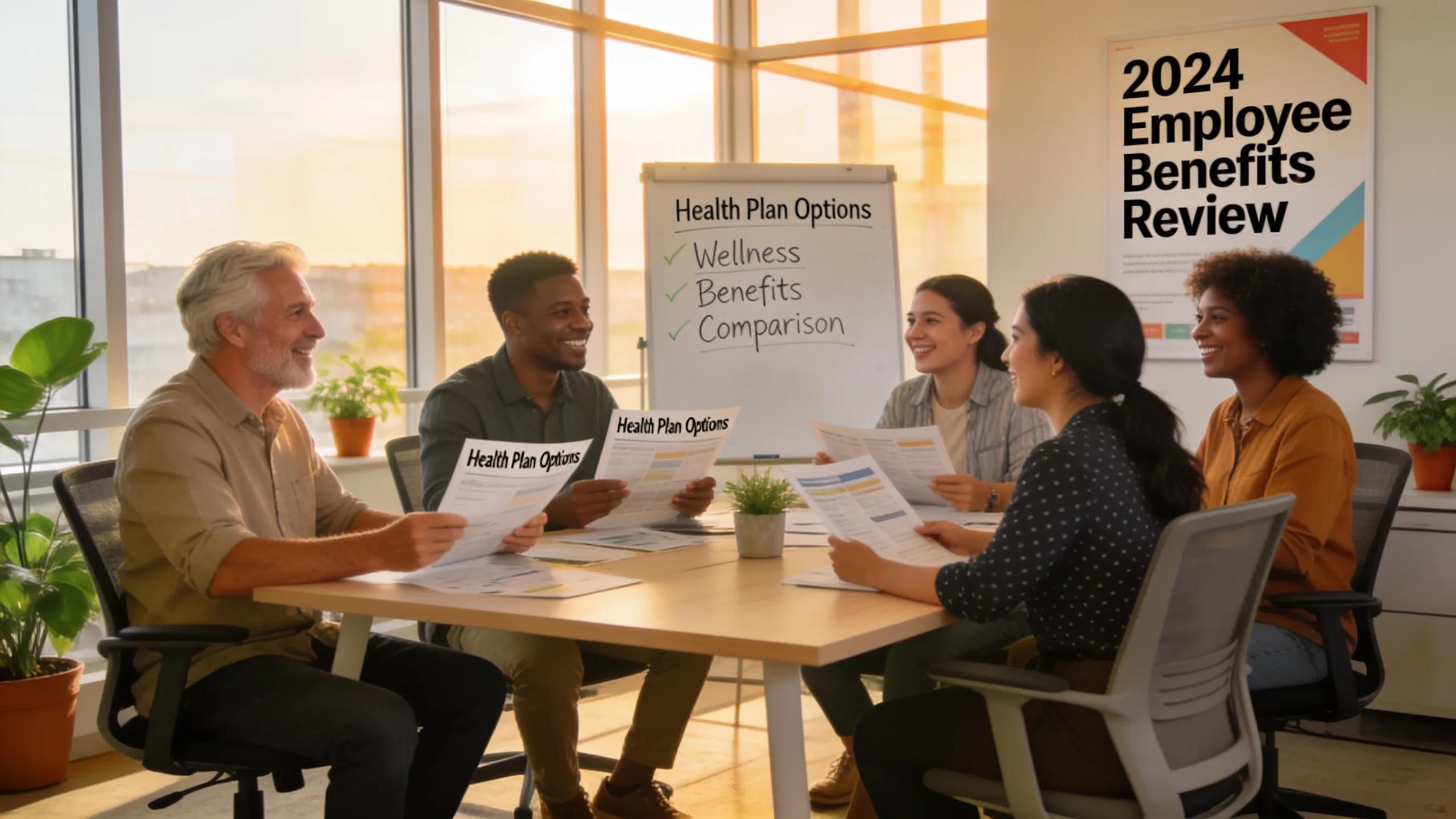
Employee benefits remain a strategic imperative for corporate and automotive employers in Dearborn, MI, seeking to attract, motivate, and retain top talent within a highly competitive regional economy. Designing robust group health insurance and comprehensive employee wellness programs tailored to the local workforce dynamics is central to fostering employee engagement and ensuring regulatory compliance under frameworks such as the Affordable Care Act (ACA) and the Employee Retirement Income Security Act (ERISA). This article delves deeply into group health plan structures, cost management, compliance responsibilities, and the layered employee benefits ecosystem, all contextualized within Dearborn’s vibrant corporate and automotive sectors. Additionally, we discuss sophisticated reimbursement arrangements like Qualified Small Employer Health Reimbursement Arrangement (QSEHRA) and Individual Coverage Health Reimbursement Arrangement (ICHRA) that empower employers to customize benefits in alignment with evolving business needs and workforce expectations.
Types of Group Health Plans
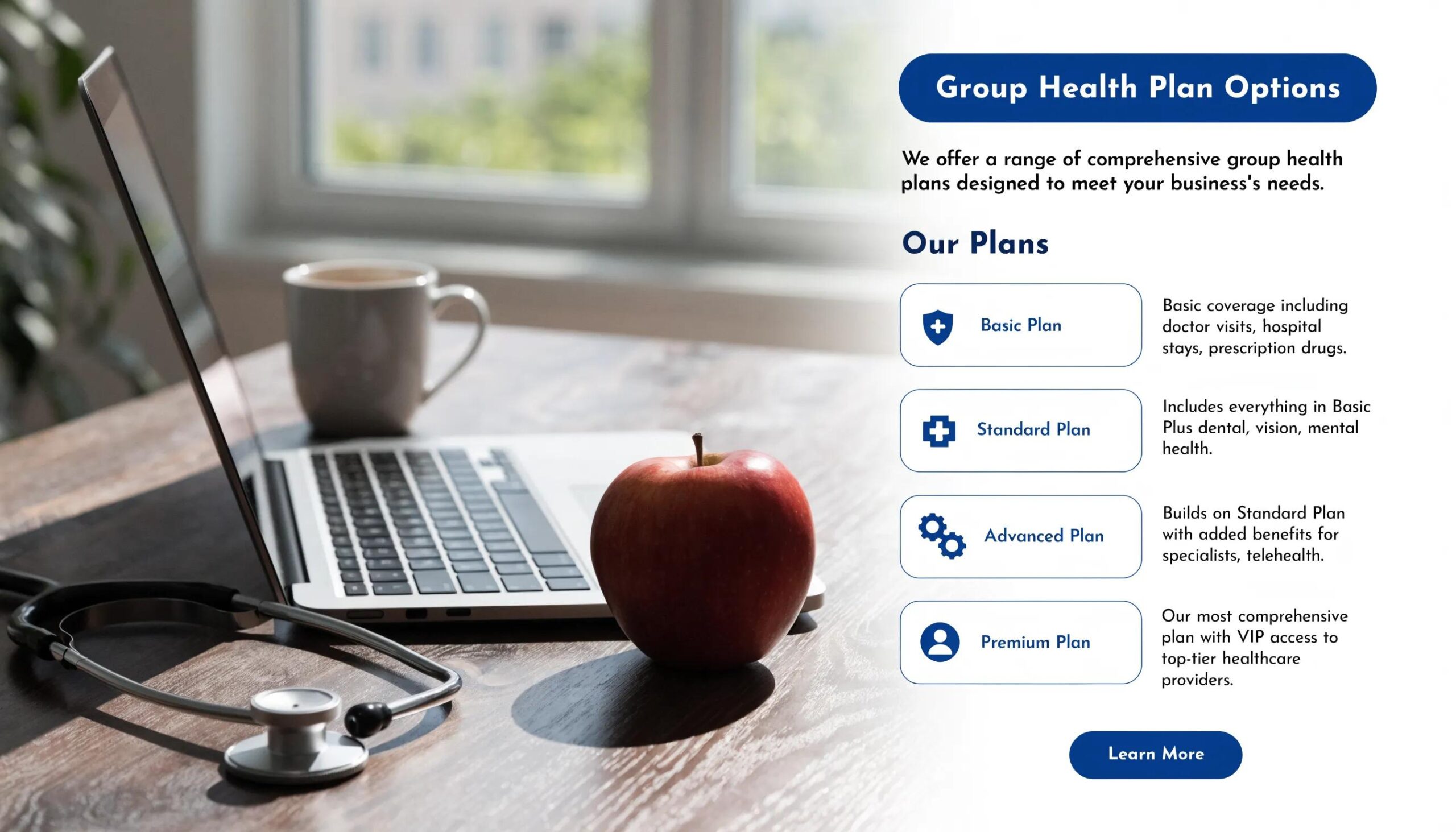
In the context of Dearborn’s diverse employer landscape, offering a variety of group health insurance plans is essential to meet employee demographic preferences and occupational health requirements, especially within the automotive manufacturing and corporate office environments. Key plan types include:
- Health Maintenance Organizations (HMOs): These emphasize cost-effective preventive care and coordinated services via a designated primary care physician, suiting employers focused on managing routine health costs.
- Preferred Provider Organizations (PPOs): These offer flexible provider networks, appealing to employees seeking broader healthcare choices and access to specialist care without referrals.
- High Deductible Health Plans (HDHPs) paired with Health Savings Accounts (HSAs): Popular for balancing premium affordability with employee-controlled savings for medical expenses, especially attractive in cost-sensitive sectors.
- Level-Funded Plans: These hybrid health plans combine self-funding benefits with predictable monthly payments, ideal for mid-sized employers looking to optimize risk management amidst varying claims across their workforce.
Sector-Specific Solutions for the Automotive Industry
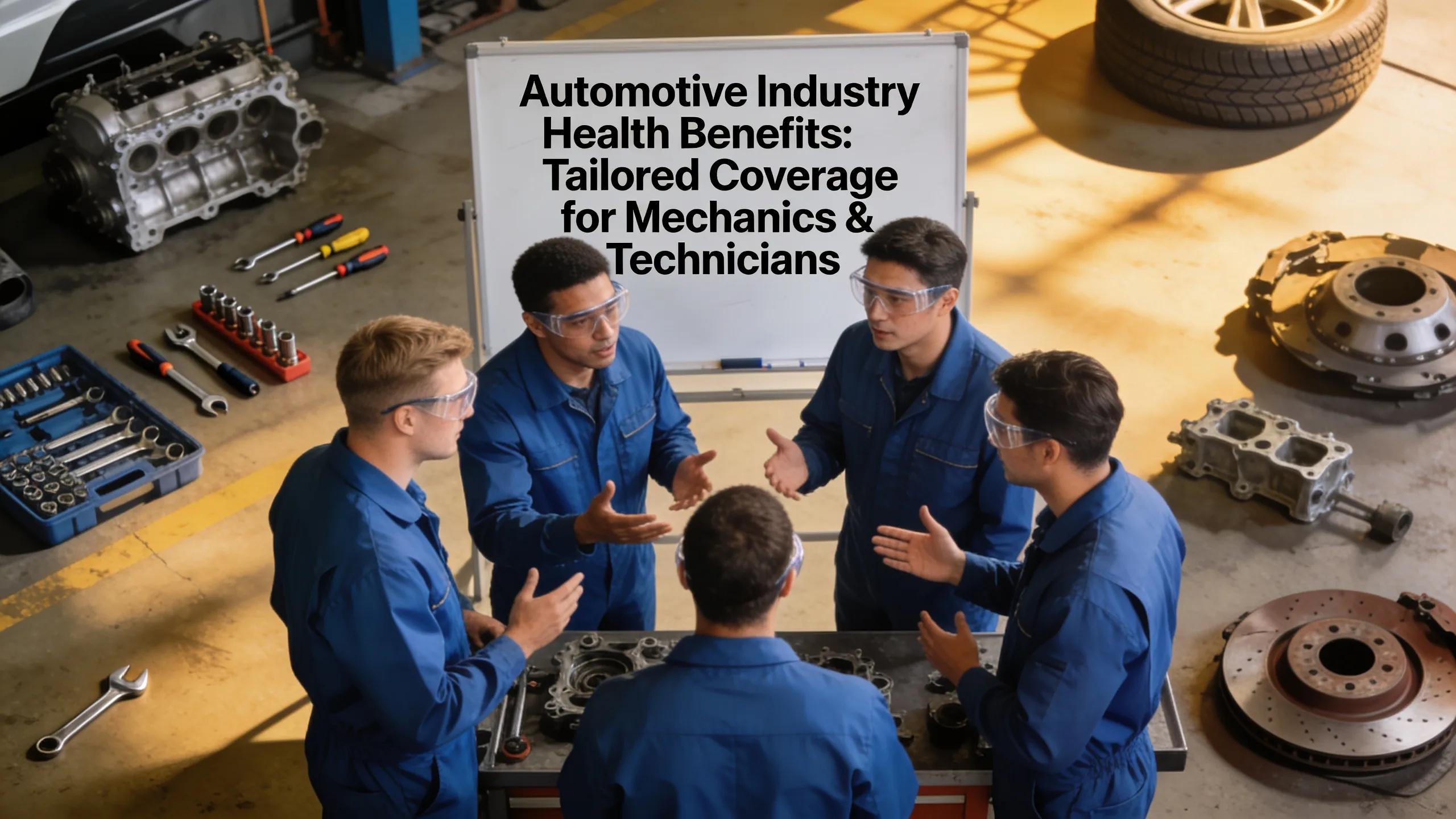
The automotive sector in Dearborn, MI, characterized by a blend of manufacturing, engineering, and administrative roles, demands specialized employee benefits strategies. Employers often design customized health plans addressing occupational hazards, ergonomic support, and mental health resources that mitigate the physically demanding nature of manufacturing work. Incorporating industry-specific wellness programs, injury prevention initiatives, and flexible health reimbursement arrangements enriches the benefits offering, supporting recruitment and retention efforts in a sector facing skilled labor shortages.
Costs
Effectively managing the financial aspects of group health plans is critical for Dearborn employers maneuvering fluctuating healthcare costs, regional healthcare inflation, and employee healthcare utilization trends. Strategic cost management involves analyzing premium structures, out-of-pocket costs, and the balance of employer and employee contributions, with an eye on minimizing the total cost of risk while enhancing employee value perception.
Factors Affecting Costs
- Coverage Level: Enhanced plan benefits correlate with increased premiums, necessitating careful calibration to employee needs and organizational budget.
- Employer Contribution: Determining a competitive yet sustainable share of premium coverage influences workforce satisfaction, impacting turnover and productivity.
- Workforce Health: Proactive wellness programs and chronic condition management foster a healthier employee base, ultimately driving down claims-related costs and premium adjustments over time.
Employer Responsibilities
Employers in Dearborn must maintain vigilant compliance with federal and Michigan state regulations governing employee benefits, particularly under the Affordable Care Act (ACA) mandate and ERISA requirements. Ensuring that group health plans provide minimum essential coverage and meet affordability criteria is paramount to avoid costly penalties. Additionally, ERISA compliance mandates proper plan documentation, fiduciary duties enforcement, and transparent disclosure practices, reinforcing employees’ trust in their health benefits.
Regular plan audits, proactive communication strategies, and employee education initiatives facilitate adherence to evolving health laws and support workforce engagement.
ACA Compliance and Employer Health Insurance Mandates
The Affordable Care Act mandates that employers with 50 or more full-time equivalent employees offer “affordable” health insurance to those working 30 or more hours weekly. Non-compliance can result in significant penalties, while employers sometimes adjust work hours to sidestep mandate thresholds. Empirical analyses, such as those in
Effects of the Affordable Care Act on part-time employment: Early evidence, M Dillender, 2022, illustrate the law’s impact on part-time labor dynamics and emphasize the need for strategic workforce planning.
Compliance and Review Obligations
- Regulatory Adherence: Employers must stay abreast of federal and Michigan regulatory updates affecting healthcare coverage, including IRS, Department of Labor, and state insurance mandates.
- Regular Reviews: Systematic evaluation of health plans ensures continuous compliance, cost-efficiency, and alignment with employee needs and market trends.
- Employee Engagement: Facilitating open forums, benefit fairs, and educational materials empowers employees to optimize plan utilization and fosters a culture of health and transparency.
Employee Benefits
Beyond offering essential healthcare coverage, group health insurance plans form a foundational component of holistic employee benefits designed to enhance well-being, reduce absenteeism, and increase engagement. Supplementary benefits including dental, vision, mental health support, and wellness initiatives integrate to create comprehensive value propositions that resonate within Dearborn’s corporate and automotive workforce.
Importance of Additional Benefits
- Access to Healthcare: Broad coverage ensures seamless access to preventive, acute, and chronic care, reducing long-term health risks and fostering workforce resilience.
- Productivity Impact: Well-structured benefits correlate directly with higher employee morale, satisfaction, and output, underpinning organizational performance.
- Variety of Options: Offering diverse ancillary benefits distinguishes employers competitively and supports diverse employee preferences and family needs.
What group health insurance plans are best for corporate employers in Dearborn?
Dearborn’s corporate employers should prioritize flexible and comprehensive health insurance solutions that accommodate a heterogeneous employee base, incorporating various age groups, family structures, and health statuses. Preferred Provider Organizations (PPOs) consistently rank high due to their balance of cost control and consumer choice, whereas high deductible health plans paired with health savings accounts appeal to cost-conscious segments aiming for greater financial engagement in healthcare decisions. Leveraging group health insurance plans that integrate wellness incentives and chronic condition support aligns with strategic workforce health management.
Group health insurance offerings tailored to corporate employers combine regulatory compliance with employee-centric design to optimize organizational outcomes.
Customization Benefits for Corporate Employers
- Cost Management: Customized plans facilitate precise budgeting, minimizing unexpected expenditures while maintaining benefit quality.
- Employee Satisfaction Metrics: Involving employees in benefit selection processes through surveys and focus groups can enhance satisfaction and retention.
- Compliance Benefits: Tailored plans simplify adherence to ACA and ERISA provisions, mitigating legal risks and aligning with corporate governance best practices.
Essential Coverage Options
- Preventive Care Services: Routine screenings, immunizations, and wellness visits help maintain employee health and reduce downstream medical costs.
- Chronic Disease Management Programs: Specialized support for conditions like diabetes, hypertension, or heart disease improves quality of life and lowers claims.
- Mental Health Coverage: Integrating access to counseling, therapy, and employee assistance programs underscores organizational commitment to holistic health.
What are QSEHRA and ICHRA health reimbursement arrangements for Dearborn employers?
Qualified Small Employer Health Reimbursement Arrangements (QSEHRA) and Individual Coverage Health Reimbursement Arrangements (ICHRA) represent innovative, employer-funded benefit options that offer flexibility and control over healthcare spending. QSEHRA allows small businesses to reimburse employees tax-free for individual health insurance premiums and qualified medical expenses, fostering affordability and choice. ICHRA expands this model to employers of any size, enabling customized reimbursement levels aligned with employee classes, thus supporting varied workforce needs and optimizing benefits budgets. For a detailed exploration of QSEHRA and ICHRA, employers can consult specialized resources.
Differences Between QSEHRA and ICHRA
- Eligibility: QSEHRA is limited to employers with fewer than 50 full-time equivalent employees; ICHRA is available to all employers regardless of size.
- Reimbursement Structures: ICHRA allows broader reimbursement flexibility, including for premiums and qualified expenses, often improving employee choice.
- Customization: ICHRA supports differentiated benefits across employee categories, fostering equity and strategic alignment with organizational demographics.
Which supplemental benefits should Dearborn employers consider beyond health plans?
To augment core health benefits and reinforce employee financial security, Dearborn employers should consider integrating supplemental offerings such as dental, vision, life insurance, and disability coverage. These ancillary benefits not only reduce out-of-pocket burden but also enhance total rewards packages in a manner that attracts and retains a competitive workforce in the region’s automotive and corporate sectors. Informed decisions around these plans, including coverage levels and provider networks, maximize both employee protection and employer cost-effectiveness within regulatory frameworks.
Deep knowledge of dental and vision plans is essential for tailoring offerings that meet diverse workforce needs.
Benefits of Enhanced Employee Security
- Dental and Vision Plans: Address essential health aspects often excluded from basic health insurance, reducing absenteeism related to preventable conditions.
- Life Insurance Products: Critical for providing financial support to employees’ beneficiaries, enhancing workforce peace of mind and loyalty.
- Disability Coverage: Short-term and long-term disability insurance safeguard employees against income loss from unforeseen illnesses or injuries, fostering confidence and stability.
Additional Wellness Programs
Implementing wellness initiatives as part of an integrated benefits strategy drives meaningful improvements in employee health outcomes and workplace culture. Examples include:
- Fitness Programs: Subsidized gym memberships and onsite wellness activities encourage physical health and community building among employees.
- Mental Health Resources: Comprehensive access to behavioral health services, stress management workshops, and counseling help reduce burnout and enhance resilience.
- Nutrition Initiatives: Educational seminars and healthy eating promotion support chronic disease prevention and maintain energy levels.
Collaborating with expert employee benefits consulting firms ensures that Dearborn employers fully leverage benefits design, compliance strategies, and plan administration to create high-impact total rewards programs.
Contact Us for Tailored Employee Benefits Solutions
If you are a Dearborn-based corporate or automotive employer seeking to optimize your employee benefits strategy, our experienced consultants are ready to assist you in compliance, cost management, and employee engagement. Reach out through our contact page to schedule a personalized consultation.
Explore comprehensive disability and life insurance packages designed to bolster employee security and organizational stability.

5 thoughts on “Employee Benefits Consulting in Dearborn, MI: Group Health Plans for Corporate & Automotive Employers”