

By CFH Insurance Consultants, CFH Insurance Consultants
Employee health insurance is a pivotal aspect of employee benefits that significantly impacts both employers and employees. Understanding the true costs associated with these insurance plans is essential for effective cost management and employee satisfaction. This comprehensive article explores the myriad components that contribute to employee health insurance costs, including premiums, employer contributions, administrative overhead, compliance, productivity losses, and turnover.
Many businesses grapple with the balance between providing comprehensive coverage and managing expenses effectively. This article addresses key factors, such as how health insurance premiums combine with deductibles and out-of-pocket costs to form total expenses. We will also explore direct versus indirect costs, the role of employer contributions, and how models like QSEHRA and ICHRA can help manage these costs effectively.
Through this exploration, you will gain insights into cost-sharing models, tax implications affecting employer contributions, and the additional costs associated with ancillary benefits such as dental and vision coverage. For comprehensive assistance with your employee benefits needs, consider reaching out by using our contact form.
Defining the True Cost of Employee Health Insurance
The true cost of employee health insurance extends beyond just premiums and employer contributions. It comprises both direct costs and indirect costs, each contributing significantly to an organization’s overall expenditure related to employee benefits.
Direct Costs
Direct costs are the tangible, out-of-pocket expenses directly related to providing health insurance coverage. These include:
- Premiums: Regular payments to insurance providers to secure health plans for employees.
- Employer Contributions: The portion of premiums paid by the employer, either fully or partially.
- Administrative Overhead: Costs incurred from managing the health insurance plans, including staffing, software, and consultancy fees.
- Compliance Costs: Expenses related to meeting regulatory requirements such as ACA mandates, reporting, and auditing.
Indirect Costs
Indirect costs are less visible but have profound impacts on overall business expenses, including:
- Productivity Losses: Health-related absenteeism and presenteeism that lower employee productivity.
- Employee Turnover: Costs associated with recruiting, hiring, and training replacements due to dissatisfaction with benefits or financial strain from out-of-pocket health expenses.
- Workplace Morale and Engagement: Employee well-being can affect motivation and retention, impacting long-term costs.
What Are the Key Components of Employee Health Insurance Costs?
The costs associated with employee health insurance encompass several key components that together form the total expense borne by employers. These components include premiums, which are the amounts employers pay to insurance providers, and administrative costs, which cover the management of health insurance plans. Understanding these cost drivers is essential for employers looking to optimize their health insurance expenditures.
Another significant factor is the employee contribution, which refers to the income deducted from employees’ salaries to cover their share of premiums. This contribution has become increasingly important in shaping the overall cost structure and offers opportunities for employers to leverage employee engagement in managing health costs.
Analyzing the True Costs of Employee Health Insurance
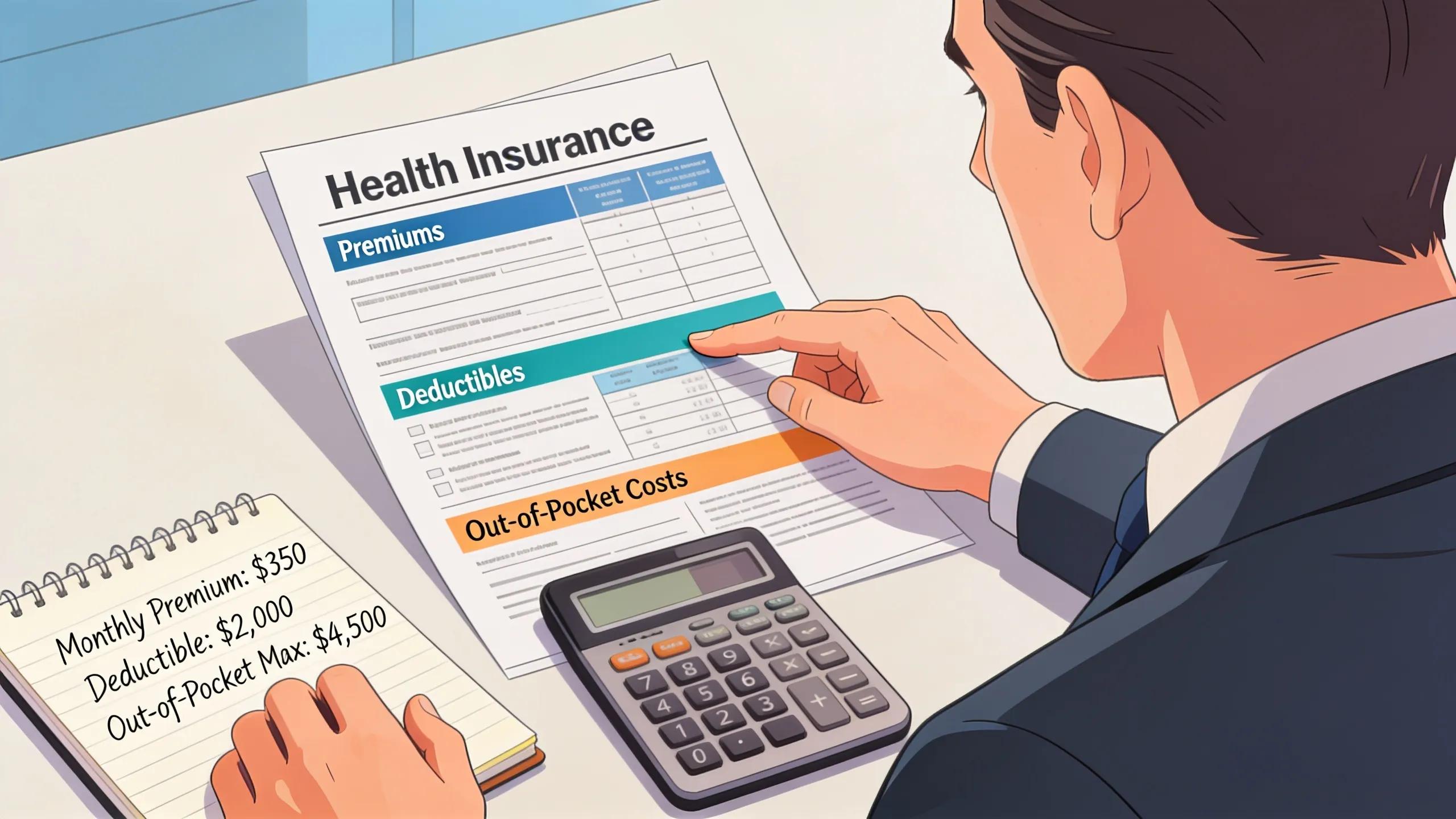
In the realm of employee health insurance, premiums are fixed amounts paid regularly to secure coverage, while deductibles represent the out-of-pocket costs employees incur before their insurance starts covering expenses. Out-of-pocket costs include co-payments and coinsurance, which further shape the overall financial burden on employees.
To illustrate, consider a scenario where an employer offers a health insurance plan with a monthly premium of approximately $500 and a deductible of around $1,000. In such a case, employees must budget not only for the monthly premium but also the deductible, which contributes to their total annual healthcare expenses. Therefore, a clear understanding of how these elements interact is vital for both employers and employees in managing health insurance costs effectively.
What Are Direct vs. Indirect Costs in Employee Health Insurance?
Direct costs of employee health insurance comprise premiums, deductibles, and administrative fees associated with health plans. These costs are easily quantifiable and traceable to specific health insurance activities. In contrast, indirect costs relate to factors like employee productivity loss, turnover rates, and overall job satisfaction, which can significantly affect a company’s financial health.
For example, high health insurance costs might lead to increased employee turnover, which in turn incurs costs related to hiring and training new staff. Recognizing both direct and indirect costs allows employers to make informed decisions about their health insurance strategies and ensure they are investing wisely in employee well-being.
How Do Employer Contributions Influence Group Health Insurance Pricing?
Employer contributions play a critical role in group health insurance pricing, significantly affecting employee out-of-pocket costs. Higher employer contributions can reduce the financial burden on employees, making insurance plans more attractive and enhancing employee retention. Explore options for comprehensive group health insurance.
Additionally, the size of the group can influence premium rates. Generally, larger groups benefit from lower per-member premiums due to spreading out risk across a broader population. Consequently, understanding the dynamics of employer contributions and group size can help employers devise effective strategies to optimize their health insurance offerings.
What Are Typical Employer Cost-Sharing Models for Health Insurance Premiums?
Employers often employ different cost-sharing models for health insurance premiums, which can significantly impact employee satisfaction and retention. The following are common models:
- Fixed Percentage Contribution: Employers contribute a fixed percentage of the total premium, leaving employees responsible for the remaining balance.
- Tiered Contribution: Employers vary their contributions based on employee tiers or family sizes—single, couple, or family.
- Flat Dollar Amount: Employers contribute a flat dollar amount regardless of the plan chosen by the employee.
Understanding these models helps employers approach cost-sharing strategically while enhancing employee benefits. Discover more about various employee benefits.
What Tax Implications Affect Employer Contributions and Cost Optimization?
Employers must navigate various tax implications related to health insurance contributions, which can affect overall cost optimization strategies. Notably, tax deductions for health insurance premiums can alleviate immediate financial pressures on businesses.
Additionally, under the Affordable Care Act (ACA), incentives such as tax credits exist for small businesses that provide affordable health insurance to employees. Employers can maximize these benefits by strategically aligning their contributions with current tax regulations and optimizing their health insurance coverage for tax efficiency.
What Roles Do QSEHRA and ICHRA Play in Managing Employee Health Insurance Costs?
Qualified Small Employer Health Reimbursement Arrangement (QSEHRA) and Individual Coverage Health Reimbursement Arrangement (ICHRA) play significant roles in managing employee health insurance costs. Both arrangements provide reimbursements for qualified medical expenses, offering more flexibility compared to traditional group plans.
QSEHRA allows small employers to reimburse employees for their individual health insurance premiums and out-of-pocket expenses. It is beneficial for helping employees cover costs efficiently. Conversely, ICHRA provides more robust options, allowing employers of all sizes to customize health benefits tailored to their workforce needs. Understanding these mechanisms enables employers to navigate health insurance costs more effectively. Explore how QSEHRA and ICHRA can help manage costs.
How Does QSEHRA Reimburse Employees and Affect Employer Costs?
Under the QSEHRA model, qualified small employers offer reimbursement to employees for individual health insurance premiums and qualified medical expenses. This reimbursement is tax-free for employees, making it an attractive option for many small businesses.
For employers, QSEHRA can lead to more predictable costs. Rather than managing fluctuating group plan premiums, employers have a defined budget for reimbursement, enhancing overall budgeting strategies.
In What Ways Does ICHRA Differ from QSEHRA in Cost Management?
ICHRA differs from QSEHRA primarily in its scope and flexibility. While QSEHRA is specifically designed for small employers, ICHRA caters to businesses of all sizes, allowing them to define varying eligibility criteria for different employee classes. This flexibility enables a wider range of reimbursement options to better align with employee needs.
Additionally, ICHRA can cover individual health insurance premiums and a broader range of medical expenses compared to QSEHRA, which makes it a compelling option for larger organizations aiming for tailored health benefit solutions.
How Do Ancillary Benefits Such as Dental, Vision, and Disability Affect Overall Insurance Expenses?

Ancillary benefits like dental, vision, and disability insurance significantly influence the overall expenses associated with employee health insurance. Offering comprehensive dental and vision plans can enhance employee satisfaction and retention, reducing turnover and its associated costs.
Furthermore, robust disability insurance provides financial security for employees unable to work due to injury or illness, demonstrating an employer’s commitment to employee well-being. This not only boosts morale but also contributes to a healthier workplace overall.
What Impact Do Dental and Vision Plans Have on Employee Benefits Costs?
Incorporating dental and vision plans into employee benefits can lead to increased overall costs, yet these plans foster greater employee retention and satisfaction. Providing such ancillary benefits often results in healthier employees who require less medical intervention in the long run, ultimately reducing overall healthcare costs for employers.
Implementing dental and vision coverage requires careful budgeting, but the long-term benefits of healthier employees make these plans worthwhile investments for organizations committed to comprehensive employee care.
How Does Disability Insurance Contribute to Total Employee Health Coverage Costs?
Disability insurance plays a critical role in comprehensive employee health coverage, representing an important safety net for employees facing work disruptions. While the costs of providing disability insurance can add to overall health coverage expenses, the security it offers can enhance job satisfaction and employee loyalty. Consider exploring disability insurance options for your workforce.
Employers benefit from integrating disability coverage as part of their overall health insurance strategy, as it complements health benefits and addresses employee needs during unforeseen situations, creating a more supportive work environment.
Breakdown of True Employee Health Insurance Costs
The following table presents a structured breakdown of both direct and indirect costs associated with employee health insurance, offering employers a clearer perspective on the full financial impact.
Understanding both cost categories comprehensively enables employers to create balanced strategies that optimize financial resources while maintaining strong employee benefits.