
What Are the Best Employee Benefit Plans? Comprehensive Guide to Employee Benefits Packages and Health Insurance Benefits for Employees
By Andrew Henze, CFH Insurance Consultants
Employee benefits are integral to attracting and retaining top talent in today’s competitive job market. As businesses navigate the evolving landscape of workforce needs, understanding the best employee benefit plans becomes crucial. This comprehensive guide explores the various types of employee benefits available in 2023, offering insights into their strategic importance. Readers will learn about group health insurance, health reimbursement arrangements like QSEHRA and ICHRA, and other vital benefits. Furthermore, we’ll discuss recommendations tailored for small to medium employers and explore how these packages enhance employee satisfaction and financial security.
The importance of well-structured employee benefit packages cannot be understated, as they address both the health and financial welfare of employees. This article outlines the top employee benefit plans, their impact on satisfaction, and the critical differences between QSEHRA and ICHRA. Moreover, we will highlight emerging trends and wellness benefits that are transforming employee packages in the modern workplace.
Best Employee Benefit Plans for 2023
As we approach 2023, several employee benefit plans stand out for their comprehensive coverage and adaptability. Group health insurance continues to be a top choice, providing employees with essential medical coverage that promotes well-being. Additionally, dental and vision coverage enhances health packages, ensuring employees maintain their overall health. Disability and life insurance options offer financial security for employees and their families, making these benefits crucial in today’s job market. Retirement plans that emphasize long-term financial stability also feature prominently in the most sought-after employee benefits.
- Group Health Insurance: This plan covers a wide range of medical services, supporting employee health and satisfaction.
- Dental and Vision Insurance: These benefits not only improve employee health but also contribute to overall workplace morale.
- Disability Insurance: Protects employees against loss of income due to temporary or permanent disability.
- Life Insurance: Provides financial security to employees’ families in the event of untimely demise, increasing peace of mind.
- Retirement Plans: Facilitates long-term savings for employees, encouraging financial security beyond their working years.
These benefit plans demonstrate a commitment to employee well-being, directly correlating with increased loyalty and retention.
Recommendations for Small to Medium Employers
Small to medium employers must carefully consider their employee benefit offerings to remain competitive. Two significant plans to explore are QSEHRA and ICHRA, which provide unique flexibilities and financial advantages.
QSEHRA (Qualified Small Employer Health Reimbursement Arrangement): This arrangement allows small businesses to offer a flexible spending account for employees to reimburse for health insurance premiums and out-of-pocket costs, providing substantial tax advantages. It supports customizable health plans, allowing employees to choose what works best for their individual needs.
ICHRA (Individual Coverage Health Reimbursement Arrangement): Offers a more extensive range of plan options compared to traditional group health insurance and is designed for larger employers. Employers can offer a fixed budget for employees to purchase their individual plans, enhancing customization and employee choice.
Employers need to communicate the benefits of these plans clearly to their employees, fostering a better understanding of how these arrangements can lead to improved health outcomes and financial savings.
Impact of Group Health Insurance Plans on Employee Satisfaction
Group health insurance plays a pivotal role in employee satisfaction and retention rates. Comprehensive health coverage boosts employee loyalty while reducing turnover, which is increasingly important in a competitive job market. When employees feel secure about their healthcare needs, they are more likely to be engaged and productive at work.
Research indicates that companies offering favorable health benefits can achieve up to a 20% increase in employee contentment. Moreover, the availability of supplementary dental and vision plans further enhances employer reputation and overall workplace morale.
By investing in robust group health insurance, employers can experience reduced absenteeism, lower healthcare costs, and higher levels of employee productivity.
Key Differences Between QSEHRA and ICHRA
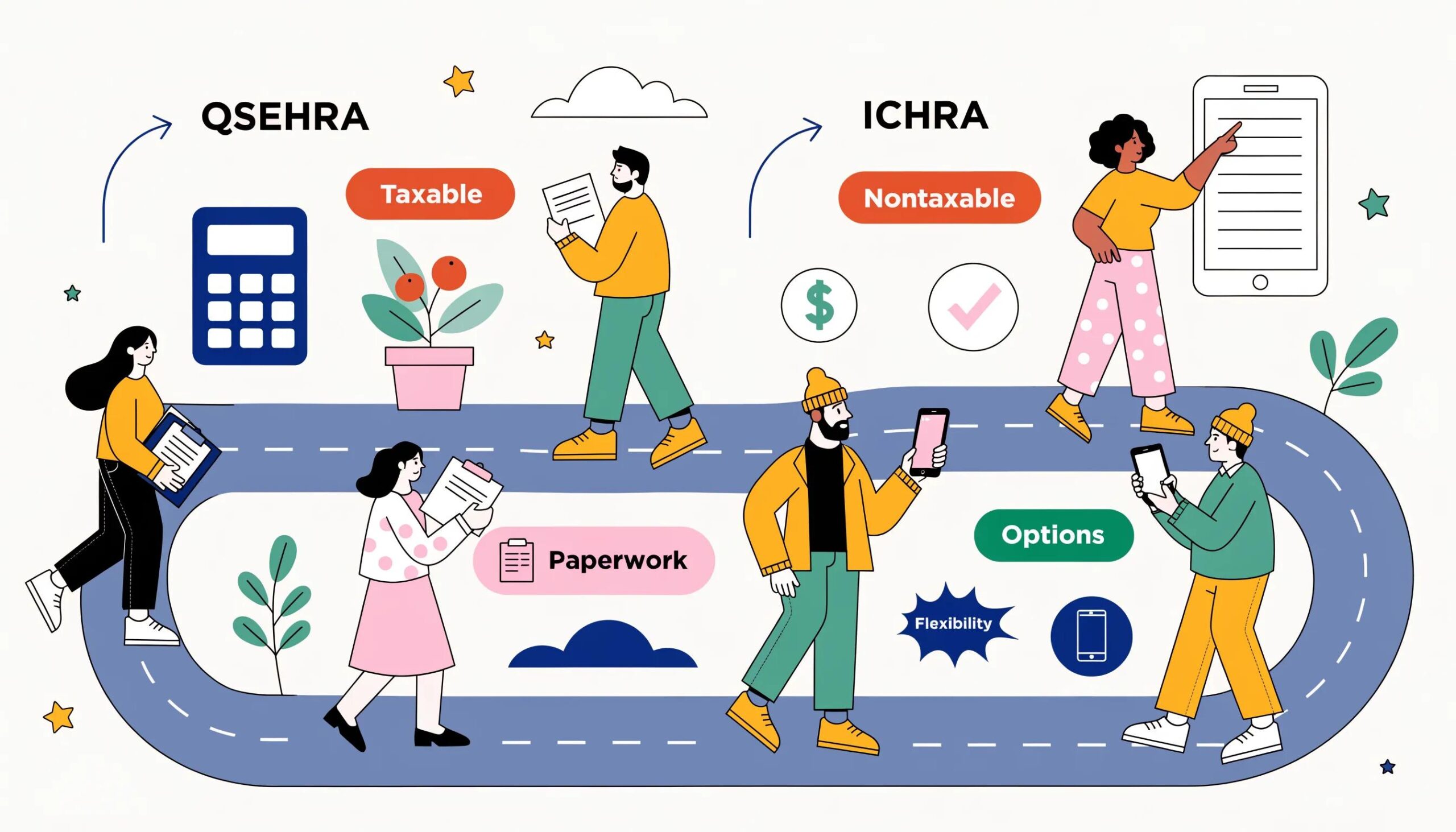
The decision between QSEHRA and ICHRA can significantly affect a company’s budget and employee satisfaction. Here are the essential differences:
These distinctions highlight the importance of tailoring benefit offerings according to the unique needs of the workforce while maximizing employer contributions.
How Do QSEHRA and ICHRA Provide Tax-Advantaged Health Benefits?
Both QSEHRA and ICHRA facilitate tax advantages for employees, ultimately leading to substantial savings on health-related expenses. These arrangements allow employees to use pre-tax dollars for health insurance premiums and qualified medical expenses. Not only do they provide flexibility in choosing health coverage, but they also enhance employee financial wellness by mitigating the overall tax burden.
- Tax Savings: Employees can use their reimbursements to cover premiums with pre-tax dollars, lowering their taxable income.
- Personalized Health Coverage: Both plans empower employees by enabling them to select insurance plans that meet their specific needs.
- Employer Contributions: Employers benefit from tax deductions on their contributions to these reimbursement accounts, making them financially advantageous.
Through these arrangements, employers can attract and retain talent while promoting financial well-being among their employees.
What Are the Flexibility Options of Modern Health Reimbursement Plans?
Modern health reimbursement plans such as QSEHRA and ICHRA offer remarkable flexibility to both employers and employees. As businesses evolve, the ability to adapt benefit plans can create significant advantages.
- Tailored Benefits: Employees can select health insurance plans that best suit their individual circumstances.
- Budget Control: Employers can set fixed monthly contributions, maintaining control over health benefit expenses.
- Enhanced Employee Choice: Offering various options allows employees to find coverage that meets their healthcare needs, fostering satisfaction and engagement.
These features set modern health reimbursement plans apart from traditional group coverage, demonstrating adaptability in meeting employee and employer needs alike.
How Can Dental and Vision Insurance Plans Complement Employee Benefits Packages?
Incorporating dental and vision insurance into employee benefits packages enhances overall healthcare offerings. These plans address specific health concerns that can significantly impact an employee’s day-to-day performance.
- Comprehensive Coverage: Dental and vision plans contribute to complete health profiles, ensuring that all aspects of health are considered.
- Employee Well-Being: Access to dental care can prevent serious health issues, while vision insurance helps maintain productivity and comfort in work environments.
- Increased Satisfaction: Providing these additional benefits illustrates a commitment to employee health, fostering greater loyalty and reducing turnover.
Employers who recognize the value of dental and vision insurance can differentiate themselves in a competitive hiring market.
What Should Employers Know About Disability and Life Insurance Options?
Disability and life insurance are critical components of comprehensive employee benefits packages. These options support employees’ financial security beyond traditional health coverage.
- Disability Insurance: Offers income protection for employees unable to work due to illness or injury, maximally after a waiting period. Employers must choose plans that cover both short-term and long-term disabilities.
- Life Insurance: Provides beneficiaries with financial support in the event of an employee’s unexpected death. Two common types are term life, which covers a specific period, and whole life, which offers lifelong coverage.
By ensuring these options are accessible, employers not only adhere to best practices but also contribute to the welfare of their workforce.
How Can Employers Maximize Tax Advantages Through Employee Benefit Plans?
Employers can optimize their tax strategies by incorporating various employee benefit plans such as QSEHRA and ICHRA. These arrangements allow businesses to benefit from significant tax deductions while providing valuable coverage for employees.
- Deductions: Contributions to QSEHRA and ICHRA are tax-deductible for employers, thus reducing taxable income.
- Lower Payroll Taxes: Premiums paid via these arrangements do not incur payroll taxes, resulting in further savings for both employers and employees.
- Enhanced Employee Retention: By offering tax-advantaged benefits, employers can foster a more satisfied and stable workforce.
These strategies facilitate a win-win situation, where both employees and employers enjoy substantial fiscal benefits.
What Are the Emerging Trends and Wellness Benefits Enhancing Employee Benefit Packages?
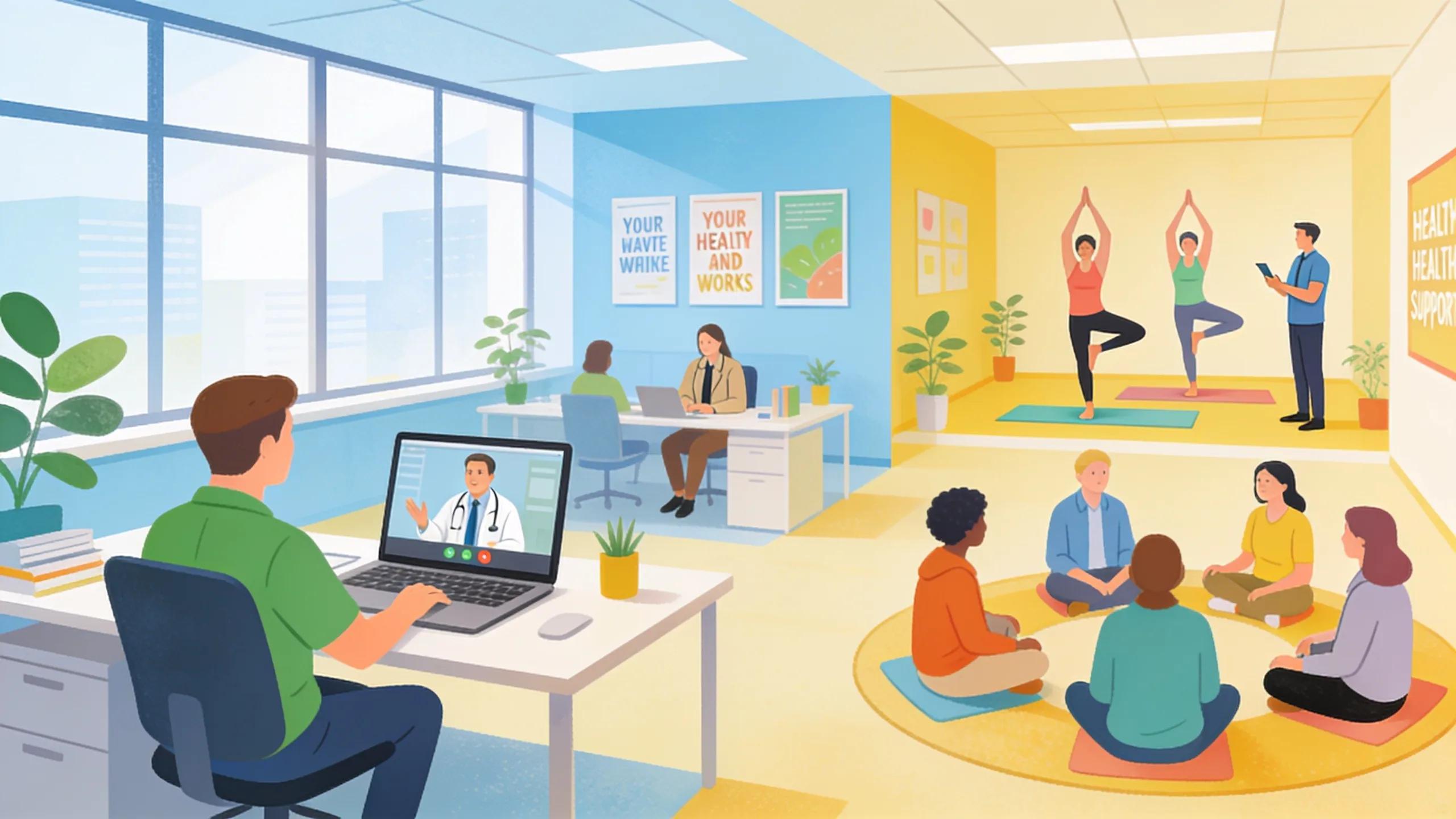
As we look towards the future, employee benefit packages are evolving to include health and wellness trends that cater to a more holistic approach to employee care.
- Telehealth Services: These services have surged in popularity, allowing employees to access healthcare from their homes.
- Mental Health Support: Employers increasingly recognize the need to support mental well-being through counseling services and stress management programs.
- Wellness Programs: Initiatives promoting physical fitness, preventive care, and life balance are becoming commonplace in forward-thinking companies.
By adopting these emerging trends, employers can create a nurturing work environment that aligns with the evolving expectations of the modern workforce.