
By Andrew Henze, CFH Insurance Consultants
Employee benefits play a vital role in attracting and retaining talent within the competitive landscape of Central Michigan businesses. With rising healthcare costs and evolving employee expectations, companies in Mount Pleasant, MI, need to assess various group health insurance options. This guidance aims to delve into the types of employee benefits available, particularly group health plans, and how they can be customized for small businesses. We will explore eligibility requirements, the specifics of QSEHRA and ICHRA, and the integration of dental and vision insurance into employee benefits. Moreover, we will highlight additional benefits, including disability and life insurance, which can significantly enhance the welfare of a workforce.
What Group Health Insurance Options Are Available for Businesses in Central Michigan?
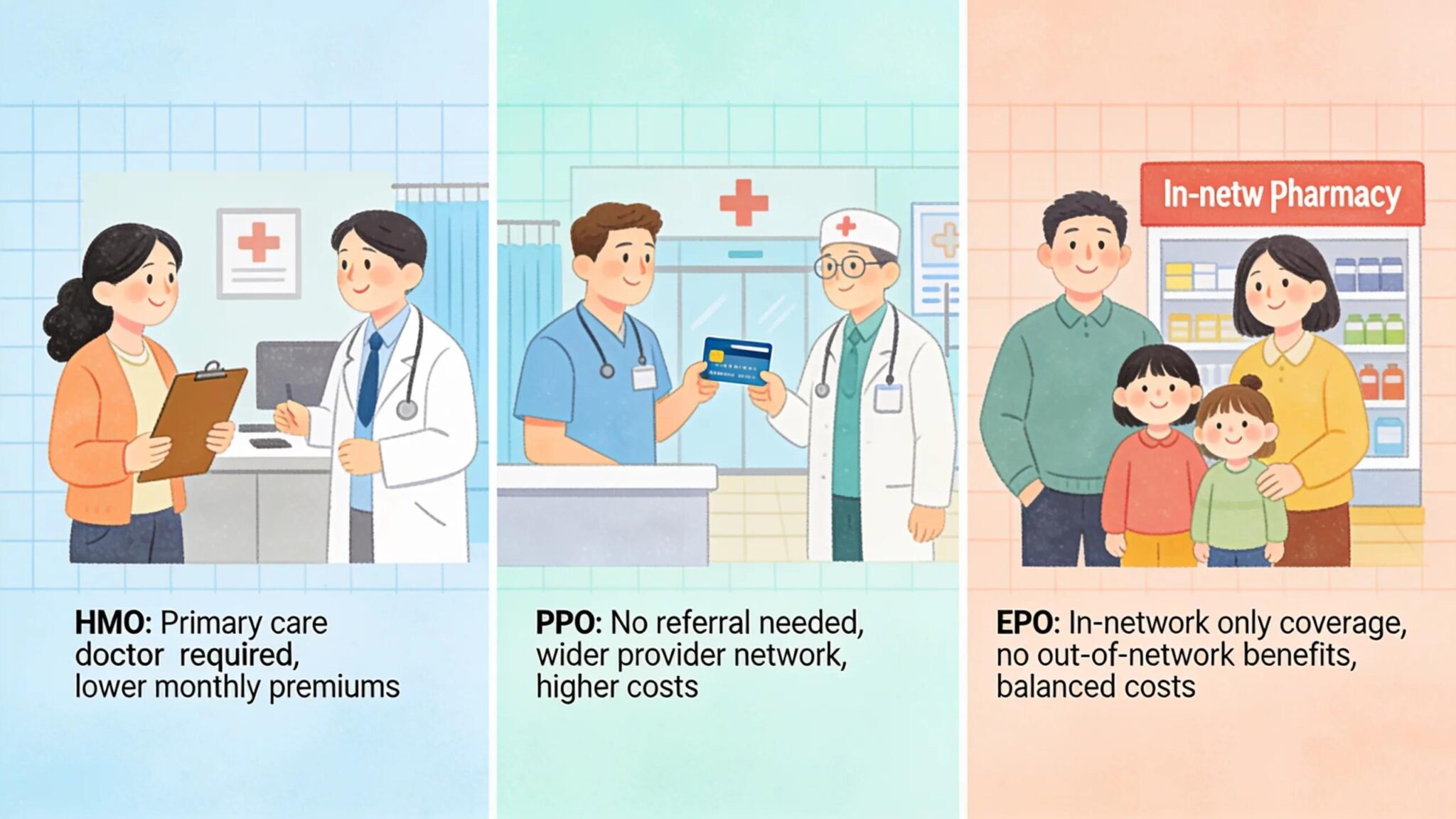
Understanding the various group health insurance options can empower businesses to make informed decisions that positively impact employee satisfaction and retention. In Central Michigan, multiple group health plans are designed to cater to different business sizes and employee needs.
- Health Maintenance Organizations (HMOs): This plan type often requires members to select a primary care physician and obtain referrals for specialist services, typically offering lower premiums.
- Preferred Provider Organizations (PPOs): PPOs allow employees greater flexibility in selecting healthcare providers and do not require referrals, although they may come with higher premiums.
- Exclusive Provider Organizations (EPOs): Similar to HMOs but without the requirement for referrals, EPOs will not cover any out-of-network care.
- High Deductible Health Plans (HDHPs): These plans generally have lower premiums but higher deductibles. They often pair with Health Savings Accounts (HSAs) that allow employees to save money tax-free for medical expenses.
These health insurance plans not only provide essential coverage but also help employers attract a more diverse talent pool while keeping costs in check.
How Can Small Businesses Customize Group Health Plans in Mount Pleasant?
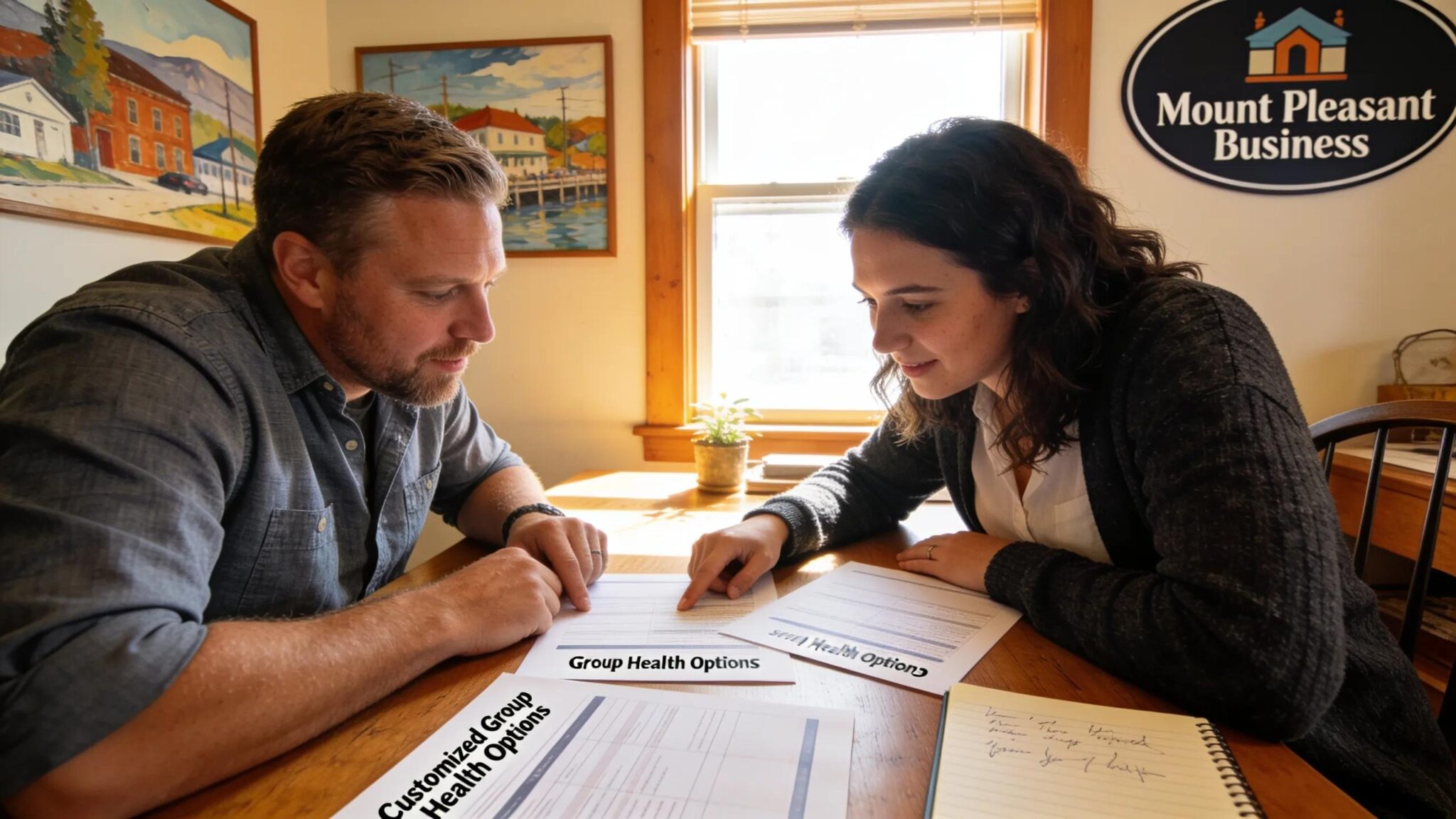
Small businesses have the flexibility to tailor group health plans to meet their unique needs, a strategy that can lead to increased employee satisfaction. Customization can involve various methods:
- Health Reimbursement Arrangements (HRAs): This allows employers to reimburse employees for out-of-pocket health expenses, providing more personalized healthcare.
- Tiered Plan Offerings: Businesses can offer multiple plan options that cater to different employee needs, allowing for choice based on individual budgets and family needs.
- Voluntary Benefits: These include supplemental options such as accident, critical illness insurance, and additional life insurance that employees can select based on personal needs.
By offering tailored health plans, small businesses can not only enhance employee engagement but also improve retention by making employees feel valued and supported.
What Are the Eligibility Requirements for Group Health Insurance in Michigan?
Eligibility for group health insurance in Michigan typically hinges on several key requirements that businesses must meet to enroll in the plans. Generally, requirements include having at least two employees on payroll, although specific conditions may apply depending on the insurance provider.
Understanding these criteria is crucial for businesses to ensure compliance and maximize the benefits of available health insurance options.
How Do QSEHRA and ICHRA Benefit Small Employers in Central Michigan?
Qualified Small Employer Health Reimbursement Arrangements (QSEHRA) and Individual Coverage Health Reimbursement Arrangements (ICHRA) offer small employers innovative ways to provide health benefits. For businesses exploring these specific reimbursement models, consulting with experts regarding QSEHRA and ICHRA implementation can clarify regulatory nuances.
- Cost-Effectiveness: Both QSEHRA and ICHRA allow employers to set a fixed amount for employee reimbursements, which can aid in budgeting for health benefits while still offering flexibility to employees.
- Employee Flexibility: Employees can choose their plans that best suit their healthcare needs, making this approach more personalized than traditional group plans.
- Tax Advantages: Contributions made by the employer are generally tax-deductible, and reimbursements made through these arrangements are typically tax-free for employees.
Utilizing QSEHRA and ICHRA can significantly benefit small businesses by controlling costs while still providing valuable health benefits to employees.
What Tax Advantages Do QSEHRA and ICHRA Offer to Mount Pleasant Employers?
Employers who implement QSEHRA or ICHRA can reap several tax benefits that enhance the financial feasibility of offering health benefits.
- Tax-Deductible Contributions: Contributions made by employers to these plans can often be deducted as a business expense, saving on taxes.
- Tax-Free Reimbursements: Employees receive reimbursements tax-free, providing a financial benefit to both parties.
- Cost Management Advantages: By setting a fixed contribution amount, employers can manage healthcare spending more effectively.
These tax advantages enable employers in Mount Pleasant to maintain their competitive edge in the market while fostering a supportive work environment.
What Compliance Guidelines Should Michigan Businesses Follow for QSEHRA and ICHRA?
When navigating the landscape of QSEHRA and ICHRA, it is vital for businesses to stay compliant with specific guidelines laid out by the IRS and state regulations. These include:
- Eligibility Criteria: Employers must ensure all qualifications for participating employees are documented and communicated effectively.
- Contribution Limits: There are limits on the amount an employer can contribute to these plans that must be adhered to.
- Written Notices: Regulations require employers to provide written notice to all eligible employees about the availability of these health reimbursement arrangements.
Understanding these compliance requirements can help prevent costly penalties while ensuring employees receive the benefits they are entitled to.
What Dental and Vision Insurance Plans Enhance Employee Benefits in Mount Pleasant, MI?
Incorporating dental and vision insurance as part of employee benefits can significantly boost overall employee satisfaction and well-being. These plans offer essential services that often complement general health insurance.
- Dental Insurance: This typically covers routine check-ups, cleanings, and specific procedures like fillings, significantly reducing out-of-pocket expenses for employees.
- Vision Insurance: This may cover routine eye exams and a portion of glasses or contact lenses, promoting preventative health measures among employees.
- Enhanced Employee Satisfaction: Providing comprehensive coverage signals to employees that their overall health is a priority, which can lead to improved morale and productivity.
By enhancing benefit packages with dental and vision options, employers in Mount Pleasant can foster a healthier and happier workforce.
How Do Dental and Vision Benefits Integrate with Group Health Insurance Coverage?
The integration of dental and vision benefits with group health insurance provides a more comprehensive approach to employee wellness.
- Holistic Coverage: This strategy ensures that all aspects of employee health are addressed, leading to improved overall health outcomes.
- Attraction and Retention of Talent: Comprehensive benefits packages, including dental and vision, can make a business more attractive to potential employees seeking robust health options.
- Simplified Administration: Bundling these benefits under a single carrier can streamline administrative processes for HR departments, saving time and resources.
This integration allows employers to demonstrate their commitment to employee health while potentially reducing overall administrative burdens.
What Additional Employee Benefits Improve Workforce Welfare in Central Michigan Businesses?
Offering a diverse range of employee benefits beyond health insurance can significantly enhance workplace welfare.
- Wellness Programs: Programs promoting physical health, mental well-being, and work-life balance can lead to significant improvements in employee satisfaction and productivity.
- Flexible Spending Accounts (FSAs): These accounts allow employees to set aside pre-tax dollars for eligible out-of-pocket health expenses, increasing value on their health spending.
- Health Savings Accounts (HSAs): Similar in function, HSAs offer tax advantages for employees to save for future medical expenses, encouraging proactive management of healthcare costs.
Providing these additional benefits can create a more supportive work environment that values employee well-being and enhances overall job satisfaction.
How Can Disability and Life Insurance Support Mount Pleasant Employees?
Disability and life insurance are critical components of an effective employee benefits package, offering essential coverage during challenging times. For more information on securing your team, explore our comprehensive disability and life insurance options.
- Financial Security: Disability insurance provides employees with a percentage of their income if they become unable to work due to illness or injury, ensuring they can manage their financial obligations.
- Enhanced Employee Morale: Life insurance offers peace of mind not only to employees but also to their families, as it provides financial support in the event of unforeseen circumstances.
- Sustained Engagement: Knowing they have adequate coverage can encourage employees to remain engaged and productive in their roles, thus fostering loyalty and commitment.
By supporting employees through these insurance options, businesses in Mount Pleasant can cultivate a culture of security and well-being.
Where Can Employers Find Resources and Case Studies for Benefits Planning in Central Michigan?
Employers looking to enhance their benefits offerings can access a variety of local and online resources. If you are ready to discuss your specific organizational needs, you can easily reach out to our team via our contact page to start the conversation.
- Local Consulting Firms: These firms often provide tailored benefits planning services that cater to the specific needs of Central Michigan businesses.
- Workshops and Seminars: Local chambers of commerce and business associations frequently host educational events focusing on benefits planning and insurance options.
- Online Publications and Case Studies: A wealth of knowledge is available through industry reports and detailed case studies that provide insights into how other businesses have successfully implemented beneficial employee programs.
These resources can empower employers to make informed decisions about their employee benefits offerings and strategically enhance their workplace wellness programs.