
Research highlights the specific challenges Michigan businesses face in attracting and retaining skilled employees, underscoring the importance of strategic benefits.
Key Takeaways
Employee benefits encompass a range of non-wage compensations provided to employees in addition to their normal salaries.
Employers must stay informed about relevant laws and regulations that govern employee benefits.
By following these best practices, employers can enhance their benefits administration and create a more supportive work environment.
Employee Benefits Broker in Michigan — CFH Insurance Consultants
Employee benefits play a crucial role in attracting and retaining top talent in today’s competitive job market. As businesses in Michigan navigate the complexities of employee benefits, understanding the various options available is essential. This article will explore the role of an employee benefits broker, the types of employee benefits, compliance requirements, and best practices for benefits administration. By the end, you will have a comprehensive understanding of how to effectively manage employee benefits and the value of consulting with a specialized broker like CFH Insurance Consultants.
Employee Benefits Overview
Employee benefits encompass a range of non-wage compensations provided to employees in addition to their normal salaries. These benefits are designed to enhance the overall compensation package and can significantly impact employee satisfaction and retention. In Michigan, businesses are increasingly recognizing the importance of offering competitive benefits to attract skilled workers. Common types of employee benefits include health insurance, retirement plans, and various wellness programs. Understanding these benefits is vital for employers looking to create a supportive work environment that fosters employee loyalty and productivity.
Types of Employee Benefits

When it comes to employee benefits, there are several key categories that businesses should consider. These include:
- Group Health Insurance: This is one of the most sought-after benefits, providing employees with access to medical care and financial protection against high healthcare costs. Group health insurance plans can vary widely in terms of coverage and cost, making it essential for businesses to choose plans that align with their workforce’s needs.
- QSEHRA and ICHRA Plans: Qualified Small Employer Health Reimbursement Arrangements (QSEHRA) and Individual Coverage Health Reimbursement Arrangements (ICHRA) are innovative solutions that allow employers to reimburse employees for individual health insurance premiums and out-of-pocket medical expenses. These plans offer flexibility and can be tailored to meet the unique needs of employees.
- Dental and Vision Insurance: These benefits are increasingly important to employees, as they cover essential health services that contribute to overall well-being. Offering dental and vision insurance can enhance an employer’s benefits package and improve employee satisfaction.
- Disability and Life Insurance: Providing disability and life insurance helps protect employees and their families in the event of unforeseen circumstances. These benefits can provide peace of mind and financial security, making them valuable additions to any benefits package.
- Retirement Plans: Offering retirement savings plans, such as 401(k) plans, is crucial for helping employees prepare for their future. Employers can enhance these plans by providing matching contributions, which can further incentivize employees to save for retirement.
By understanding the various types of employee benefits, businesses can create a comprehensive benefits package that meets the needs of their workforce.
Compliance and Regulatory Updates
Navigating the compliance landscape for employee benefits in Michigan can be challenging. Employers must stay informed about relevant laws and regulations that govern employee benefits. Key compliance considerations include:
- Affordable Care Act (ACA): The ACA mandates that applicable large employers provide affordable health insurance to their full-time employees. Understanding the requirements of the ACA is essential for compliance and avoiding penalties.
- Employee Retirement Income Security Act (ERISA): ERISA sets standards for retirement and health benefit plans, ensuring that employees receive the benefits promised by their employers. Employers must adhere to ERISA regulations to protect their employees’ rights.
- State-Specific Regulations: Michigan has its own set of regulations that impact employee benefits, including laws related to health insurance and retirement plans. Staying updated on these regulations is crucial for compliance.
Employers can benefit from consulting with an employee benefits broker to navigate these complex compliance requirements effectively.
Benefits Administration Best Practices
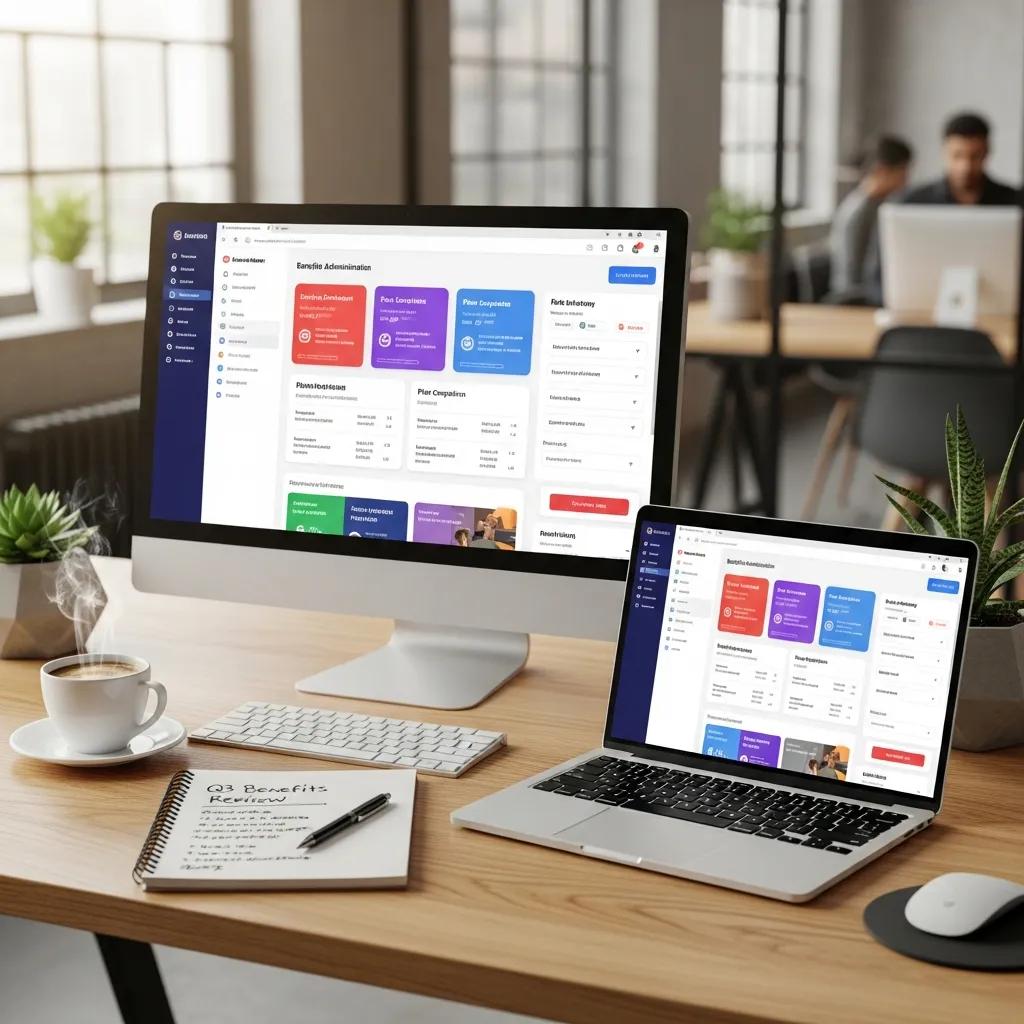
Effective benefits administration is essential for maximizing the value of employee benefits. Here are some best practices to consider:
- Streamlining Benefits Enrollment: Simplifying the enrollment process can enhance employee experience and ensure that employees understand their options. Utilizing technology to facilitate online enrollment can make the process more efficient.
- Communicating Benefits to Employees: Clear communication about available benefits is vital for employee engagement. Regularly updating employees on their benefits and any changes can help them make informed decisions.
- Utilizing Technology for Administration: Implementing benefits administration software can streamline processes, reduce errors, and improve overall efficiency. Technology can also provide valuable data insights to help employers make informed decisions about their benefits offerings.
- Regularly Reviewing Benefits Packages: Periodically assessing the effectiveness of benefits packages ensures that they remain competitive and aligned with employee needs. Gathering employee feedback can provide insights into which benefits are most valued.
By following these best practices, employers can enhance their benefits administration and create a more supportive work environment.
Benefits of Employee Benefits Consulting
Engaging with an employee benefits broker like CFH Insurance Consultants can provide significant advantages for Michigan businesses. These brokers specialize in navigating the complexities of employee benefits and can offer tailored solutions that meet the unique needs of each organization. Some key benefits of working with a broker include:
- Expert Guidance: Brokers have in-depth knowledge of the insurance market and can help businesses identify the best plans for their employees.
- Cost Management: A broker can assist in managing benefits costs by negotiating with insurance providers and finding cost-effective solutions.
- Compliance Support: Brokers stay updated on regulatory changes and can help businesses remain compliant with state and federal laws.
- Customized Solutions: Brokers can design benefits packages that align with the specific needs of a business and its workforce, ensuring that employees receive the support they need.
To learn more or get started, contact us today. We are here to help you navigate the complexities of employee benefits and find the best solutions for your business.
Final Insights on Employee Benefits Optimization in Michigan
In conclusion, understanding employee benefits is essential for businesses in Michigan looking to attract and retain top talent. By offering a comprehensive benefits package that includes group health insurance, QSEHRA and ICHRA plans, dental and vision insurance, and more, employers can create a supportive work environment. Additionally, staying compliant with regulations and implementing best practices in benefits administration can further enhance the effectiveness of these offerings. Partnering with a specialized employee benefits broker like CFH Insurance Consultants can provide valuable guidance and support in navigating this complex landscape.
Frequently Asked Questions
Who is the plan administrator, legally speaking?
Usually the employer, not the carrier and not the broker. That matters because the administrator carries the fiduciary duties: operating the plan according to its documents, acting in participants’ interest, and making required disclosures on time. Outsourcing the work is normal and sensible, but the responsibility stays with the employer, which is why the documents should say plainly who does what.
How does an ICHRA differ from a traditional group plan?
With an individual coverage HRA, the employer sets an allowance and employees buy their own individual coverage, which the employer reimburses tax-free. The employer gets a defined, predictable cost rather than a renewal that moves each year. The trade-offs are that employees shop for their own plan, and the arrangement has to be structured by employee class with proper notice, or it fails its own rules.
Do we have to change our plan to work with a new broker?
No. A broker of record letter changes who services the account; your carrier, plan, rates and employee coverage stay exactly as they are. Nothing about the employee experience changes at the point of the letter. What should change is the level of service between renewals.
Related reading: how to choose a small business health insurance broker and how to compare employee benefits consulting firms in Michigan.
Got a renewal coming?
Send it to us and we will tell you what we would do. A team of benefits professionals reads every renewal, and you get a straight answer on cost, plan design and what to ask your carrier.
CFH Insurance Consultants is an independent employee benefits consulting firm. We help employers manage cost, compliance and renewals, and we work in teams for proper coverage of every account.
Related reading
- What if we’re happy with our current broker? — Then you’ll have an independent second read to confirm it. Most employers keep it in a drawer as leverage; some don’t.…
- Employee Benefits Broker in Saginaw, MI — Saginaw’s healthcare infrastructure plays a pivotal role in shaping employer health benefits. Two major healthcare…
- Do I have to tell my current broker? — The employer signs a letter, and carriers generally notify the current broker. The employer signs a broker of record…
- Change Takes Effect — The carrier records the new broker as of the effective date and updates its systems. Once processed, the carrier’s…
- How Do You Tell If Your Benefits Broker Is Doing a Good Job? — A good broker shows its work. Your own files can tell you whether the renewal was shopped, whether the increase was…
- Check Your Current Agreement — Look for any notice period or terms in your agreement with the current broker. Some broker agreements include notice…
- Claims Keep Flowing — Claims are handled by the carrier under the same plan and rules as before. Claims run through the carrier’s processing,…
