
Paying a Multiple of Medicare Instead of a Discount off a List
Conventional network pricing works from a hospital’s own charge list, discounted by agreement. Nobody outside the negotiation knows what the list was, which makes a percentage discount difficult to evaluate. Reference-based pricing starts somewhere else: it sets payment at a defined multiple of what Medicare would pay for the same service, which is a published, checkable figure.
The Numbers, With Their Caveats
For scale, a national hospital price transparency study using 2022 data found private plans paying hospitals around two hundred and fifty-four percent of Medicare. A study of one national reference-based program covering roughly three hundred thousand lives reported inpatient care at about a hundred and twenty-two percent of Medicare against two hundred and forty percent commercial, and outpatient at a hundred and forty-nine against three hundred and eleven, with the program averaging near a hundred and forty percent overall.
Employers looking beyond the next quote can start with our health and cost strategy for fully insured plans.
Those authors carry their own caveats and so should we: the findings are descriptive rather than causal, cover a single year, and exclude administrative cost. They indicate a gap worth investigating, not a guaranteed result.
What Actually Has to Be Managed
Balance Billing
where a provider pursues the member for the difference — the programs that work have real member advocacy behind them and the ones that fail do not
Provider Acceptance
which varies locally and is the practical constraint rather than the theoretical one
Employee Communication
since this changes what a member should do when a bill arrives
Whether it applies to all services or to facility charges only
which materially changes both the saving and the disruption
Where We Stand On It
We advise on it case by case. We do not administer such a program and we do not present it as a default answer — for many employers it is not. It belongs in the conversation once you are self-funded, your hospital spend is significant, and you are prepared to support employees through a genuinely different experience of using coverage.
Obligations That Come With Self-Funding
A Per-Covered-Life Fee Is Filed Each
A per-covered-life fee is filed each July on any self-funded arrangement
Medical Non-Discrimination Testing Applies
level-funded designs included
Stop-Loss Sits Above Whatever Pricing Approach
Stop-loss sits above whatever pricing approach you adopt and renews on its own logic
Continuation Coverage Once You Hit Twenty
Michigan adds nothing under that line.
Pricing Questions From Downriver Employers
Will our local hospital accept it?
That is the first question rather than the last, and it is answered locally rather than in general.
Is it worth exploring at our size?
Only if you are self-funded and hospital spend is a material share of your claims. Below that, the conversation is premature.
Engines and a Hospital on the Detroit River
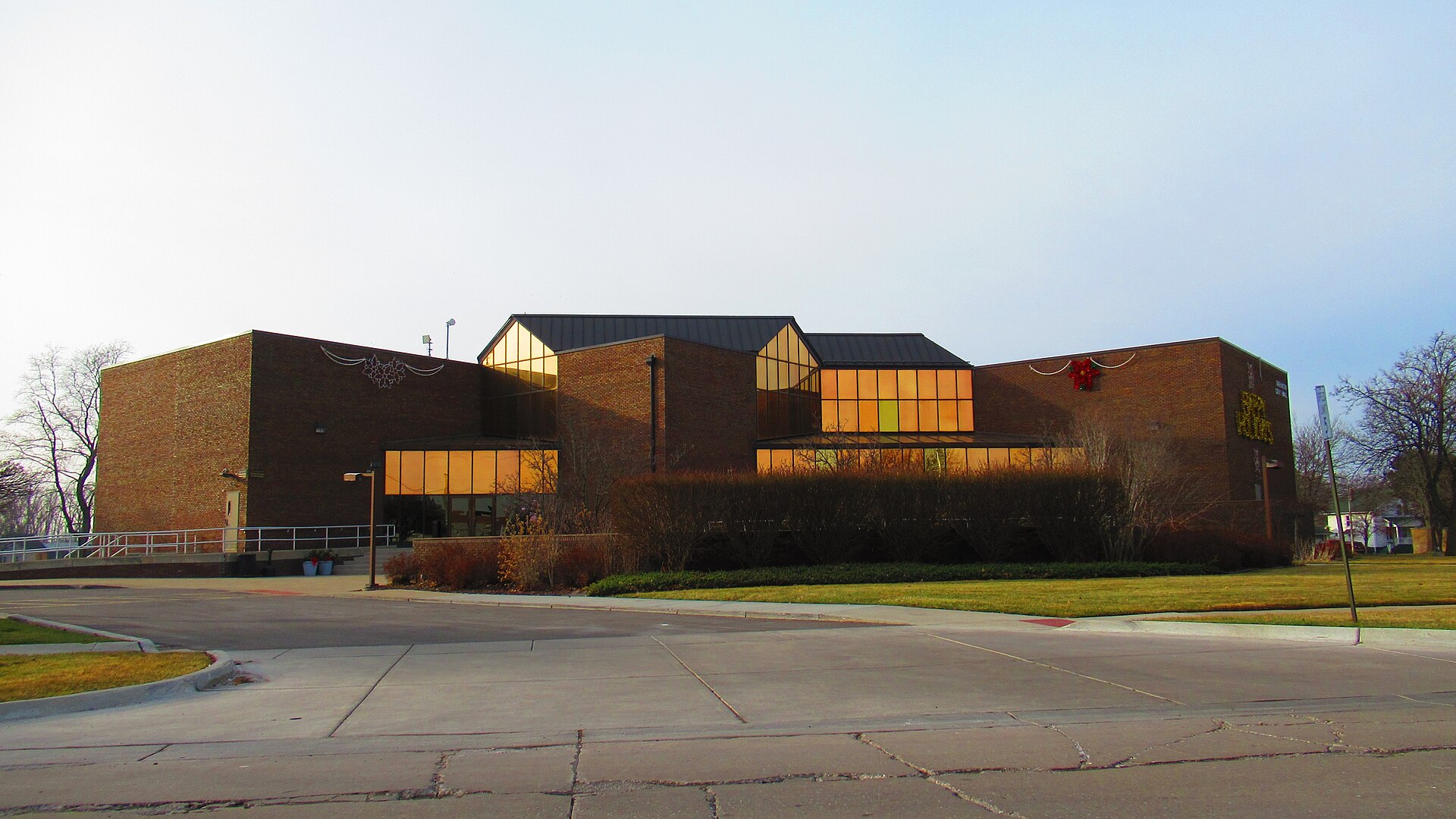
Trenton is a Wayne County city on the Detroit River, about 18 miles southwest of downtown Detroit, with 18,544 residents in the 2020 census. Its industrial base includes Stellantis’s Trenton Engine Plant, which has built the Pentastar V6, along with Solutia and the site of DTE Energy’s Trenton Channel Power Plant. Corewell Health Trenton Hospital, a 203-bed hospital, operates within city limits and is a major local employer and care provider. The former McLouth Steel plant, closed in 1996, is being cleaned up for redevelopment. Parts of the Detroit River International Wildlife Refuge lie inside the city. For Trenton employers, a mix of auto, chemical and healthcare jobs means benefits must work for skilled trades, clinical staff and shift workers alike.
Networks Built Around Downriver Care
Corewell Health Trenton Hospital sits in the city, and many employees use Downriver clinics nearby. We check that plan networks include the local hospital and the specialists employees are referred to, and we compare narrow and broad network options by what they actually include. We also flag any changes before open enrollment.
Benefits for Shift-Based Healthcare Staff
Clinics, home health and senior care employers near the hospital run 24-hour schedules with part-time staff. We explain eligibility rules for variable-hour employees and compare plan options, including voluntary dental and vision, that help recruit nurses and aides in a competitive market. We also check that eligibility rules are applied consistently across locations.
Keeping Pace With Auto Plant Benefits
Local suppliers and contractors hire the same skilled trades as a major engine plant. We benchmark medical, disability and life benefits against what workers expect in the Downriver market, then compare contribution levels that stay competitive without overcommitting. We also explain how disability plans coordinate with any paid leave you already offer to employees.
Level-Funded Options for Stable Groups
Established Trenton employers with steady headcount may be good candidates for a level-funded plan. We compare it with fully insured coverage, explain stop-loss protection and claims reporting, and show what the plan would cost in a bad claims year before you switch. We also explain the cash flow and reporting differences.
Trenton Benefits Q and A
Can CFH work with a Trenton employer?
Yes. We advise Trenton employers on plan design, carrier and funding comparisons, renewal negotiation, compliance and enrollment. As licensed insurance brokers we look at cost, plan performance, risk and administration together, and we usually begin with your current plan and renewal.
Self-funded but still paying whatever the hospital bills? See what switching to CFH involves.
Send Us the Claims and We Will Model It
Send the renewal letter, plan summary, contribution by tier and enrollment by tier, plus two more documents at fifty or more and any claims reports, and we will model the pricing options with you. 248.370.8853 or info@cfhic.com.
Start the Review Email info@cfhic.com Call 248.370.8853
An independent employee benefits consulting firm. We look at the entire benefits program — cost, plan performance, risk and administration.
Bloomfield Hills, MI 48304
248.370.8853
Colorado Springs, CO 80921
719.425.2649
Houston, TX 77084
281.404.5670
