

Effective open enrollment communications are essential for organizations aiming to maximize employee understanding and participation during the employee benefits open enrollment period. As a trusted Michigan employee benefits broker, CFH Insurance Consultants specializes in guiding employers through these critical communications, ensuring that employees receive clear, concise information to make informed benefits decisions. This article explores proven open enrollment strategies designed to enhance engagement, clarify options, and streamline the enrollment process for both employers and employees.
11 min read
Effective employee benefits open enrollment communication strategies include best practices, key messages, and engagement techniques

Implementing effective open enrollment communications is vital for successful employee benefits open enrollment. These communications should incorporate best practices, key messages, and engagement techniques that improve employee understanding and participation in benefits programs. By focusing on clarity and accessibility, organizations can ensure employees appreciate the value of their benefits and feel confident in their enrollment choices.
For a longer view of cost, see how a year-round health and cost strategy works between renewals.
Free Tool
Open enrollment timeline calculator — Back into your key dates from your plan effective date.
Best Practices
To optimize open enrollment strategies, organizations should adopt several best practices, including:
- Clear Communication: Use straightforward language to explain benefits, avoiding jargon that may confuse employees.
- Employee Education Initiatives: Provide educational resources, such as workshops or webinars, to help employees understand their options and the implications of their choices.
- Regular Updates: Keep employees informed throughout the enrollment period with timely reminders and updates about deadlines and changes to benefits.
Adopting these best practices leads to higher engagement and satisfaction during the open enrollment process.
Key Messages
During open enrollment, it is crucial to communicate key messages that emphasize the value of the benefits offered. These messages should highlight:
- Value of Benefits: Emphasize how benefits improve employees’ quality of life and financial security.
- Tailored Packages: Communicate the availability of customized benefits packages that meet diverse employee needs.
- Support Resources: Inform employees about resources available to assist in making informed decisions, such as benefits counselors or online tools.
Effectively conveying these messages enhances employees’ understanding and appreciation of their benefits.
Engagement Techniques
Engaging employees is essential for maximizing participation during employee benefits open enrollment. Organizations can use various techniques, including:
- Multiple Communication Channels: Utilize a mix of digital and traditional methods, such as emails, newsletters, and in-person meetings, to reach employees effectively.
- Personalized Consulting: Offer one-on-one consultations to address individual questions and concerns, making the process more personal and supportive.
- Interactive Tools: Implement online tools that allow employees to compare benefits and visualize options, making decision-making more interactive and engaging.
These engagement techniques significantly enhance participation and satisfaction during open enrollment.
What Are the Best Practices for Benefits Enrollment Communication?
Best practices for benefits enrollment communication are essential to ensure employees understand their options and make informed decisions. These include clear communication, regular updates, and feedback mechanisms to gauge understanding and satisfaction.
How to Develop a Clear and Strategic Open Enrollment Messaging Plan
Developing a clear and strategic messaging plan for open enrollment communications involves several key steps:
Viewing the enrollment process as a strategic communication opportunity can significantly enhance its impact.
- Define Objectives: Establish clear goals for what the organization aims to achieve during open enrollment.
- Identify Target Audience: Understand employee demographics and needs to tailor messages effectively.
Following these steps helps create a focused messaging plan that resonates with employees and encourages participation.
Which Employee Benefits Should Be Highlighted During Enrollment?
Highlighting specific employee benefits during employee benefits open enrollment is crucial for maximizing participation. Key benefits to emphasize include:
- Health Insurance: Ensure employees understand the various health insurance options, including coverage details and costs.
- Dental and Vision Insurance: Communicate the importance of dental and vision coverage and how it complements overall health benefits.
- Retirement Plans: Highlight retirement savings options, such as 401(k) plans, and the benefits of employer matching contributions.
Focusing on these benefits helps employees make informed decisions aligned with their needs.
Which Communication Channels and Tools Enhance Open Enrollment Engagement?
Effective communication channels and tools play a significant role in enhancing engagement during open enrollment communications. Organizations should consider:
- Digital Tools and Platforms: Utilize user-friendly online platforms that provide easy access to benefits information and enrollment options.
- Traditional Channels: Incorporate traditional methods, such as printed materials and in-person meetings, to reach employees who prefer these formats.
How to Use Digital Tools and Platforms for Benefits Messaging
Digital tools streamline benefits messaging. Organizations should focus on: health and benefits consulting for michigan employers.
- User-Friendly Platforms: Ensure online enrollment platforms are intuitive and easy to navigate, allowing quick access to information.
- Mobile Accessibility: Provide mobile-friendly options for employees to review and enroll in benefits on their devices.
What Role Do Traditional and Intranet Channels Play in Enrollment Communication?
Traditional and intranet channels remain important for effective enrollment communication. These include:
- Emails and Newsletters: Regularly send updates and reminders via email to keep employees informed.
- Information Sessions: Host in-person or virtual sessions to discuss benefits and answer questions.
Leveraging both digital and traditional channels creates a comprehensive communication strategy that reaches all employees.
How Can Employers Improve Employee Engagement During Open Enrollment?
Improving employee engagement during employee benefits open enrollment requires a multifaceted approach. Employers can enhance engagement by:
- Utilizing Multiple Communication Channels: Reach employees through various platforms to ensure everyone receives information.
- Providing Regular Updates: Keep employees informed about important dates and benefit changes throughout enrollment.
What Personalized Messaging Strategies Increase Participation?
Personalized messaging strategies can significantly boost participation rates. Employers should consider:
The effectiveness of such strategies lies in their ability to customize messages, increasing their persuasive benefits.
- Tailored Benefits Packages: Offer customized benefits options catering to unique needs of different employee groups.
- Clear Communication: Ensure messaging is straightforward and easy to understand, reducing confusion.
How to Overcome Common Communication Challenges with Diverse Employee Populations?
Addressing communication challenges with diverse employee populations involves:
- Tailored Communication: Adapt messaging to meet needs of different demographic groups, considering language and cultural differences.
- Feedback Mechanisms: Implement systems to gather employee feedback on communication effectiveness and adjust as needed.
Have a Renewal Coming Up?
Send us your renewal and we will tell you whether the increase is competitive. We review it at no cost, and you only need four documents.
Send Us Your RenewalWhat Compliance and Regulatory Considerations Affect Open Enrollment Communications?
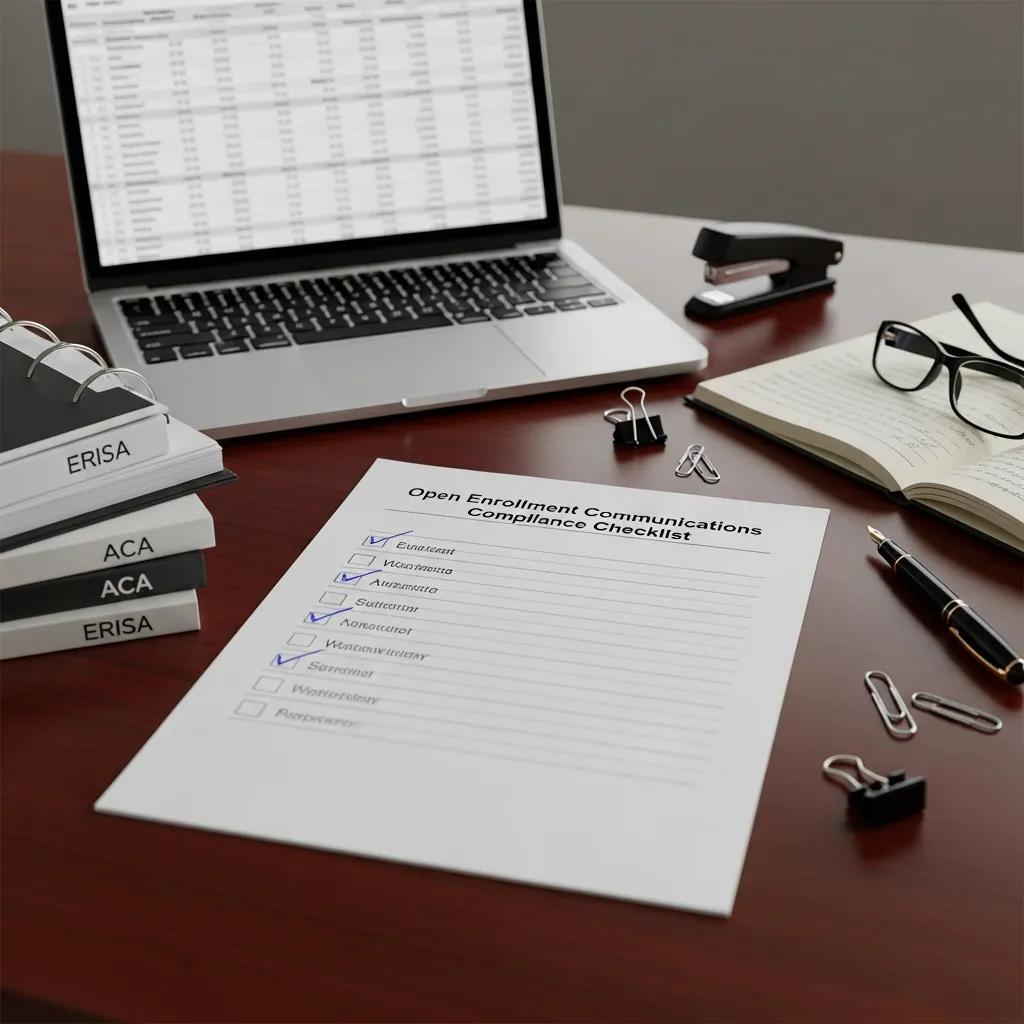
Compliance and regulatory considerations are critical in open enrollment communications. Employers must ensure messaging aligns with legal requirements, including: employer healthcare compliance services.
- Affordable Care Act Compliance: Ensure communications meet ACA requirements for health insurance offerings.
- ERISA Regulations: Adhere to ERISA guidelines regarding benefits communication and reporting.
Which Legal Requirements Must Be Included in Benefits Messaging?
Legal requirements for benefits messaging include:
- ACA Compliance: Clearly communicate health insurance options and coverage details as mandated by the ACA.
- IRS Reporting Requirements: Provide necessary information for tax reporting related to benefits.
How to Ensure Communication Plans Align with 2025-2026 Regulatory Updates?
To align communication plans with regulatory updates, organizations should:
- Stay Informed on Regulatory Changes: Regularly review updates from regulatory bodies to ensure compliance.
- Conduct Compliance Audits: Periodically assess communication materials for compliance with current regulations.
What Are Effective Product-Specific Enrollment Communication Strategies?
Effective product-specific enrollment communication strategies are essential for conveying details of specific benefits. These strategies should focus on:
- Communicating Group Health Options: Clearly explain various group health insurance options available to employees.
- Explaining QSEHRA and ICHRA Benefits: Provide detailed information on Qualified Small Employer Health Reimbursement Arrangements (QSEHRA) and Individual Coverage Health Reimbursement Arrangements (ICHRA).
How to Communicate Group Health, Dental, and Vision Insurance Options Effectively?
To communicate group health insurance costs, dental, and vision insurance options effectively, organizations should:
- Information Sessions: Host sessions to explain coverage details and answer employee questions.
- Clear Communication: Use straightforward language to describe benefits and costs associated with each option.
What Are Best Practices for Explaining QSEHRA and ICHRA Benefits to Employees?
Best practices for explaining QSEHRA and ICHRA benefits include:
- Clear Communication of Benefits: Ensure employees understand how these reimbursement arrangements work and their advantages.
- Facilitate Easy Enrollment: Provide straightforward enrollment processes to encourage participation.
How Do You Measure Whether Enrollment Communication Worked?
Enrollment communication is easy to spend money on and hard to evaluate, largely because the obvious metric — whether people enrolled — is driven by the deadline rather than by your materials. The measures that actually tell you something are these.
- Active election rate versus passive rollover. How many employees made a deliberate choice rather than defaulting into last year’s plan. A high passive rate on a year when plan designs changed is a communication failure regardless of how many people are covered.
- Plan migration relative to what the design intended. If you introduced an HSA-qualified option expecting a share of employees to move and almost none did, the message did not land — or the employer HSA contribution was too small to make it rational.
- Questions received, sorted by topic. Track what people asked HR during the window. Repeated questions on one subject identify exactly which material failed, which is more actionable than a satisfaction score.
- Post-enrollment corrections and mid-year change requests. Employees discovering in February that their election was wrong is the clearest signal that the decision support was inadequate.
- Dependent verification failures and missed deadlines, which usually reflect instructions rather than intent.
On return on investment, be careful what you accept. Vendors selling communication platforms frequently attribute claims-cost reductions to better enrollment decisions, and that chain of causation is long and poorly evidenced. The defensible case for investing here is fewer errors, fewer mid-year corrections and less HR time spent on the same questions — which are real and measurable — rather than a projected claims saving.
How to Implement and Monitor Open Enrollment Communication Plans Successfully?
Implementing and monitoring open enrollment communications requires careful planning and execution. Key steps include:
- Develop Tailored Communication Plans: Create strategies catering to specific employee population needs.
- Utilize Multiple Communication Channels: Disseminate information through various platforms to reach all employees.
What KPIs and Tools Track Enrollment Communication Effectiveness?
To track effectiveness, focus on key performance indicators (KPIs) such as:
- Participation Rates: Measure percentage of employees enrolling during open enrollment.
- Employee Satisfaction Levels: Gather feedback on understanding and satisfaction with benefits offered.
How to Use Internal Linking and Structured Data to Boost Content Authority?
Using internal linking and structured data enhances authority of enrollment communication materials. Organizations should:
- Develop Clear Communication Strategies: Ensure materials are well-structured and easy to navigate.
- Utilize Internal Linking: Link to relevant resources within the organization’s intranet, such as employee benefits consulting, group health insurance, and ACA compliance topics, providing employees easy access to additional information.
What Are Frequently Asked Questions About Open Enrollment Communications?
- What is the best way to communicate open enrollment to employees? The best approach combines clear, jargon-free messaging with multiple communication channels, including emails, workshops, and personalized consultations to ensure all employees understand their options.
- When should open enrollment communications begin? Communications should start several weeks before the enrollment period to provide ample time for education and decision-making, with regular reminders throughout the process.
- What should be included in open enrollment communications? Communications should include benefit options, costs, deadlines, support resources, and any changes from the previous year to help employees make informed choices.
- How can employers improve employee engagement during open enrollment? Employers can improve engagement by using interactive tools, personalized messaging, multiple communication channels, and providing ongoing support and education.
Conclusion: Partner with CFH Insurance Consultants for Effective Open Enrollment Strategies
Successful open enrollment communications and employee benefits open enrollment require strategic planning, clear messaging, and engaging delivery. CFH Insurance Consultants, with extensive experience helping Michigan employers navigate these processes, offers expert guidance to develop and implement effective open enrollment strategies. Partnering with CFH ensures your organization maximizes employee participation, compliance, and satisfaction. Contact CFH Insurance Consultants today to elevate your open enrollment communications and benefits consulting efforts.
For more information on related topics, explore our resources on group health insurance, ACA compliance, and comprehensive employee benefits consulting.
Additionally, understanding the nuances of group health insurance is crucial for both employers and employees during open enrollment.
For a deeper understanding of available options, exploring employee benefits packages can provide valuable insights into what best suits individual and organizational needs.
In addition to health coverage, it’s important to consider disability and life insurance options to provide comprehensive financial protection for employees and their families.
Questions We Get
The questions employers ask us most are answered in full on our resources page.
Unhappy with your current broker? Switch to CFH. Your employees won’t notice. You will.
Also from CFH: DOL proposed rule on electronic delivery of health plan notices · Vaccine coverage in employer health plans for 2027
Related Guides
Small Group Health Insurance Guide for Michigan Employers (2 to 50 Employees)
How small group health insurance works in Michigan and how to compare your options.
Fully Insured, Level-Funded and Self-Funded Plans Compared
The trade-offs between fully insured, level-funded and self-funded health plans.
Employer Benefits Guides: Eligibility, Plan Design, Life Events and Rules
Our library of plain-English guides on eligibility, plan design and compliance.
