

By CFH Insurance Consultants, CFH Insurance Consultants
Group health insurance plans are vital employee benefits that employers provide, encompassing a diversity of coverage types and specific eligibility requirements tailored to corporate teams. These insurance plans are designed to offer extensive health care access to employees and their dependents, significantly reducing individual out-of-pocket medical expenses. This article provides readers with in-depth insights into various group health insurance plans, detailing the comprehensive benefits for employees and critical considerations employers must evaluate when selecting appropriate coverage. A thorough understanding of these options can greatly enhance employee satisfaction and retention, while also supporting the financial stability and competitive advantage of a business. Topics covered include types of plans, coverage tiers, premium contribution models, preventive healthcare services, employee wellness incentives, eligibility standards, and strategic factors for employers to optimize their group health insurance offerings.
For those interested in exploring detailed plan options or obtaining quotes, comprehensive resources are available through the primary group health insurance hub.
Types of Plans
Group health insurance features several plan types, each tailored to accommodate different employee healthcare needs and employer budgets within corporate teams.
- Health Maintenance Organization (HMO): HMO plans require members to receive medical services exclusively from a designated network of providers. These plans tend to have lower premiums and reduced out-of-pocket expenses but typically mandate referrals to access specialist care, emphasizing coordinated, cost-efficient care management.
- Preferred Provider Organization (PPO): PPO plans provide more flexibility by allowing members to consult any healthcare provider or specialist without a referral, including out-of-network providers, though at higher cost-sharing levels and premiums. This flexibility caters to employees seeking broader provider choice.
- Exclusive Provider Organization (EPO): EPO plans operate similarly to HMOs by restricting coverage to in-network providers except for emergencies. However, they generally allow direct access to specialists within the network without referral requirements, balancing cost control with ease of access.
- Self-Insured Plans: Under this arrangement, employers directly assume the financial risk of employee health claims rather than paying fixed premiums to insurers. This can lead to long-term cost savings and customized benefits, especially for larger organizations with stable workforce health profiles.
- Level-Funded Plans: These hybrid plans combine aspects of self-insurance with traditional fully insured models, providing employers with predictable fixed monthly costs while allowing potential refunds if claims costs are lower than expected, thus offering financial control and risk mitigation.
By understanding these plan structures, employers can strategically select or customize group health insurance that aligns optimally with their workforce demographics and financial capabilities.
Coverage Tiers and Options
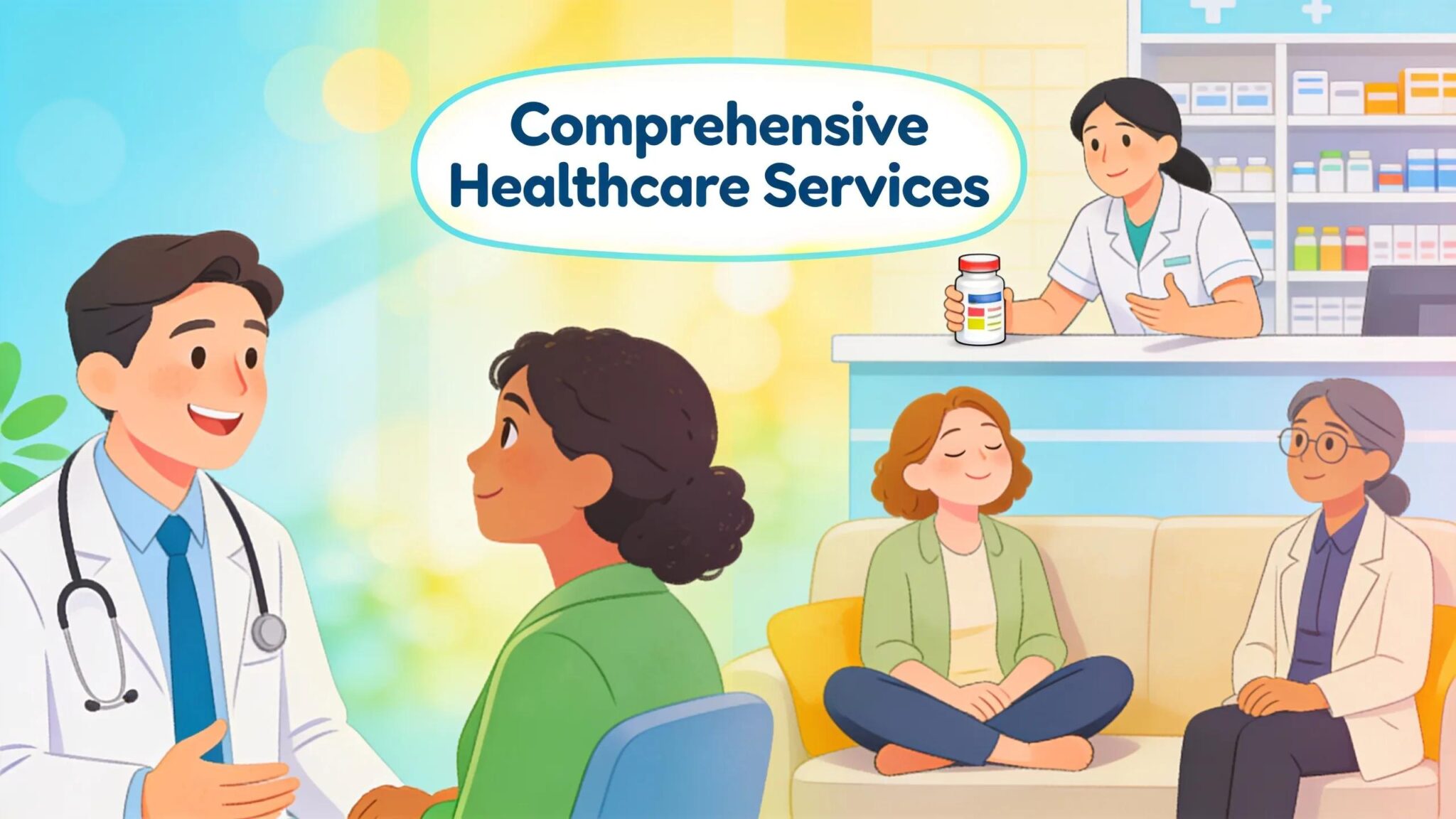
Group health insurance plans provide tiered coverage options designed to suit varied employee needs and organizational budgets. These tiers typically include Bronze, Silver, Gold, and Platinum levels, each offering different balances between premiums, deductibles, and covered services.
- Bronze Tier: Emphasizes lower monthly premiums with higher deductibles and co-pays. Suitable for employees preferring lower upfront costs and less frequent healthcare use.
- Silver Tier: Balances premiums and out-of-pocket costs, providing moderate coverage with preventive and essential services included.
- Gold Tier: Features higher premiums with reduced deductibles and co-pays, ideal for employees requiring regular medical care or ongoing treatments.
- Platinum Tier: Offers the most comprehensive coverage with the highest premiums but minimal out-of-pocket expenses, suitable for employees with significant healthcare needs.
This tiered system enables corporate teams to select coverage personalized to their preferences and health requirements, promoting workforce satisfaction and cost management.
Premium Contribution Models
Premium contributions for group health insurance plans vary based on employer strategy and plan structure. Common models include:
- Employer-Paid Premiums: Employers cover a substantial or full portion of the premium costs, relieving employees of financial burden and enhancing benefit attractiveness.
- Employer-Employee Cost Sharing: Premium costs are split between employers and employees, often with the employer covering 50% to 80%, balancing affordability and shared responsibility.
- Employee-Paid Premiums: Less common in group plans, this model requires employees to pay the entire premium, usually in specialized coverage scenarios or for additional benefits beyond a base plan.
Employers designing group health insurance plans must evaluate these premium contribution models to align incentives, control costs, and ensure competitiveness.
Preventive Healthcare Services
Preventive healthcare is a cornerstone of group health insurance plans aimed at maintaining employee health and reducing long-term costs.
- Routine Screenings and Immunizations: Plans typically cover vaccines, blood pressure checks, cholesterol tests, and cancer screenings without cost-sharing.
- Annual Wellness Visits: Encouraging yearly check-ups allows early detection of health issues and supports personalized health management.
- Health Risk Assessments: Some plans include tools for employees to evaluate lifestyle risks and receive targeted wellness advice, facilitating proactive care.
- Chronic Disease Management: Preventive care extends to managing conditions such as diabetes or hypertension through education and regular monitoring.
Incorporating comprehensive preventive services in group health insurance supports healthier corporate teams and minimizes costly medical interventions.
Employee Wellness Incentives
To promote a culture of health, many group health insurance plans integrate wellness incentives designed to motivate employees towards healthier behaviors.
- Financial Rewards: Reduced premiums, cash bonuses, or gift cards for participation in wellness programs, screenings, or achieving fitness goals.
- Health Program Access: Subsidized subscriptions to fitness centers, wellness apps, smoking cessation programs, and nutritional counseling.
- Flexible Work Arrangements: Policies encouraging physical activity, such as break periods for exercise or standing desks, enhance day-to-day wellness.
- Competitions and Challenges: Team-based health challenges fostering engagement and friendly competition contribute to improved morale and wellbeing.
These incentives embedded in group health insurance plans not only help reduce healthcare costs but also improve overall employee productivity and satisfaction.
Eligibility Criteria
Eligibility for group health insurance is governed by specific criteria, which employees and employers must clearly understand for effective enrollment and coverage management.
- Minimum Work Hours: Employees are typically required to work a minimum number of hours per week, commonly 30 hours, to qualify for group health benefits. This threshold aligns with regulatory standards and employer policy.
- Employee Classification: Full-time employees are generally eligible automatically, whereas part-time, seasonal, or temporary workers may have varied eligibility or exclusion based on employer discretion and plan rules.
- Waiting Periods: Many employers institute a waiting period post-hire, during which new employees must wait before enrolling in the insurance plan. This period varies but commonly ranges from 30 to 90 days.
Understanding and communicating these eligibility requirements help in maintaining compliance and ensuring employees receive intended coverage benefits. Employers interested in enhancing their employee benefits packages should integrate these factors into their human resource policies.
Benefits for Employees

Group health insurance offers extensive advantages that contribute to the health security and overall well-being of employees and their families.
- Cost-Effectiveness: By leveraging collective purchasing power, group plans reduce premium expenses for employees relative to individual insurance plans, making quality healthcare more affordable.
- Access to Care: Group insurance provides employees with access to expansive provider networks, including primary care physicians, specialists, and hospitals, facilitating comprehensive medical support.
- Comprehensive Coverage: Many group plans encompass a broad range of healthcare services, ensuring coverage of preventive care, emergency treatments, prescription medications, and behavioral health services, supporting holistic health management.
- Wellness Incentives: Participation in employer-sponsored wellness programs often enhances employee benefits through rewards and health improvement opportunities.
- Coverage Tiers Flexibility: Employees can select coverage levels within group plans that best match their healthcare needs and financial situations.
These benefits play a key role in elevating employee morale, improving health outcomes, and fostering loyalty and retention within organizations.
Key Employee Benefits Summary
- Lower Premium Costs: Employer contributions substantially subsidize group insurance premiums.
- Extensive Provider Networks: Employees can choose from a wider selection of healthcare providers and specialists.
- Inclusive Health Services: Group plans often include preventive, mental health, and chronic condition management supports.
- Wellness Rewards: Programs incentivize healthy lifestyle choices and preventive care participation.
Recognizing and promoting these benefits enhances organizational culture and workforce wellness.
Considerations for Employers
Employers must evaluate various strategic components to optimize group health insurance offerings that meet both organizational goals and employee needs.
- Cost Management: Employers need to balance plan comprehensiveness with affordability, considering premiums, deductibles, co-pays, and administrative expenses to ensure sustainable benefits financing.
- Regulatory Compliance: Compliance with federal and state healthcare laws, including the Affordable Care Act (ACA), ERISA, and state mandates, is essential to avoid costly penalties and ensure legal conformity.
- Employee Needs Assessment: Conducting surveys and analyzing workforce demographics help employers customize benefits that resonate with employee preferences and enhance satisfaction.
- Incorporating Preventive Services and Wellness Incentives: Integrating robust preventive care coverage and wellness programs into plans encourages healthier employees and can reduce claims costs over time.
- Flexible Premium Contribution Models: Choosing contribution structures that align with company budget and employee expectations fosters retention and engagement.
By integrating these considerations, employers can develop effective health insurance strategies that promote workforce attraction and retention. Additionally, they may evaluate flexible benefit models such as QSEHRA and ICHRA to tailor offerings to diverse employee needs.
Employer Selection Factors Overview
- Budget Constraints: Assessing all associated costs, including premiums, out-of-pocket maximums, and potential future claim liabilities.
- Compliance with Regulations: Ensuring health plans align with current laws and reporting requirements, such as ACA mandates and HIPAA protections.
- Understanding Employee Priorities: Evaluating the most valued coverage areas by employees, including mental health, prescription drugs, or specialist access.
- Wellness and Preventive Care Focus: Including health promotion elements to enhance plan value and reduce long-term expenses.
- Premium Contribution Approaches: Selecting funding models that ensure fiscal responsibility and employee satisfaction.
Deep analysis of these factors supports informed decisions, enhancing benefits efficacy and organizational performance.
How Group Health Insurance Plans Work
A clear understanding of the operational mechanisms behind group health insurance benefits employers and employees alike.
Group health insurance functions by pooling the risk among a large number of employee participants, reducing per capita costs of healthcare. Employers negotiate with insurance providers to secure group plans that offer coverage at discounted rates compared to individual policies. They typically subsidize a significant portion of premium payments, decreasing the financial burden on employees. Additionally, insurers coordinate payment arrangements with healthcare providers to control costs, enabling managed care benefits and predictable out-of-pocket expenses for insured individuals.
This risk-sharing model provides both financial protection and access benefits, underscoring the value of group health insurance plans for corporate teams across industries.
Comparison to Individual Health Insurance Plans
Comparing group health insurance plans to individual health insurance options elucidates key advantages and differences for both employers and employees.
- Cost Differences: Group plans typically offer lower premiums and cost-sharing due to risk spreading among many participants, whereas individual plans generally involve higher rates based on personal health risk factors.
- Coverage Options: Group insurance plans usually present broader coverage including essential health benefits, preventive care, and employer-funded enhancements. Individual plans may have limited services or higher exclusions.
- Eligibility and Enrollment: Group plans generally require minimal health screening and have more flexible enrollment periods, while individual plans often demand medical underwriting and have stricter enrollment windows.
This perspective highlights the economic and practical benefits of group health plans over individual insurance alternatives. Employers often complement health benefits with ancillary policies such as dental and vision insurance to provide comprehensive support for employee health needs.
Group vs. Individual Health Plans
- Cost-Effectiveness: Group plans leverage collective risk pooling to reduce insurance costs.
- Comprehensive Benefits: Group plans typically offer a wider range of covered services compared to individual plans.
- Accessibility: Group plans simplify enrollment and eligibility, in contrast with the individualized assessments often required for individual plans.
Understanding these distinctions empowers employees to make informed choices aligned with their healthcare requirements. Employers may also consider enriching their benefits packages with disability and life insurance coverages to support overall employee welfare.
Group Health Insurance in Michigan: Regional Networks & DIFS Regulations
Michigan employers and employees benefit from a robust healthcare ecosystem featuring prominent regional insurance providers and regulatory oversight designed to ensure fair market practices.
- Blue Cross Blue Shield of Michigan (BCBSM): As the largest health insurer in Michigan, BCBSM offers extensive HMO, PPO, and other group plan options with broad provider networks statewide, catering to diverse employer groups.
- Priority Health: A not-for-profit insurer serving Michigan businesses with customizable group health plans focusing on value-based care and wellness incentives.
- Corewell Health: The integrated health system formerly known as Beaumont and Spectrum Health, offering group plans through affiliated insurance products and provider networks emphasizing local care access.
- Henry Ford Health System: Provides health coverage options coupled with its hospital and physician group network, facilitating coordinated services for insured employees.
- Michigan Department of Insurance and Financial Services (DIFS): DIFS actively monitors and reviews small group health insurance rates to ensure compliance with state laws and protect consumers. Employers should remain informed about DIFS guidelines impacting premium adjustments and plan offerings in Michigan.
Employers in Michigan should consider these regional network providers and regulatory frameworks when selecting group health insurance plans to optimize coverage and compliance within the state.
Section 125 Cafeteria Plans and HDHP/HSA Tax Synergy
Leveraging Section 125 Cafeteria Plans in conjunction with High Deductible Health Plans (HDHP) and Health Savings Accounts (HSA) creates significant tax advantages for both employers and employees.
- FICA Tax Savings: Contributions made through a Section 125 plan reduce taxable wages, resulting in approximately 7.65% savings on employer and employee Federal Insurance Contributions Act (FICA) taxes combined.
- Michigan State Income Tax Deductions: Participants also benefit from roughly 4.25% deduction on Michigan state income taxes via these pre-tax contributions.
- HDHP/HSA Integration: Coupling HDHP coverage with HSA contributions offers employees a tax-advantaged way to pay for qualified medical expenses, further enhancing financial protection and healthcare affordability.
Employers structuring group health insurance plans can maximize these tax synergies by implementing Section 125 Cafeteria plans alongside HDHPs and HSAs, fostering cost efficiency and employee benefit value.
Author Bio
CFH Insurance Consultants Licensed Employee Benefits Consultant at CFH Insurance Consultants With extensive experience in employee benefits and insurance consulting, CFH specializes in guiding employers to optimal group health insurance solutions tailored to workforce needs and regulatory compliance. Connect with our team and explore comprehensive group health insurance options at CFH Insurance Consultants.
Questions We Get
The questions employers ask us most are answered in full on our resources page.
Related Reading
Unhappy with your current broker? Switch to CFH. Your employees won’t notice. You will.
