

By CFH Insurance Consultants, CFH Insurance Consultants
Group Health Insurance Flint Employers rely on is a critical factor in delivering competitive and comprehensive benefits that meet the unique needs of local workforces. Understanding the diverse options available allows both small businesses and industrial employers in Flint, Michigan, to strategically choose plans that balance budget with robust healthcare coverage. Given the impact of health insurance on employee satisfaction, retention, and productivity, this guide explores cost management strategies, specialized industrial employer plans, third-party administrator (TPA) management, and the vital benefits tailored for Flint employers. For expanded resources, visit the primary commercial hub for group health insurance costs.
Industrial Business Health Plans Tailored for Flint Employers
Flint’s rich manufacturing legacy and evolving economy create unique demands for group health insurance tailored to industrial businesses. Coverage must address workplace safety, chronic condition management, and preventative care to maintain workforce productivity. Flint experiences above-average rates of health challenges such as diabetes and hypertension, necessitating benefit packages that are both comprehensive and affordable.
Median household incomes below national averages intensify the need for cost-effective health plans that still offer quality benefits. Flint industrial employers benefit from customized solutions that consider local socioeconomic factors and community health trends. Collaborative expertise from advisors in nearby markets, including Employee Benefits Consulting in Lansing, MI and Employee Benefits Broker & Group Health Insurance in Grand Rapids, MI, supports Flint employers in crafting sustainable health insurance plans suited to industrial sector requirements.
Cost Containment Strategies for Flint Employers
Managing health insurance expenses effectively is a top priority for Flint employers aiming to maintain quality coverage without compromising financial health. Key cost containment strategies include:
- Leveraging Level-Funded Plans: These hybrid plans blend self-insurance benefits with fixed monthly payments, offering predictable budgeting and reduced exposure to high claim costs. Level-funded plans are particularly valuable for employers managing cash flow while delivering comprehensive coverage. For details, see level-funded health plans and what is a level funded health plan.
- Implementing Preventative Care and Wellness Programs: Proactive initiatives reduce costly health claims over time by promoting healthier lifestyles among employees.
- Utilizing Telemedicine and Digital Platforms: These services offer cost-effective access to care and streamline administrative processes, lowering overhead.
- Employing Transparent Cost Comparison Tools: Enables informed decision-making and competitive plan selection.
Additionally, Flint employers should monitor ancillary costs, such as administrative fees and wellness incentives, to optimize overall plan affordability.
Strategic Group Health Insurance Solutions for Flint Employers
Outsourcing claims processing and benefits administration to experienced TPAs allows Flint employers to focus on core business activities while ensuring compliance and efficient plan management. TPAs provide: employer healthcare compliance services.
- Claims Adjudication and Reporting: Ensures timely and accurate handling of employee healthcare claims.
- Regulatory Compliance: Keeps plans aligned with Michigan and federal health insurance mandates through 2026 and beyond.
- Cost Control Support: Identifies opportunities for expense reduction through data analysis and plan design optimization.
- Employee Communication: Facilitates clear benefits information dissemination, improving enrollment participation and satisfaction.
Employers considering TPAs should partner with providers experienced in Michigan’s market and industrial employer needs to maximize plan effectiveness.
Local Benefits and Support for Flint Employers Offering Group Health Insurance
Flint employers working with trusted local brokers and consultants gain access to tailored group health insurance solutions designed to meet regional workforce demands. These experts provide invaluable guidance on:
- Plan Selection: Matching businesses with cost-effective, comprehensive options including HMOs, PPOs, EPOs, HDHPs, fully insured, self-insured, and level-funded plans.
- Employee Enrollment Strategies: Streamlining communication and enrollment to maximize participation and satisfaction.
- Regulatory Updates: Ensuring compliance amidst evolving insurance laws and mandates.
- Benefit Customization: Developing packages that enhance retention and recruiting within Flint’s competitive labor market.
Resources such as Employee Benefits Consulting in Lansing, MI and Employee Benefits Broker & Group Health Insurance in Grand Rapids, MI are available to help Flint employers leverage regional knowledge and solutions.
Affordable Small Business Health Plans and Plan Options
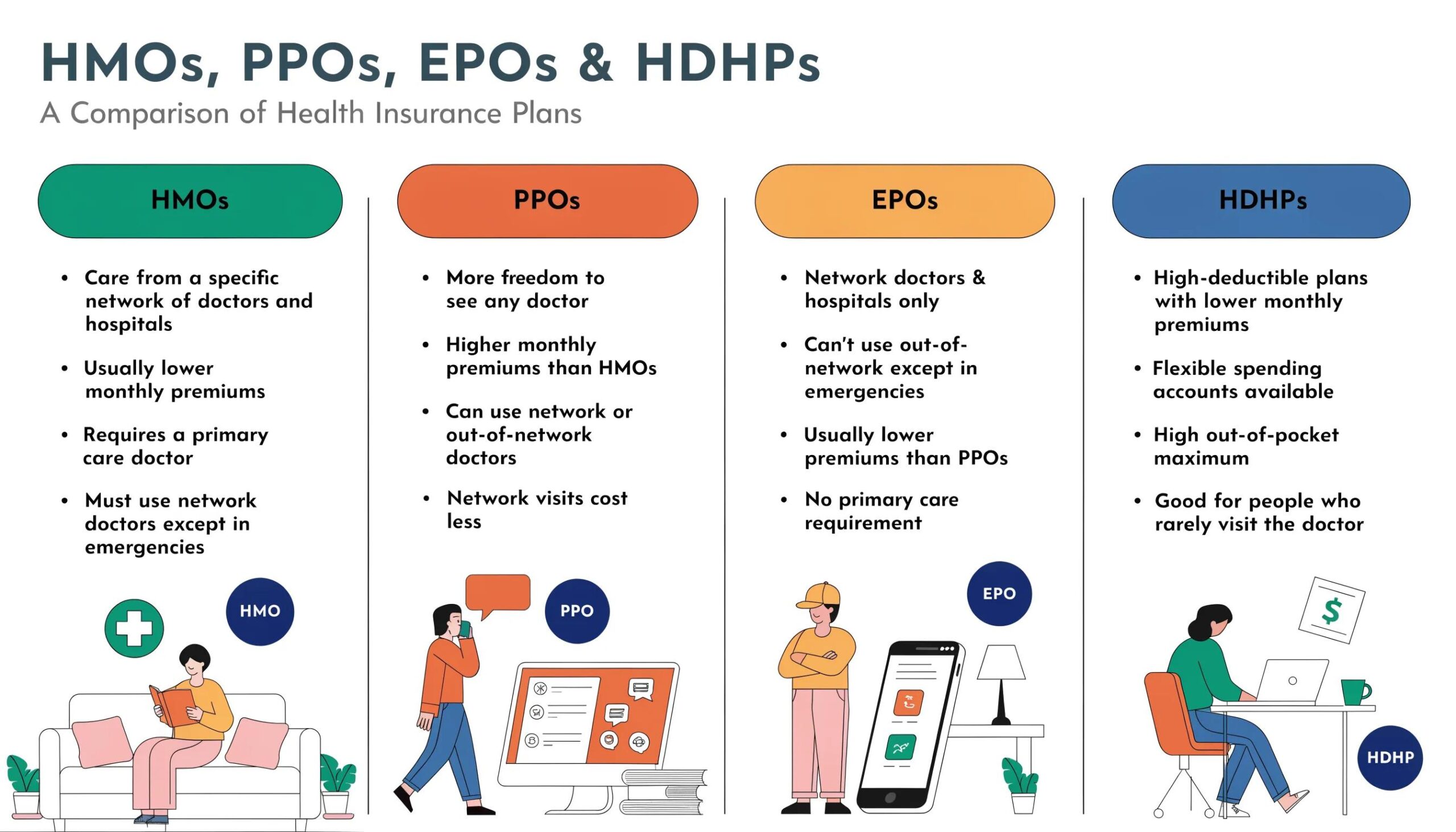
Small businesses and industrial entities in Flint have access to diverse group health insurance plans customized to fit organizational size, industry needs, and financial capacity. Highlighted plan types include:
Health Maintenance Organizations (HMOs)
Lower premium options requiring members to stay within a network and coordinate care through a primary care physician. HMOs provide cost predictability and are suitable for employers focused on affordability and care coordination.
Preferred Provider Organizations (PPOs)
Plans offering greater flexibility with broader provider access and no referrals needed, favored for employee choice but typically at higher premium costs.
Exclusive Provider Organizations (EPOs)
Cost-effective hybrid plans requiring in-network care, except emergencies, balancing lower premiums with managed access.
High Deductible Health Plans (HDHPs)
Lower premiums paired with higher deductibles, often combined with Health Savings Accounts (HSAs) to support tax-advantaged medical savings for employees.
Fully Insured Plans
Traditional coverage with fixed premiums paid to insurers who assume claim risks, ideal for employers seeking predictable budgeting and simplified administration.
Self-Insured Plans
Employers pay claims directly, gaining plan customization and cost savings opportunities but requiring robust financial and administrative capabilities.
Level-Funded Plans
Hybrid plans combining elements of self-insurance with fixed payments, offering budget predictability and potential cost benefits.
Comprehensive Employee Benefits Beyond Medical Coverage
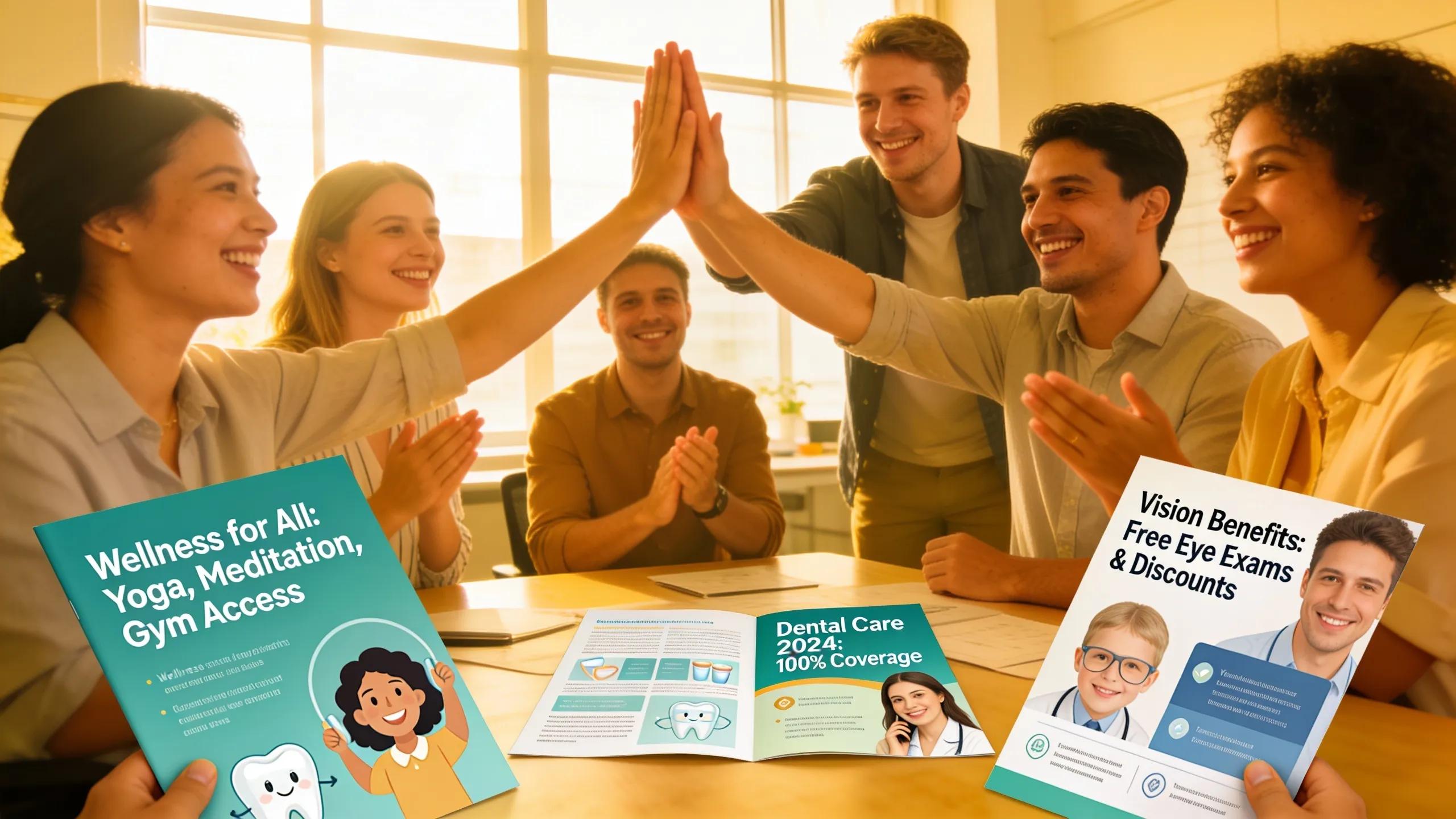
Flint employers enhance workforce well-being and retention by offering benefits that extend beyond traditional medical insurance, including:
- Dental and Vision Insurance
- Life and Disability Insurance
- Mental Health Resources and Wellness Programs
- Preventative Care Initiatives
These comprehensive benefits contribute substantially to employee satisfaction and competitiveness in Flint’s job market.
Flexible Health Reimbursement Arrangements (HRAs) for Flint Employers
Innovative plans such as Qualified Small Employer Health Reimbursement Arrangements (QSEHRA) and Individual Coverage Health Reimbursement Arrangements (ICHRA) give employers control over benefits spending while offering employees flexibility. QSEHRA supports smaller businesses with capped reimbursements, while ICHRA provides customizable options for employers of all sizes and employee classes.
Employee Enrollment and Effective Management Practices
Successfully enrolling employees and managing group health insurance costs require clear communication, employee education, and collaboration with experienced brokers. Best practices include:
- Transparent Communication: Regular informational sessions to educate employees on benefit options and enrollment timelines.
- Plan Customization: Offering multiple plan choices to meet diverse employee needs.
- Simplified Enrollment Processes: Utilizing technology to facilitate seamless participation.
Engaging knowledgeable partners, such as Employee Benefits Broker & Group Health Insurance in Grand Rapids, MI, enhances plan selection and administration efficiency.
Understanding Michigan Insurance Regulations and Their Impact
Compliance with Michigan’s evolving insurance regulations effective in 2026 is critical for Flint employers to avoid penalties and maintain optimal benefits. Staying informed through trusted advisory services ensures businesses adapt strategically to legislative changes.
Key Benefits of Group Health Insurance for Flint Employers
Adopting group health insurance yields significant advantages, including:
- Cost-Effectiveness: Pooled risk groups lower premiums compared to individual plans.
- Enhanced Employee Satisfaction: Comprehensive benefits improve morale and retention.
- Talent Attraction: Competitive health benefits draw skilled professionals in Flint’s labor market.
Collectively, these factors contribute to healthier, more engaged workforces and stronger organizational performance.
Where Flint Employers Can Find Trusted Brokers and Affordable Plans
Locating reputable health insurance brokers with local expertise is essential to navigating Flint’s group health insurance landscape. Employers should prioritize firms with proven experience in small business and industrial sectors, leveraging regional knowledge to align plans with budget and employee needs. Available resources include Employee Benefits Consulting in Lansing, MI and Employee Benefits Broker & Group Health Insurance in Grand Rapids, MI, providing comprehensive support throughout plan selection and management.
Conclusion: Optimizing Group Health Insurance for Flint Employers
For Flint employers, group health insurance is more than a regulatory requirement—it is a strategic investment in workforce well-being, retention, and competitive advantage. By leveraging specialized industrial plans, effective cost containment measures, TPA management, and local benefits expertise, employers can craft tailored coverage solutions that meet their unique needs and fiscal realities. Employing flexible reimbursement arrangements, offering comprehensive ancillary benefits, and adopting innovative technologies further enhance plan value. Staying informed on regulatory changes and partnering with trusted advisors ensures sustained success in managing group health insurance in Flint’s dynamic business environment.
Send us your renewal.
We’ll tell you whether it looks competitive, where we see opportunity, and the five questions we’d put to your carrier. No cost, and no obligation to move anything.
The renewal letter
Your current plan summary
Contribution split by tier
Enrolled counts by tier
Four documents — two more if your group is 50 or more. Nothing else; every extra one is a reason to postpone.
An independent employee benefits consulting firm. We look at the entire benefits program — cost, plan performance, risk and administration.
Bloomfield Hills, MI 48304
248.370.8853
Colorado Springs, CO 80921
719.425.2649
Houston, TX 77084
281.404.5670
Cookies on this site
We use cookies to keep the site working properly and to understand how it is used. You can decline anything that is not essential. See our Privacy Policy for the detail.
- Essential — needed for the site to load and for you to move around it. These cannot be switched off.
- Analytics — tell us which pages get read, so we know what is worth writing more of.
- Advertising — set by third parties such as ad and social platforms to measure and target campaigns.