
Employee Benefits Northville MI: Strategic Group Health Insurance Consulting for Local Employers
By CFH Insurance Consultants, Licensed Employee Benefits Consultant, CFH Insurance Consultants
In today’s highly competitive business environment, providing comprehensive, innovative, and locally tailored employee benefits is paramount for attracting and retaining top talent—especially for Northville, MI’s professional services, technology, and small-to-mid market corporate employers. Within Western Wayne and Oakland Counties, companies rely on strategic group health insurance consulting that leverages trusted local providers such as Corewell Health Farmington Hills/Novi, Trinity Health Livonia, and Henry Ford Health, alongside industry leaders like Blue Cross Blue Shield of Michigan (BCBSM) and Priority Health. This article explores how expert consulting integrates these key entities with specialized offerings including self-funded and level-funded group insurance plans, executive health perks, Section 125 pre-tax cafeteria plans, and compliance with ERISA and ACA regulations. Employers gain actionable insight to construct robust benefits packages that support workforce diversity, executive retention, and cost containment.
Strategic Group Health Insurance Consulting in Northville, MI
Effective employee benefits consulting tailored to Northville and the neighboring Oakland and Wayne County markets requires a nuanced understanding of local demographics, market dynamics, and regulatory complexities. Specialists in employee benefits Northville MI guide businesses through the intricacies of health insurance options, blending Corewell Health Farmington Hills/Novi and Trinity Health Livonia provider networks with top-tier insurance partners like BCBSM and Priority Health. Consulting services enable employers to customize plans utilizing strategies such as self-funded group insurance, level-funded health plans designed specifically for Oakland County employers, and Section 125 cafeteria plans that maximize employee pre-tax savings. This holistic approach ensures regulatory compliance with ERISA and ACA mandates while balancing cost efficiency and comprehensive coverage.
How Do Executive Benefits & Key Person Life/Disability Insurance Drive Retention and Risk Mitigation?
Northville’s corporate and professional services sectors increasingly incorporate executive benefits and key person life/disability insurance as vital components of talent retention and risk management strategies. These include enhanced healthcare options, supplemental retirement plans, deferred compensation schemes, and exclusive wellness incentives framed as executive health perks. Customized consulting assesses competitive benchmarks and individual executive needs, enabling businesses to craft attractive retention packages while protecting organizational continuity against key personnel turnover.
How Can ICHRA and QSEHRA Reimbursement Plans Offer Benefits Flexibility to Small and Mid-Sized Employers?
Individual Coverage Health Reimbursement Arrangements (ICHRA) and Qualified Small Employer Health Reimbursement Arrangements (QSEHRA) have emerged as powerful tools allowing Northville employers to provide flexible, tax-advantaged health benefits. These plans enable employers to reimburse employees for individual medical expenses and insurance premiums, empowering workforce choice and simplifying benefits administration. Expert consulting plays a critical role in plan design, IRS compliance, and effective employee communication, maximizing participation and satisfaction among diverse employee segments.
How Do Wellness Initiatives Enhance Comprehensive Benefits Packages in Northville?
Integrating wellness programs within employee benefits fosters healthier, more engaged workforces, simultaneously supporting cost savings. Northville employers commonly implement biometric screenings, mental health resources, smoking cessation assistance, nutrition guidance, and fitness incentive programs. Consultants develop tailored wellness frameworks that reflect corporate culture and employee interests, enhancing overall benefit appeal and organizational performance.
How Are Corporate Risk Mitigation and Compliance Supported in Oakland and Wayne Counties?
A robust employee benefits strategy is fundamental to mitigating corporate risks. Combining extensive coverage with wellness initiatives and diligent ERISA & ACA compliance reduces exposure to health risks, legal challenges, and regulatory penalties. Local consulting resources support employers by performing comprehensive benefits audits, implementing compliance frameworks, and monitoring Michigan-specific legislative updates to sustain organizational resilience.
How Do PPO, HMO, HDHP/HSA, and Level-Funded Plans Compare for Northville Employers?
What Are the Benefits of Professional Employee Benefits Consulting Services for Northville Employers?
Employers in Northville and surrounding metro areas benefit immensely from consulting services that deliver customized group health insurance and employee benefits solutions tailored to local workforce needs. These services include integration with Corewell Health Farmington Hills/Novi, Trinity Health Livonia, and Henry Ford Health networks, leveraging partnerships with BCBSM and Priority Health to offer competitive plans. Consulting experts offer deep market analysis, regulatory compliance guidance, and innovative strategies such as ICHRA & QSEHRA reimbursement plans and Section 125 pre-tax cafeteria plans that control costs while enhancing plan attractiveness. Ongoing support facilitates adaptability to legislative shifts and workforce trends, ensuring sustained competitive advantage in employee benefits.
Frequently Asked Questions: Employee Benefits for Northville Executives and HR Managers
1. How does Northville ensure ACA compliance for group health insurance plans?
Compliance is maintained through regular plan reviews, adherence to Affordable Care Act mandates, and implementation of ERISA-aligned benefit designs. Consulting specialists provide audits and education to ensure adherence to evolving federal and state regulations.
2. What role does the Michigan Department of Insurance and Financial Services (DIFS) play in small group rate reviews?
DIFS reviews and regulates small group insurance rate filings to promote fair pricing and market stability, ensuring employers in Northville receive equitable premium pricing aligned with state standards.
3. How are surplus funds handled with level-funded health plans?
Level-funded plans typically include surplus refund provisions where unused claims funds at year-end can be returned to the employer, thus providing a financial incentive to maintain healthy workforces.
4. What best practices exist for communicating employee benefits in Northville companies?
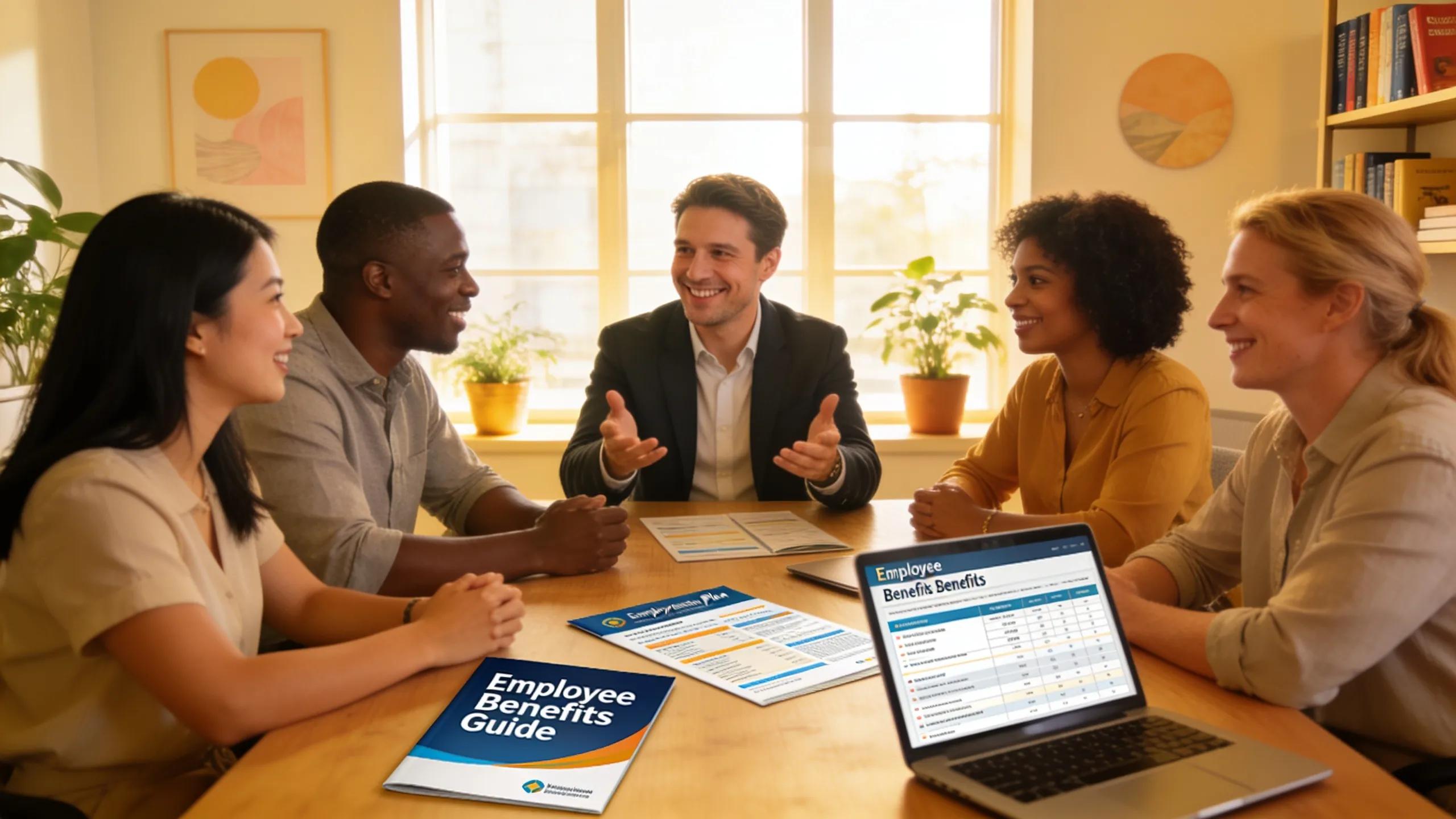
Best practices include clear, frequent, and multichannel communication strategies, such as meetings, digital portals, and printed materials, ensuring employees fully understand their benefits options and maximize program participation.
5. How do Section 125 pre-tax cafeteria plans contribute to employee benefits optimization?
Section 125 plans enable employees to pay for eligible benefits with pre-tax dollars, lowering taxable income and increasing take-home pay, thereby enhancing the overall attractiveness and affordability of benefits packages.
How Do Michigan Employers Benefit from Locally Aligned Group Health Insurance Options?
Michigan-tailored group health insurance plans meet diverse employer and employee needs through a portfolio of options offering various levels of coverage, network access, and cost-sharing structures. Regulatory compliance with the ACA and Michigan-specific insurance laws ensures these plans remain viable and beneficial. Partnerships with Corewell Health, Trinity Health, Henry Ford Health, BCBSM, and Priority Health provide a strong provider network foundation that enhances employee satisfaction and utilization.
Which Supplemental Benefits Enhance the Overall Employee Coverage Experience?
Supplemental benefits including dental, vision, disability, and life insurance add critical layers to employee protection while improving overall compensation packages. Integrating these with major medical plans demonstrates employer commitment to comprehensive care. For details, see our offerings on dental and vision insurance, disability, and life insurance plans.

Innovative solutions such as Qualified Small Employer Health Reimbursement Arrangements (QSEHRA) and Individual Coverage Health Reimbursement Arrangements (ICHRA) empower Northville employers to implement flexible, cost-effective reimbursement plans. These facilitate employer funding for various medical expenses, including health insurance premiums, ideally suited for small to mid-sized tech firms and professional service companies. To learn more, visit QSEHRA and ICHRA resources.
How Do QSEHRA and ICHRA Offer Michigan Small Businesses Cost and Tax Benefits?
These reimbursement arrangements provide significant advantages including improved cost control, tax deductibility for employers, and tax-free reimbursement for employees, fostering personalized health coverage while reducing administrative burdens.
What Are the Key Steps to Effectively Implement QSEHRA and ICHRA Plans with Expert Insight?
- Verify eligibility and structure appropriate plan parameters tailored to business size and employee demographics.
- Develop comprehensive plan documentation conforming with IRS and Department of Labor guidelines.
- Deliver clear, consistent employee communication and education to drive engagement and understanding.
What Comprehensive Employee Benefits Consulting Services Does CFHIC Provide in Northville MI?
CFH Insurance Consultants offers specialized advisory focused on Northville employers’ unique needs. Services encompass plan design, network integration with Corewell Health, Trinity Health, and Henry Ford Health, regulatory compliance management, cost optimization tactics like level-funded plans and Section 125 cafeteria plan administration, and risk mitigation. CFHIC’s holistic approach ensures benefits programs that are competitive, compliant, and conducive to employee attraction and retention.
How Can CFHIC Customize Benefits Packages to Boost Employee Retention in Northville’s Competitive Markets?
By conducting detailed workforce analyses and benchmarking, CFHIC crafts customized benefits and wellness initiatives that resonate with distinct employee segments, including executives. Inclusion of executive health perks, flexible reimbursement arrangements, and wellness programs enhances benefit appeal, reducing turnover and fostering loyalty.
What Regulatory Compliance Support Services Are Integral to CFHIC’s Employee Benefits Consulting?
CFHIC provides comprehensive compliance assistance including ERISA and ACA regulation audits, employee training sessions, monitoring of Michigan Department of Insurance and Financial Services (DIFS) updates, and proactive adjustment of benefits strategies to comply with new laws, ensuring peace of mind for HR and leadership teams.
How Should Northville Employers Strategically Choose Affordable Health Insurance Plans in Michigan’s Dynamic Market?
Strategic plan selection begins with assessing employee needs and budgetary frameworks, utilizing expert guidance to navigate offerings from major local networks and insurers. Engaging knowledgeable brokers and consultants like CFHIC helps employers access tailored solutions and negotiate favorable terms. For personalized consultation, visit CFHIC CONTACT.
What Factors Most Influence the Cost of Employer-Sponsored Group Health Insurance in Northville?
Costs are influenced by employee demographics (age, health status), claims history, plan design, network selections, and regional market trends. Awareness of these variables enables employers to forecast costs and implement effective risk management strategies.
How Do Supplemental Products Such as Dental and Vision Insurance Integrate into Cost-Effective Employee Benefit Plans?
Incorporating dental and vision coverage enhances total compensation packages, supports employee wellness, and can be offered via pre-tax mechanisms, optimizing plan value with controlled costs. These supplemental benefits increase satisfaction and reduce absenteeism related to untreated health issues.
Ready to Optimize Your Employee Benefits Strategy?
Partner with CFH Insurance Consultants to design, implement, and manage customized employee benefits tailored to Northville’s unique business landscape. Enhance retention, control costs, and ensure compliance with expert guidance.
Send us your renewal.
We’ll tell you whether it looks competitive, where we see opportunity, and the five questions we’d put to your carrier. No cost, and no obligation to move anything.
The renewal letter
Your current plan summary
Contribution split by tier
Enrolled counts by tier
Four documents — two more if your group is 50 or more. Nothing else; every extra one is a reason to postpone.
An independent employee benefits consulting firm. We look at the entire benefits program — cost, plan performance, risk and administration.
Bloomfield Hills, MI 48304
248.370.8853
Colorado Springs, CO 80921
719.425.2649
Houston, TX 77084
281.404.5670
Cookies on this site
We use cookies to keep the site working properly and to understand how it is used. You can decline anything that is not essential. See our Privacy Policy for the detail.
- Essential — needed for the site to load and for you to move around it. These cannot be switched off.
- Analytics — tell us which pages get read, so we know what is worth writing more of.
- Advertising — set by third parties such as ad and social platforms to measure and target campaigns.