

By CFH Insurance Consultants, CFH Insurance Consultants
In the rapidly evolving landscape of human resources, the integration of hr technology employee benefits solutions has become essential for organizations aiming to enhance efficiency and employee satisfaction. Benefits administration software streamlines the management of employee benefits, automating processes that were once time-consuming and prone to errors. This article explores how HR technology can transform employee benefits management, focusing on key features, advantages for HR departments, and the impact of benefits administration automation on operational efficiency. By addressing common challenges and showcasing the benefits of digital solutions, we aim to provide a comprehensive understanding of how these tools can optimize HR operations.
Related: how we help employers improve workforce health and control healthcare costs all year, not just at renewal.
14 min read
Key Features of Employee Benefits Management Software
Employee benefits management software is designed to simplify the management of employee benefits through various essential features. These features not only enhance user experience but also ensure compliance and efficiency in HR processes.
- User-Friendly Interface: A straightforward interface allows HR professionals and employees to navigate the system easily, reducing training time and increasing adoption rates.
- Integration with HR Systems: Seamless integration with existing HR systems ensures that data flows smoothly between platforms, minimizing the risk of errors and duplications.
- Mobile Accessibility: Employees can access their benefits information anytime, anywhere, which enhances engagement and satisfaction.
- Automation of Tasks: Routine tasks such as enrollment and updates are automated through benefits administration automation, freeing HR staff to focus on strategic initiatives.
- Compliance Guidance: The software provides tools to help organizations stay compliant with regulations, reducing the risk of penalties.
These features collectively contribute to a more efficient benefits administration process, allowing HR departments to focus on strategic initiatives rather than administrative tasks.
Deep Dive: Automated Enrollment and Carrier EDI Feeds
Automated Enrollment Processes
One of the cornerstone features of modern benefits administration software is automated enrollment. This allows employees to register for benefits via an online portal, dramatically reducing the need for paper forms and manual input. Automated workflows validate eligibility in real-time and streamline open enrollment periods, which traditionally require extensive HR involvement.
Carrier EDI Feeds
Electronic Data Interchange (EDI) feeds enable seamless communication between benefits administration software and insurance carriers. EDI feeds automate the exchange of enrollment data, eligibility updates, and terminations, ensuring data accuracy and timely updates. This integration reduces administrative overhead and prevents discrepancies between HR records and carrier systems.
Integration with Payroll Systems and ACA Reporting Compliance
Payroll Integration
Integrating employee benefits management software with payroll systems is vital for accurate benefits deductions and tax reporting. Integration allows automatic transfer of benefits deductions and contributions, minimizing manual errors and saving valuable HR time. This connection supports timely payroll processing and ensures reconciliation between benefits elections and payroll deductions.
ACA Reporting Compliance
Affordable Care Act (ACA) compliance remains a significant regulatory concern for employers. Advanced benefits administration software includes automated tools to collect, aggregate, and report data necessary for ACA compliance. These features include tracking full-time equivalency (FTE) employees, generating Forms 1094-C and 1095-C, and meeting IRS deadlines efficiently. Automated ACA reporting reduces the risk of compliance penalties and streamlines year-end processes.
Enhanced Employee Experience Through Self-Service Portals and Decision-Support Tools
Employee Self-Service Portals
Self-service portals empower employees by granting 24/7 access to their benefits information. Employees can review plan details, track enrollment status, update personal information, and manage dependents without HR intervention. This autonomy improves engagement, satisfaction, and reduces HR support demands.
Decision-Support Tools
Many modern platforms offer decision-support tools, such as benefits comparison charts, cost calculators, and personalized recommendations based on employee demographics and previous selections. These tools aid employees in making informed choices, potentially leading to better coverage decisions and cost savings.
Cost-Efficiency Benchmarks for Mid-Sized Employers
Mid-sized employers face unique challenges balancing comprehensive benefits with cost control. Benefits administration software can contribute significantly to cost-efficiency through automation and data analytics.
These benchmarks illustrate how investment in benefits administration technology can produce measurable efficiencies and cost savings for mid-sized firms.
Advantages of HR Technology Employee Benefits for HR Departments
The implementation of hr technology employee benefits software offers numerous advantages for HR departments, significantly improving their operational efficiency.
- Increased Efficiency: Benefits administration automation reduces the time spent on manual processes, allowing HR teams to allocate resources to more strategic activities.
- Cost Savings: By streamlining processes and reducing errors, organizations can save on administrative costs associated with benefits management.
- Improved Employee Satisfaction: A more efficient benefits enrollment process leads to higher employee satisfaction, as employees can easily access and manage their benefits.
- Enhanced Compliance: Automated compliance tracking helps HR departments stay updated with regulatory changes, minimizing the risk of non-compliance.
- Self-Service Portals: Employees can manage their benefits independently, reducing the workload on HR staff and empowering employees to take control of their benefits.
These advantages highlight the transformative impact of employee benefits management software on HR operations, making it a vital tool for modern organizations.
How Does Benefits Administration Automation Improve HR Efficiency?
Benefits administration automation significantly enhances HR efficiency by streamlining various processes that were traditionally labor-intensive.
Automation reduces the administrative burden on HR teams, allowing them to focus on strategic initiatives rather than routine tasks. By automating data entry and updates, organizations can improve data accuracy, which is crucial for effective benefits management. Furthermore, automation fosters enhanced employee engagement by providing real-time access to benefits information, enabling employees to make informed decisions about their benefits.
Indeed, research consistently highlights the pivotal role of information and communication technology in enhancing the efficiency of human resource management.
The cost savings associated with automation are also noteworthy. By minimizing manual errors and reducing the time spent on administrative tasks, organizations can allocate resources more effectively, ultimately leading to improved operational efficiency.
Optimizing Benefits Administration via HR Technology
HR technology employee benefits systems automate several key processes in employee benefits management, significantly improving efficiency and accuracy.
- Automated Enrollment Processes: Employees can enroll in benefits programs through an online portal, reducing paperwork and administrative overhead.
- Real-Time Data Updates: Changes to employee information are updated in real-time, ensuring that benefits data is always current and accurate.
- Compliance Management: Automated tools help track compliance with regulations, providing alerts for necessary updates and changes.
- Data Collection and Analytics: HR technology collects data on employee benefits usage, allowing for better analysis and decision-making.
- Self-Service Portals: Employees can access their benefits information and make changes independently, reducing the need for HR intervention.
These automated processes not only enhance efficiency but also improve the overall employee experience by providing timely and accurate information.
How Benefits Administration Automation Reduces Errors and Enhances Employee Satisfaction
Benefits administration automation plays a crucial role in reducing errors in benefits administration, which in turn enhances employee satisfaction.
Streamlined processes minimize the chances of human error, ensuring that employees receive the correct benefits information and services. Real-time updates and automated notifications keep employees informed about their benefits status, fostering a sense of transparency and trust. Additionally, self-service portals empower employees to manage their benefits independently, leading to increased satisfaction as they can access information and make changes at their convenience.
The user-friendly interfaces of these systems further contribute to a positive experience, as employees find it easy to navigate and utilize the available features.
Have a Renewal Coming Up?
Send us your renewal and we will tell you whether the increase is competitive. We review it at no cost, and you only need four documents.
Send Us Your RenewalKey Features of Digital Employee Benefits Management Software Platforms
Digital benefits platforms offer a range of features designed to enhance the management of employee benefits effectively.
- Automated Enrollment Processes: Simplifies the enrollment experience for employees, reducing administrative burdens.
- User-Friendly Interface: Ensures that both HR professionals and employees can easily navigate the system.
- Mobile Accessibility: Allows employees to access their benefits information on-the-go, increasing engagement.
- Compliance Support: Provides tools and resources to help organizations maintain compliance with regulations.
These features collectively enhance the efficiency and effectiveness of benefits administration, making employee benefits management software platforms an essential component of modern HR technology.
How Employee Self-Service Portals Enhance Benefits Enrollment Through HR Technology
Employee self-service portals significantly enhance the benefits enrollment process by providing employees with direct access to their benefits information.
These portals feature user-friendly interfaces that allow employees to view, manage, and enroll in benefits programs independently. Mobile accessibility ensures that employees can access their benefits information anytime, anywhere, which is particularly beneficial for remote or on-the-go employees. Additionally, self-service portals often include educational resources that help employees understand their options, leading to more informed decision-making.
By empowering employees to take control of their benefits, organizations can improve overall satisfaction and engagement through effective deployment of hr technology employee benefits solutions.
Integration Capabilities Between Employee Benefits Management Software and Payroll Systems
Integration between employee benefits management software and payroll systems is crucial for ensuring accurate and efficient benefits administration.
- Error Reduction: Seamless integration minimizes the risk of data entry errors, ensuring that employee benefits and payroll information are consistent.
- Time Savings: Automated data transfers between systems save time for HR staff, allowing them to focus on more strategic tasks.
- Improved Compliance: Integrated systems help ensure that benefits deductions are accurately reflected in payroll, reducing compliance risks.
- Enhanced Employee Experience: Employees benefit from a streamlined process where their benefits and payroll information are synchronized, leading to fewer discrepancies.
These integration capabilities highlight the importance of a cohesive HR technology ecosystem in optimizing benefits administration.
How CFH’s Multidisciplinary Team Supports Selection and Implementation of HR Technology Employee Benefits Systems
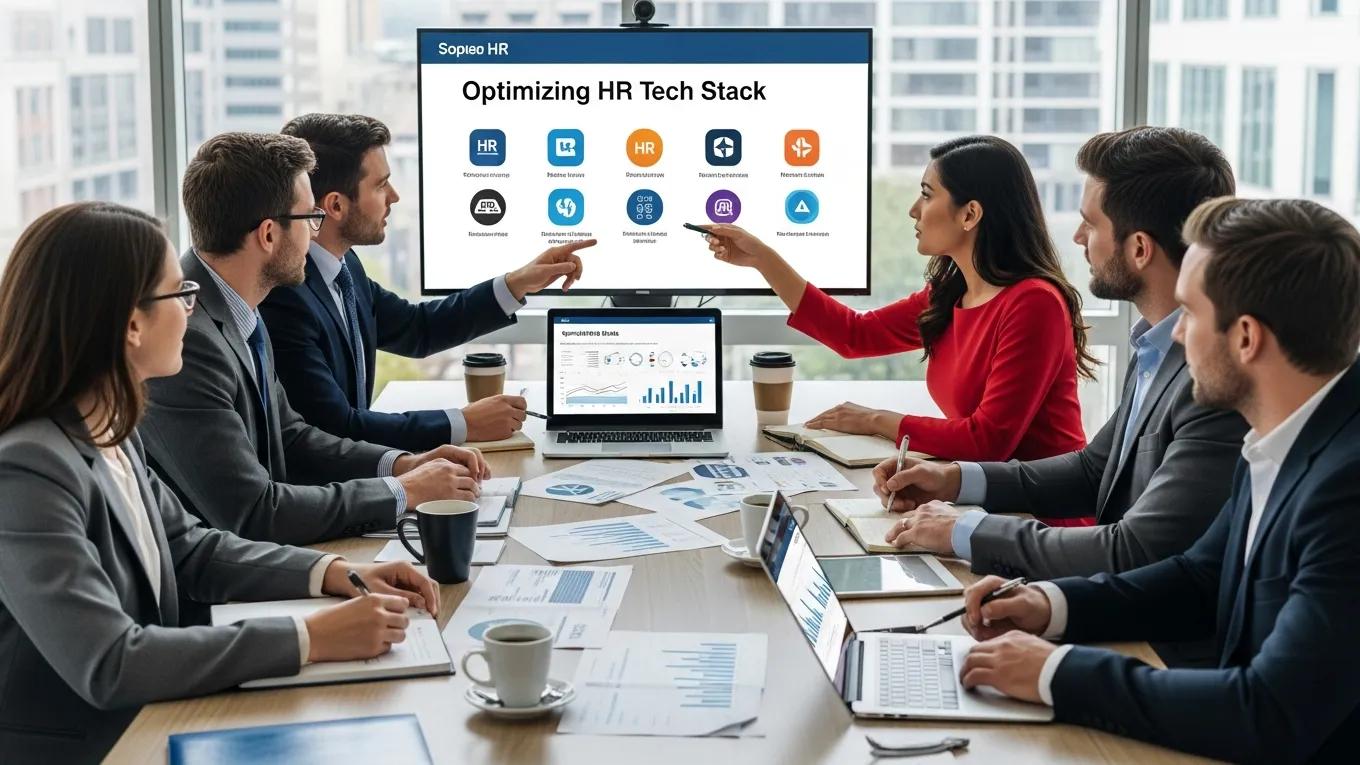
CFH’s multidisciplinary team plays a vital role in assisting organizations with the selection and implementation of the right hr technology employee benefits stack.
- Comprehensive Needs Assessment: CFH conducts thorough assessments to understand the specific needs of each organization, ensuring that the selected technology aligns with their goals.
- Carrier and Plan Selection: The team helps organizations choose the best carriers and plans that meet their employees’ needs while also considering cost-effectiveness.
- Benefits Design and Communication: CFH assists in designing benefits programs that are attractive to employees and effectively communicates these options to the workforce.
- Enrollment and Technology Integration: The team ensures that the enrollment process is seamless and that the technology integrates smoothly with existing systems through benefits administration automation.
This comprehensive support helps organizations navigate the complexities of HR technology, leading to successful implementations.
CPAs Providing Financial Validation and ROI Analysis for Employee Benefits Management Software
Certified Public Accountants (CPAs) play a crucial role in validating the financial aspects of benefits administration.
- Financial Validation: CPAs ensure that the financial implications of benefits programs are thoroughly analyzed, providing organizations with confidence in their decisions.
- ROI Analysis: By assessing the return on investment for various benefits programs, CPAs help organizations understand the financial impact of their benefits offerings.
This financial oversight is essential for organizations looking to optimize their benefits administration while maintaining fiscal responsibility.
Attorneys Providing Legal Vetting for ERISA/HIPAA Compliance and Vendor Contracts in Benefits Administration Automation
Attorneys are instrumental in ensuring that benefits administration complies with legal requirements.
- Legal Vetting: Attorneys review benefits programs to ensure compliance with ERISA and HIPAA regulations, protecting organizations from potential legal issues.
- Compliance Assurance: By providing legal guidance, attorneys help organizations navigate the complexities of benefits administration and maintain compliance.
This legal oversight is critical for organizations to mitigate risks associated with benefits management.
HR Experts Providing Operational Alignment and Change Management in Employee Benefits Management Software Implementation
HR experts facilitate operational alignment and change management during the implementation of benefits administration software.
- Integration of HR Systems: Experts ensure that new technology aligns with existing HR systems, promoting a cohesive operational framework.
- Automation of Administrative Tasks: By automating routine tasks through benefits administration automation, HR experts help organizations streamline their operations and improve efficiency.
- Training and Support: Providing training and ongoing support ensures that HR staff can effectively utilize the new employee benefits management software, maximizing its benefits.
This expertise is essential for organizations looking to successfully implement and leverage benefits administration software and related HR technology.
How HR Technology Employee Benefits Software Ensures Compliance in Employee Benefits Management
HR technology employee benefits systems play a vital role in ensuring compliance in employee benefits management.
- Regulatory Requirements: The software is designed to help organizations meet regulatory requirements, reducing the risk of non-compliance.
- Tracking Mechanisms: Automated tracking features ensure that organizations stay updated with changes in regulations, allowing for timely adjustments to benefits programs.
- Reporting Features: Comprehensive reporting capabilities provide organizations with the necessary documentation to demonstrate compliance during audits.
These compliance features are essential for organizations to navigate the complex landscape of employee benefits management effectively.
Compliance Challenges Addressed by Benefits Administration Automation and Employee Benefits Management Software
Benefits administration automation and employee benefits management software address several compliance challenges faced by organizations.
- Automated Compliance Tracking: The software automates the tracking of compliance requirements, reducing the administrative burden on HR teams.
- Real-Time Updates: Organizations receive real-time updates on regulatory changes, ensuring that their benefits programs remain compliant.
- Self-Service Portals: These portals empower employees to manage their benefits, reducing the risk of errors and compliance issues.
By addressing these challenges, benefits administration software enhances the overall compliance posture of organizations.
How Automated Tools in HR Technology Support Regulatory Updates and Reporting
Automated tools play a crucial role in supporting regulatory updates and reporting in hr technology employee benefits management.
- Automation of Administrative Tasks: By automating routine tasks, organizations can focus on more strategic initiatives while ensuring compliance.
- Real-Time Updates: Automated tools provide real-time updates on regulatory changes, allowing organizations to adapt their benefits programs accordingly.
- Accurate Documentation: Comprehensive reporting features ensure that organizations maintain accurate records for compliance purposes.
These automated tools are essential for organizations looking to streamline their benefits administration processes while ensuring compliance.
Modern Reimbursement Arrangements Like QSEHRA and ICHRA Managed by Employee Benefits Management Software
Modern reimbursement arrangements, such as Qualified Small Employer Health Reimbursement Arrangements (QSEHRA) and Individual Coverage Health Reimbursement Arrangements (ICHRA), offer innovative solutions for employee benefits.
- QSEHRA Features and Benefits: QSEHRA allows small employers to reimburse employees for individual health insurance premiums and qualified medical expenses, providing flexibility and cost control.
- ICHRA Features and Benefits: ICHRA enables employers of all sizes to reimburse employees for individual health insurance premiums, offering a customizable approach to benefits.
These arrangements provide employers with greater flexibility in managing employee benefits while empowering employees to choose the coverage that best meets their needs.
How HR Technology Manages QSEHRA and ICHRA Effectively Through Benefits Administration Automation
HR technology employee benefits tools effectively manage QSEHRA and ICHRA by providing solutions that streamline the administration of these reimbursement arrangements.
- Software Solutions: HR technology offers software solutions that simplify the management of QSEHRA and ICHRA, ensuring compliance and efficiency through benefits administration automation.
- Cost Control: By automating reimbursement processes, organizations can better control costs associated with employee benefits.
- Flexibility and Customization: HR technology allows organizations to customize their reimbursement arrangements to meet the unique needs of their workforce.
This effective management of QSEHRA and ICHRA enhances the overall employee benefits experience.
Benefits of Automated Reimbursement Solutions for Employers and Employees Using Employee Benefits Management Software

Automated reimbursement solutions provide significant benefits to both employers and employees.
- Cost Control: Employers can better manage their benefits costs through automated reimbursement processes enabled by employee benefits management software.
- Tax Advantages: Reimbursement arrangements can offer tax benefits for both employers and employees, making them a financially attractive option.
- Choice and Personalization: Employees benefit from the ability to choose their own health insurance plans, leading to greater satisfaction and engagement.
These benefits highlight the value of automated reimbursement solutions in modern employee benefits management.
To learn more about employee benefits and how they can help your organization, contact us today.
For businesses seeking comprehensive group health insurance options, CFH offers tailored solutions.
Our team can also assist with dental and vision plans to enhance your employee benefits package.
Questions We Get
The questions employers ask us most are answered in full on our resources page.
Unhappy with your current broker? Switch to CFH. Your employees won’t notice. You will.
Also from CFH: AI in employee benefits: what employers need to know about vendor risk
Related Guides
Small Group Health Insurance Guide for Michigan Employers (2 to 50 Employees)
How small group health insurance works in Michigan and how to compare your options.
Fully Insured, Level-Funded and Self-Funded Plans Compared
The trade-offs between fully insured, level-funded and self-funded health plans.
Employer Benefits Guides: Eligibility, Plan Design, Life Events and Rules
Our library of plain-English guides on eligibility, plan design and compliance.
Frequently Asked Questions
What does benefits administration software do?
It manages enrollment, eligibility, carrier connections and often payroll and ACA tracking from one system.
Why use it?
It reduces errors, saves HR time and improves employee self-service.
Does it connect to payroll?
Most platforms integrate with major payroll systems, though the mechanics and timing vary.
Can you help with implementation?
Yes. We help set up eligibility, carrier feeds and open enrollment.
