
Business Insurance Solutions for Detroit Companies: Comprehensive Coverage and Cost Guidance
By Andrew Henze, CFH Insurance Consultants
Navigating the complex and ever-evolving landscape of business insurance can be a daunting task for many companies operating in Detroit. The diverse risks associated with running a business encompass property damage, legal liability, data security, and operational interruptions. Understanding the right insurance coverage is essential for not only financial protection but also regulatory compliance and long-term business resilience. This comprehensive guide delves deep into various business insurance solutions tailored to Detroit companies, focusing on critical coverage options, strategic cost guidance, key considerations for policy selection, and the multifaceted benefits of different insurance policies. Equipped with this knowledge, Detroit business owners and managers can confidently make informed decisions that enhance their operational resilience and mitigate potential financial risks.
Essential Coverage Options

Selecting the appropriate business insurance begins with a thorough assessment of essential coverage options that address the unique risks faced by Detroit-based companies. Business insurance comprises a range of specific policy types, each designed to protect against various forms of liabilities, operational risks, and uncertainties.
Commercial Property Insurance
Commercial property insurance remains a cornerstone in safeguarding a company’s tangible assets. This policy protects physical properties—including buildings, machinery, equipment, and inventory—from damages caused by fire, theft, vandalism, or natural disasters such as floods or severe weather events. Having robust commercial property insurance allows Detroit businesses to quickly recover financially from significant asset losses and supports continual business operations. Without this critical coverage, companies risk catastrophic financial setbacks that could jeopardize their survival.
General Liability Insurance
General liability insurance is fundamental for shielding businesses from claims related to bodily injury, property damage, personal injury, and advertising liabilities. Particularly vital for businesses engaging with customers, vendors, or the public on-site, it offers a financial safeguard against costly lawsuits or settlements. This policy underpins business stability by covering legal fees and damages that may arise from accidents or mistakes, enabling companies to focus on growth without facing debilitating legal exposure.
Professional Liability Insurance
Also known as errors and omissions insurance, professional liability insurance is indispensable for service-oriented industries where advice, expertise, or professional services are offered. This coverage shields businesses and professionals—such as consultants, accountants, legal advisors, and healthcare providers—from lawsuits alleging negligence, errors, or inadequate performance of professional duties. Obtaining tailored professional liability insurance is crucial for protecting a company’s reputation and financial well-being against client claims.
Cyber Liability Insurance
In today’s digital age, cyber liability insurance has become essential for all businesses, especially those in Detroit’s growing tech and financial sectors. This coverage protects against financial losses stemming from cyberattacks, data breaches, ransomware incidents, and other technology-related risks. Cyber liability policies typically cover expenses such as forensic investigations, customer notification, credit monitoring services, legal defense costs, and regulatory fines. Given the increasing sophistication of cyber threats and the volume of sensitive customer data managed, prioritizing cyber liability can mitigate significant financial and reputational harm.
Business Interruption Insurance
Business interruption insurance provides indispensable financial assistance when a company experiences a temporary closure or reduced operations due to covered incidents such as natural disasters, fires, or other unforeseen events. This policy compensates for lost income and ongoing operational expenses, enabling businesses to maintain cash flow and recover more quickly from disruptions. By providing a safety net during difficult times, business interruption insurance supports sustained viability and investor confidence.
Cost Guidance
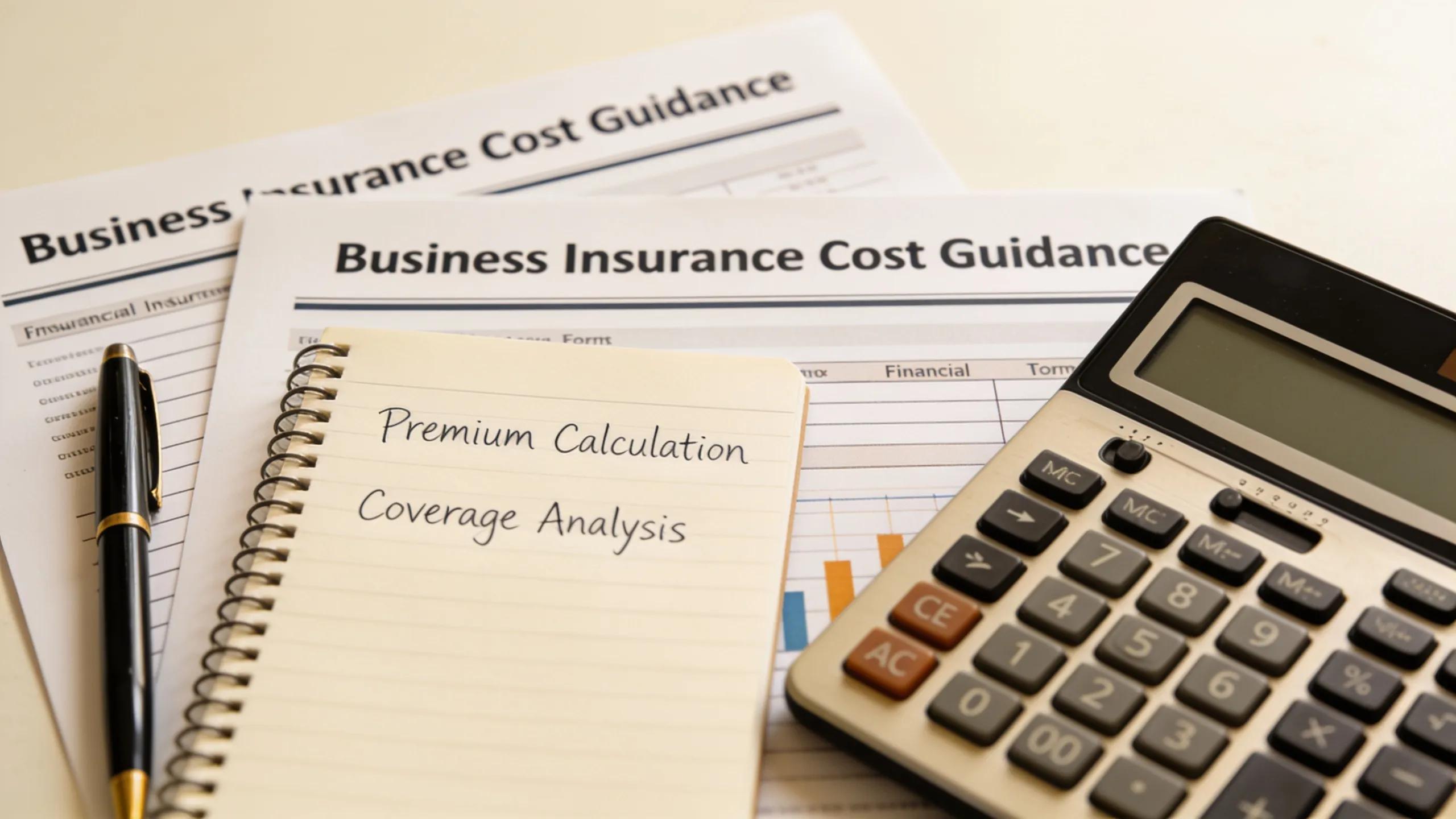
Understanding the multitude of factors influencing business insurance premiums is vital for effective cost management and budgeting. Several key determinants cause significant variations in insurance costs across companies:
- Size and Revenue Impact: Larger organizations or those generating high revenues frequently face higher premiums, reflecting the increased value of assets and scale of operations requiring protection.
- Industry and Risk Profiles: Businesses operating in inherently hazardous sectors such as construction, healthcare, manufacturing, or food service typically experience elevated insurance costs because of heightened liability and operational risks.
- Claims History and Risk Management: A company’s historical claims experience strongly affects future premium rates. Insurers reward businesses with clean or minimal claims records by offering more competitive rates, whereas frequent claims often result in increased costs. Active risk management programs can help reduce claims and premium spikes.
- Compliance with Local and State Regulations: Maintaining adherence to Detroit and Michigan’s regulatory frameworks and industry-specific guidelines can influence coverage requirements and pricing structures. Proactively understanding and implementing these regulations benefits businesses seeking optimal coverage and pricing.
Key Considerations When Selecting Business Insurance
Choosing the right insurance policy requires a strategic approach centered on the following considerations:
- Comprehensive Risk Assessment: Conduct a detailed evaluation of your business risks, including physical assets, operational exposures, digital vulnerabilities, and legal liabilities, to identify which insurance coverages are crucial.
- Engage Competent Insurance Professionals: Collaborate with local insurance brokers or specialists who have in-depth knowledge of Detroit’s business environment and regulatory landscape to gain tailored advice and cost-efficient solutions.
- Policy Comparison and Customization: Analyze policy options from multiple insurers, focusing on coverage scope, exclusions, limits, deductibles, and endorsements, to ensure comprehensive protection aligned with your unique business needs.
Benefits of Robust Business Insurance Policies
Investing in well-rounded business insurance policies yields significant advantages that contribute to an organization’s durability and success:
- Enhanced Financial Security: Insurance coverage serves as a financial buffer against potentially devastating losses, empowering businesses to rebound swiftly from adverse events.
- Improved Talent Acquisition and Retention: Offering competitive and comprehensive insurance benefits can be a decisive factor for prospective employees and fosters a supportive work environment that retains key personnel.
- Boosted Employee Confidence and Productivity: Knowing the business is safeguarded against diverse risks increases employee morale, which can lead to higher engagement and workplace satisfaction.
Choosing the Right Insurance Provider in Detroit
The selection of an insurance provider is equally important as choosing the right coverage. Consider the following recommendations when evaluating potential insurers: a guide for mid-size employers
- Reputation and Financial Stability: Investigate each insurer’s market reputation, customer service quality, claims processing efficiency, and financial strength to ensure reliable support during critical times.
- Utilize Licensed Insurance Brokers: Partner with brokers who have strong local market knowledge and access to multiple insurance carriers, facilitating competitive pricing and customized policy designs.
- Compare Multiple Quotes Systematically: Collect and evaluate several quotes to balance cost, coverage limits, exclusions, and insurer reputation, ensuring optimal value for your business investment.
What Are the Essential Business Insurance Types for Detroit Companies?
Detroit companies face a broad spectrum of risks necessitating various insurance types. Key essential business insurance policies include: group health insurance for companies
- Commercial Property Insurance: Protects a company’s physical assets and infrastructure.
- General Liability Insurance: Mitigates risks from claims involving injury or property damage.
- Professional Liability Insurance: Crucial for businesses providing specialized services.
- Cyber Liability Insurance: Shields against increasing digital and data-related vulnerabilities.
- Business Interruption Insurance: Ensures financial support during operational downtime.
Having a clear understanding of these coverage types equips Detroit businesses to confront diverse operational challenges effectively.
How Does Commercial Property Insurance Protect Detroit Businesses?
Commercial property insurance plays an indispensable role in securing Detroit enterprises by covering the economic impacts of damage to buildings, equipment, and other physical assets. When faced with occurrences such as fires, storms, or theft, this insurance facilitates prompt recovery by funding repairs or replacements, enabling businesses to maintain continuity. Additionally, it offers peace of mind to business owners, ensuring their investments are protected against unforeseen physical threats that could disrupt operations.
Why Is Small Business Liability Insurance Critical in Michigan?
Small business liability insurance is of paramount importance in Michigan due to the continuous potential for lawsuits and claims arising from third-party injuries or damages occurring on business premises or during operations. This insurance not only protects the tangible assets and financial stability of small businesses but also strengthens their professional image and credibility with clients and partners. Without liability coverage, small businesses could face severe financial strain or even closure in the event of legal claims.
How to Ensure Regulatory Compliance for Detroit Business Insurance?
Maintaining compliance with Detroit and Michigan insurance regulations requires businesses to implement several best practices to minimize regulatory risks and legal complications:
- Verify Required Coverage: Confirm that all legally mandated and industry-specific insurance coverages are in place and up to date.
- Maintain Detailed Documentation: Keep accurate, thorough records of all insurance policies, claims, and related communications to demonstrate compliance during audits or inspections.
- Establish Risk Management Programs: Develop workplace safety initiatives and operational protocols that reduce exposure to risks and satisfy compliance standards.
By proactively managing compliance, Detroit businesses not only avoid penalties but also create safer and more stable operational environments.
How Can Detroit Companies Compare Business Insurance Quotes Effectively?
Effectively comparing business insurance quotes involves adopting a structured approach that ensures clarity and optimal decision-making. Recommended steps include:
- Conduct a Needs Analysis: Clearly identify required insurance types and coverage limits based on your business’s risk profile and operational scope.
- Gather Detailed Quotes: Secure comprehensive quotes that outline coverage inclusions, exclusions, premiums, deductibles, and policy terms.
- Leverage Digital Comparison Platforms: Utilize reputable online tools to streamline quote comparisons and evaluate competing policy offerings efficiently.
This methodical process empowers Detroit companies to balance affordability with adequate protection tailored to their operations.
What Factors Influence Business Insurance Costs in Detroit?
Several critical factors influence business insurance pricing in Detroit, including:
- Company Size and Revenue: The magnitude of assets and operational scope directly correlates with premium costs.
- Industry Risk Exposure: Businesses in high-risk sectors face elevated insurance premiums due to increased likelihood of claims.
- Historical Claims Record: A solid track record with few or no past claims tends to secure more favorable premium rates.
Having insight into these determinants allows businesses to anticipate expenses and strategically manage their insurance budgets for maximum efficiency. For more information on pricing, visit insurance premiums.
How to Use Price Comparisons to Choose the Right Business Insurance?
Price comparisons are a crucial tool for selecting effective business insurance and should be conducted as follows:
- Collect Multiple Quotes: Obtain policy quotations from diverse insurers to explore different pricing structures and coverage features.
- Analyze Coverage Details: Scrutinize each policy’s inclusions, exclusions, coverage limits, and deductibles to ensure comprehensive protection beyond just premium amounts.
- Consider Insurer Reputation and Service: Evaluate insurance providers’ customer service, claims handling efficiency, and financial stability to prioritize reliable long-term partnerships.
This comprehensive evaluation balances cost considerations with coverage adequacy, fostering informed decision-making.
Where to Find Trusted Business Insurance Brokers in Detroit?
Securing a reputable business insurance broker is essential for accessing optimal policy solutions suited to Detroit’s dynamic marketplace. Key criteria in identifying dependable brokers include:
- Industry-Specific Expertise: Look for brokers with proven experience in your business sector who understand its unique risks and coverage needs.
- Comprehensive Service Offerings: Choose brokers providing end-to-end services including risk assessment, policy sourcing, claims support, and ongoing consultation.
- Positive Client Testimonials: Seek references or reviews from satisfied clients that vouch for the broker’s professionalism and effectiveness.
Following these guidelines helps business owners secure a knowledgeable and trustworthy insurance broker that adds significant value.
What Services Do Detroit Business Insurance Brokers Provide?
Business insurance brokers facilitate several essential services designed to simplify risk management and insurance procurement for Detroit businesses:
- Access to Diverse Coverage Options: Brokers offer insight into a broad spectrum of insurance products, tailoring options to specific business profiles and risk exposures.
- Personalized Risk Consulting: Customized consultations help identify gaps in existing coverage and recommend improvements aligned with business objectives.
- Strategic Cost Efficiency: Brokers leverage their market knowledge and relationships to negotiate competitive premiums and minimize overall insurance expenses without sacrificing protection quality.
Utilizing broker services optimizes insurance strategies, leading to enhanced protection and operational peace of mind.
How to Select the Best Insurance Broker for Your Detroit Business?
Choosing an ideal insurance broker involves a careful assessment of the following criteria:
- Local Market Mastery: Select brokers with strong familiarity with Detroit’s insurance market, regulatory environment, and regional business risks.
- Clear and Effective Communication: Prioritize brokers who articulate policy options transparently and maintain responsive client support.
- Comprehensive Service Portfolio: Opt for brokers offering varied services that cover not only policy procurement but also risk analysis and claims advocacy.
By evaluating these dimensions, Detroit business leaders can engage brokers who bolster their risk management frameworks.
Which Specialized Business Insurance Solutions Are Growing in Demand in Detroit?
In response to changing business environments and emerging risks, certain specialized insurance solutions have seen heightened demand in Detroit:
- Cyber Liability Insurance: As companies digitize operations, protection against cyber threats and data breaches has become essential.
- Regulatory Compliance Insurance: Increased regulatory oversight encourages businesses to seek insurance coverage addressing compliance-related exposures.
- Customized Insurance Policies: Businesses increasingly desire tailored insurance solutions that align closely with their unique operational risks and strategic priorities.
Awareness of these trends enables Detroit companies to anticipate and integrate relevant coverage enhancements proactively.
Why Is Cyber Liability Insurance Increasingly Important for Detroit Companies?
The rising frequency and sophistication of cyberattacks have elevated cyber liability insurance to a crucial role in comprehensive business risk management. This insurance safeguards Detroit companies from financial impacts related to data breaches, including forensic investigation costs, notification expenses, legal fees, public relations efforts, and regulatory penalties. As reliance on digital systems and customer data intensifies, cyber liability coverage underpins business continuity and maintains customer trust in an era of escalating cyber risks.
What Professional Liability Insurance Options Are Available for Detroit Businesses?
Detroit enterprises benefit from a variety of professional liability insurance options crafted to protect against claims arising from negligence or inadequate service delivery. Prominent coverage options include:
- Errors and Omissions Insurance: Covers claims resulting from mistakes or failures to deliver contracted professional services.
- Malpractice Insurance: Specialized coverage for healthcare providers addressing claims from professional negligence in patient care.
- Directors and Officers Insurance: Protects organizational leaders against lawsuits related to alleged wrongful acts in management decisions.
Selecting suitable professional liability insurance secures businesses against financial losses while fostering confidence in delivering quality services.
How Does the Claims Process Work for Detroit Business Insurance Policies?
Understanding the insurance claims process is fundamental for Detroit businesses to efficiently manage incidents and recover losses. Key aspects include:
- Filing Procedures: Typically involves promptly notifying the insurer, submitting an incident report, and providing supporting evidence.
- Documentation Requirements: Essential documents often comprise photographs of damages, witness statements, police reports, and correspondence related to the claim.
- Processing Timelines: Insurers impose specific deadlines for filing claims and responding to requests, therefore timely follow-up is necessary to ensure prompt resolution.
Being well-informed of these procedures assures businesses of a smoother experience and maximizes claim benefits.
What Are the Steps to File a Commercial Insurance Claim in Detroit?
Filing a commercial insurance claim effectively requires a methodical approach to satisfy policy requirements and facilitate expedient processing:
- Notify Your Insurance Provider Immediately: Report the incident to your insurer as soon as it is safe to do so to initiate the claims process.
- Gather and Organize Evidence: Collect and preserve all relevant information, including photographs, witness accounts, and descriptive narratives of the event.
- Complete Required Claim Forms: Obtain the necessary forms from your insurance company and fill them out thoroughly and accurately.
- Maintain Proactive Communication: Stay in regular contact with your insurance representative to monitor the status of your claim and provide any additional information promptly.
Adhering to these steps helps ensure comprehensive coverage and supports a favorable claims outcome.
How Do Insurance Claims Impact Business Coverage and Costs?
Insurance claims can have lasting effects on business coverage terms and premium costs over time.
- Premium Adjustments: Frequent claims may trigger increased premiums as insurers recalibrate perceived risk levels.
- Coverage Availability: Businesses with multiple or significant claims might face restrictions on coverage options or exclusions at policy renewal.
- Risk Profile Reevaluation: Insurers continuously reassess company risk profiles post-claims, influencing future underwriting decisions and policy terms.
Being cognizant of these implications enables businesses to implement risk mitigation strategies and manage insurance expenses judiciously.