

By CFH Insurance Consultants
Navigating the landscape of health insurance can be challenging, especially for employers in specialized sectors like agribusiness and tourism. The Individual Coverage Health Reimbursement Arrangement (ICHRA) stands out as a flexible solution that aligns with the needs of businesses and their employees. This article explores ICHRA and group health insurance brokerage solutions tailored for agribusiness and tourism employers in South Haven, MI. Readers will learn about how ICHRA can help manage costs while providing diverse coverage options, specifically benefiting organizations that often employ seasonal workers. We will delve into the regulatory considerations, best practices for implementation, and the unique needs these industries face.
Overview of ICHRA
ICHRA is a revolutionary health reimbursement arrangement that allows employers to reimburse employees for individual health insurance premiums and out-of-pocket medical expenses. This arrangement offers significant flexibility, enabling businesses to customize their health benefits according to the diverse needs of their workforce. By empowering employees to choose their own health insurance plans, employers can achieve better cost control while enhancing employee satisfaction. The result is a personalized approach to health benefits that can adapt to changing workforce dynamics.
Key Features of ICHRA:
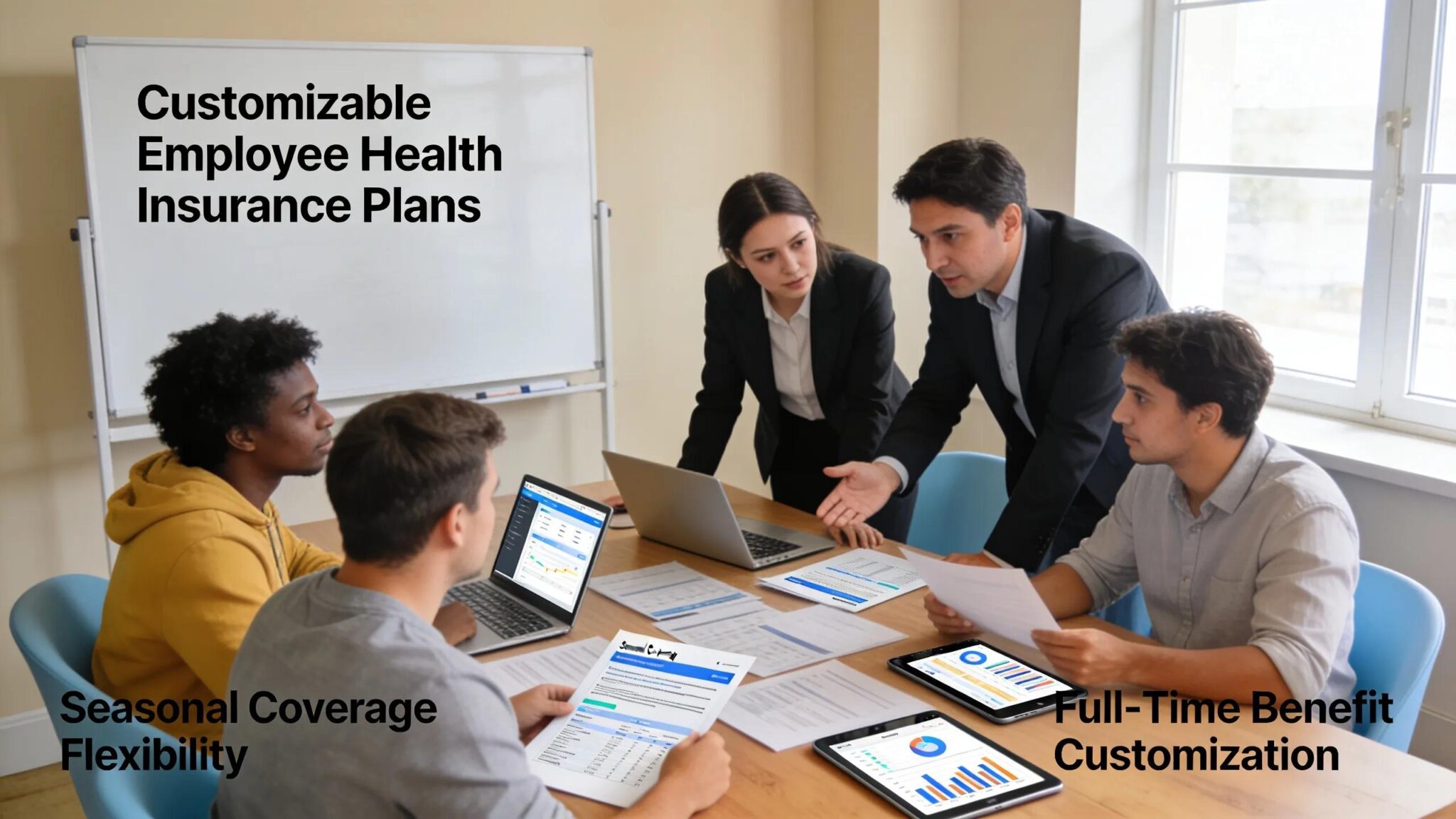
Key features of ICHRA include several benefits that set it apart from traditional health plans.
- Tax Advantages: Employers can deduct contributions to ICHRA from their taxable income. Additionally, these contributions are exempt from payroll taxes, resulting in significant savings.
- Employee Choice: Employees can select health plans that better fit their specific health needs and financial situations, promoting a more user-centric health coverage experience.
- Cost Control: Employers have the flexibility to set fixed reimbursement amounts, allowing them to budget more effectively for healthcare expenses.
Group Health Insurance Brokerage Solutions
For employers looking for alternatives to ICHRA, group health insurance brokerage solutions provide a range of options tailored to specific industries like agribusiness and tourism. These solutions not only help streamline the procurement of health insurance policies but also ensure comprehensive coverage for a variety of medical services, including preventive care and hospitalization. Choosing the right brokerage can result in better premium rates and enhanced employee satisfaction due to customized solutions based on workforce demographics.
Benefits of Group Health Insurance:
Offering group health insurance presents numerous advantages for employers. By providing robust health insurance options, organizations can enhance employee satisfaction and retention while ensuring compliance with healthcare laws.
- Comprehensive Coverage: Group health plans typically cover a wide range of medical services, ensuring employees have access to necessary healthcare.
- Increased Employee Satisfaction: When employers invest in quality health insurance plans, it reflects their commitment to employee well-being, which can improve morale and productivity.
- Retention Advantages: Providing comprehensive health benefits can significantly reduce turnover rates, helping businesses retain skilled employees.
Regulatory Considerations
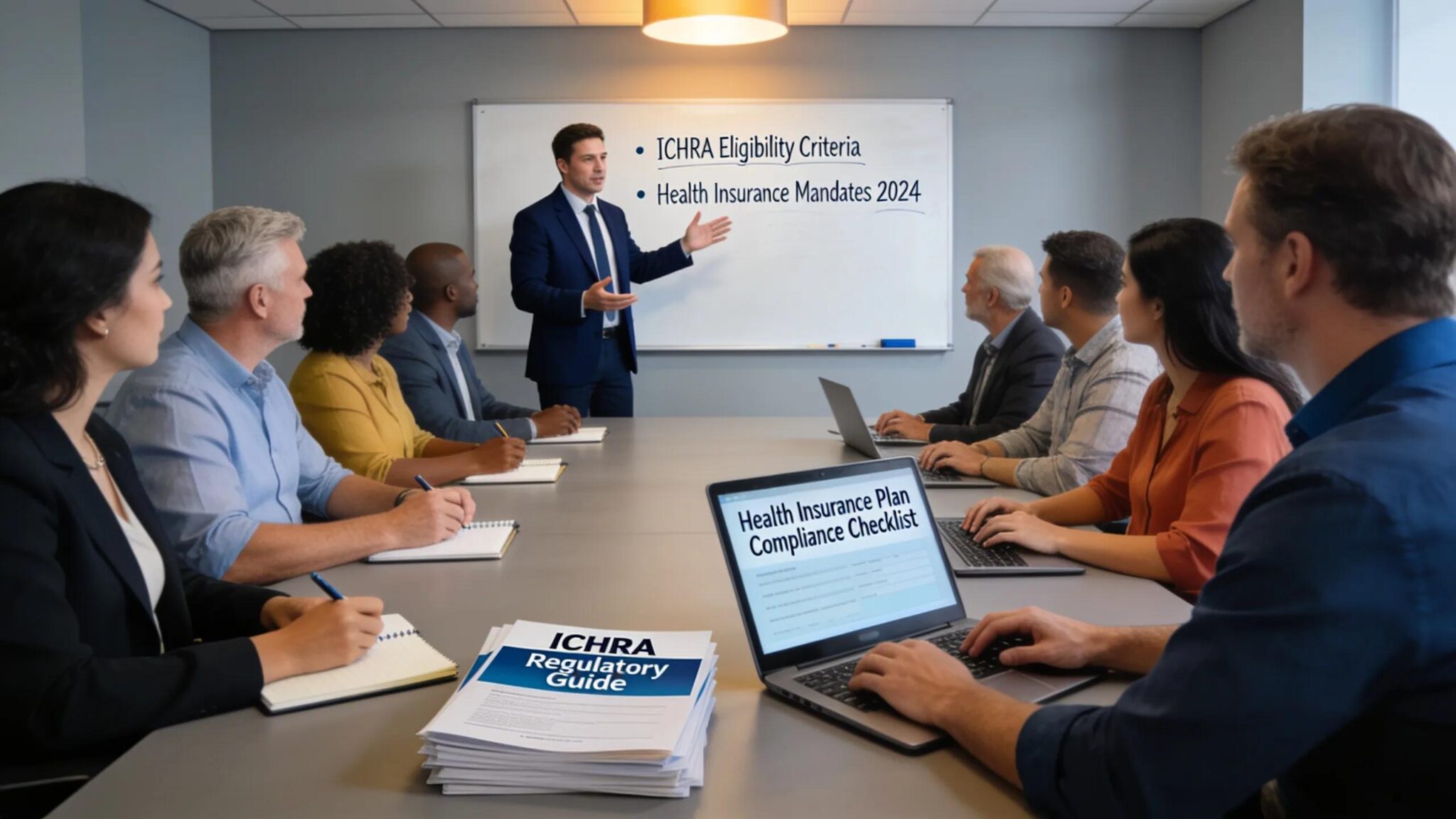
Employers must navigate a myriad of regulatory requirements when implementing ICHRA or group health insurance plans. Compliance with the Affordable Care Act (ACA), Employee Retirement Income Security Act (ERISA), and various state-specific regulations is crucial. Non-compliance can lead to severe penalties and legal issues.
It’s essential for employers to understand the reporting requirements for ICHRA, as these differ from traditional group plans. Regular reviews of compliance status are vital to avoid potential pitfalls and ensure that the health benefits meet all applicable laws.
How CFH Insurance Consultants Support Employers in South Haven
CFH Insurance Consultants specializes in employee benefits and group health insurance brokerage, focusing on providing innovative solutions tailored for agribusiness and tourism employers. Their expertise in ICHRA can help navigate the complexities of health insurance, ensuring that employers can confidently implement these arrangements.
Best Practices for Implementation
Successful implementation of ICHRA and group health plans requires strategic planning and ongoing management. Employers should consider several best practices:
- Consultation with Experts: Engaging with health insurance consultants can provide valuable insights and tailored solutions based on industry-specific needs.
- Tailoring Benefits Packages: Customizing health benefits to meet the unique requirements of seasonal and full-time employees will enhance satisfaction and retention.
- Ongoing Monitoring: Regular assessment of plan performance and employee feedback can help refine offerings and ensure all legal obligations are met.
Understanding and applying best practices is essential for employers to effectively implement ICHRA and group health insurance solutions.
What is ICHRA and How Does It Benefit Agribusiness & Tourism Employers in Michigan?
ICHRA not only provides flexibility and cost savings for all employers but is particularly beneficial for those in agribusiness and tourism due to the seasonal nature of their workforce. By allowing businesses to reimburse employees for health insurance premiums, employers can offer tailored solutions that better fit diverse employee needs. This adaptability is crucial in industries that experience fluctuations in staffing levels and health requirements.
Eligibility Criteria
Employers looking to adopt ICHRA must meet specific criteria. The organization should define eligible employees based on factors such as job classification, employee status (part-time/full-time), or geographical location. By ensuring clarity in eligibility, businesses can maintain compliance and effectively manage their health expenditures.
Implementation Process
Launching ICHRA requires a systematic approach that includes key steps. Employers must first educate their workforce about the benefits of ICHRA and how it operates. Following this, precise records of employee health insurance purchases and reimbursements should be maintained to ensure compliance with IRS regulations.
How Does ICHRA Support Seasonal Employees in South Haven?
Seasonal employees often face unique challenges regarding health insurance access. ICHRA supports these employees by offering flexibility and allowing for reimbursement of individual health plans, which may be more suitable for their temporary or fluctuating work schedules. This form of health benefit ensures that even short-term staff have access to necessary healthcare.
What Are the Tax Advantages of Implementing ICHRA for Michigan Employers?
Implementing ICHRA provides notable tax benefits for employers in Michigan. Specifically:
- Employers can deduct contributions made to ICHRA from their taxable income.
- Contributions are exempt from payroll taxes, enhancing overall savings.
These advantages underscore the financial feasibility of adopting ICHRA compared to traditional group health plans.
Which Group Health Insurance Options Are Best for Agribusiness Employers in South Haven?
Group health insurance options vary widely, and the best selections depend on the organization’s employee demographic and specific needs. For agribusiness employers, offering flexible plans that include seasonal employees and full-time workers is essential. More comprehensive plans that provide a broad spectrum of coverage will likely yield higher employee satisfaction and retention rates.
How Do Group Plans Accommodate Seasonal and Full-Time Agricultural Workers?
Effective group plans ensure that both seasonal and full-time workers have access to necessary medical care. By offering tiered plans that adjust coverage based on employee status, companies can provide equitable access to healthcare resources. This approach fosters a supportive workplace and attracts quality talent across the seasonal workforce.
What Ancillary Benefits Complement Group Health Insurance for Agribusiness?
Ancillary benefits can significantly enhance an employer’s health insurance offerings. Common ancillary benefits to consider include:
- Dental Insurance: Ensures employees maintain oral health.
- Vision Insurance: Provides access to eye care and corrective lenses.
- Healthcare Spending Accounts: Allows employees to manage out-of-pocket expenses.
These ancillary benefits provide additional layers of financial support for employees, enhancing overall job satisfaction.
How to Choose Between QSEHRA and ICHRA for Tourism Employers in South Haven, MI?
When determining whether to implement QSEHRA or ICHRA, tourism employers should consider the size of their workforce, the diversity of employment statuses, and the specific needs of their employees. ICHRA generally offers more flexibility in reimbursements but requires careful compliance assessments. Conversely, QSEHRA is available to smaller employers and is simpler to administer, making it a potentially more accessible option for smaller tourism operations.
What Are the Key Differences Between QSEHRA and ICHRA Reimbursement Plans?
Understanding the differences between QSEHRA and ICHRA is crucial for employers.
- Structure: ICHRA can be offered to any employer size, while QSEHRA is restricted to small employers (those with less than 50 employees).
- Reimbursements: ICHRA allows for a varied reimbursement structure, while QSEHRA requires uniformity for all eligible employees.
These differences significantly impact how employers manage their employee benefits packages and comply with regulatory requirements.
Which Employee Benefits Solution Aligns Best with Seasonal Tourism Workforce Needs?
Tourism businesses often require adaptive solutions for employee benefits due to seasonal employment. For these employers, ICHRA is advantageous as it allows seasonal employees to tailor health benefits to their unique needs without being limited to traditional group health plans. Thus, it offers a sustainable solution to the challenges presented by fluctuating work patterns.
How Can South Haven Employers Implement ICHRA & Group Health Insurance Effectively?
Employers in South Haven can implement ICHRA and group health insurance effectively through several strategic steps. Understanding the unique needs of their workforce, selecting appropriate health plans, and providing employee education on the benefit offerings are crucial. Furthermore, engaging with CFH Insurance Consultants can enhance implementation strategies and ensure compliance with local regulations.
What Steps Are Required to Launch ICHRA in Michigan Agribusiness and Tourism Firms?
Launching ICHRA entails a clear roadmap. Employers must first assess employee eligibility, then select reimbursement structures followed by educational programs for employees to understand their options. As part of the implementation process, maintaining ongoing communication and support ensures that any potential issues can be addressed efficiently.
Questions We Get
What does working with CFH look like for a South Haven employer?
We start by reading your current plan, renewal and census, then show what the market offers against what you have. From there the work is ongoing: enrollment, eligibility and billing issues, compliance deadlines, and claims escalations between renewals. We are licensed insurance brokers, and we look at the entire benefits program — cost, plan performance, risk and administration.
