
By CFH Insurance Consultants
Navigating the complexity of employee benefits can be a daunting challenge for employers. This guide delves into Section 125 Cafeteria Plans and Health Savings Accounts (HSAs), providing a comprehensive overview of how these frameworks can optimize tax savings while enhancing employee benefits. Employers need to understand the critical aspects of these plans to leverage their full potential for cost savings and compliance. Many organizations struggle with balancing affordability and quality in their benefits offerings. However, structured properly, these plans can offer significant advantages both to employers and employees. In the subsequent sections, we’ll explore the key features of Section 125 Cafeteria Plans, the benefits of HSAs, and the considerations necessary for effective plan design and compliance.
Guide for Employers on Section 125 Cafeteria Plans and Health Savings Accounts (HSAs)
Section 125 Cafeteria Plans and HSAs are vital components of employee benefits programs that offer tax advantages to both employers and employees. A Section 125 Cafeteria Plan allows employees to choose from a menu of pre-tax benefits, thereby reducing their taxable income. This flexibility promotes higher employee satisfaction as individuals can select benefits that best meet their needs. On the other hand, Health Savings Accounts (HSAs) complement these plans by enabling employees to save for medical expenses with triple tax benefits. Understanding these options is critical for employers aiming to maximize tax savings and enhance employee retention.
The following guidance highlights how regulatory adjustments have expanded the utility and flexibility of cafeteria plans to assist employers during challenging economic cycles.
1. Overview of Section 125 Cafeteria Plans

Section 125 Cafeteria Plans, often referred to as flexible benefit plans, allow employees to pick their preferred benefits from a range of options. This structure provides significant tax advantages, as contributions are made on a pre-tax basis, reducing both employee and employer FICA taxes. By offering diverse benefits, employers can increase employee satisfaction and engagement. Furthermore, the flexibility intrinsic in Section 125 plans helps employers maintain a competitive edge in attracting and retaining top talent.
Expert insights into the statutory exemptions of these plans underscore the necessity of maintaining robust fiduciary standards even when providing flexible benefits.
2. Health Savings Accounts (HSAs)
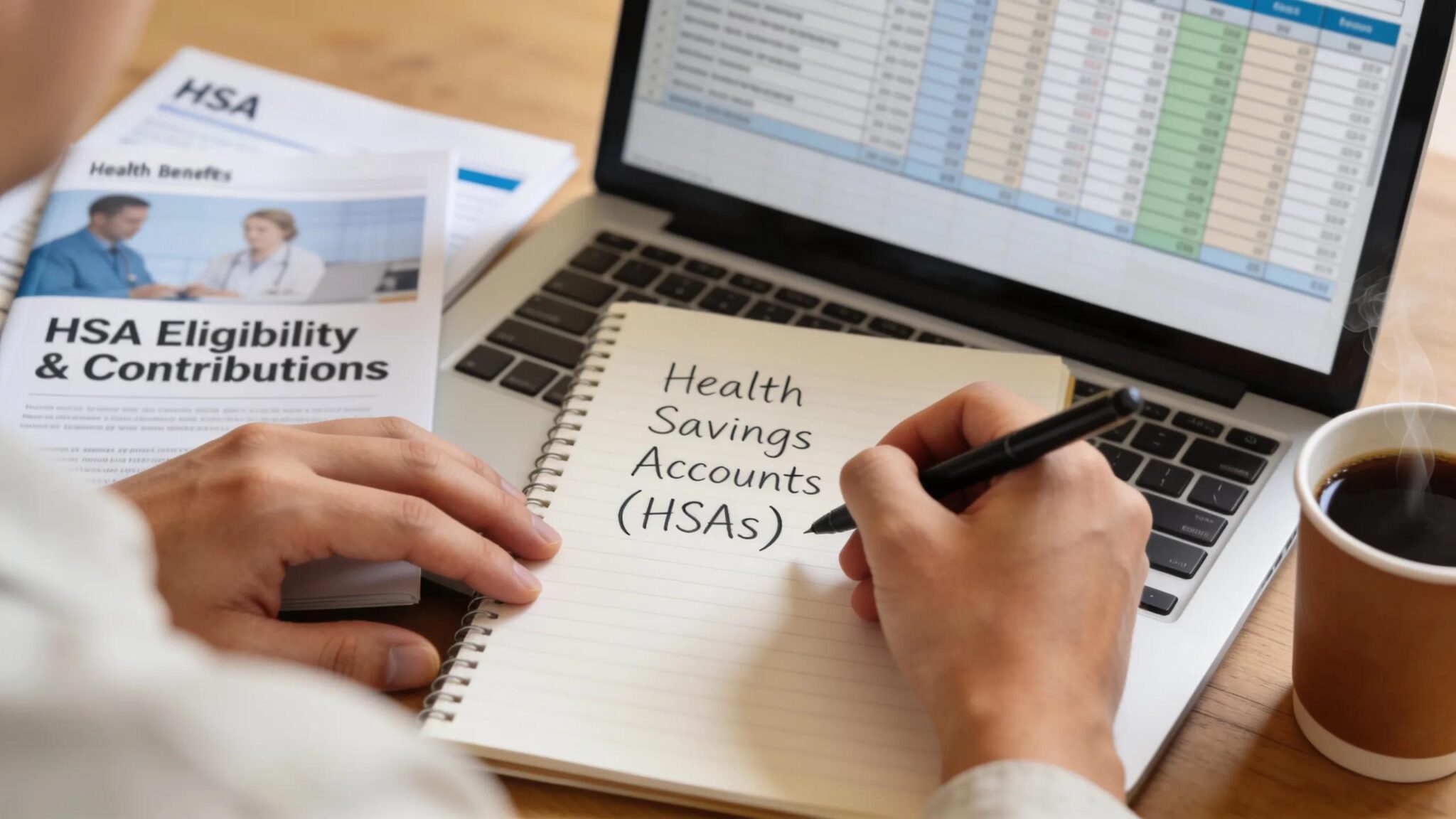
Health Savings Accounts (HSAs) serve as a powerful complement to Section 125 Cafeteria Plans. Designed for individuals with High Deductible Health Plans (HDHPs), HSAs offer significant tax advantages that can lead to substantial savings. Contributions to HSAs are tax-deductible, grow tax-free, and can be withdrawn tax-free for qualified medical expenses. This triple tax benefit makes HSAs an attractive option for employees looking to manage their healthcare costs effectively. Additionally, HSAs promote a proactive approach to healthcare spending, encouraging individuals to engage with their health financial decisions meaningfully.
3. Plan Design Considerations
When designing Section 125 Cafeteria Plans and integrating HSAs, employers should consider several key elements to maximize their benefits. First, alignment with HDHPs is crucial, as this pairing enhances the effectiveness of both plans. Second, employee education is essential to ensure participants understand how to utilize HSAs and the associated tax benefits effectively. Additionally, exploring alternatives such as Flexible Spending Accounts (FSAs) can provide further options in meeting diverse employee needs.
Effective plan design requires balancing administrative flexibility with the underlying legal requirements that govern employer-sponsored benefits.
How Do Section 125 Plans Provide Employer FICA Tax Savings?
Employers can realize substantial FICA tax savings through Section 125 Cafeteria Plans as employee contributions reduce their taxable payroll. This reduction in taxable income not only benefits employees by lowering their taxable income but also allows employers to save on the payroll taxes they would owe on those amounts. Such a dual benefit reinforces the strategic value of implementing Section 125 plans in the benefits portfolio of any organization.
Which Employee Benefits Can Be Included in a Section 125 Plan?
A variety of employee benefits can be included in a Section 125 Cafeteria Plan. Common offerings include:
- Health Insurance Premiums: Employees can pay their premiums on a pre-tax basis.
- Dependent Care Assistance: Funds can be set aside for dependent care expenses.
- Health Flexible Spending Accounts (FSAs): Employees can allocate pre-tax dollars for healthcare expenses.
Including a diverse array of benefits helps meet the varying needs of a workforce, amplifying satisfaction and providing significant financial benefits.
4. Compliance Requirements
Compliance with IRS regulations is an essential consideration for any employer offering Section 125 Cafeteria Plans and HSAs. Employers must adhere to specific rules regarding documentation and eligibility requirements. Proper communication to employees about their options and the tax implications is also critical for ensuring transparent compliance. Additionally, maintaining accurate records of plan participation and contributions is vital to meet IRS standards.
How Can Employers Ensure Compliance with IRS Section 125 and HSA Regulations?
To ensure compliance with IRS regulations, employers should implement regular audits of their benefits programs. These audits can help identify areas where updates or corrective actions are needed to maintain regulatory adherence. Moreover, employing compliance support services can assist employers in staying informed about evolving regulations and best practices, further enhancing their compliance efforts.
What Are Michigan-Specific Legal Considerations for Employer Benefit Plans?
Employers in Michigan should be aware of state-specific legal considerations when designing their benefit plans. Relevant laws may influence the structure and offerings of Section 125 Plans and HSAs, necessitating careful attention to local regulations. Partnering with compliance experts can empower employers with the necessary insights to navigate Michigan’s legal landscape effectively.
5. Best Practices for Employers
Implementing best practices can greatly improve the effectiveness of Section 125 Cafeteria Plans and HSAs. Firstly, conducting regular audits and assessments ensures compliance and helps identify areas for improvement. Secondly, fostering a culture of ongoing employee education ensures that staff members are informed about their benefits and are empowered to make well-informed choices. Lastly, closely monitoring regulatory updates allows organizations to remain agile and responsive to relevant changes in compliance requirements.
The integration of Section 125 Cafeteria Plans and HSAs represents a significant opportunity for employers to optimize tax savings while delivering valuable benefits to their employees. As more organizations recognize the importance of customizable benefits programs, a commitment to compliance and effective plan design will cultivate a workplace that attracts and retains talent.
Frequently Asked Questions
Should we pair a high-deductible plan with an HSA?
It is worth quoting. A qualifying high-deductible plan generally carries a lower premium, and the health savings account lets employees set aside pre-tax money for the deductible, with the balance rolling over year to year and following them if they leave. Employer seed contributions into an HSA are often cheaper than buying the deductible down for everyone, and they land as a visible benefit.
When does an employer have to offer coverage under the ACA?
The requirement applies to applicable large employers — generally those averaging 50 or more full-time and full-time-equivalent employees in the prior calendar year. Part-time hours aggregate into that count, which is why employers often cross the threshold before they expect to. Applicable large employers must offer coverage meeting minimum value and affordability standards to full-time employees, and file annual reports with the IRS.
How do we change brokers without disrupting coverage?
A broker of record letter moves the servicing relationship to a new firm without changing your plan, carrier, rates or employee coverage. It takes effect when the carrier processes it, and it is reversible at any future renewal. Most employers do it at a point in the year when nothing is mid-flight, though it does not have to wait for the renewal.