
By CFH Insurance Consultants
In today’s competitive landscape, the role of employee benefits, specifically group health insurance and level-funded plans, has become paramount for logistics and manufacturing companies in Livonia, MI. Not only do these benefits attract talent, but they also play a significant part in employee retention and satisfaction. Understanding the nuances of available employee benefits can help businesses meet their specific needs while optimizing costs. This article delves into the various group health insurance options, the advantages of level-funded health plans, and critical eligibility requirements that Livonia companies should consider. By the end of this guide, you will gain insights into how these benefits work, what types of coverage are common, and best practices for implementation.
Research consistently highlights how comprehensive benefits packages act as a foundational element in sustaining long-term employee commitment and operational performance.
Group Health Insurance Options
Group health insurance is an essential component of employee benefits that covers a variety of medical services for multiple employees under one insurance plan. This arrangement allows employers to provide health coverage at a reduced cost compared to individual insurance policies, benefiting both the employer and the employees. Group health insurance plans typically offer various types of coverage, including health maintenance organizations (HMOs) and preferred provider organizations (PPOs).
Employers can choose plans that provide comprehensive benefits like preventive care, hospital stays, outpatient services, and emergency care. Another significant aspect of group health insurance is the opportunity to offer additional benefits such as dental and vision insurance, which support overall employee well-being. This multifaceted approach to employee benefits is crucial in the logistics and manufacturing sectors, where a healthy workforce is foundational to operational success.
Level-Funded Health Plans

Level-funded health plans are a unique option that combines the benefits of traditional insurance with self-funding. Employers pay a predictable monthly fixed cost while setting aside additional funds for claims. This model provides a financial safety net and transparency in managing health expenses. Level-funded plans enable companies to benefit from potential refunds at the year’s end if claims are lower than expected, thus making it a financially savvy choice for many businesses in the logistics and manufacturing sectors.
The appeal of level-funded plans lies in their flexibility and potential cost savings. These plans often offer tailored benefits that can attract a healthy workforce while controlling healthcare expenses. As companies consider this option, understanding the refund mechanism and suitability becomes essential for effective decision-making.
Mitigating Risk with Level-Funded Health Plans
One of the primary advantages of level-funded health plans is their ability to mitigate financial risks for employers. Unlike fully insured plans where premiums are fixed regardless of claims, level-funded plans provide a balance between predictability and risk-sharing. Employers contribute a fixed monthly payment that covers expected claims, administrative fees, and stop-loss coverage. If actual claims are lower than expected, the surplus is often refunded, ultimately reducing costs.
This risk mitigation is particularly valuable for Livonia’s logistics and manufacturing companies, which may face fluctuations in employee healthcare needs due to the physically demanding nature of their work environments. By managing risk effectively, employers can maintain stable benefits costs while supporting employee health.
Stop-Loss Insurance Management
Stop-loss insurance is a critical component of level-funded plans that protects employers from high-cost claims. In this arrangement, once individual or aggregate claims exceed a predetermined threshold, the stop-loss insurer covers the excess amount. This safety net reduces the financial exposure of logistics company employee benefits Michigan providers, helping them manage unpredictable claims costs more effectively.
Employers in the Livonia manufacturing and warehousing sectors benefit from carefully structured stop-loss policies that provide coverage tailored to their workforce size and risk profile. By working with an experienced employee benefits broker Livonia MI, companies can negotiate favorable stop-loss terms that align with their risk tolerance and financial objectives.
Reducing Claims Costs
Level-funded plans encourage proactive health management strategies aimed at reducing claims costs. These may include wellness programs, preventive care incentives, and employee health education. In the warehousing and logistics sectors around Wayne County and Livonia, such initiatives address common industry health challenges like musculoskeletal injuries, stress, and chronic conditions.
By partnering with expert warehousing benefits consulting services, employers can design benefits plans that emphasize cost containment while promoting healthier behaviors. This approach not only lowers claims costs but also enhances employee productivity and satisfaction.
Challenges in Livonia’s Manufacturing and Warehousing Sectors
Companies in Livonia, situated within Wayne County, face specific challenges unique to local manufacturing and warehousing industries. These include high employee turnover, physically demanding labor, and fluctuating economic conditions that impact operational stability. Consequently, employee benefits such as group health insurance Livonia Michigan offerings must be carefully tailored to address these sector-specific needs.
Providing robust logistics company employee benefits Michigan that consider occupational health risks, along with customizable health plan options like level-funded plans, equips employers to overcome retention challenges and reduce absenteeism. Furthermore, competitive benefits offerings play a vital role in attracting skilled workers in the highly competitive regional labor market.
Eligibility Requirements
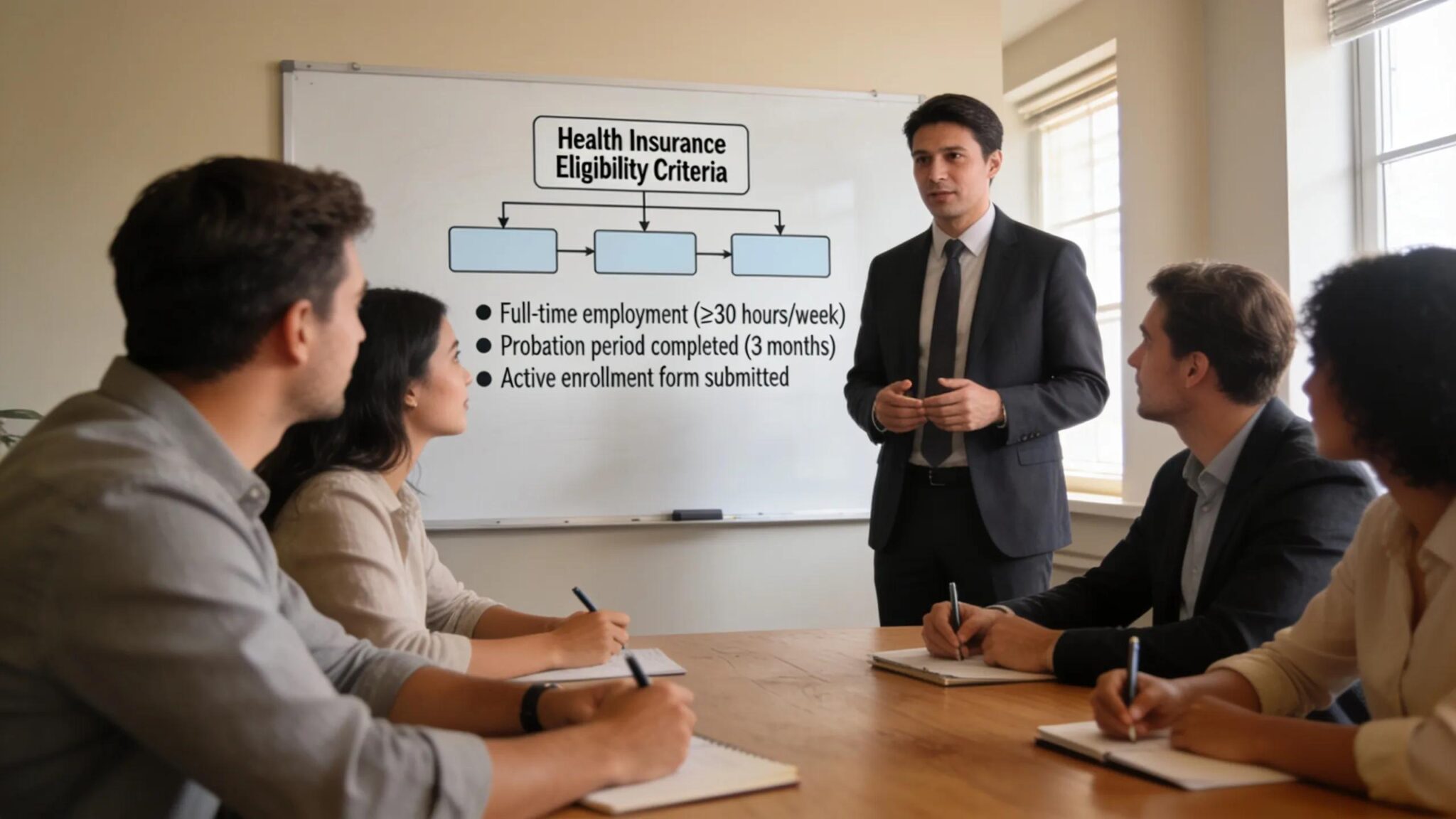
Understanding eligibility requirements for group health insurance is crucial for employers contemplating their options. Generally, eligibility criteria may include employee headcount, hours worked, and the length of employment before coverage begins. Employers must be aware that variations can exist based on the specific plans they choose and the insurers they work with.
Most group health insurance plans require that employees work a minimum number of hours weekly, typically around 30 hours, to qualify for coverage. New hires may also need to complete a waiting period before being eligible for enrollment. By adhering to these requirements, employers ensure compliance while extending valuable benefits to their workforce.
Cost Structures
The cost structure of group health insurance can differ greatly depending on the coverage options chosen and the employer’s contribution. Generally, employers cover a significant portion of the premium costs, while employees are responsible for a payroll deduction that corresponds to their selected plan. When evaluating different funding options, it is essential to understand the implications of each on the overall budget.
Understanding these cost structures allows employers to make informed decisions that align with their financial capabilities and employee needs.
Frequently Asked Questions (FAQ)
1. What is the typical timeline for transitioning to a level-funded health plan in Livonia?
Transition timelines generally range from 60 to 90 days, depending on the size of your organization and the complexity of your current benefits structure. Your employee benefits broker Livonia MI can help coordinate timelines, communication, and enrollment to ensure a smooth transition.
2. How transparent are claims under level-funded health plans?
Level-funded plans provide enhanced claims transparency for employers. Monthly reports detail claims activity, administrative fees, and reserve funds. This transparency enables proactive management of healthcare costs and better budgeting, a crucial advantage for logistics company employee benefits Michigan providers managing variable claims.
3. How does owning fiduciary responsibility work under Michigan law when choosing these plans?
Employers typically retain fiduciary responsibility when offering group health insurance Livonia Michigan programs, including level-funded plans. It is critical to partner with knowledgeable consultants to ensure compliance with both federal ERISA regulations and Michigan-specific laws. Proper plan documentation and governance practices are essential to managing fiduciary obligations responsibly.
4. Can warehousing benefits consulting help customize health plans for my workforce?
Absolutely. Expert warehousing benefits consulting firms specialize in tailoring employee benefits to the unique needs of warehouse and manufacturing employees. They can integrate wellness programs, specialized coverage options, and cost-saving strategies within the broader group health insurance Livonia Michigan framework.
5. What are common pitfalls to avoid when switching to a level-funded plan?
Common pitfalls include underestimating stop-loss coverage needs, inadequate employee communication about plan changes, and selecting inappropriate plan designs that do not fit your workforce demographics. Working closely with an employee benefits broker Livonia MI ensures these risks are minimized.
In conclusion, employee benefits, particularly group health insurance and level-funded plans, play a vital role in the success of logistics and manufacturing companies in Livonia, MI. The right employee benefits strategy can significantly influence recruitment and retention efforts while fostering a healthy and productive workplace. Employers should seek tailored solutions by partnering with experts in the field, such as CFH Insurance Consultants, to navigate these options effectively. Investing in employee well-being not only enhances productivity but also contributes positively to the overall company culture.
Related: How a benefits renewal is actually run — the five stages we follow on every account, every year.